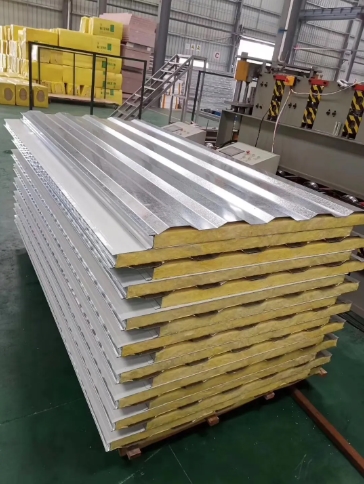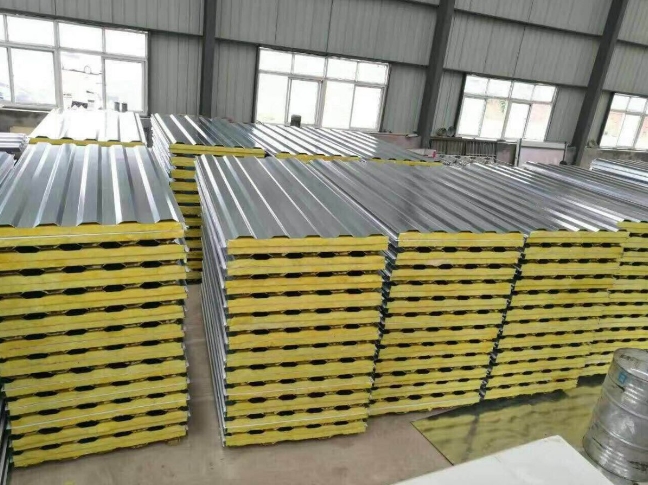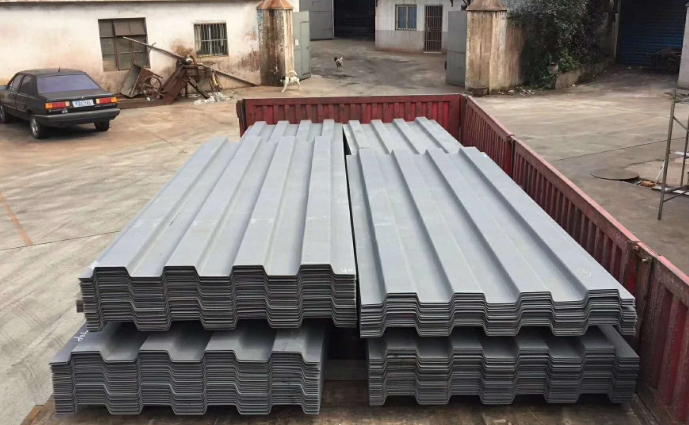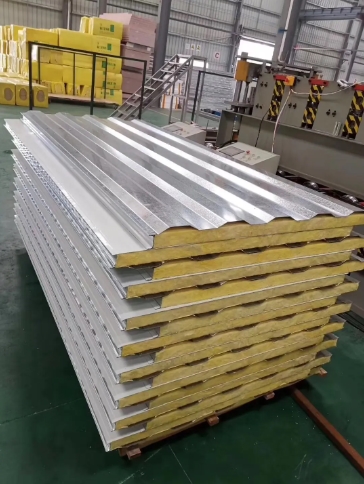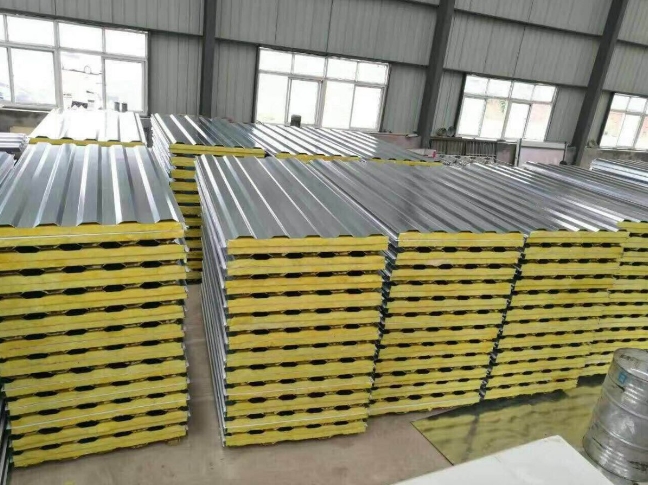













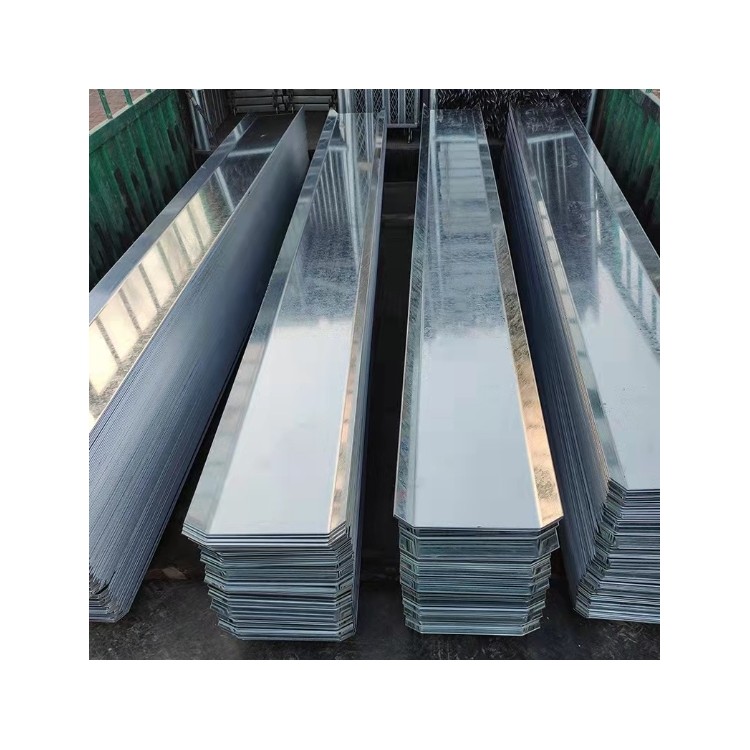
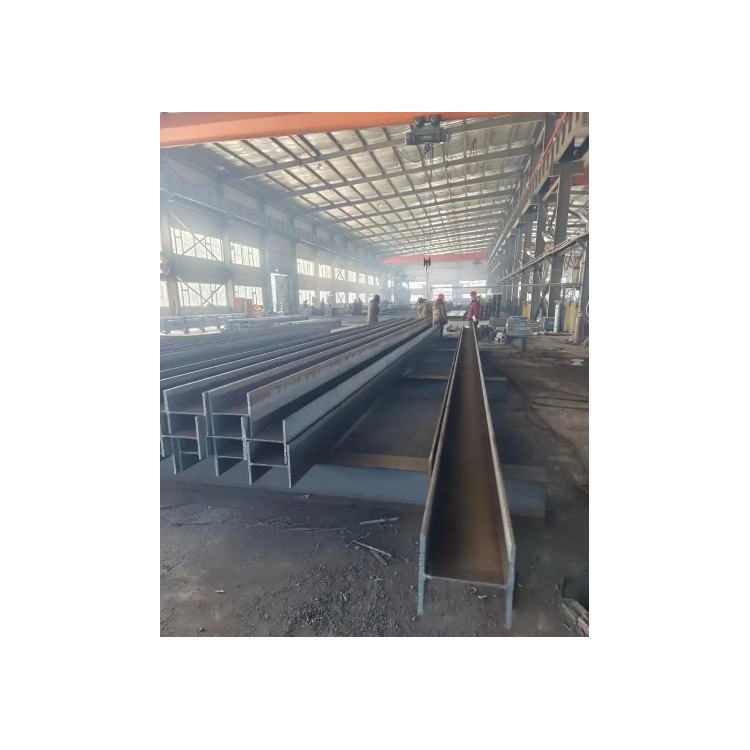
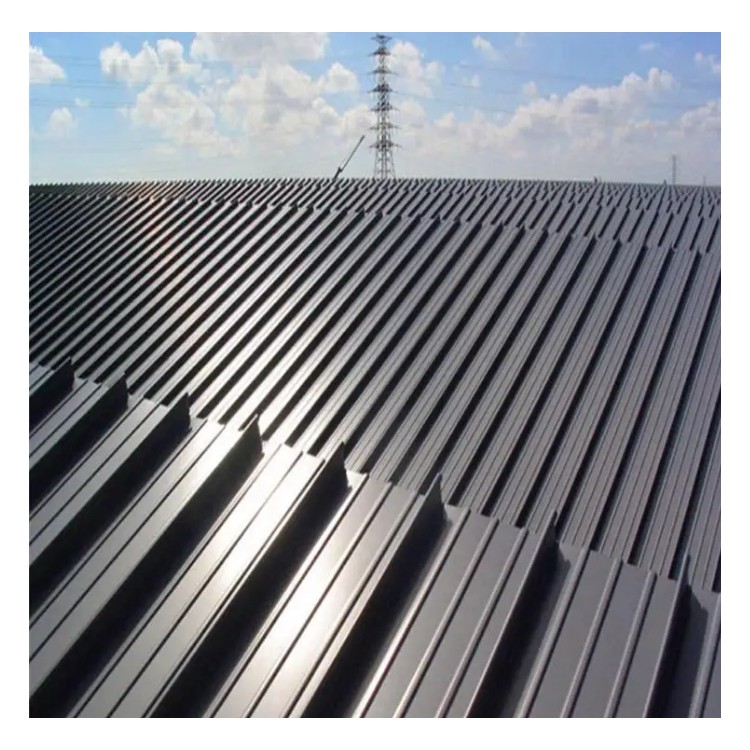
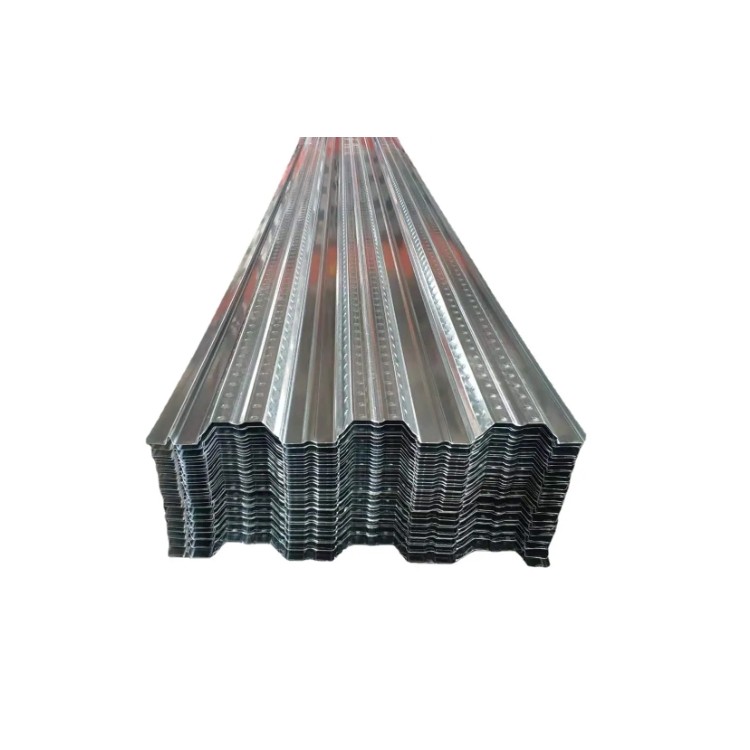
Container panels are an essential material used in the manufacture of containers and other packaging boxes.
I. Basic Uses of Container Plates
Manufacturing Containers: Container panels are one of the primary materials used in container manufacturing, offering sufficient strength and durability to withstand impacts and compressions during transportation and stacking, thereby protecting goods from damage.
Packaging: Container boards are also used to make various packaging boxes, such as cardboard boxes, wooden boxes, etc. These boxes are suitable for transporting and storing various goods, ensuring the safety of the products.
Pallets: Container boards can also be used to make pallets, facilitating the loading and unloading of goods, and enhancing work efficiency.
Construct Temporary Structures: Container panels, with their excellent load-bearing capacity and stability, are also used to build temporary structures such as booths, exhibition halls, stages, etc.
Furniture Manufacturing: The sturdy and durable characteristics of container boards make them suitable for producing furniture such as desks, chairs, cabinets, and more.
Decorative Materials: The surface of container boards can be coated and printed, suitable for decorating walls and floors, offering an aesthetically pleasing visual effect.
Other Uses: Container panels can also be used to make handicrafts, toys, models, etc., with a wide range of applications.
Section 2: Material Types of Container Boards
Wooden Container Panels: Composed mainly of plywood, particleboard, and hardwood, they are relatively low in price but prone to moisture and rotting. They have a high density and should not be stacked long-term. Attention should be given to moisture and rot prevention during transportation.
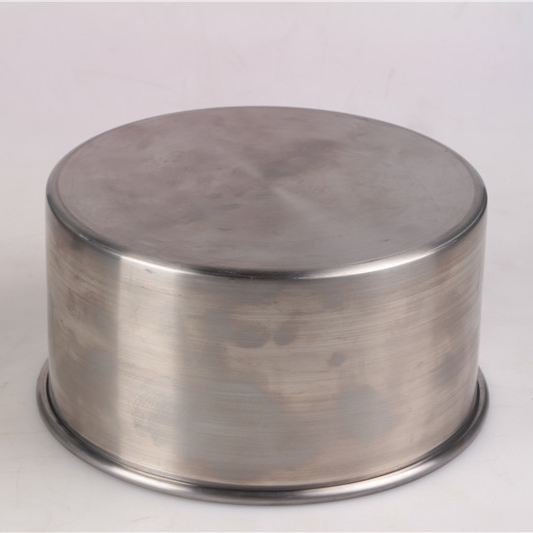
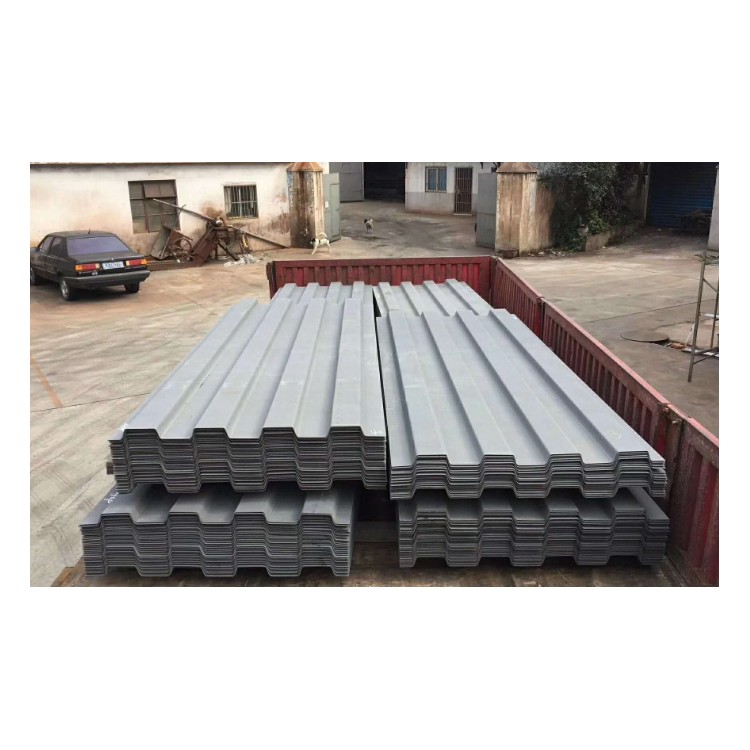
Steel container plates: Durable and impact-resistant, easy to clean, suitable for long-term storage and transportation, but relatively high in cost.
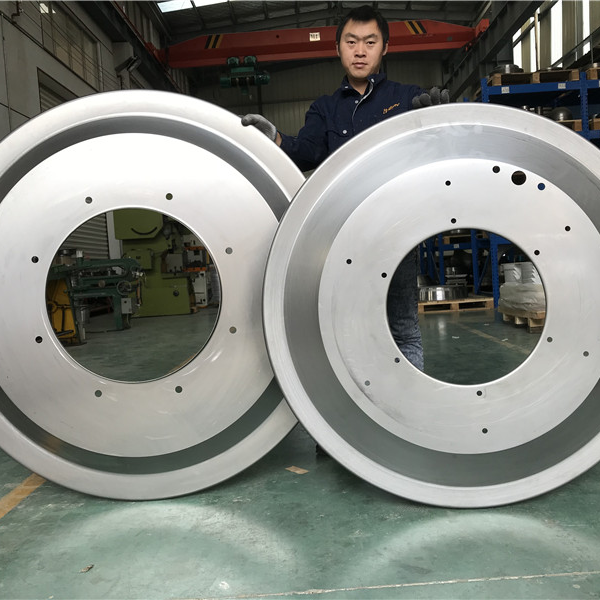
Aluminum container panels: Lighter than steel but with poorer compressive strength, they are also more expensive. Primarily used for air and sea transportation, they can also serve as temporary storage facilities.
Glass Fiber Reinforced Plastic (GFRP) Panels: Offering excellent corrosion and water resistance, high strength and rigidity, and lightweight properties, they are suitable for long-term storage, transportation, and use.
Fiberboard container panels: Economically priced, though not as sturdy as other materials, they offer good water and moisture resistance, suitable for temporary storage and transportation needs.
Section 3: Characteristics of Container Plates
Standardization: The design and production of container panels comply with the International Organization for Standardization (ISO) regulations, ensuring the interchangeability and universality of containers.
Durability: Container panels must withstand various harsh environmental conditions such as rain, sun exposure, and humidity, thus boasting excellent durability and corrosion resistance.
Environmental friendliness: With the rising awareness of environmental protection, the manufacturing and use of container boards are increasingly focusing on their environmental performance, such as using recyclable materials and reducing waste emissions.