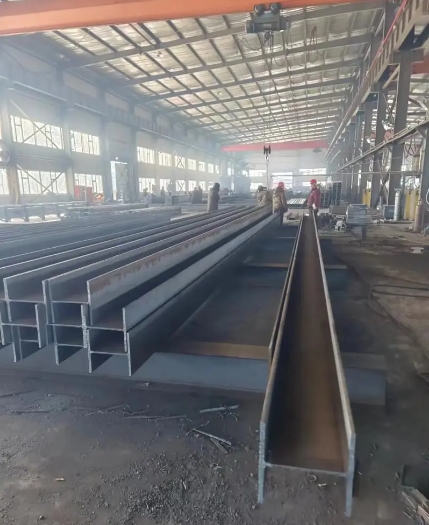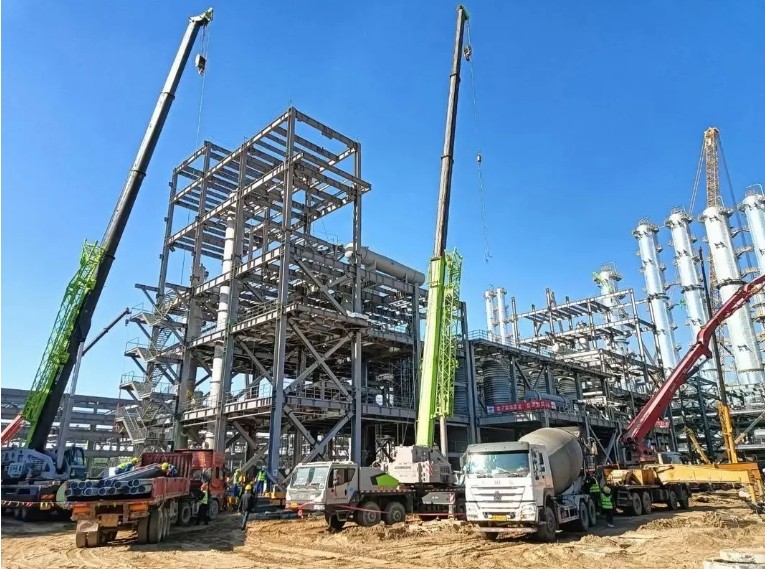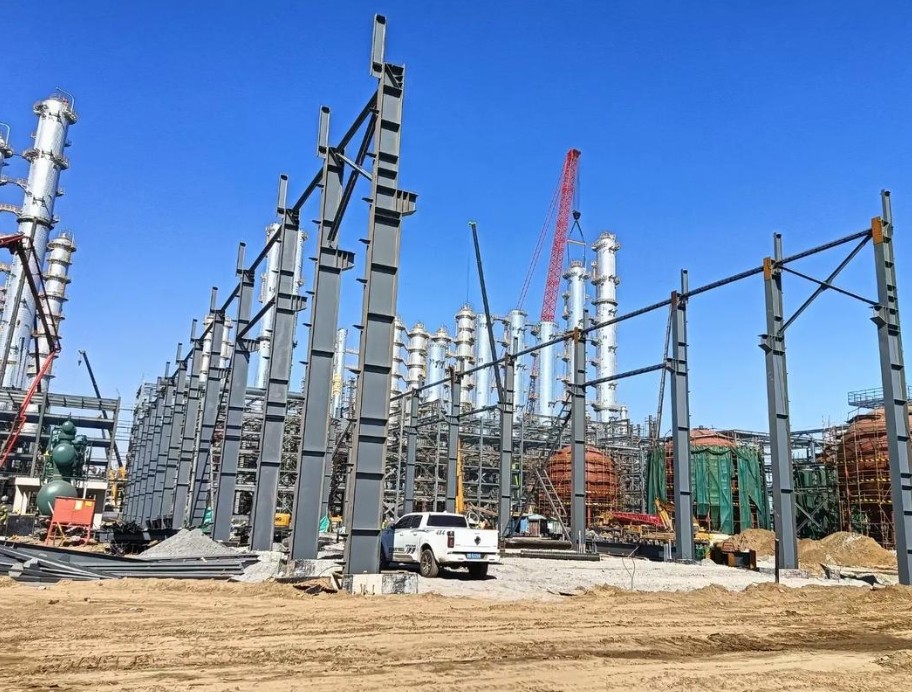














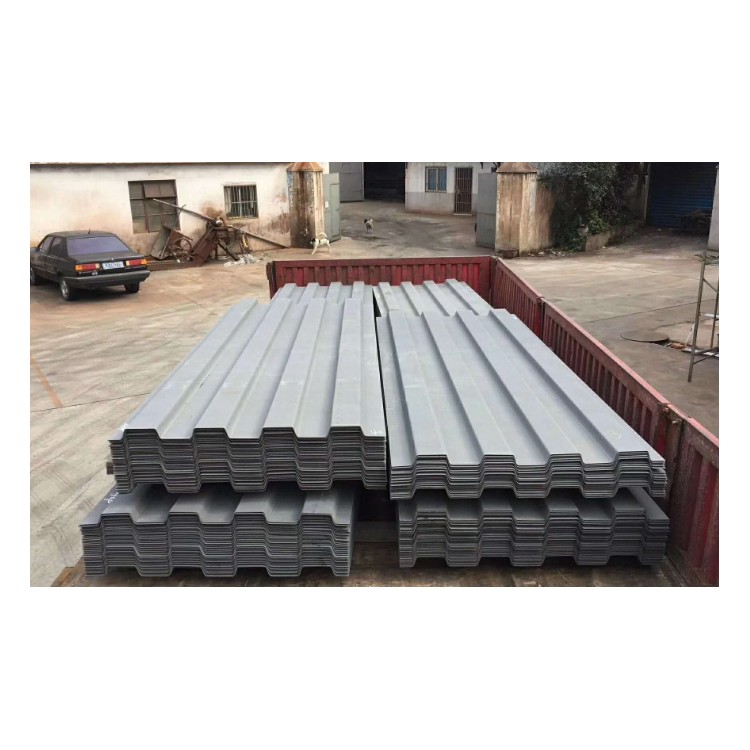
Steel structure is a system primarily composed of steel, widely used in fields such as construction, bridges, and machinery manufacturing.
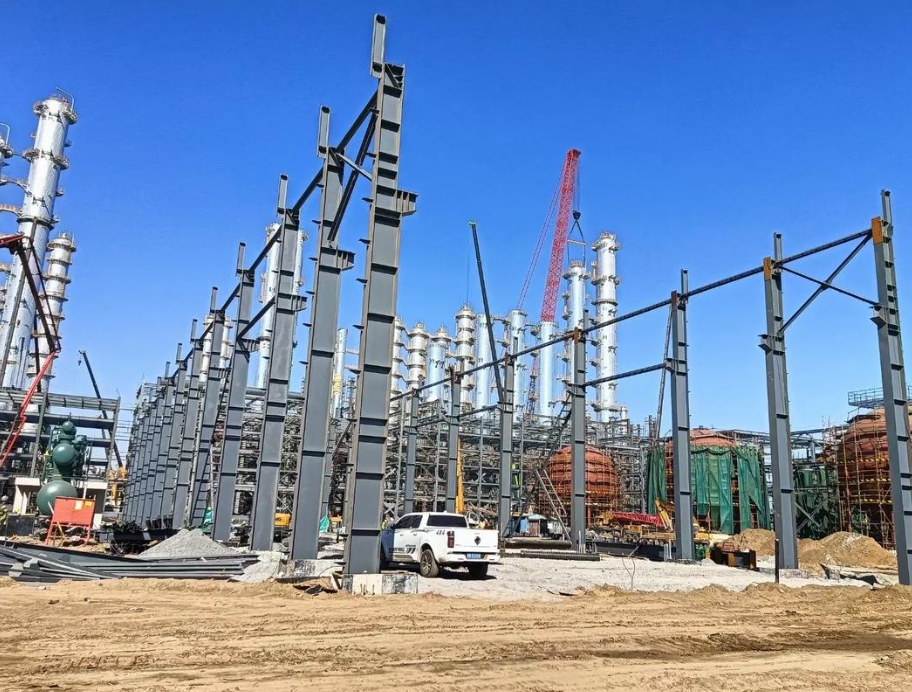
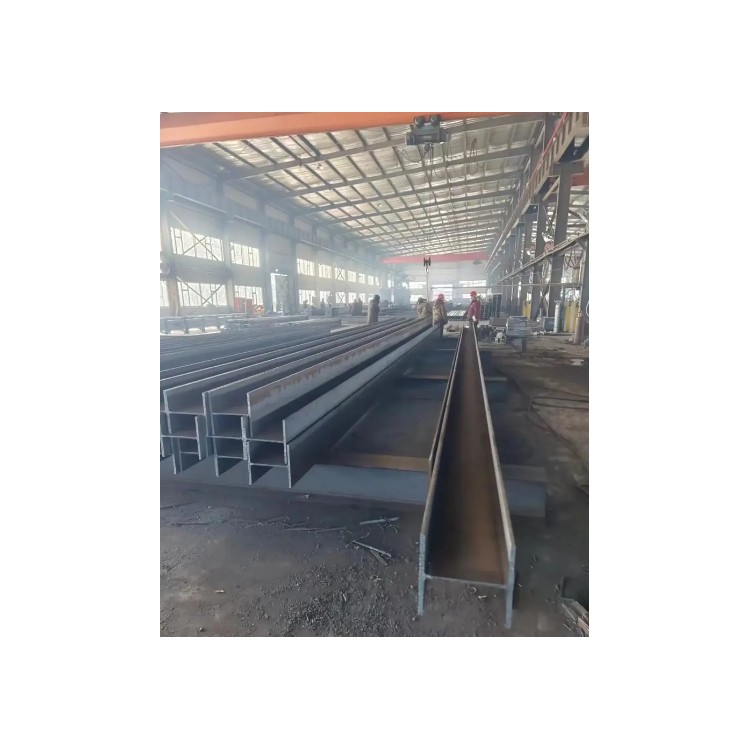
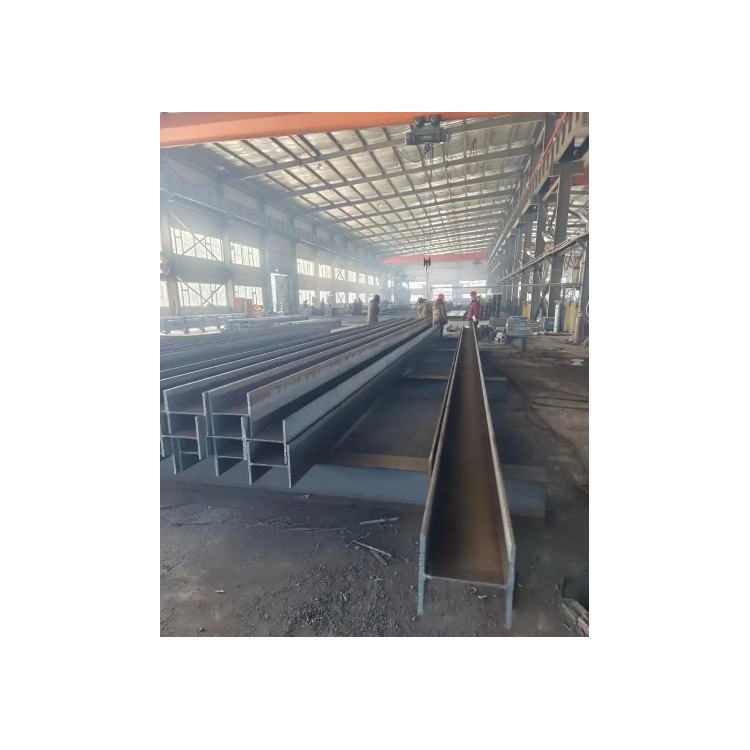
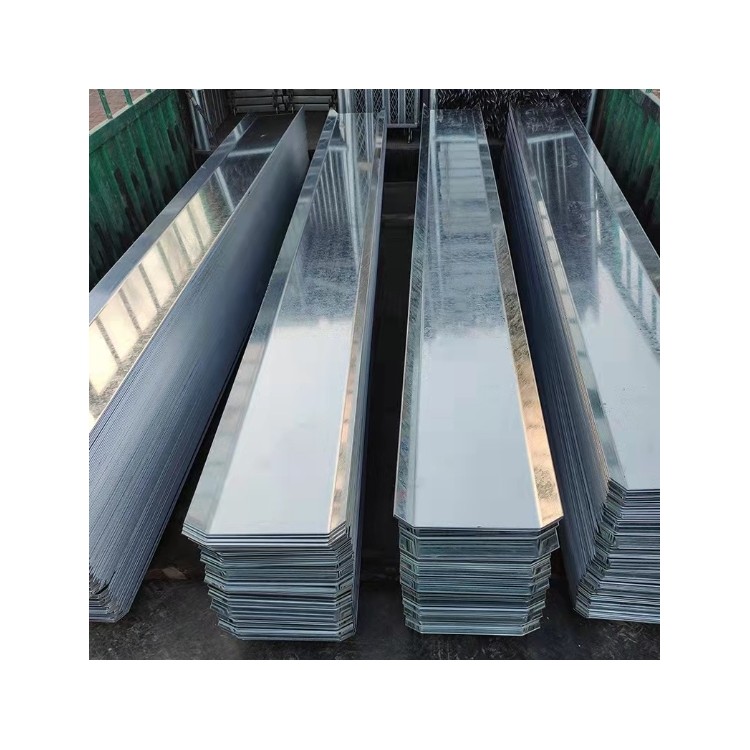
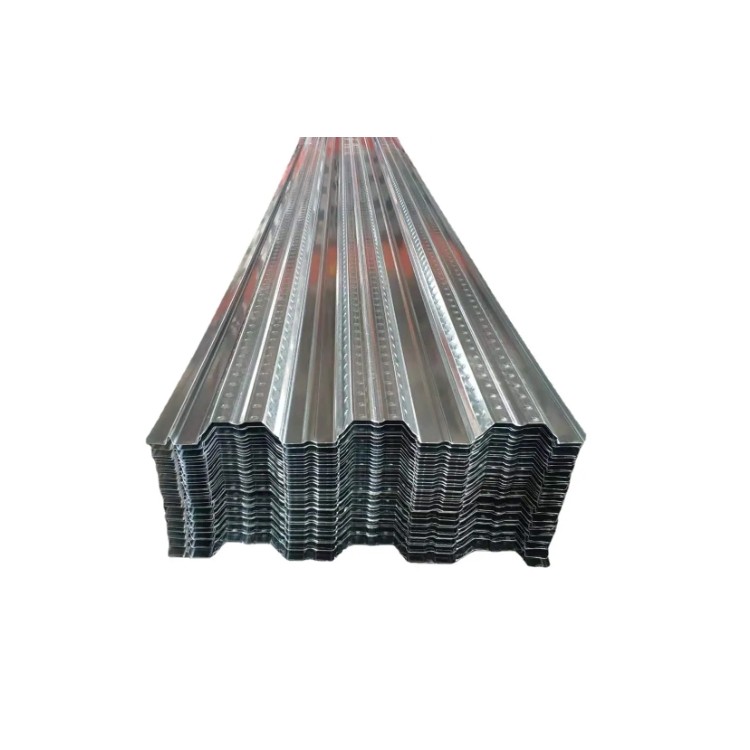
Structural steel is a type of construction made from steel materials, and it is one of the primary types of building structures. It mainly consists of components such as steel beams, columns, trusses, etc., which are manufactured from sections and plates, and it employs rust prevention techniques like siliconization, pure manganese phosphate coating, water washing and drying, and galvanizing.
Features:
High strength and lightweightCompared to concrete and wood, steel structures have smaller cross-sections and lighter self-weight under the same load conditions, making them easy to transport and install. They are suitable for large-span, high-rise, and heavily loaded structures.
Excellent flexibility and plasticityThe steel structure materials are uniform with high structural reliability, suitable for withstanding impact and dynamic loads, and possess excellent seismic performance.
Rapid construction speedSteel structural components are easy to produce in a factory, have a quick on-site assembly process, and can shorten the construction timeline.
Environmental Protection and RecyclableStructural steel buildings produce almost no construction waste during demolition, and the steel can be recycled and reused, aligning with the concepts of low-carbon, energy-saving, and green environmental protection.
II. Structural Form
Steel structures come in various configurations to meet different architectural requirements:
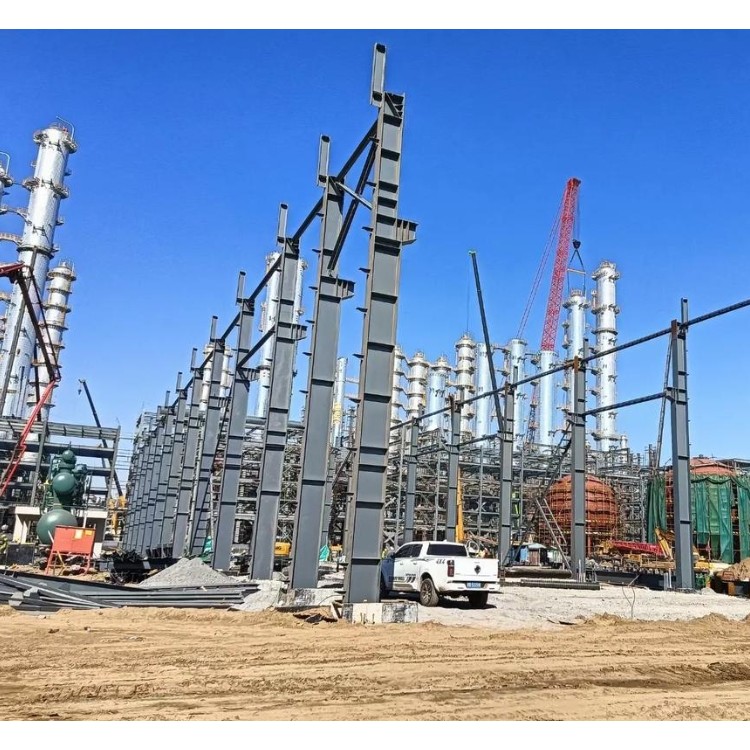
Door frame rigid frameA plane rigid frame composed of steel columns and beams, suitable for buildings with small spans such as factories, warehouses, workshops, etc.
Steel frameSpace frame composed of steel columns and steel beams, suitable for buildings with large spans or heights, such as office buildings, shopping malls, and hotels.
Steel trussA spatial structure composed of several rods arranged in a certain pattern, suitable for buildings with large spans and heights, such as gymnasiums and exhibition halls.
Steel trussA spatial structure formed by multiple rods connected in a certain grid pattern at nodes, suitable for architectural applications such as roof or wall coverings, like waiting halls, canopies, etc.
Section 3: Application Fields
Structural steel, due to its superior performance, is widely used in various fields:
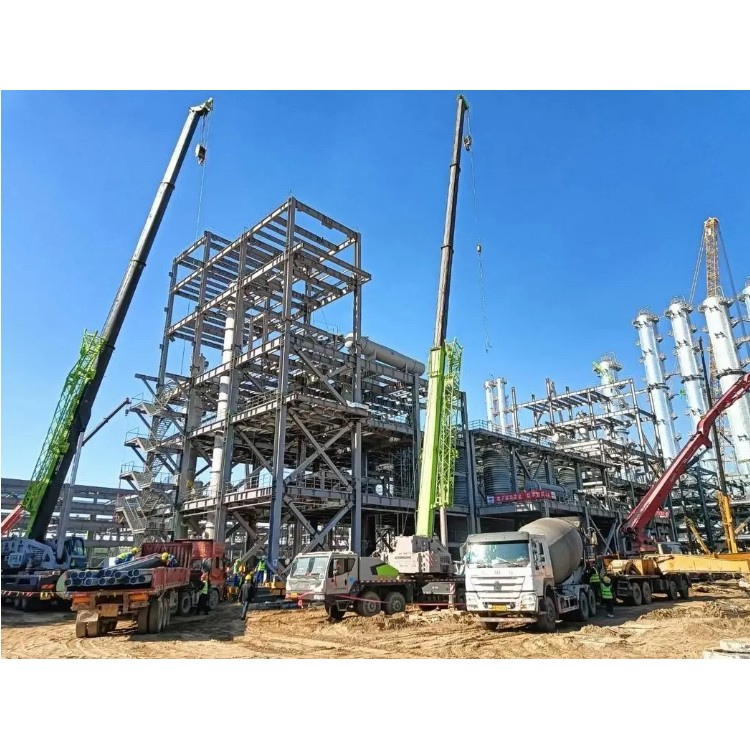
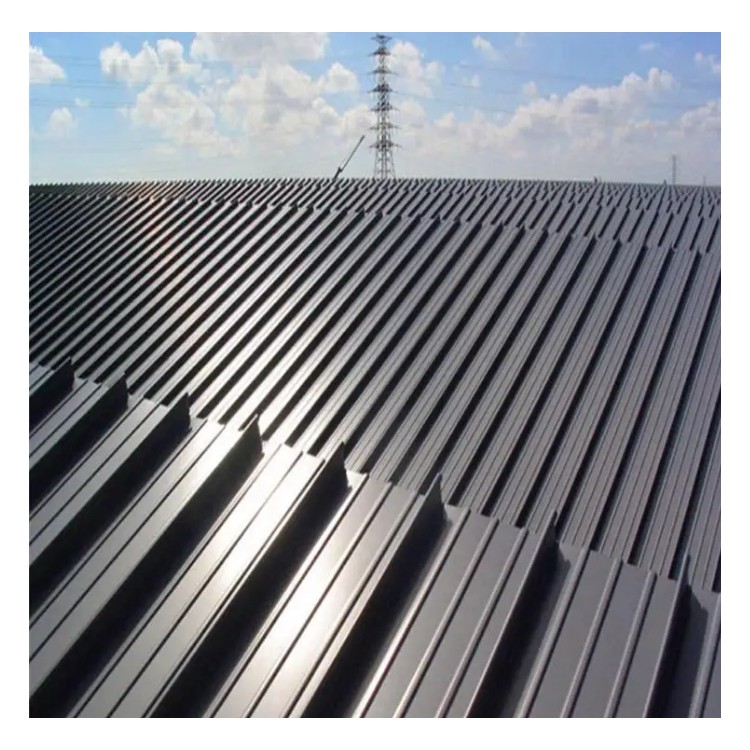
Construction IndustryHigh-rise buildings, industrial factories, warehouses, sports venues, convention centers, and other large public buildings.
Bridge engineeringSteel structures bridges can withstand heavy loads and environmental pressures, featuring light weight and excellent seismic performance.
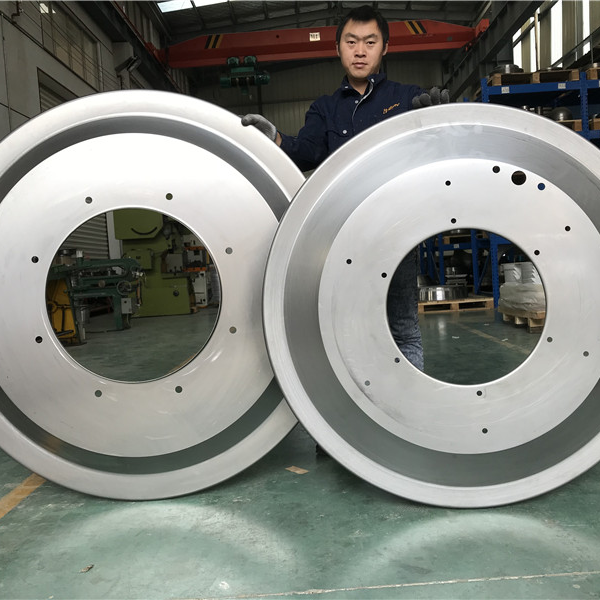
Machinery manufacturingUsed for manufacturing various machine tools, presses, industrial furnaces, rolling mills, cranes, compressors, and other equipment.
Petroleum Chemical IndustryManufacture various chemical equipment, pipelines, storage tanks, reactors, etc., to meet the requirements under harsh conditions such as high temperatures, high pressures, and corrosive media.
Vehicle manufacturingComponents such as vehicle body frames, engine hoods, door panels, and body floors for manufacturing automobiles, trains, subways, and light rail transit systems.
ShipbuildingManufacture hull structures, deck plates, and support structures for ship equipment, meeting the requirements of vessels in complex marine environments.
Four: Cautionary Notes and Maintenance
Corrosion treatmentSteel structures are prone to rust, requiring anti-corrosion measures such as rust removal, galvanizing, or painting, along with regular maintenance.
Fire protectionIn buildings with specific fire-resistant requirements, steel structures must be protected with refractory materials to enhance their fire resistance level.
Node DesignFor complex structures like steel trusses and steel lattices, the design and fabrication of joints are crucial, ensuring the stability and safety of the structure.