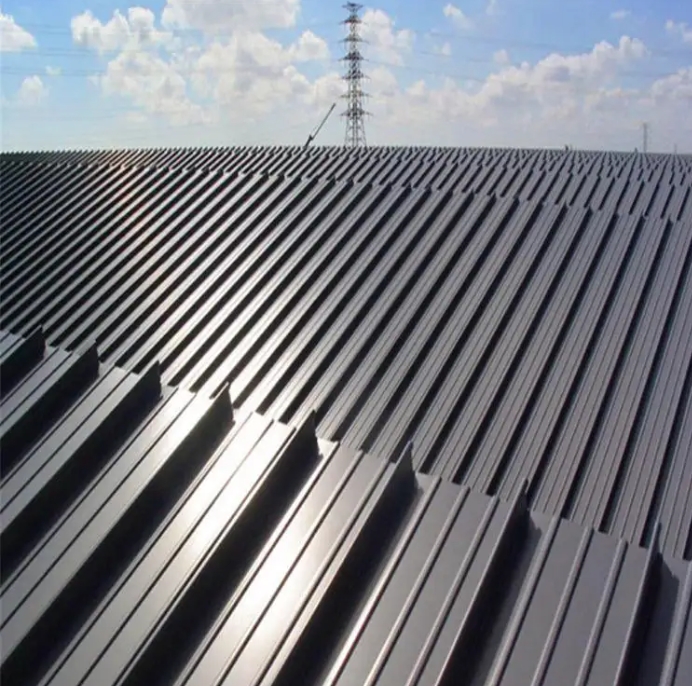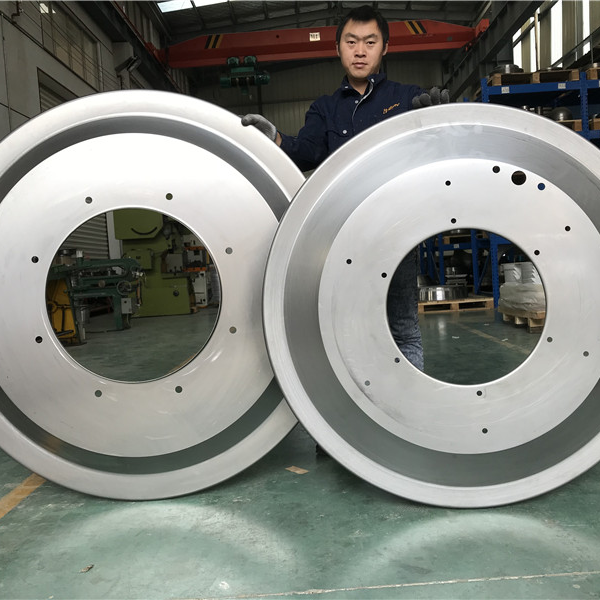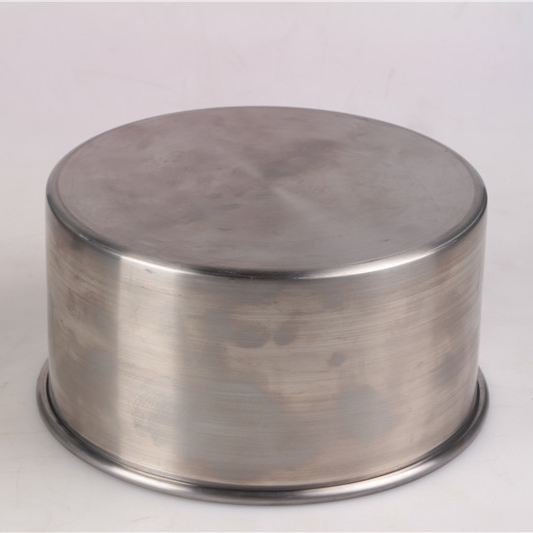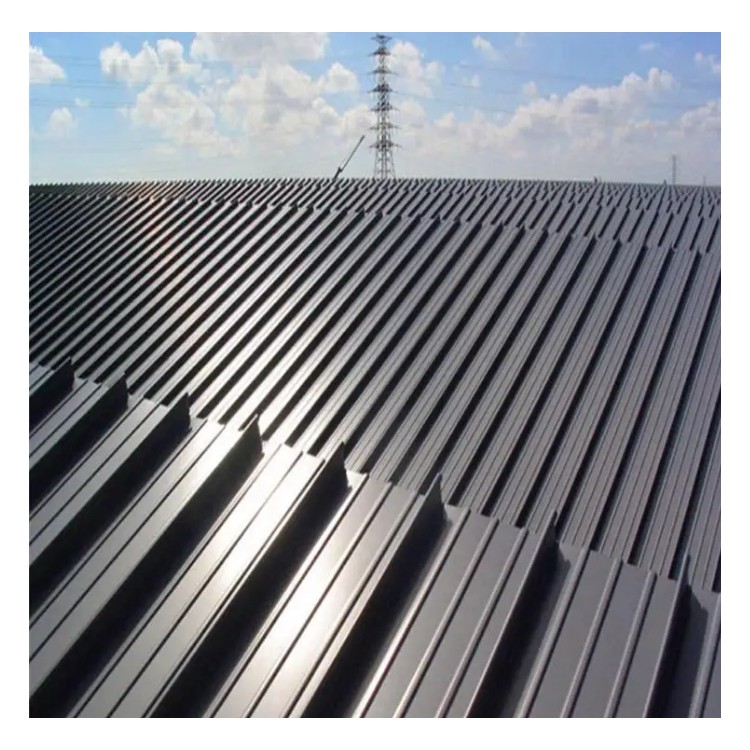













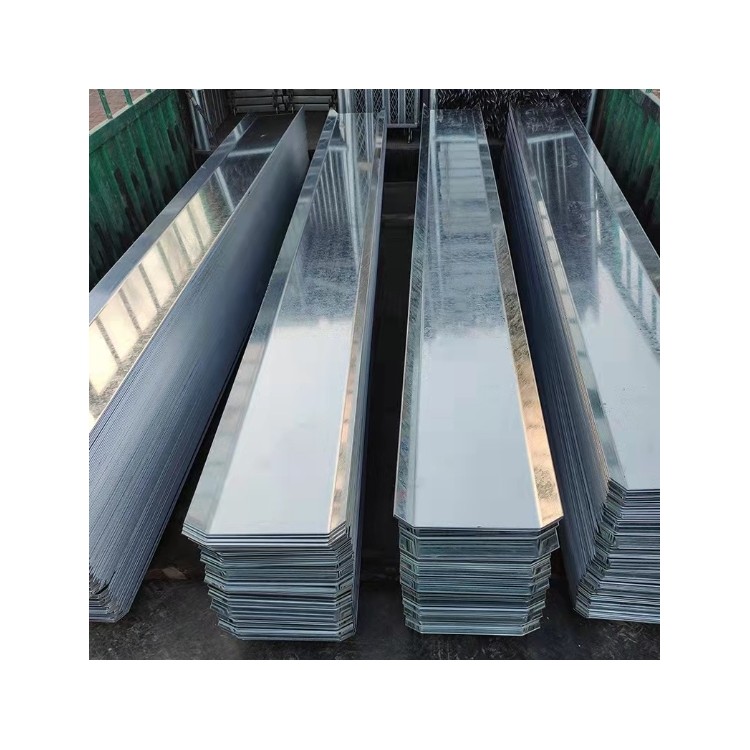
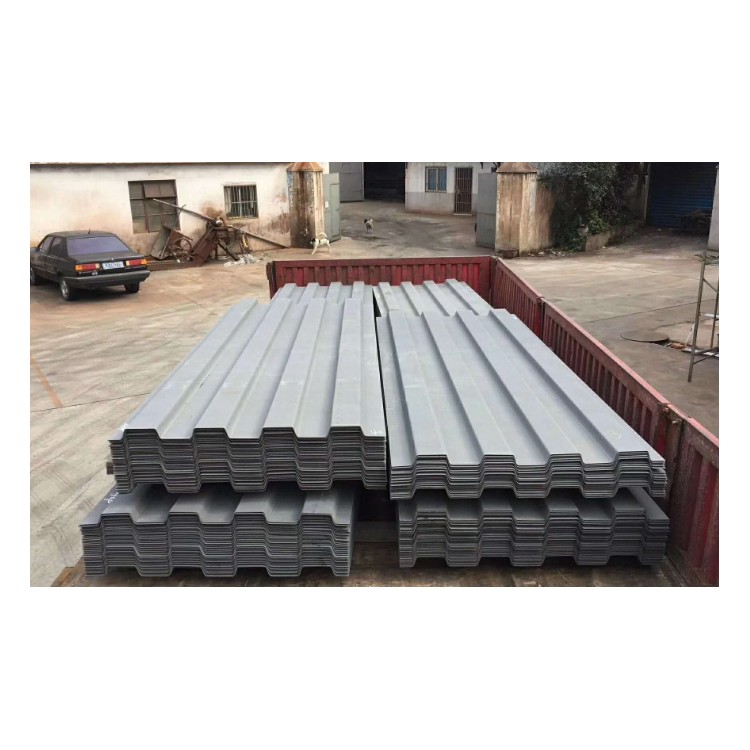
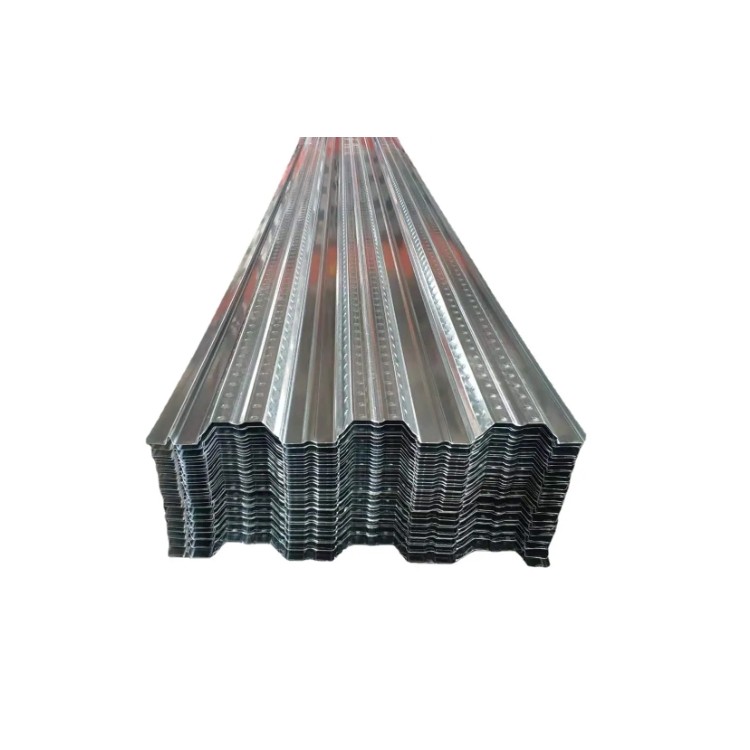
Aluminum-magnesium-manganese sheet is an aluminum alloy material, primarily composed of aluminum, magnesium, manganese, and other elements, processed through specific techniques.
Features:
LightweightAluminum has a density of 2.73 g/cm³, only one-third that of steel, making it easier for transportation and installation.
High strengthThrough proper composition, processing, and heat treatment methods, aluminum magnesium manganese sheets can achieve high strength, meeting various architectural design requirements.
Corrosion-resistantSelf-rustproof, the formed oxide layer effectively prevents metal oxidation and rust, with good resistance to acids and alkalis, and low maintenance costs.
Surface treatment variesAvailable for various surface treatments such as anodizing, electro-phoresis, chemical treatment, polishing, and painting, ensuring both aesthetic appeal and durability.
Excellent conductive propertiesNon-magnetic and low electrostatic discharge sensitivity, preventing electromagnetic interference and reducing flammability in special environments.
Easy to installAluminum metal can be connected by riveting, welding, adhesive bonding, and other methods, offering quick and flexible installation.
Environmental ProtectionReusable and recyclable, it is an ideal green building material for environmental protection.
II. Types and Categories
VarietyAluminum-magnesium-manganese sheets can be divided into various series based on the inherent properties of aluminum, such as Series 1 (pure aluminum), Series 2 (aluminum primarily alloyed with copper), Series 3 (manganese as the main element), Series 4 (silicon as the main element), and Series 5 (magnesium as the main element). Among them, Series 3 is mainly used for construction, with some buildings utilizing Series 1 and Series 5 as well.
CategoriesIn terms of coating, aluminum magnesium锰 plates are mainly divided into painted and unpainted types. The unpainted ones are further categorized into natural boards and hammer-textured boards (also known as orange peel boards), with the hammer-textured boards featuring an uneven, textured surface.
Section 3: Uses and Applications
Construction IndustryAluminum-magnesium-manganese panels, due to their superior performance, are widely used in the roofing and wall systems of airports, aircraft maintenance hangars, train stations and major transportation hubs, conference and exhibition centers, sports venues, showrooms, large public entertainment facilities, public service buildings, large shopping malls, commercial facilities, and residential buildings. Additionally, they can be utilized for interior wall finishes and ceiling decorations, enhancing the aesthetic appeal of the structures.
Industrial sectorAluminum-magnesium-manganese plates have wide applications in the industrial field, such as for manufacturing industrial buildings, warehouses, and equipment casings. Their corrosion resistance and lightweight characteristics make them an ideal choice for industrial equipment.
Other FieldsAluminum-magnesium-manganese plates can be used in various fields such as the automotive industry, aviation manufacturing, electronics and electricals, shipbuilding, sports equipment, household appliances, kitchenware, solar energy, lighting fixtures, office automation, instruments and meters, precision machinery, packaging printing, and advertising displays, based on specific requirements and processing.