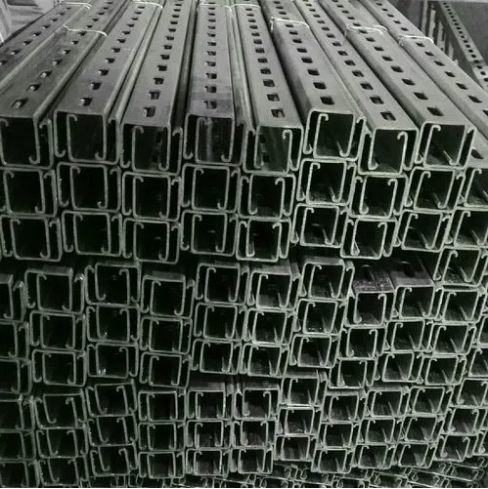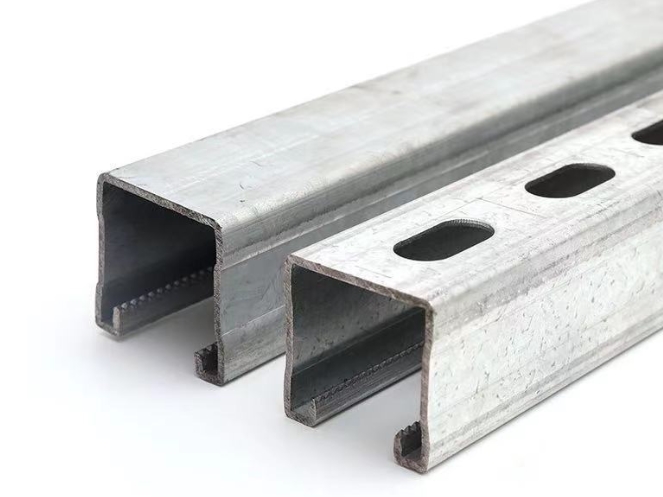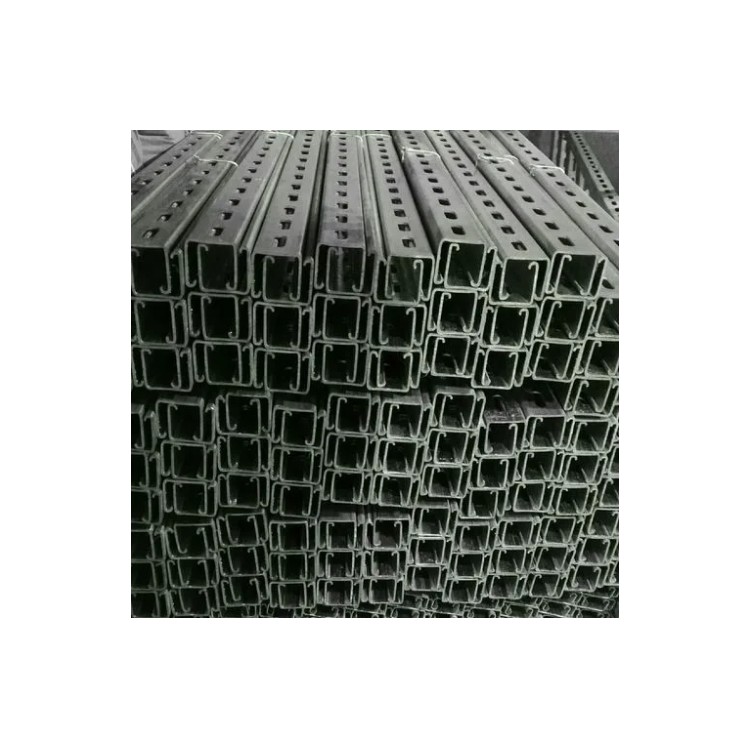













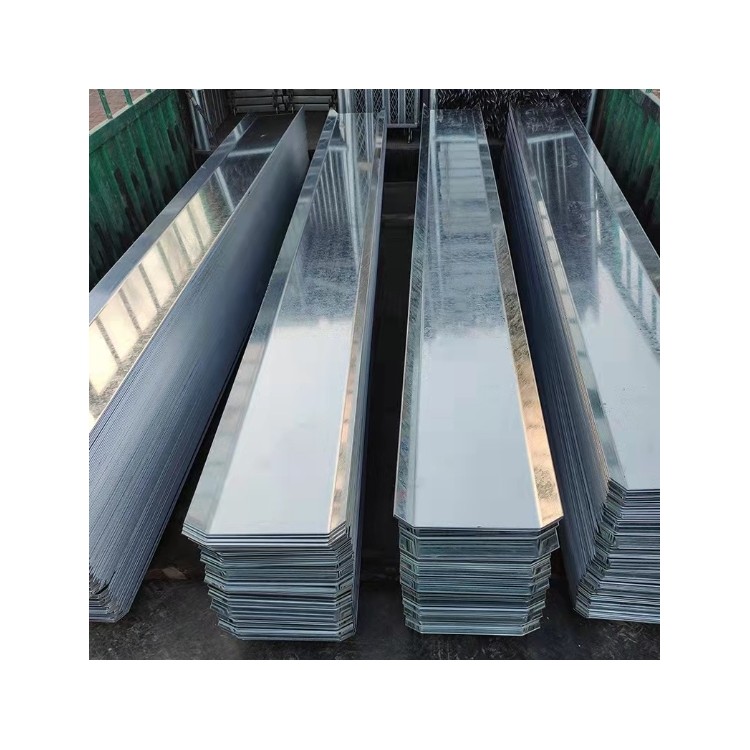
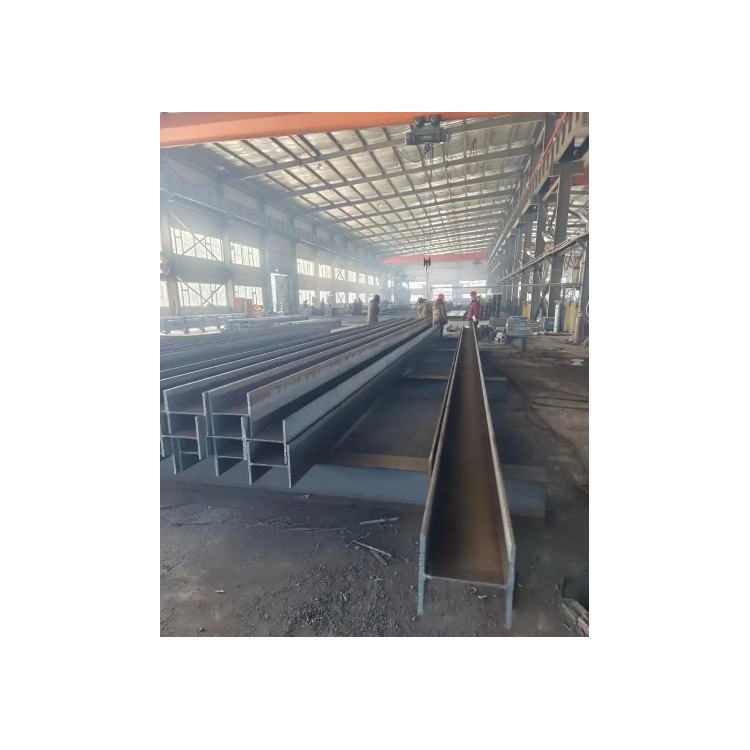
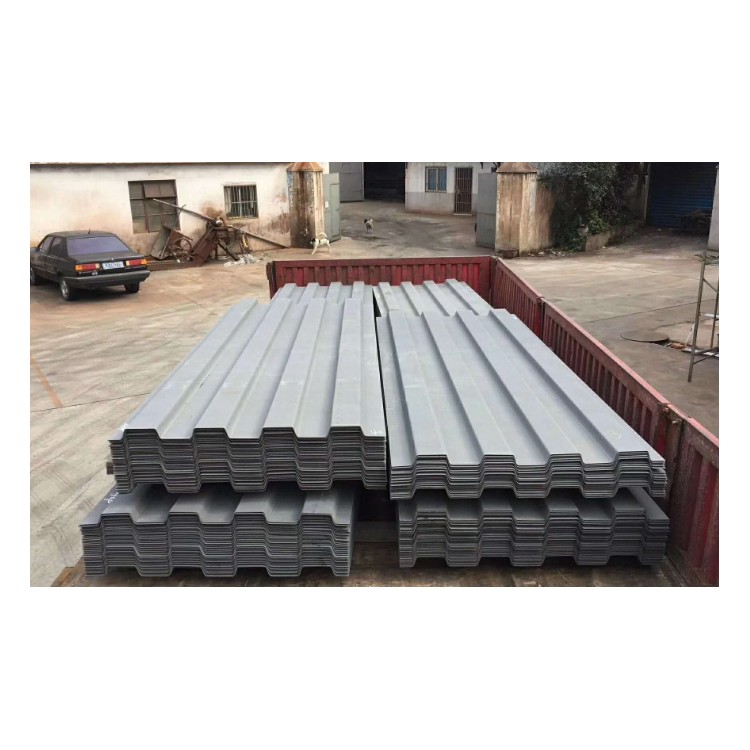
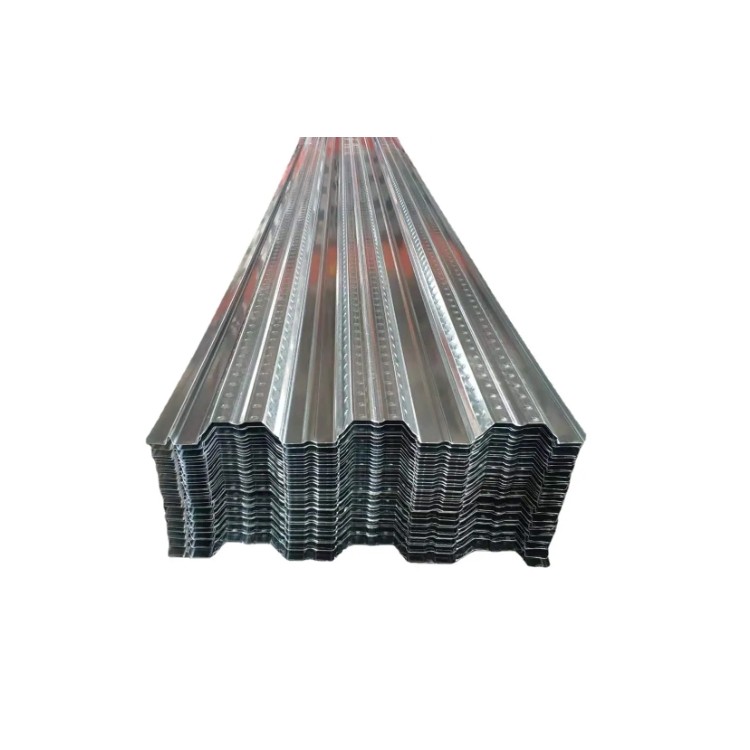
C-channel steel, a common cold-formed thin-walled steel, boasts numerous excellent performance benefits and a wide range of applications.
Performance Advantages of C-shaped Steel
Superior mechanical properties: C-shaped steel boasts high strength, great hardness, and excellent toughness, capable of bearing most of the weight and pressure. This makes C-shaped steel widely used in the industrial field.
Simple structure, easy installation: The cross-section shape of C-shaped steel is simple and the structure is stable, commonly manufactured using cold rolling technology. Moreover, the length of C-shaped steel can be cut and processed as needed, facilitating processing and assembly at the construction site.
High durability: The C-shaped steel is coated with hot-dip galvanized surface treatment, enhancing its resistance to external oxidation, corrosion, and thermal expansion, ensuring a lifespan of several decades or more for the C-shaped steel.
Customizable sensitivity and lightweight construction: With the same beam height, the span of C-shaped steel is 50% larger than concrete structures, allowing for greater flexibility in subsequent construction and installation. Additionally, the lighter weight of C-shaped steel reduces internal forces in the construction plan, simplifies the construction process, and lowers costs.
Increase in Usable Area: Compared to concrete structures, C-shaped steel columns have a smaller cross-sectional area, which allows for an increase in the effective usable area. Typically, this can result in an additional 4-6% of usable space.
Labor and Material Savings: Compared to welding C-shaped steel, C-shaped steel significantly reduces labor and material costs, cutting down on raw material, energy, and labor consumption.
High structural stability: The steel structure, mainly composed of hot-rolled C-shaped steel, is scientifically and rationally designed with excellent plasticity and flexibility. It is suitable for construction structures that can withstand high oscillation and impact loads, possesses strong resistance to natural disasters, and is particularly suitable for construction in seismic zones prone to frequent earthquakes.
Easy to process and install: C-shaped steel is easy to machine, construct connections, and install, as well as to dismantle and reuse.
Applications of C-shaped steel
C-channel steel, due to its unique advantages, is widely used in various fields:
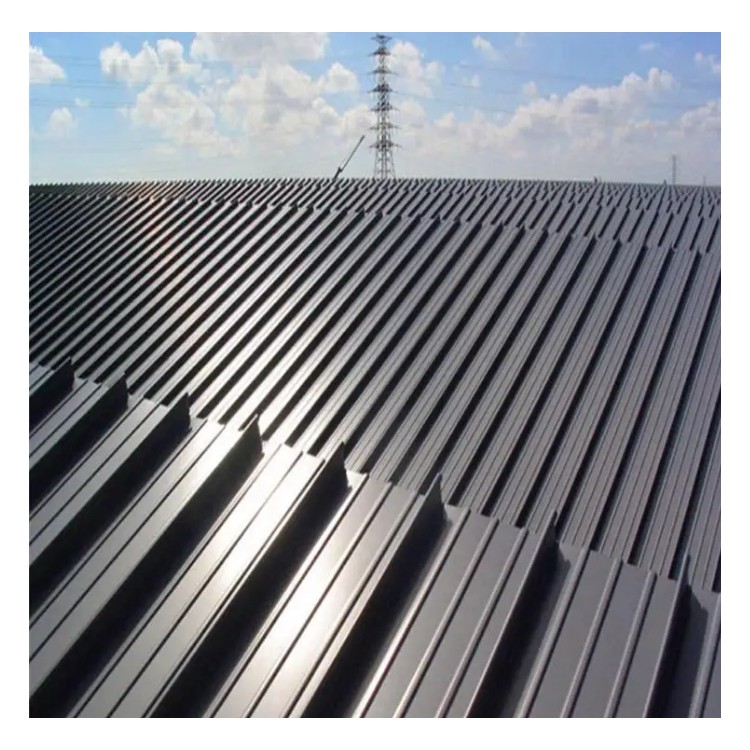
In the construction field, C-shaped steel is commonly used to manufacture structural components such as steel frames, trusses, wall frames, beams, columns, and also for decorative elements like door and window frames, curtain wall frames, partitions, etc. The use of C-shaped steel significantly enhances the stability and seismic resistance of buildings while reducing construction costs.
In the field of mechanical manufacturing, C-shaped steel is commonly used to fabricate machine tool beds, workbenches, shelves, conveyors, and other components. Its excellent mechanical properties and processing capabilities make C-shaped steel a crucial material in the mechanical manufacturing industry.
In the petrochemical industry, C-shaped steel is commonly used for the construction of storage tanks, pipelines, brackets, and other structural components. Its corrosion resistance and high strength characteristics ensure the safe operation of petrochemical equipment.
In the power sector, C-shaped steel is commonly used for constructing transmission towers, utility poles, cable trays, and other components. Its excellent electrical conductivity and mechanical strength ensure reliable power transmission.
Aerospace Industry: In the aerospace industry, C-channel steel is commonly used for manufacturing aircraft structural components and rocket engine casings, among other parts. Its high strength and lightweight characteristics make C-channel steel a crucial material in the aerospace field.
Other Applications: C-shaped steel can also be used for the production of solar panel supports, bridge and tunnel support materials, and as decorative materials in the construction industry.