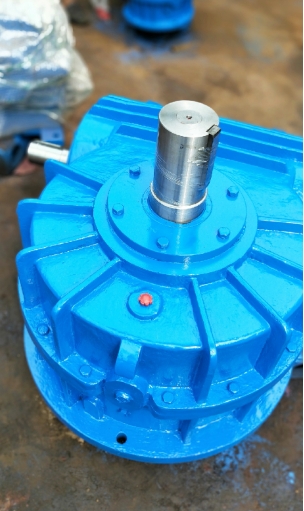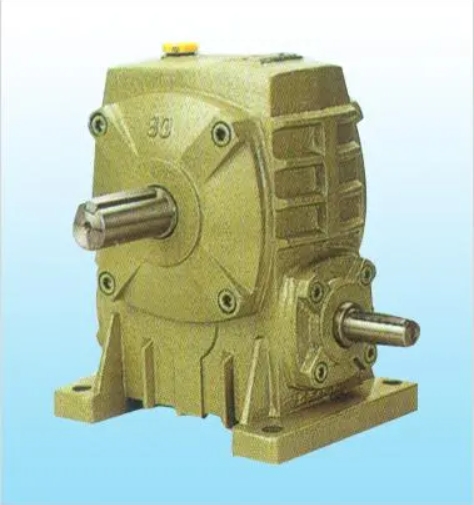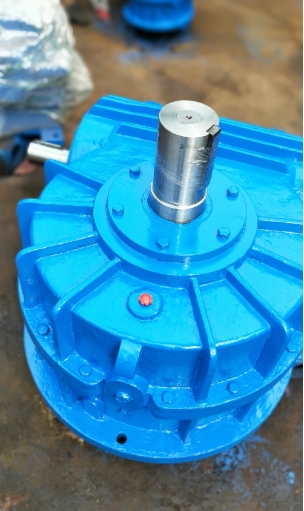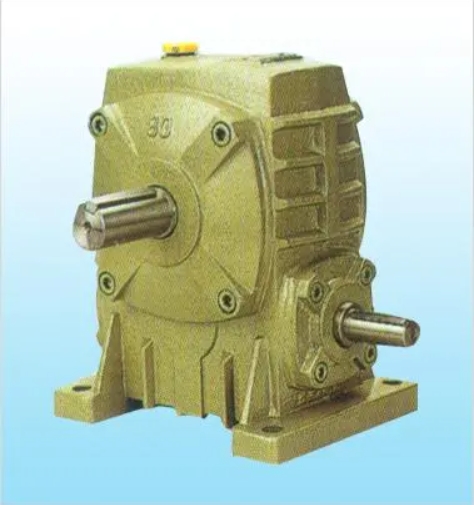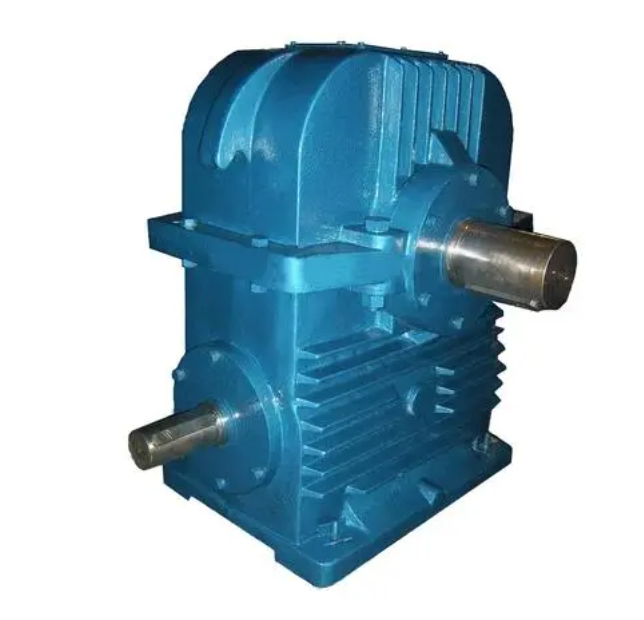


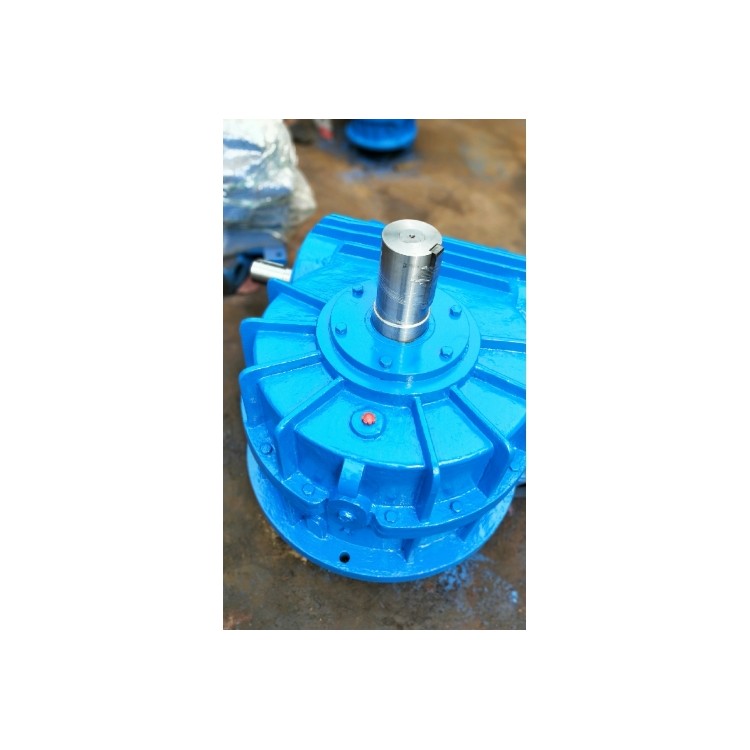
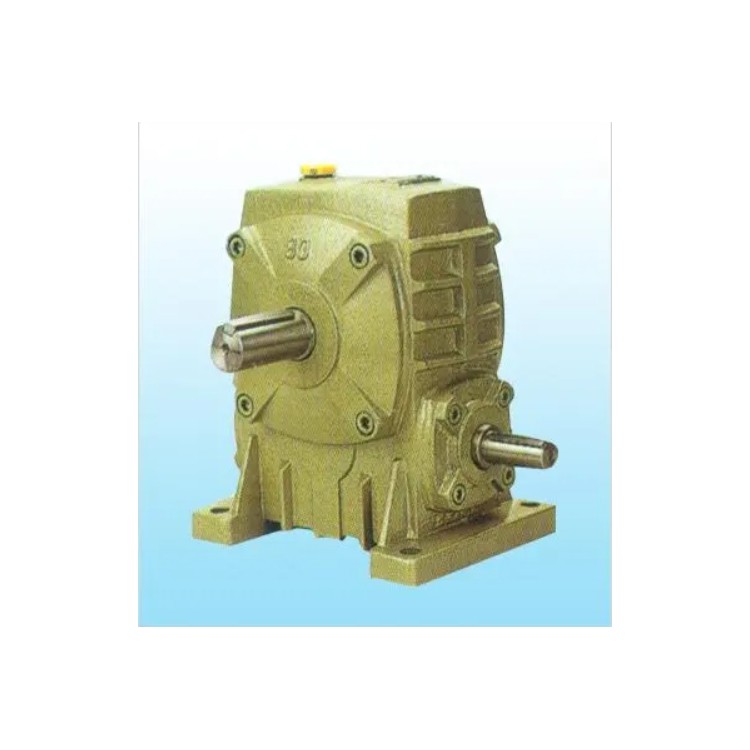
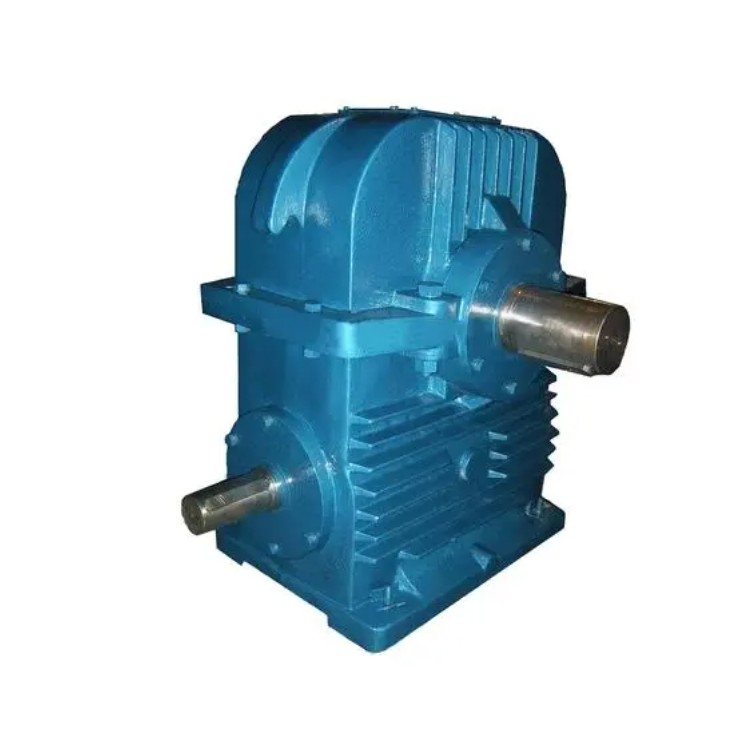












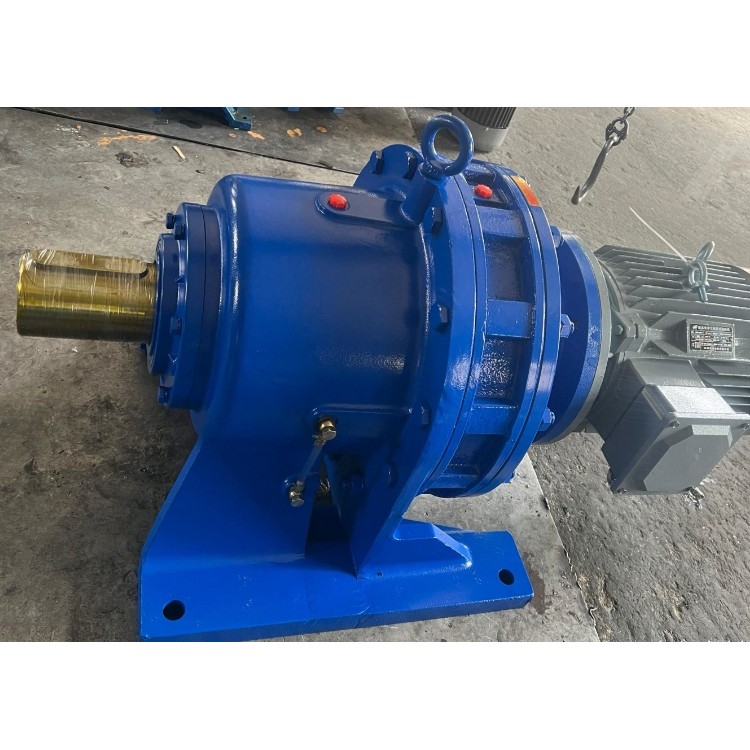
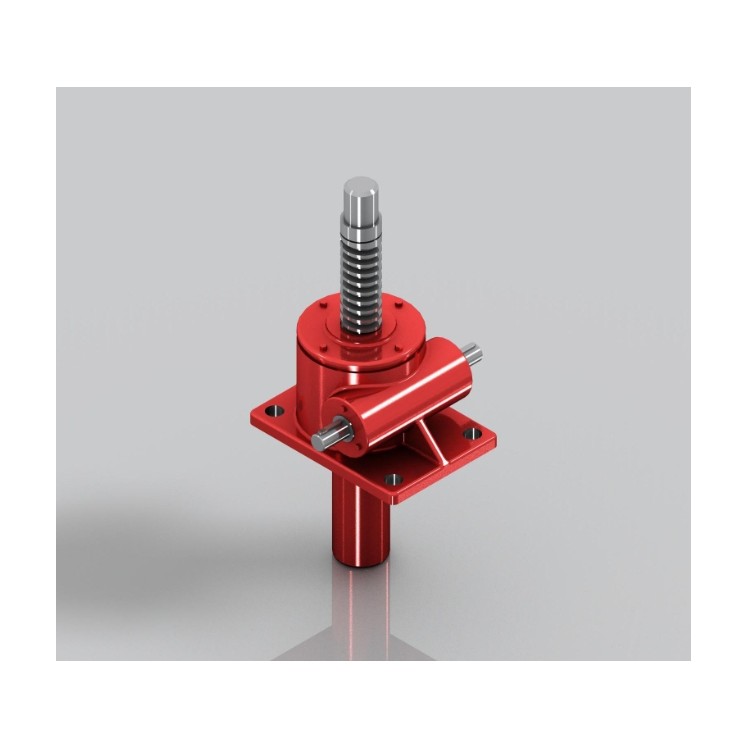
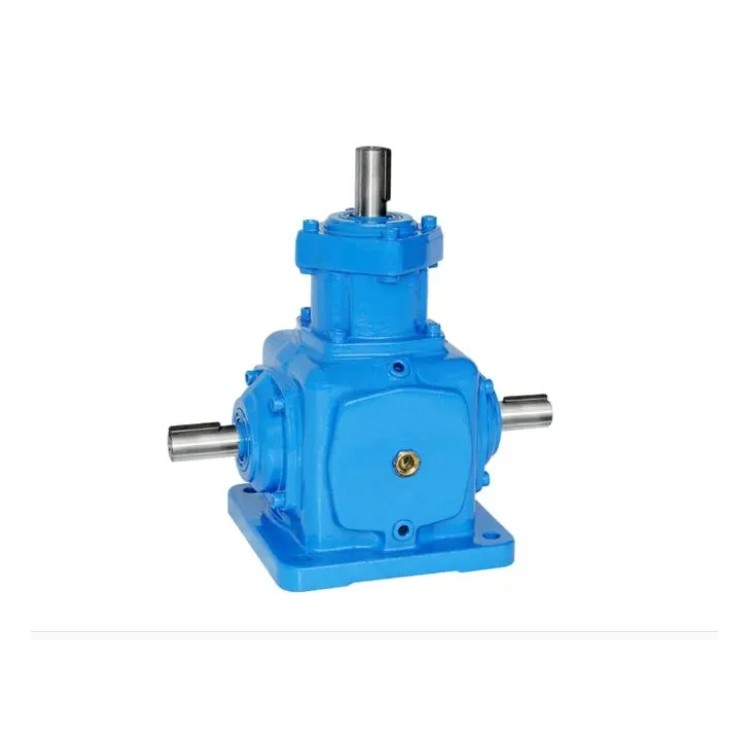

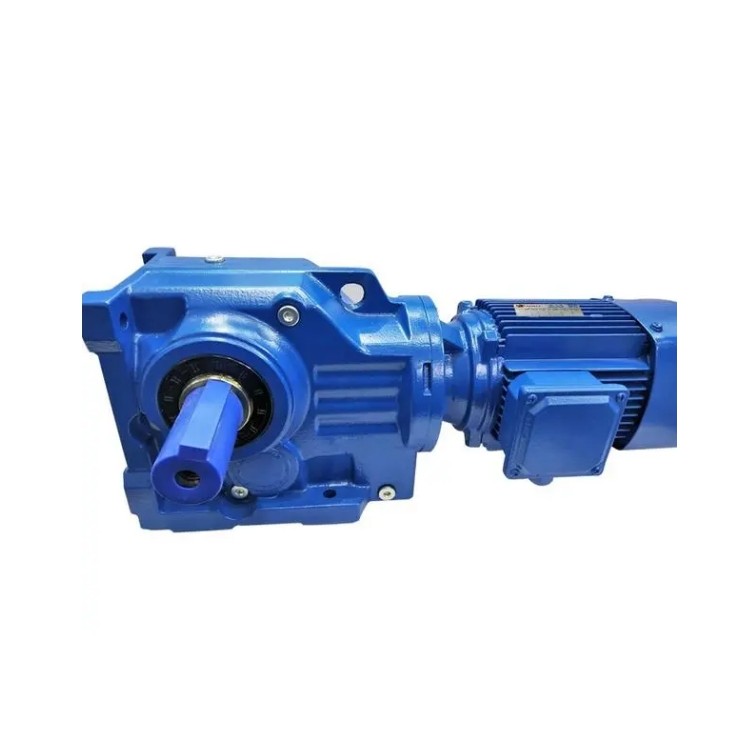
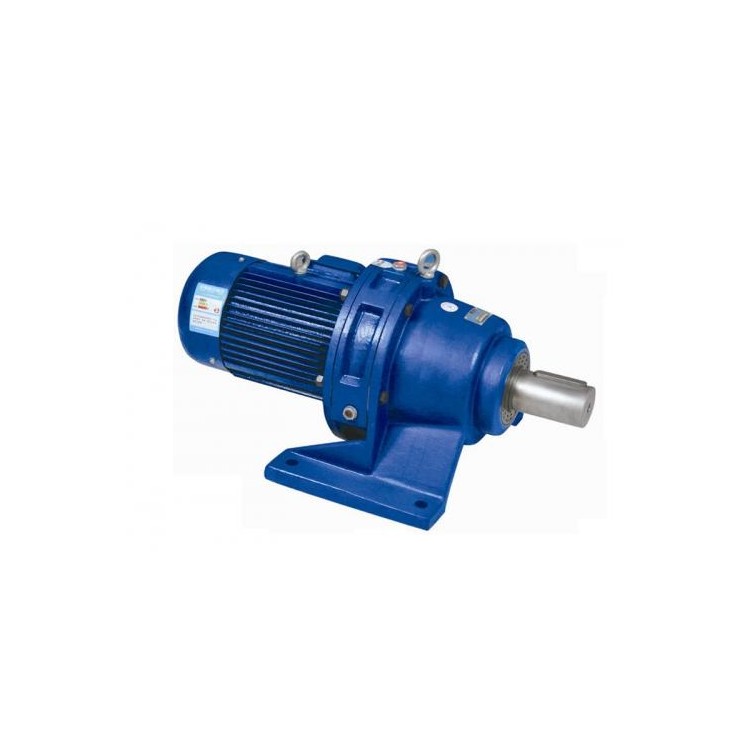
A worm gear reducer is a power transmission device that uses a speed reducer with gears to reduce the rotational speed of an electric motor (motor) to the desired speed and, in the process, achieve a higher torque.
I. Definition and Working Principle
DefinitionThe worm gear reducer converts the high-speed rotation of the motor into a low-speed, high-torque output through the meshing of the worm and worm gear, thereby achieving a reduction in speed.
Operating PrincipleThe motor transmits power to the worm via the shaft, and power is transferred through the meshing between the worm and the worm gear. As the motor drives the worm to rotate, the worm's rotation causes the worm gear to rotate, which in turn changes the worm's speed, slowing it down to achieve a reduction effect. The meshing ratio between the worm and the worm gear determines the degree of reduction, while the number of teeth on the worm gear and the number of spiral lines on the worm determine the transmission ratio.
II. Features and Advantages
High transmission ratioThe reduction ratio of worm and worm gear reducers can reach one-tenth or even higher, thereby allowing for a significant reduction in speed.
Tight structureThe worm and worm gear structure is compact, allowing the reducer's size to be reduced, making it suitable for applications with limited space.
High precisionHigh manufacturing accuracy is required for worm gears and worm shafts, hence their transmission accuracy is also high.
High load capacityDue to the worm gear and worm's rolling friction transmission, they have a high load-bearing capacity.
Low energy consumptionThe worm and worm gear reducer has minimal sliding friction during transmission, resulting in relatively low energy consumption.
Low noiseThe worm gear reducer has low noise during transmission, suitable for applications with high noise requirements.
Section 3: Application Scope
Worm gear reducers are widely used in many fields, including but not limited to:
Crane and transportation machineryCranes, conveyors, elevators, and similar machinery require stable transmission and deceleration. Worm gear reducers can meet these needs.
Metallurgical and Mining MachineryIn mining operations, equipment such as crushers, ball mills, and coal mills require worm gear reducers for speed reduction and power transmission.
Chemical MachinerySump reactors, mixers, centrifuges, and the like benefit from the smooth transmission and low noise characteristics of worm gear reducers, making them ideal transmission devices in chemical machinery.
Construction EquipmentScrew conveyors, hoists, conveyer belts, and the like; the stability and efficiency of worm gear reducers make them an essential transmission device in construction machinery.
Other fieldsIn sectors such as shipping, aerospace, and energy, worm gear reducers play a crucial role as well.
IV. Types
Worm gear reducers can be categorized into various types based on different designs and applications, each with its unique advantages and scope of use, mainly including:
Basic worm gear reducerComprised of basic components such as worm gears, worm wheels, housing, bearings, and seals, it boasts advantages like a simple structure, smooth transmission, low noise, and easy maintenance.
Hollow shaft worm gear reducerThe input end of the worm gear is designed as a hollow shaft, allowing for easy connection with other transmission devices. It is suitable for applications requiring a compact structure and high transmission efficiency.
Two-stage worm gear reducerAchieved through two-stage worm and worm gear transmission for higher reduction ratios, suitable for applications requiring greater transmission ratios.
Screw Gear Reducer with Variable SpeedEquipped with speed regulation function, the transmission speed is controlled by installing a speed regulation device (such as a variable frequency drive, speed control motor, etc.) on the worm shaft.
Helical Bevel Gear Pinion Reduction GearboxCombining worm and worm gear transmission with cycloidal pinion transmission, it features smooth operation, low noise, high load-bearing capacity, and high efficiency.
5. Maintenance and Inspection
Routine maintenanceEnsure adequate lubrication during use and replace it regularly. Additionally, perform routine cleaning of the reducer, especially in harsh operating environments, to ensure timely maintenance.
Fault RepairWhen worm gear reducer malfunctions, corresponding maintenance is required. Common issues include bearing damage, overheated bearings, aged seals, and gear wear. To address these problems, appropriate repair methods must be employed, such as replacing bearings, lubricants, seals, or gears.
In summary, worm gear reducer, as an essential transmission device, has found extensive application in modern industry. Its unique reduction effect and stable transmission performance make it an indispensable part of many mechanical equipment.
.jpg)