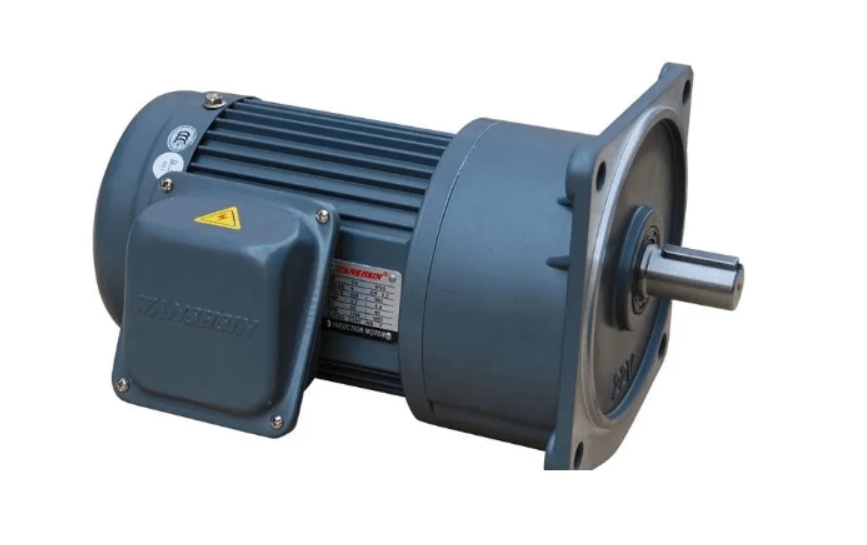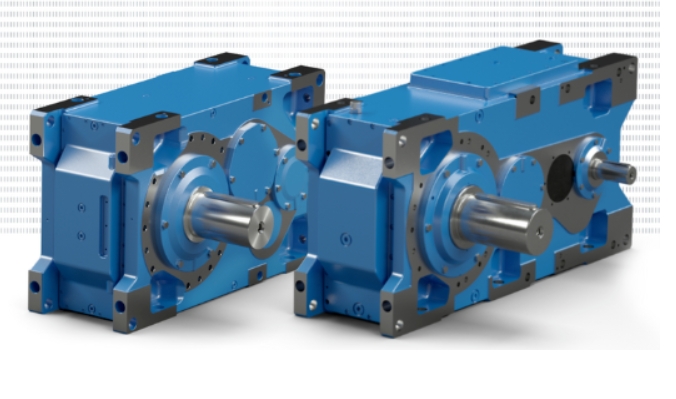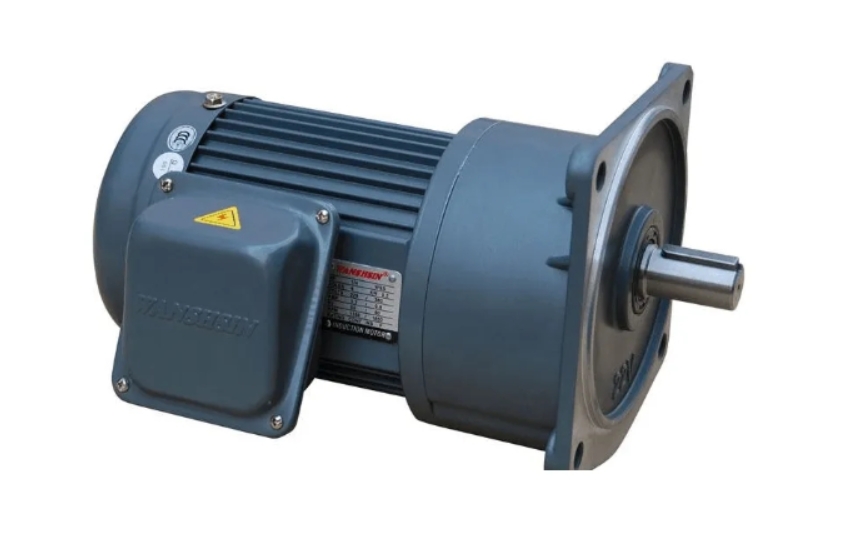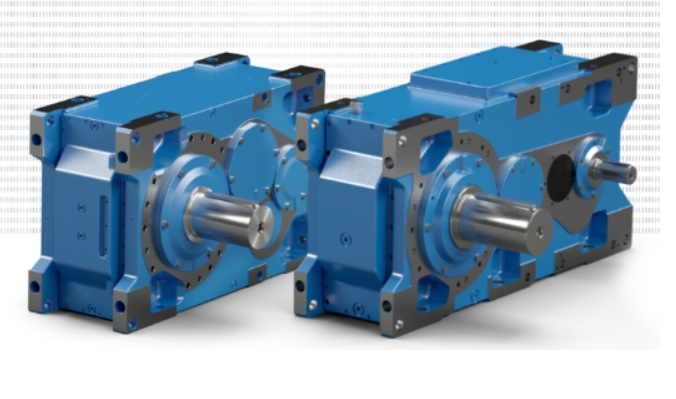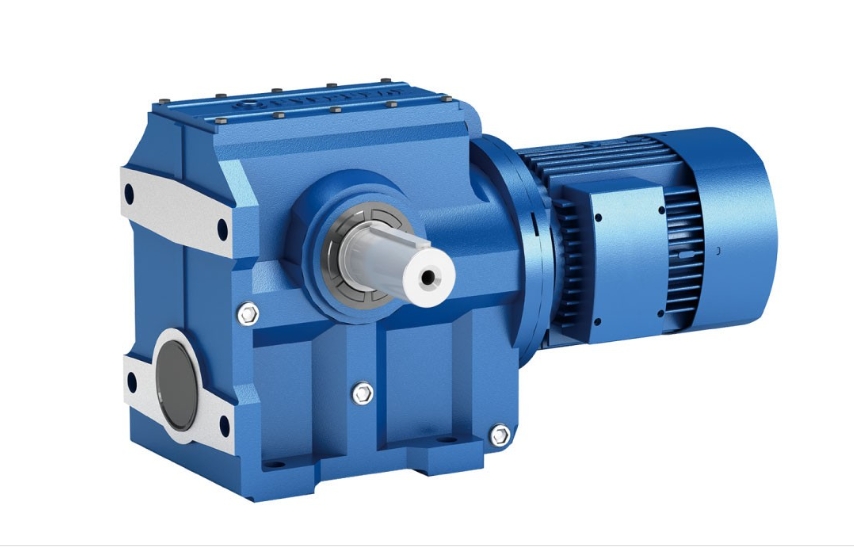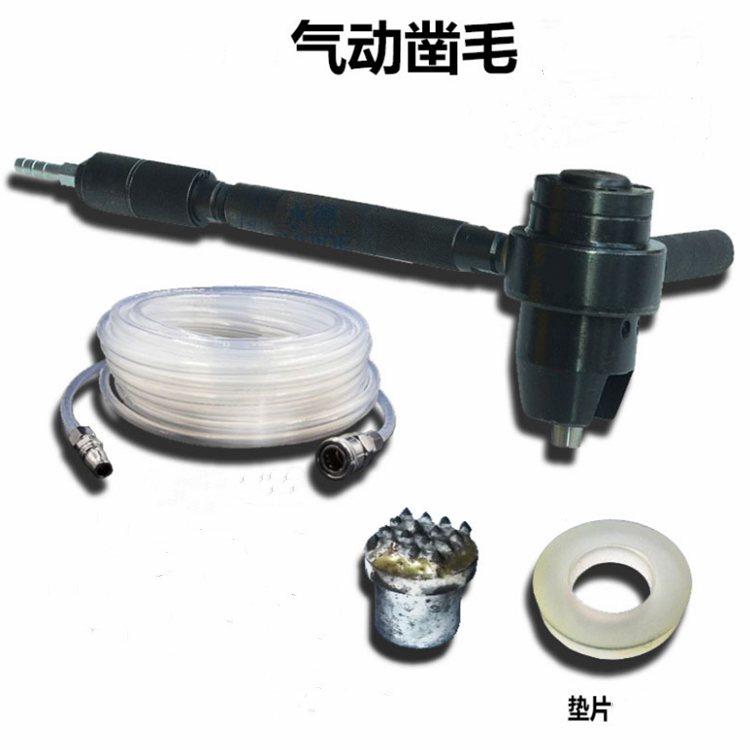

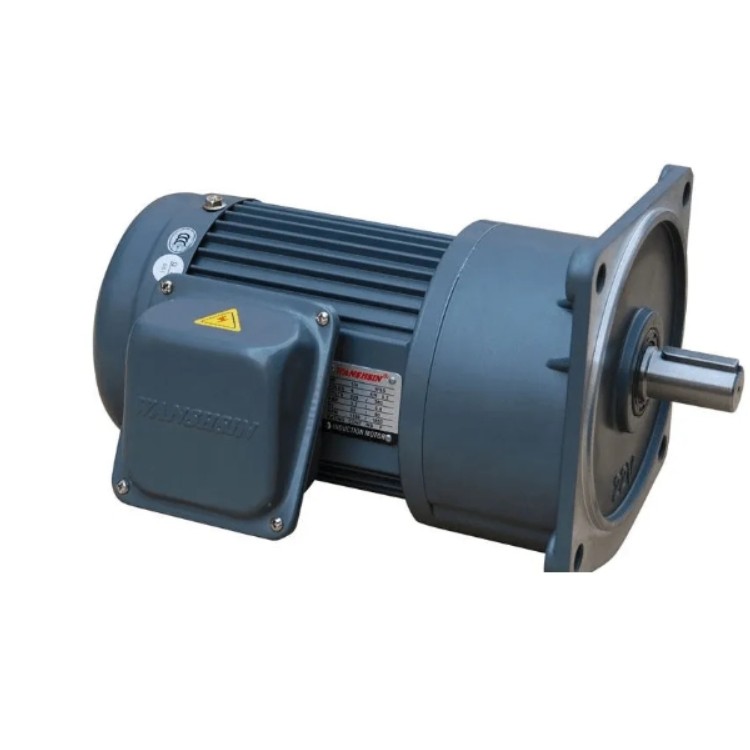


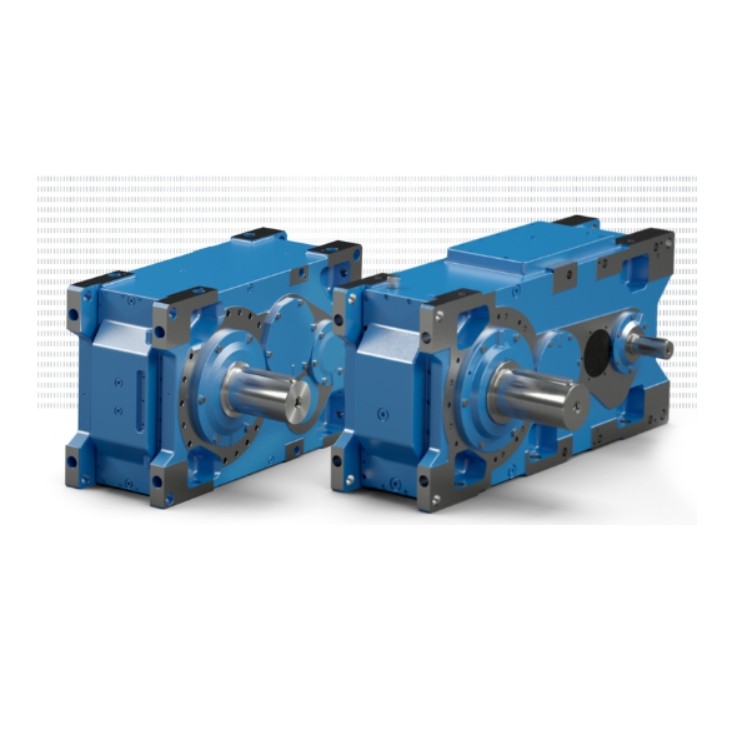
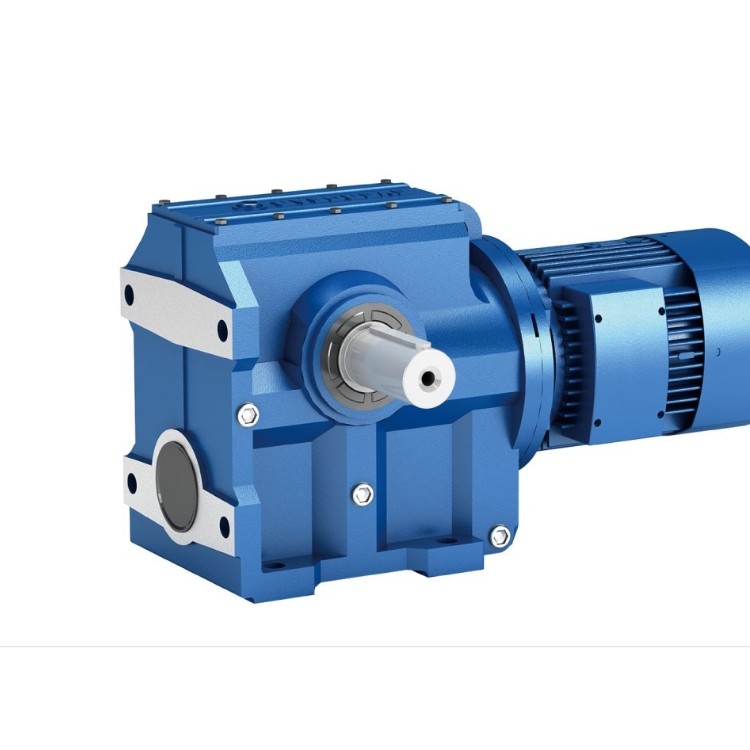


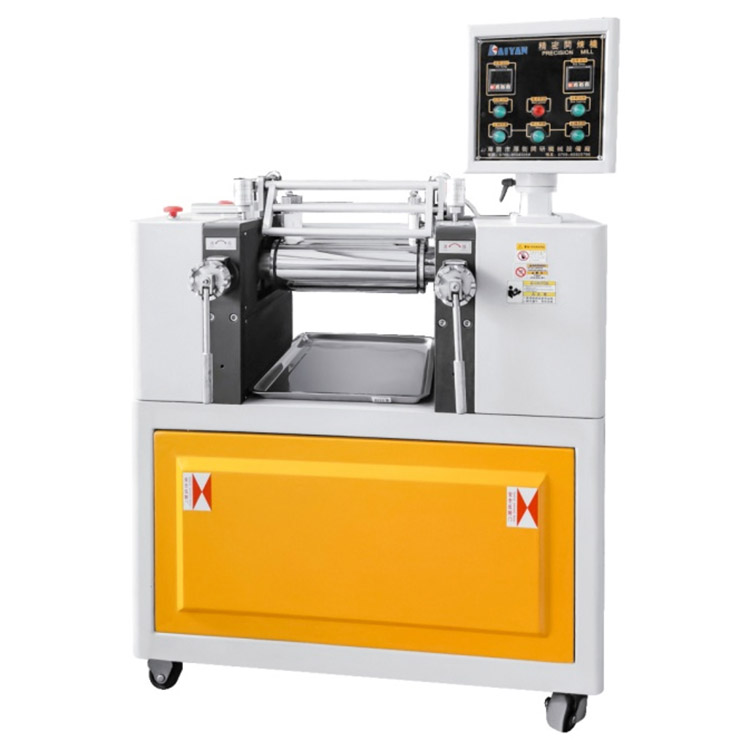









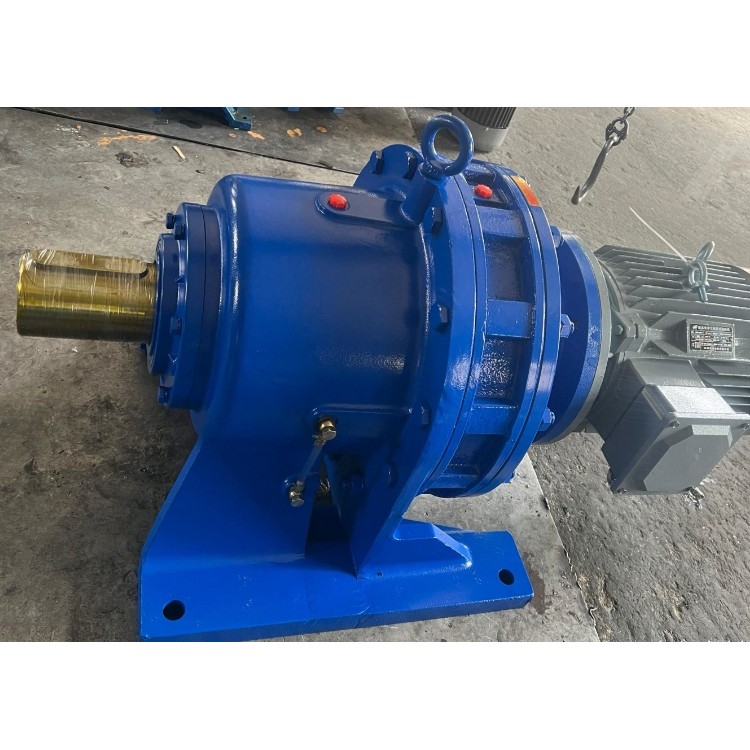
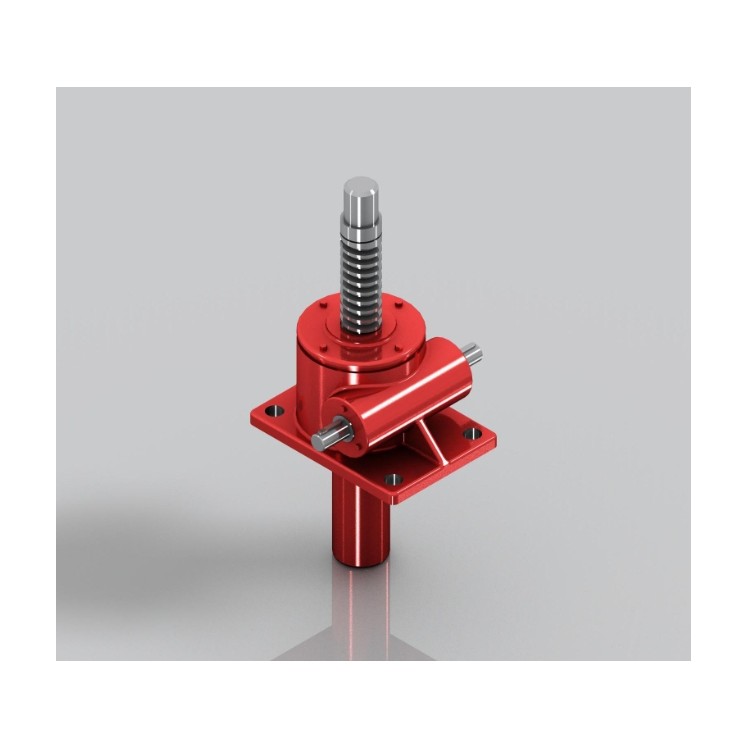
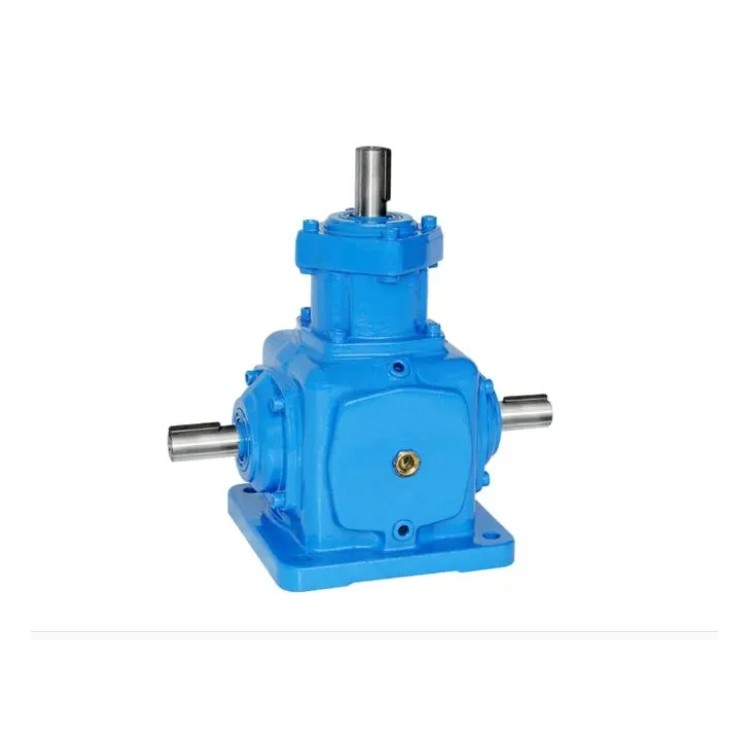

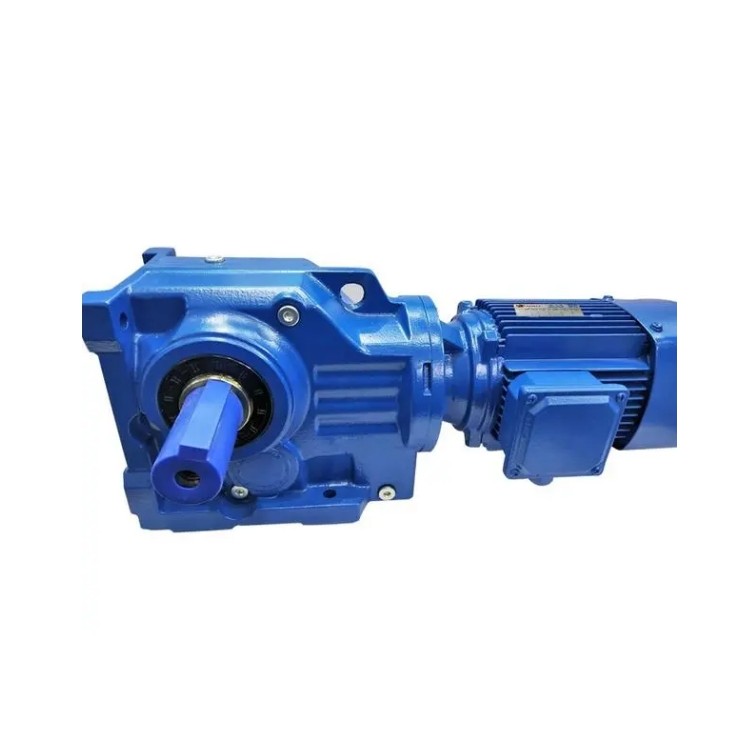
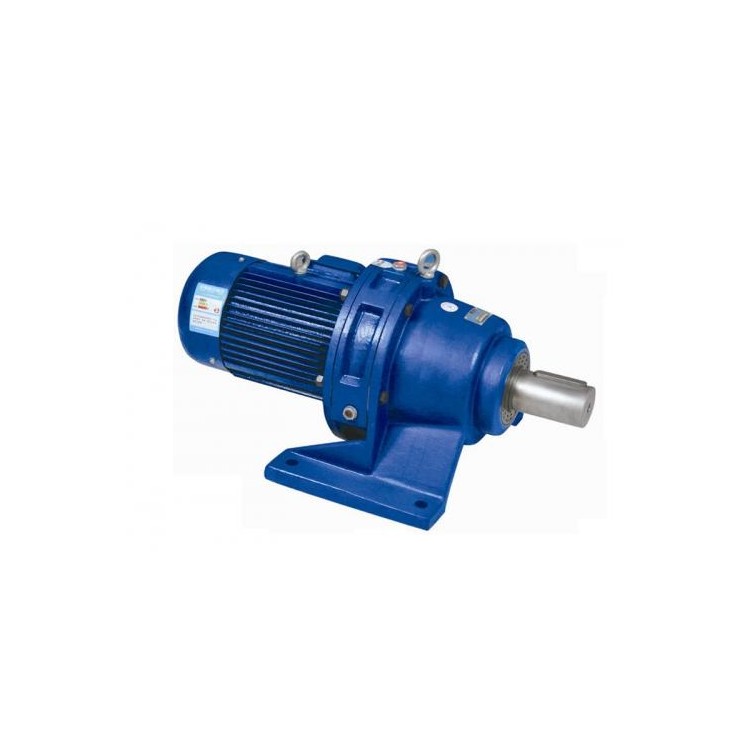
Gearbox reducers are standardized mechanical transmission devices that primarily achieve speed reduction through the transmission of multiple gears, thereby increasing output torque.
I. Definition and Principles
DefinitionGearbox reducer is a device that uses various gears to reduce speed, commonly used in transmission systems requiring low speed and high torque.
PrincipleBy driving the large gear with a small gear on the input shaft, the speed is reduced and the torque is increased. A multi-stage gear structure can further decrease the speed and increase the output torque.
Section II: Application Scope
Gear reducers are widely used in various fields due to their simple structure, stable torque transmission, and efficient power transmission, among other advantages, including but not limited to:
Machinery manufacturingDrives systems for industrial machinery, machine tools, textile machinery, etc.
Heavy machineryAs for concrete mixers, waste soil trucks, mining equipment, etc., these machines require high-torque output.
TransportationAutomotive, train, and ship propulsion systems.
Electric Power IndustryVariable speed control systems for gas turbines, wind turbines, and hydroelectric generators.
AerospacePower transmission and RPM control for aircraft engines.
III. Features and Advantages
High transmission efficiencySingle-stage transmission efficiency can reach over 96.5%, and multi-stage transmission efficiency is also high.
Operates smoothlyHigh gear precision and good contact result in smooth operation and low noise.
High load-bearing capacityGears are made from high-strength materials, offering excellent load-bearing capacity.
Easy to maintainCompact structure, easy for disassembly and installation.
IV. Technical Specifications
High-speed shaft RPMTypically not exceeding 1500 rpm, some models can reach up to 3000 r/min.
Work environment temperatureTypically -40℃ to 45℃, with some products capable of withstanding higher temperatures.
Transmission RatioAvailable for custom design with different gear ratios, typically ranging from 2.5 to 50.
V. Maintenance and Inspection
Routine maintenanceMaintain equipment and surrounding area clean, regularly check oil levels and quality, and be attentive to any abnormal vibrations or noises.
Regular inspectionsIncluding measurements of bearing vibration and checking gear wear to ensure proper equipment operation.
Maintenance CycleRanging from minor, medium, to major repairs, based on equipment usage and manufacturer recommendations.
VI. Types and Selection
TypeGear reducers come in various types, such as straight gear reducers, helical gear reducers, and worm gear reducers, etc., suitable for different application scenarios.
ChooseWhen selecting a gear reducer, consider factors such as the machine's operating speed, load torque, additional features, and refer to technical documents like the manufacturer's output torque table.
In summary, the gear reducer is a crucial mechanical transmission device, playing a key role in numerous fields. With the continuous advancement of technology and the expansion of application areas, the performance of gear reducers will continue to improve, bringing more convenience and benefits to the production of various industries.