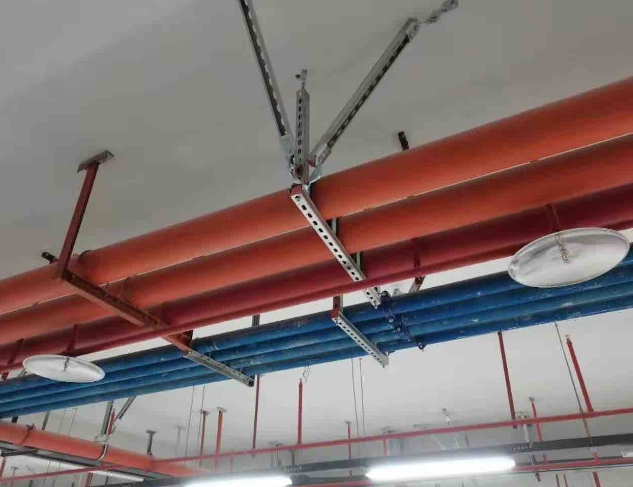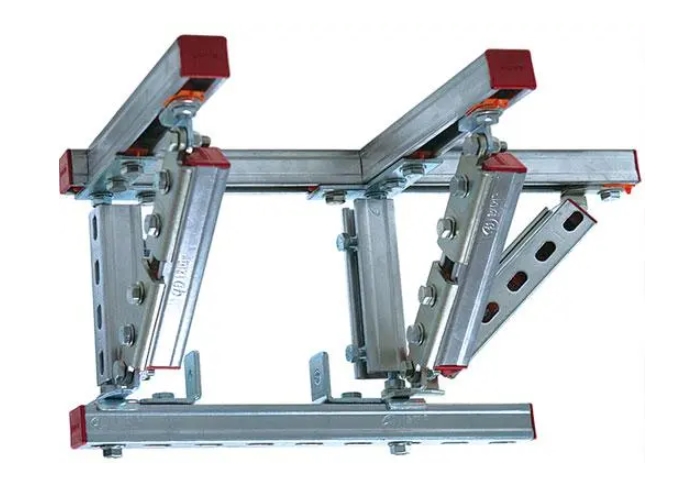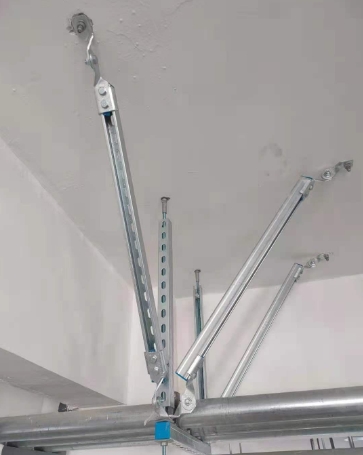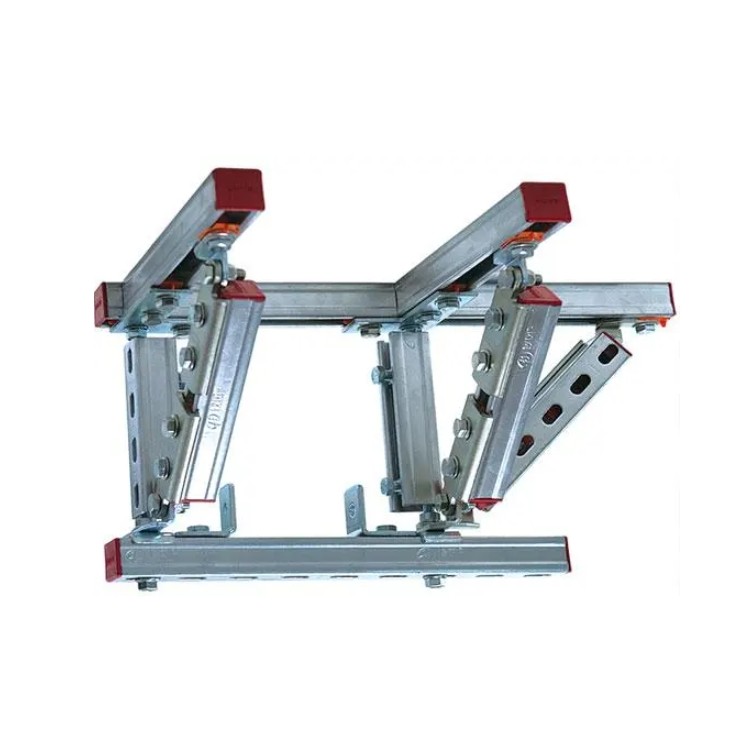

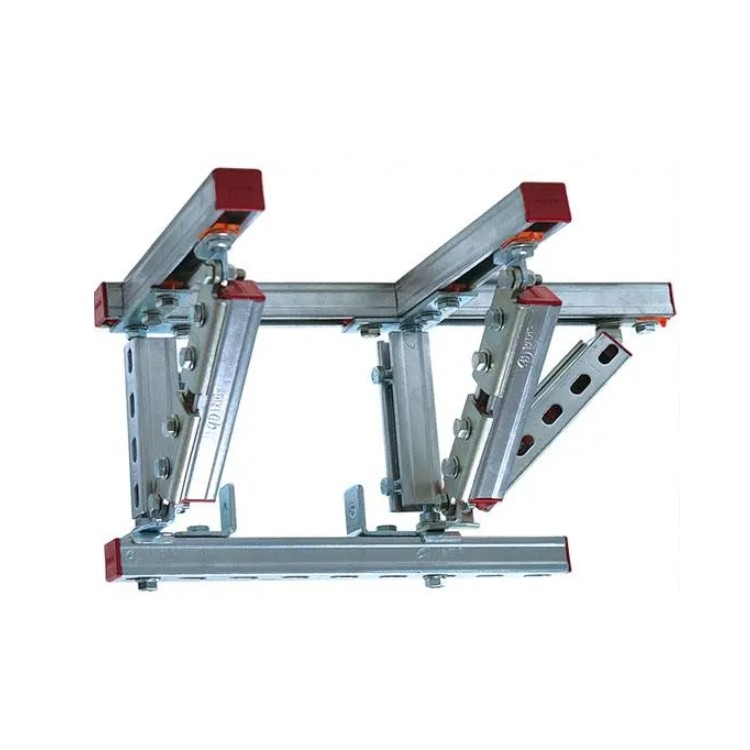
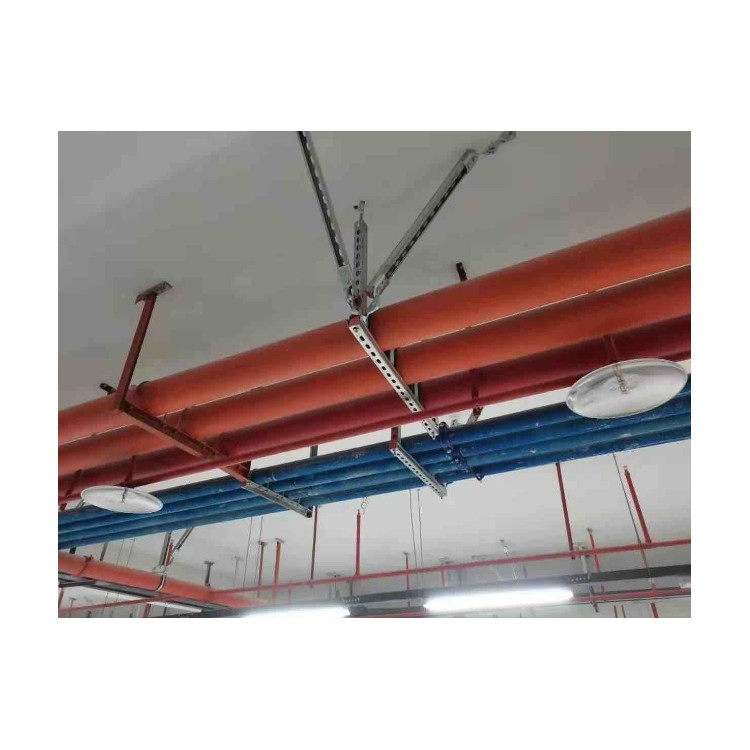









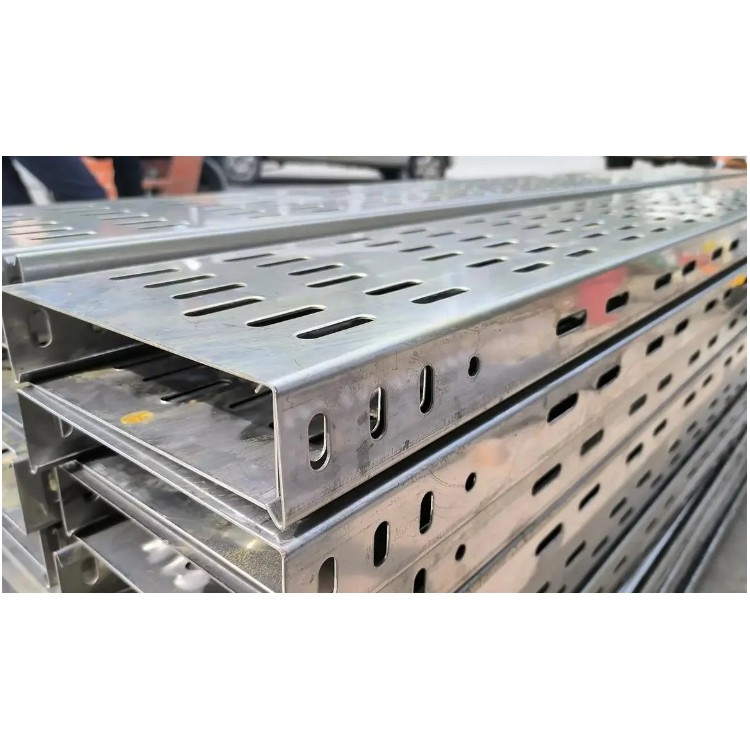
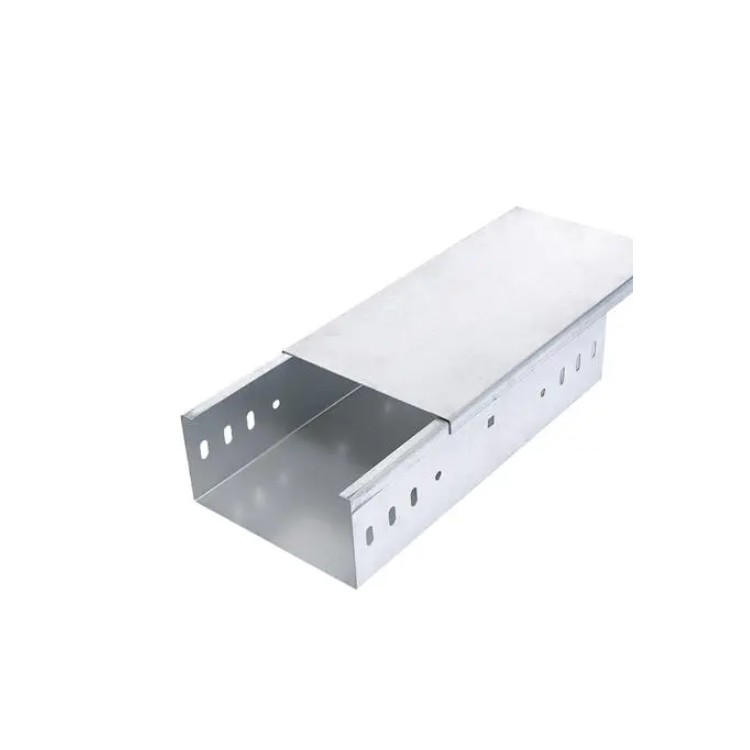
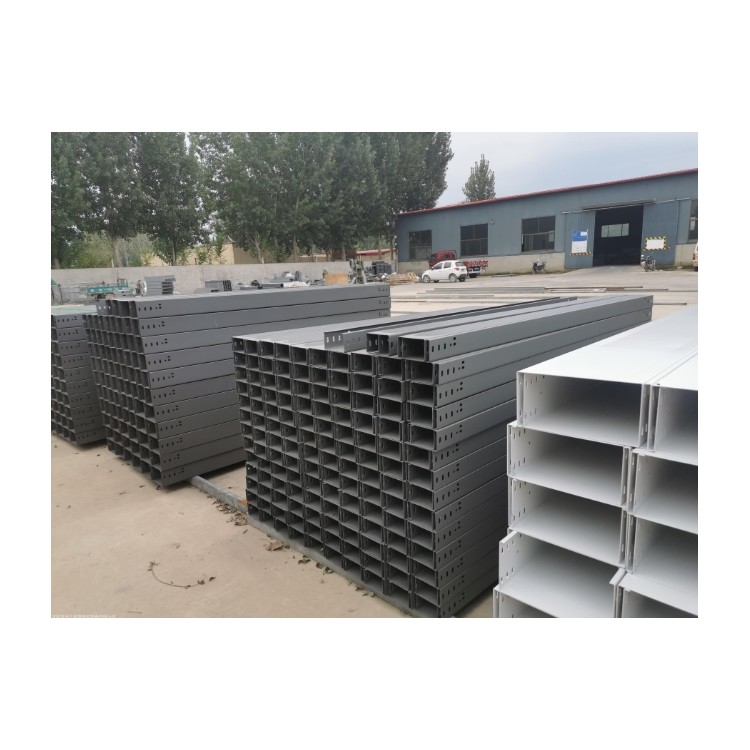
An earthquake-resistant bracket is a structural support device used to enhance the seismic capacity of buildings. It is mainly used to support piping systems such as water pipes, air ducts, and bridge structures, and provides seismic support. Below is a detailed explanation of earthquake-resistant brackets:
I. Definition and Function
DefinitionBased on GB50981-2014 "Seismic Design Code for Building Mechanical and Electrical Engineering," seismic brackets are defined as "seismic support facilities that are firmly connected to the building structure and primarily subjected to seismic forces. They consist of anchor mass, reinforced hangers, seismic connection components, and seismic diagonal supports."
FeaturesInstalling seismic brackets can prevent and reduce damage to mechanical and electrical equipment within buildings from earthquakes, mitigate the hazards of earthquakes, and protect people's lives and property.
II. Categories
There is a wide variety of seismic bracing categories, which can be classified according to different standards:
Categorized by Application:
Pipe抗震bracing:Used to support the pipeline system.
Air duct seismic bracket: Used to secure the air duct system.
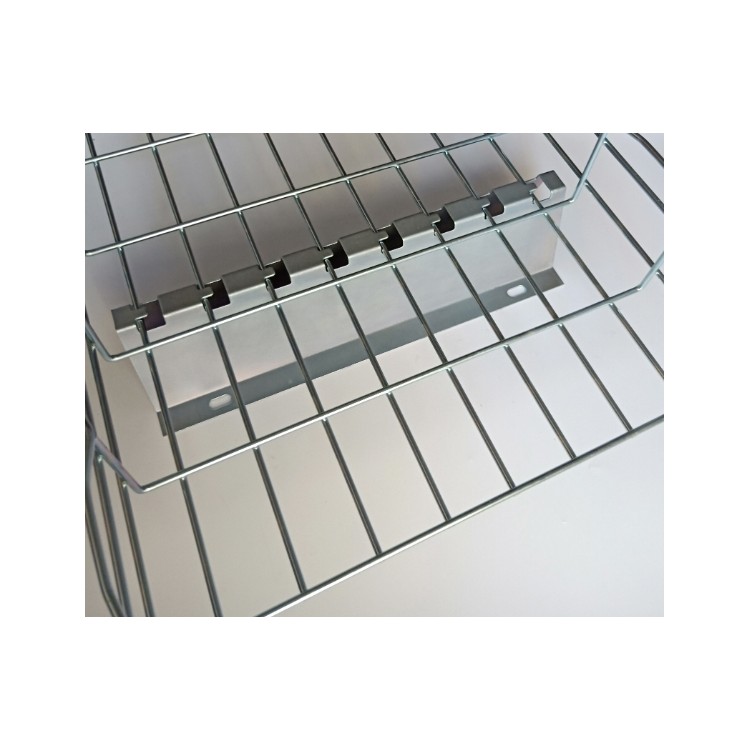
Bridge support bracket: Used to support the bridge system.
Categorized by structural forms:
Hanging seismic bracket: Fixed using hoisting method.
Supporting seismic bracing: Connected by a supporting structure.
Door-type seismic brace: Composed of more than two seismic braces.
Categorized by material:
Seismic Steel Bracing: High strength, strong load-bearing capacity, easy installation, but high price.
Concrete seismic brackets: Affordable, easy to install, but with lower load-bearing capacity.
Categorized by installation method:
Concealed seismic support bracket: Pre-installed in the building structure, aesthetically pleasing.
Surface-mounted seismic bracket: Installed on the surface of the building structure, easy to maintain and replace.
Section 3: Application Fields
Seismic bracing is widely used in various structures, bridges, pipelines, and other engineering projects to enhance their stability and safety during earthquakes:
Residential buildingStrengthen and renovate in the basement or on the first floor to enhance overall seismic resistance.
Public BuildingsIncluding schools, enhance seismic resistance by reinforcing structural connections, improving structural rigidity, and reducing structural vibrations.
Industrial ConstructionIn large factories, warehouses, power plants, and other buildings, enhance load-bearing capacity to ensure the safety of production equipment and personnel.
BridgeStrengthening bridge piers and connections in large-span, highway, and heavy-load bridges to enhance seismic resistance.
Piping SystemStrengthen the structural connections in pipeline systems in the petrochemical, power, water supply, and gas supply industries to enhance their seismic resistance.
IV. Installation and Mounting Methods
The installation method of seismic brackets should be determined based on the main structure of the project and the actual layout of the mechanical and electrical piping on-site. Common fixing methods include:
Anchor methodInstall seismic bracing on concrete structures using expansion bolts or chemical anchors.
Bolt methodSecure seismic brackets to the steel structure with high-tensile bolts.
Steel beam methodAnchor the seismic brackets to the steel beams and connect them through connecting components.
Welding methodWeld the seismic bracket to the building structure to form a sturdy connection (note that welding quality and technique must comply with relevant standards).
In summary, seismic bracing plays a crucial role in construction projects, enhancing the seismic resistance of buildings and safeguarding the safety of people and property. Therefore, careful consideration should be given to the selection and installation of seismic bracing during the design and construction phases to ensure its effectiveness and reliability.