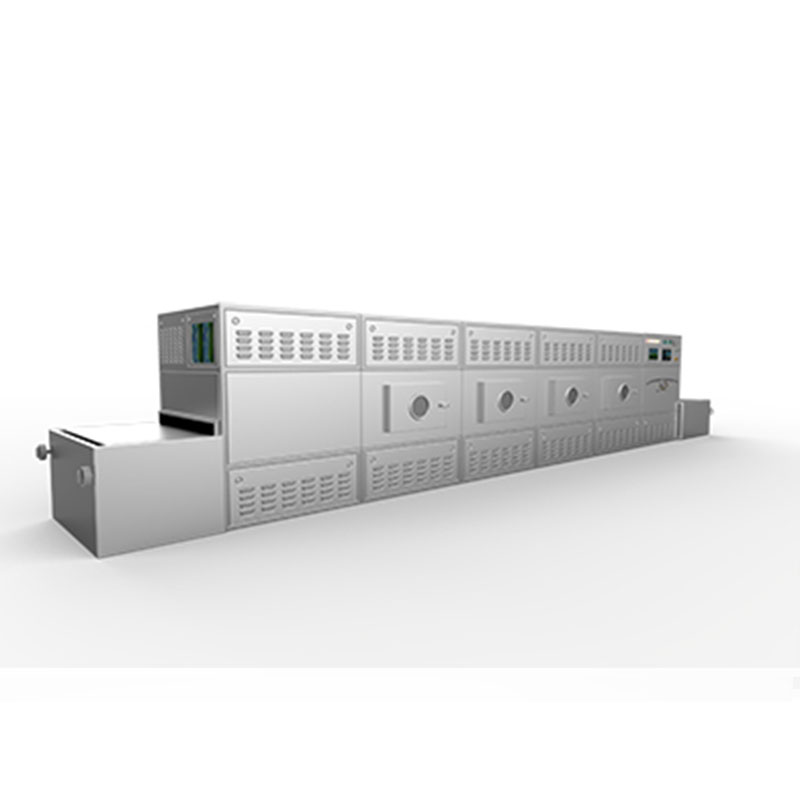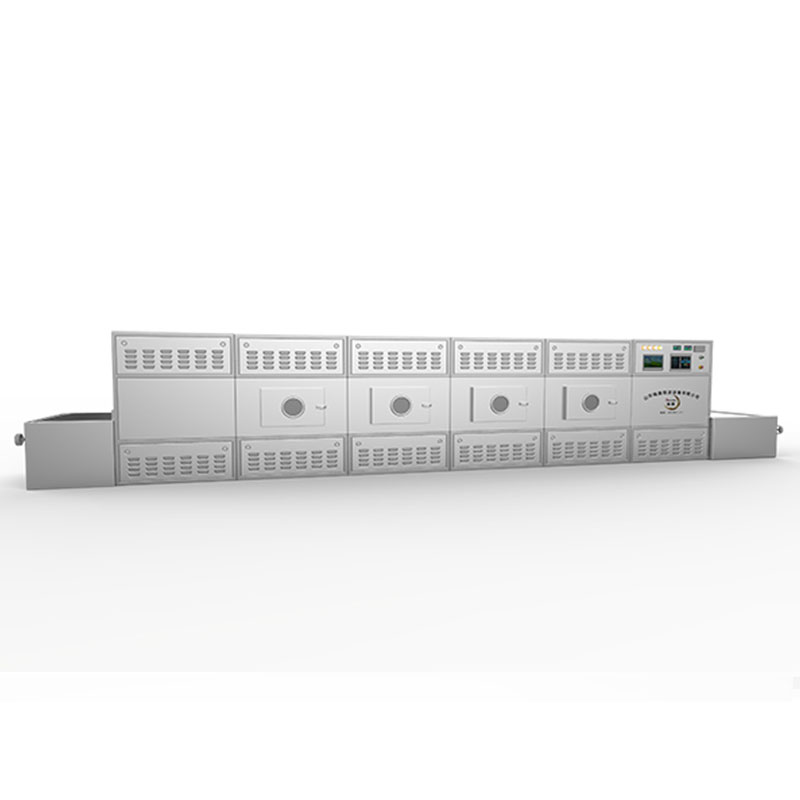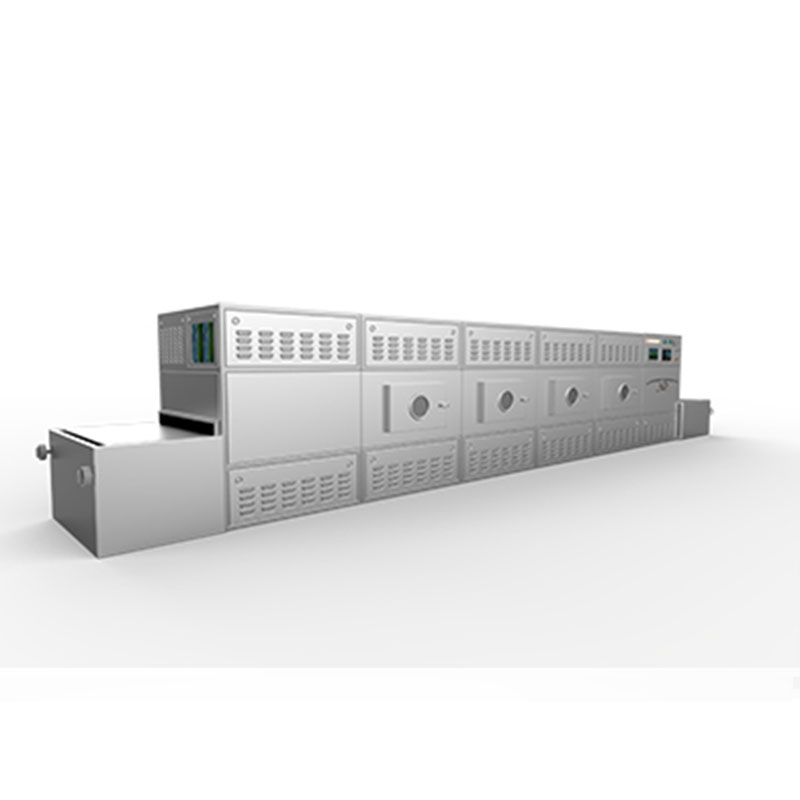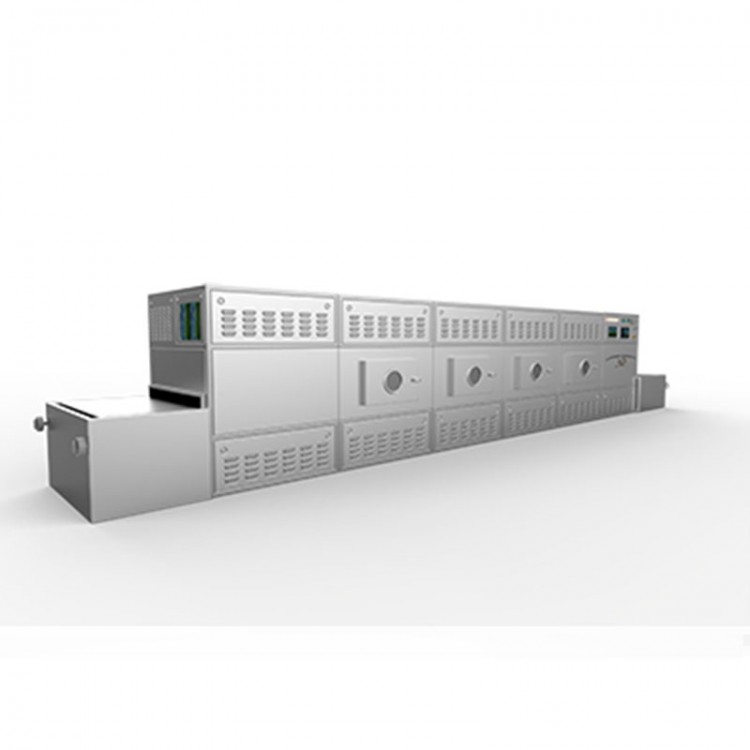

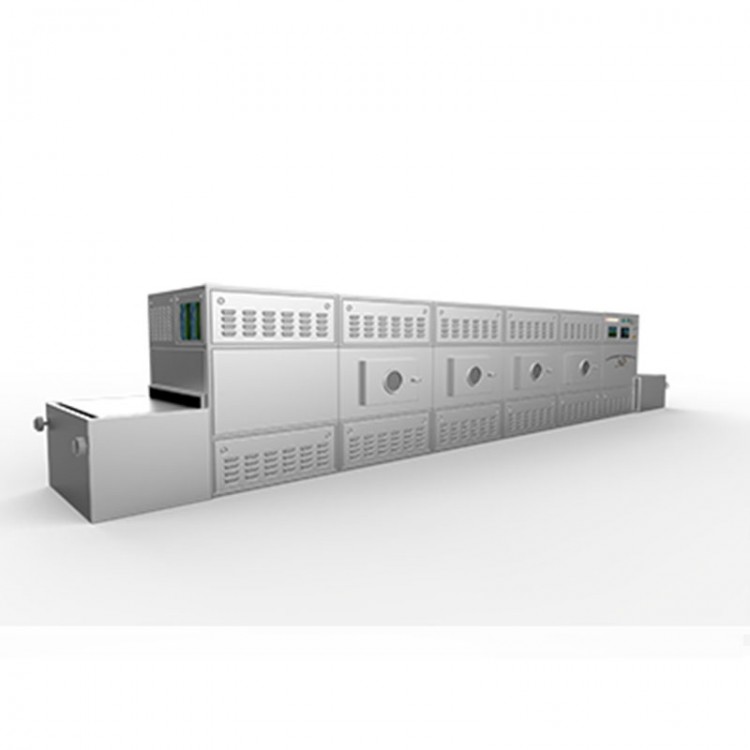
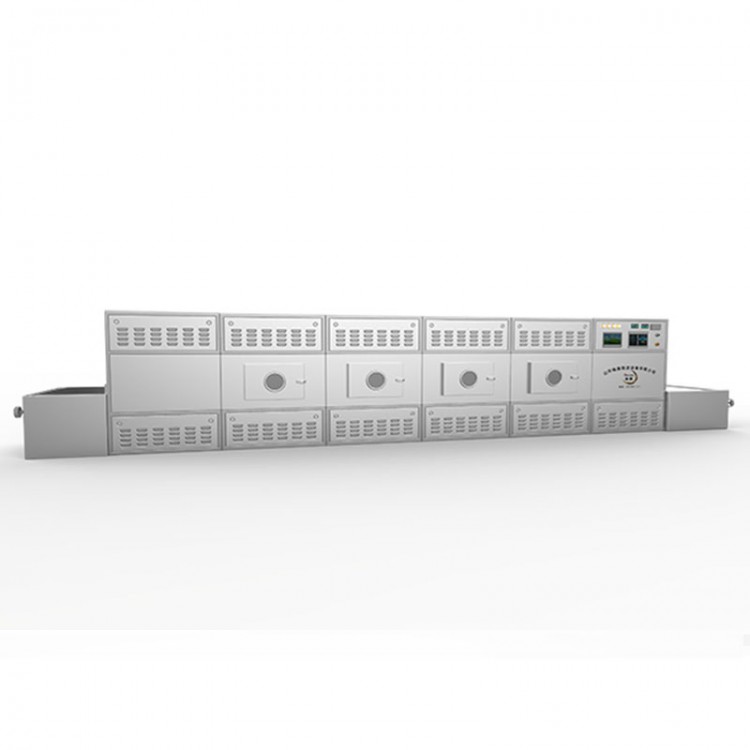
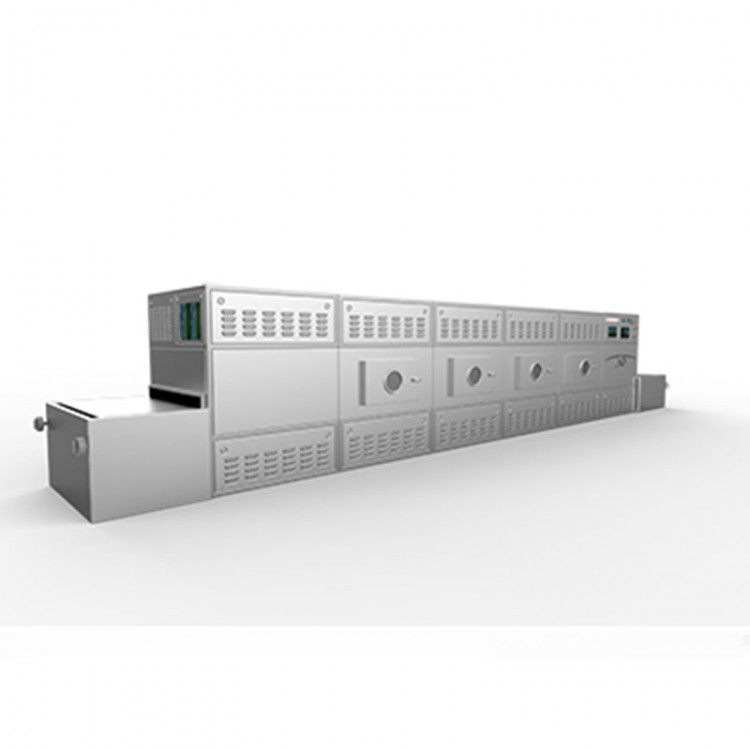







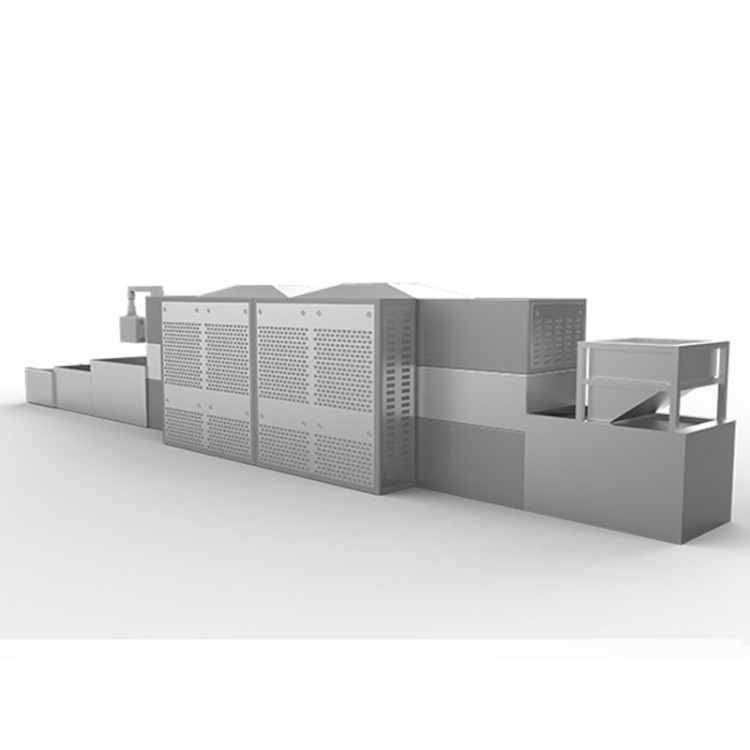
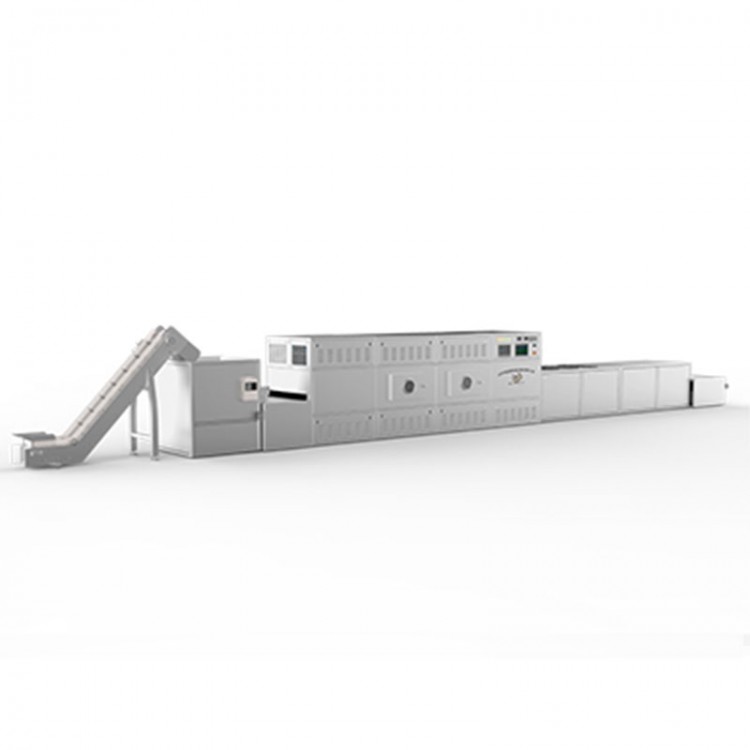
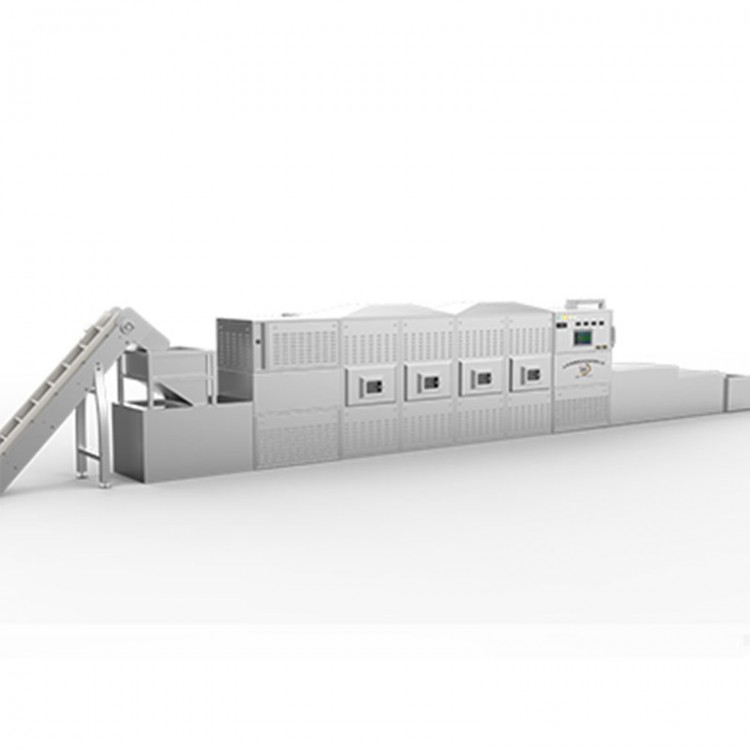
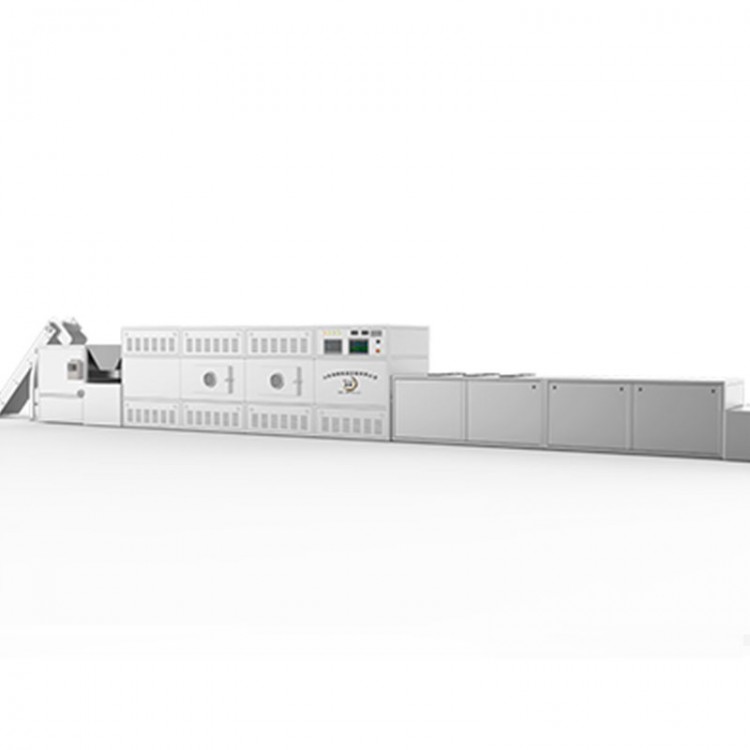
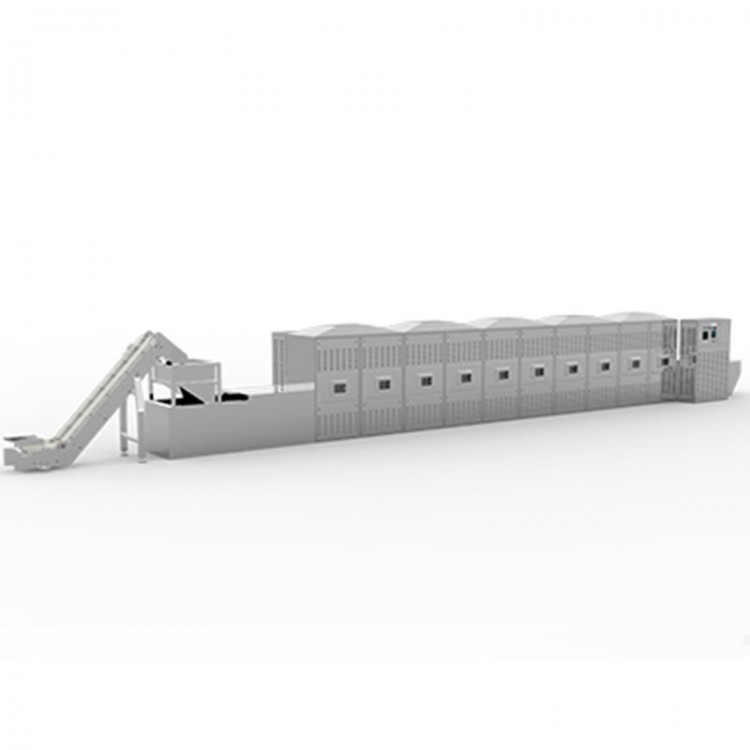
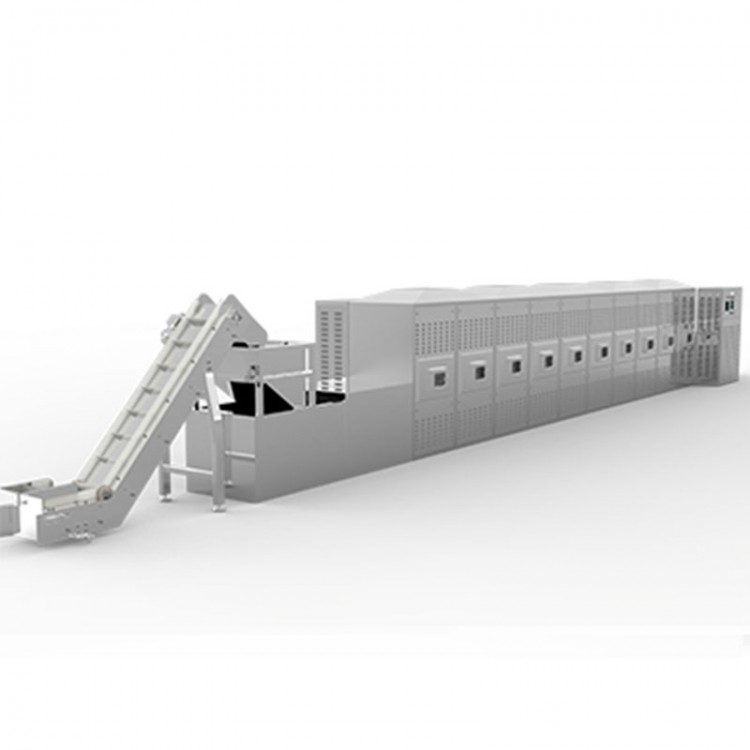
Microwave Heating Equipment for Instant MealsFeatures:
Uniform heating, rapid speed
General heating methods rely on heating the surrounding environment, initially warming the surface of an object through radiation or convection via hot air, followed by heat conduction to warm the interior. This method is inefficient and takes a long time to heat.
Microwave heating features include the generation of microwaves internally within the heated object, with the heat source originating from within the material. This results in even heating without the risk of "burnt outside and raw inside," which is beneficial for improving product quality. Additionally, the simultaneous heating of both the inside and outside significantly reduces heating time, enhancing efficiency and increasing production output. Microwave heating has minimal inertia, allowing for rapid temperature control, which is advantageous for automatic control in continuous production processes.
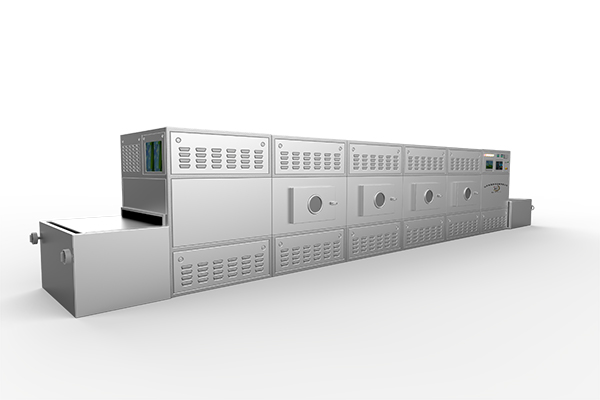
2. Selective Heating
The heat generated by microwave heating and the loss of the heated material are closely related. The dielectric constants of various media range from 0.0001 to 0.5, so the ability of different objects to absorb microwaves varies greatly. Generally, media with higher dielectric constants are easily heated by microwaves, while those with very low dielectric constants are difficult to heat. This is the selective heating characteristic of microwaves for objects.