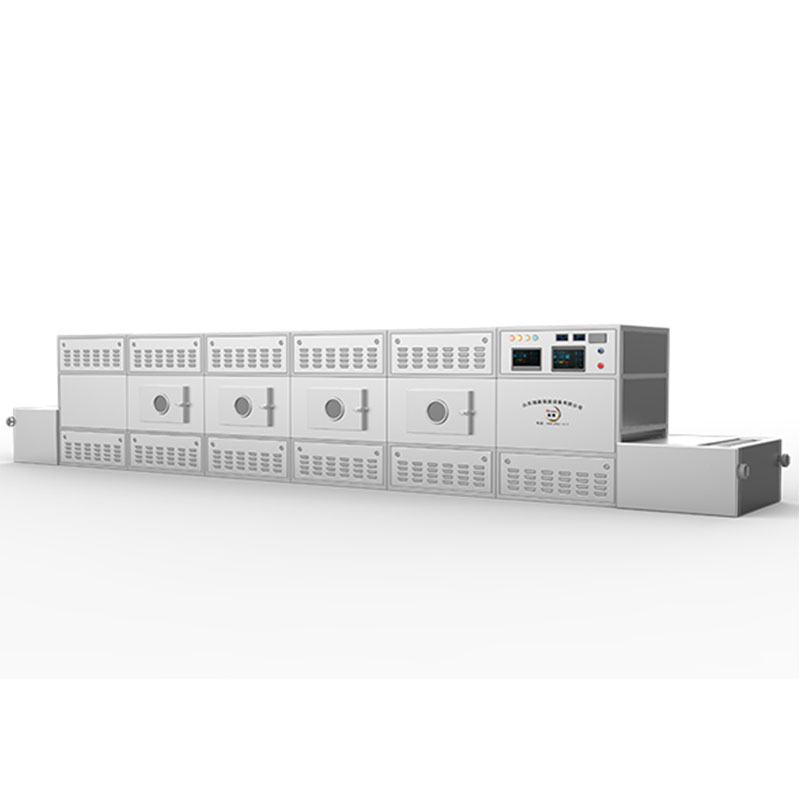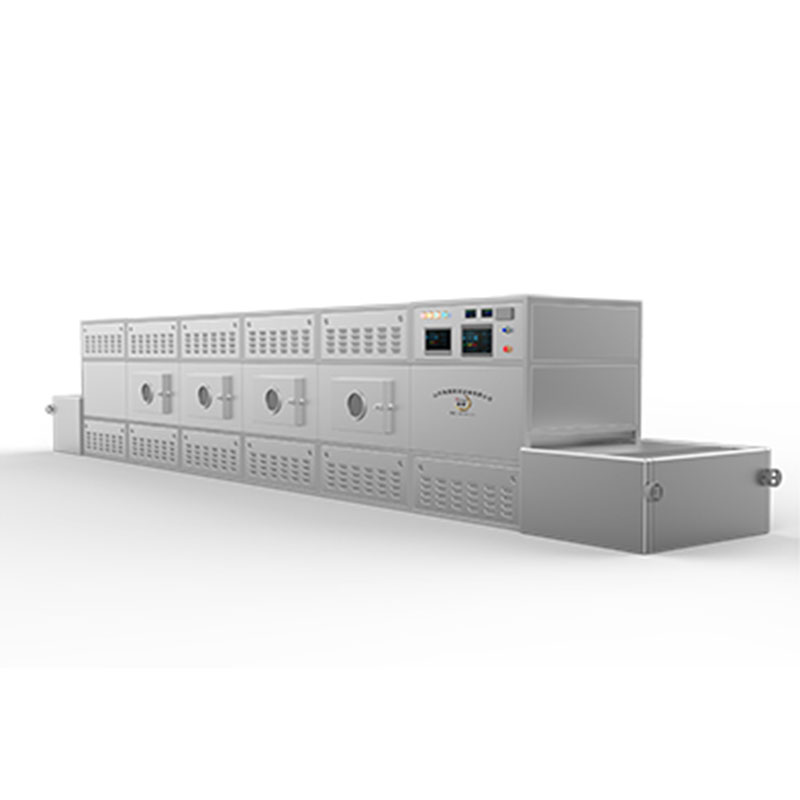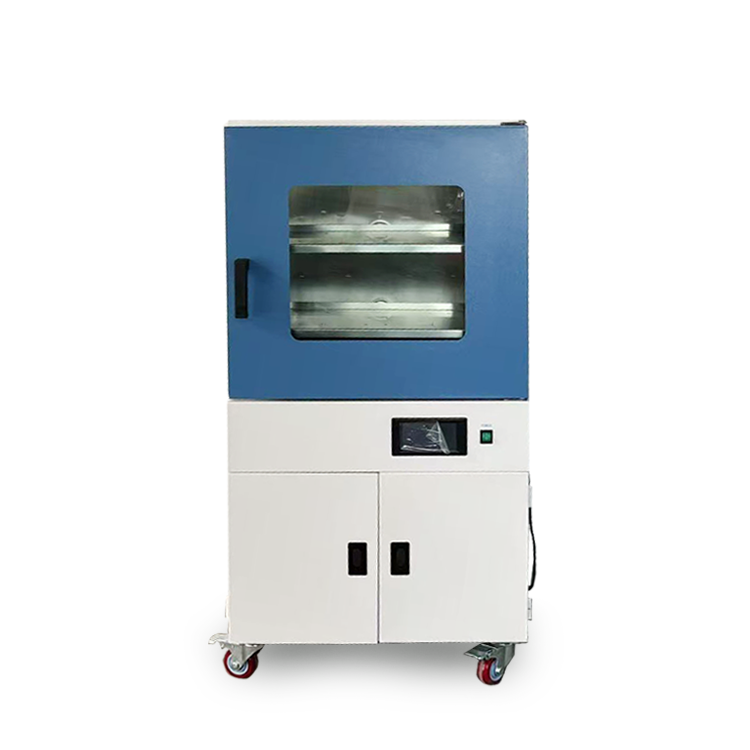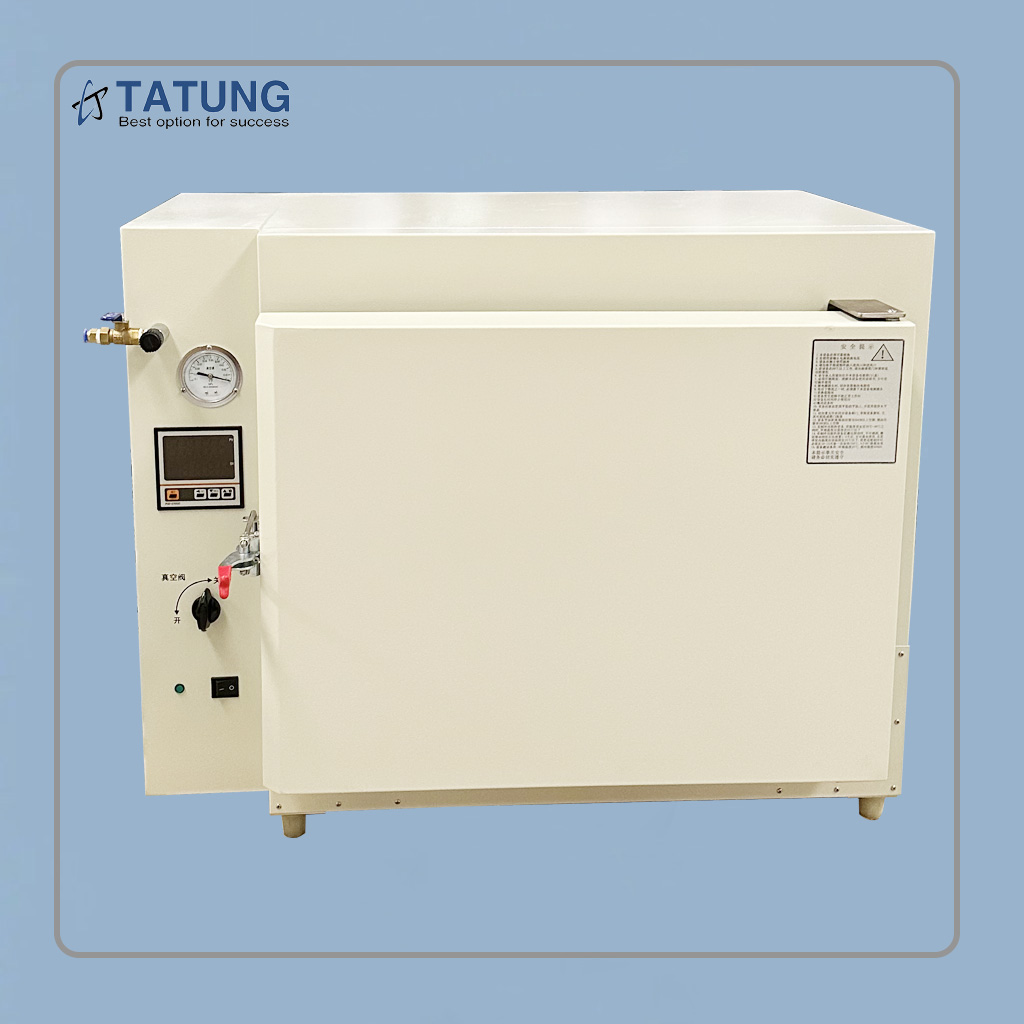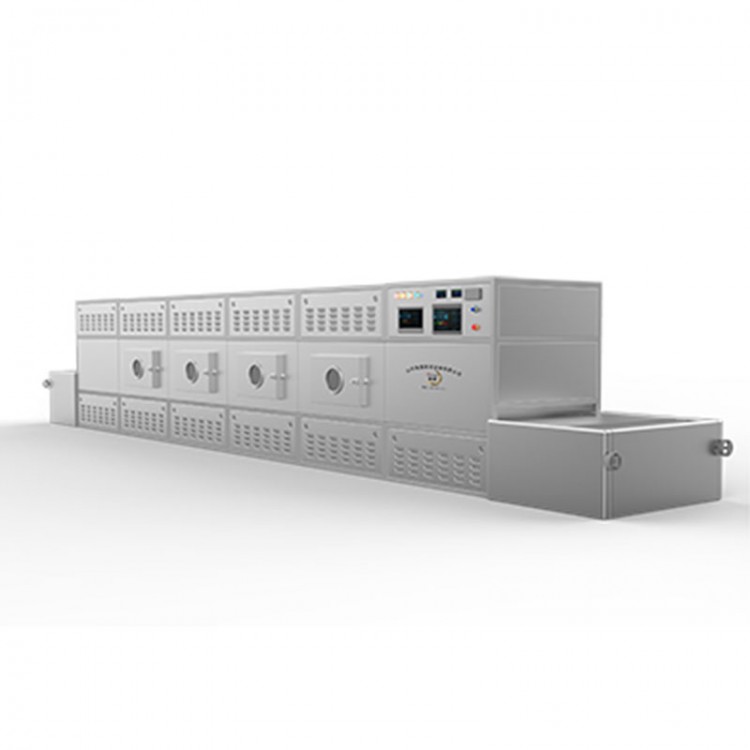

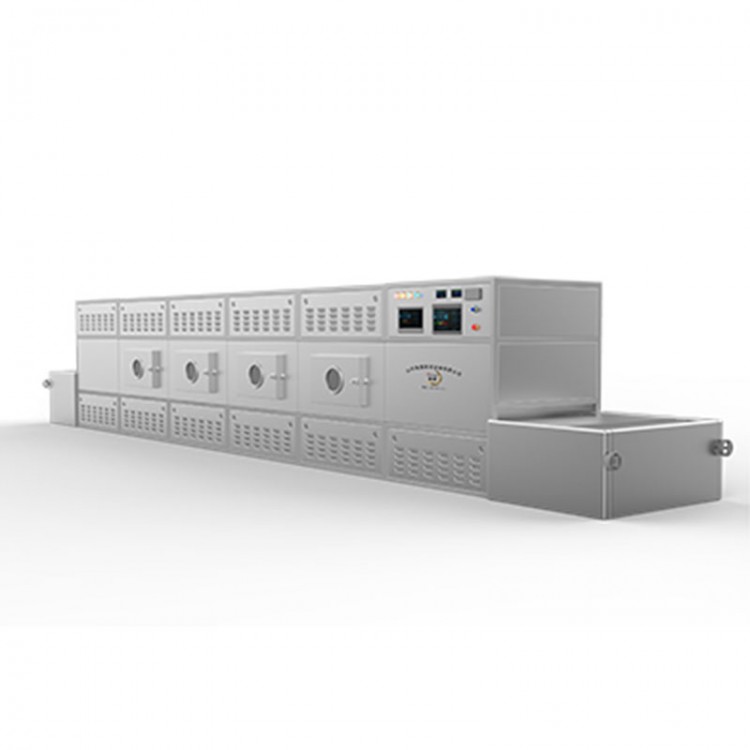
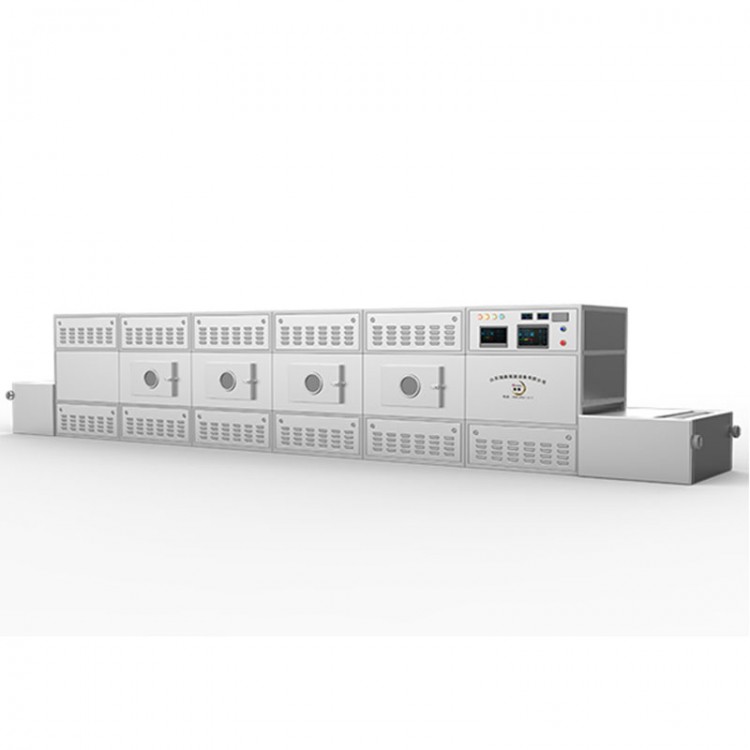
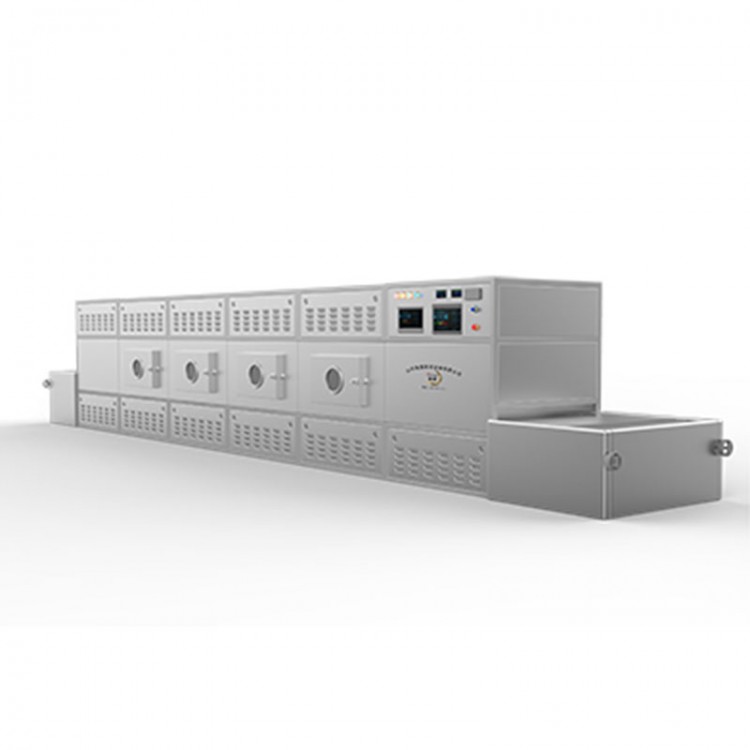


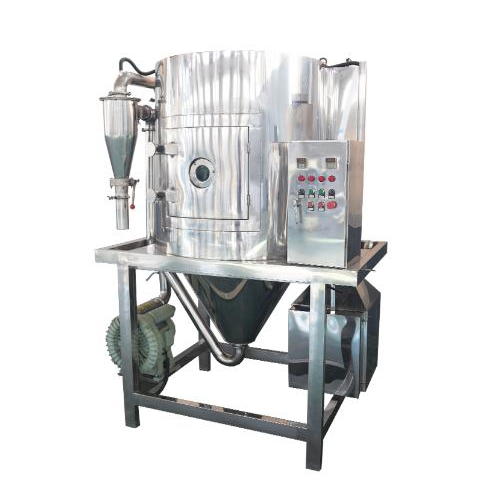





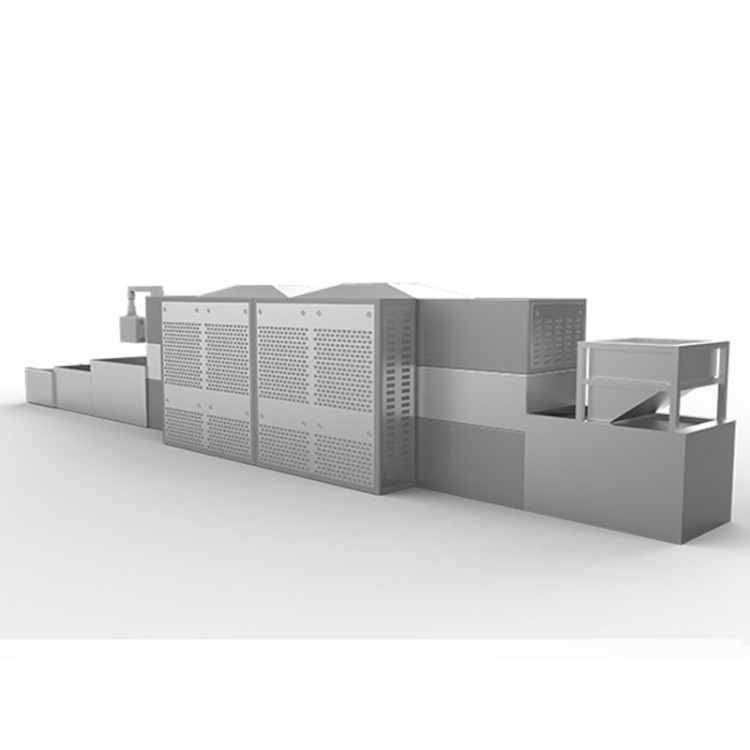
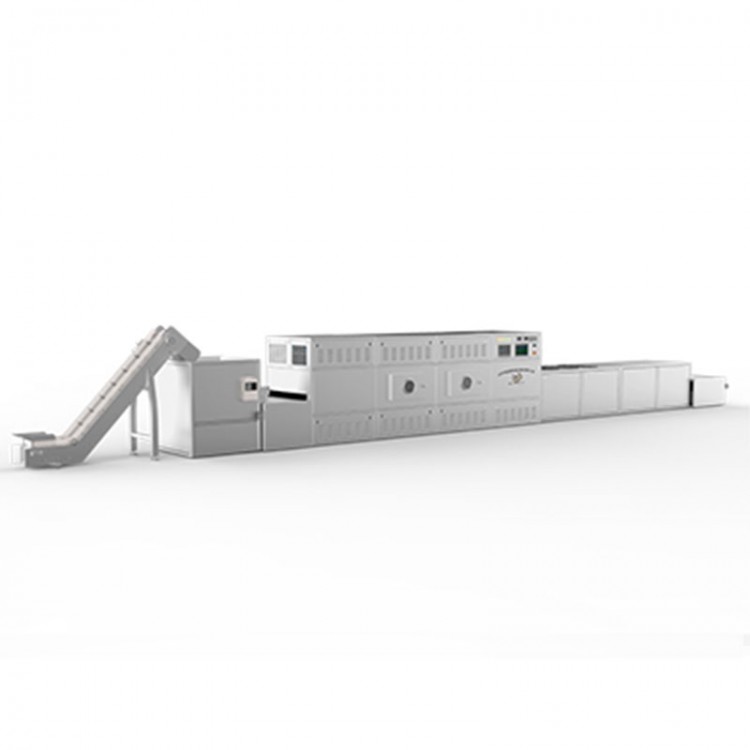
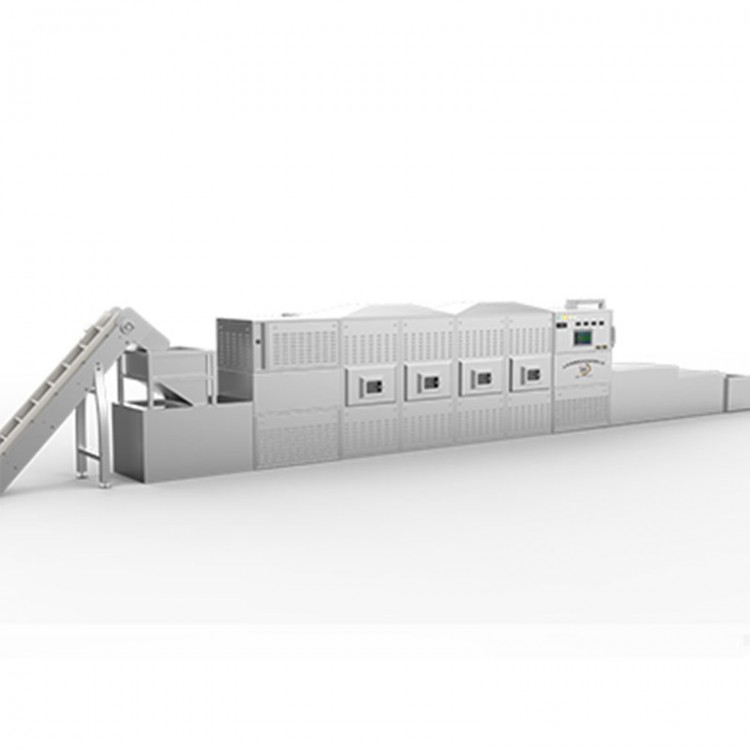
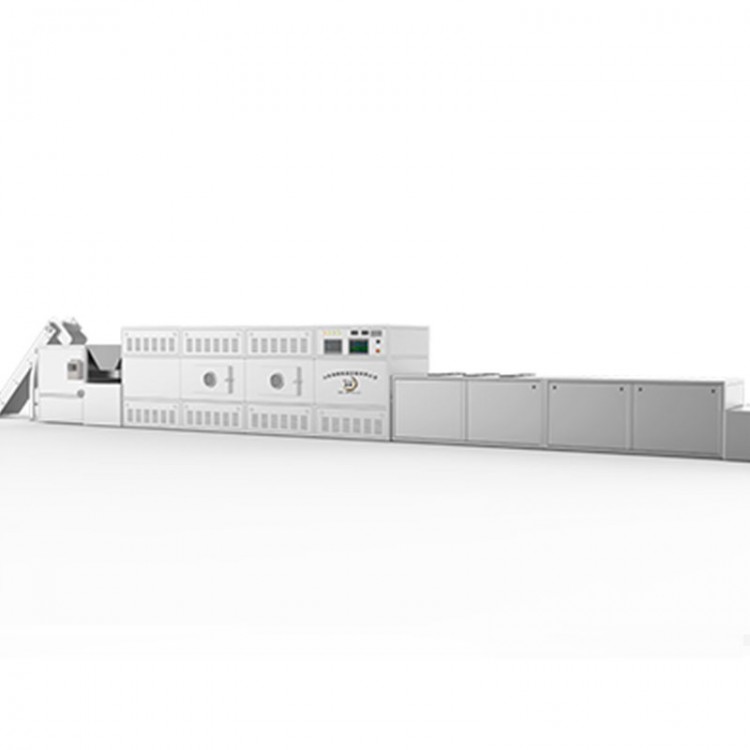
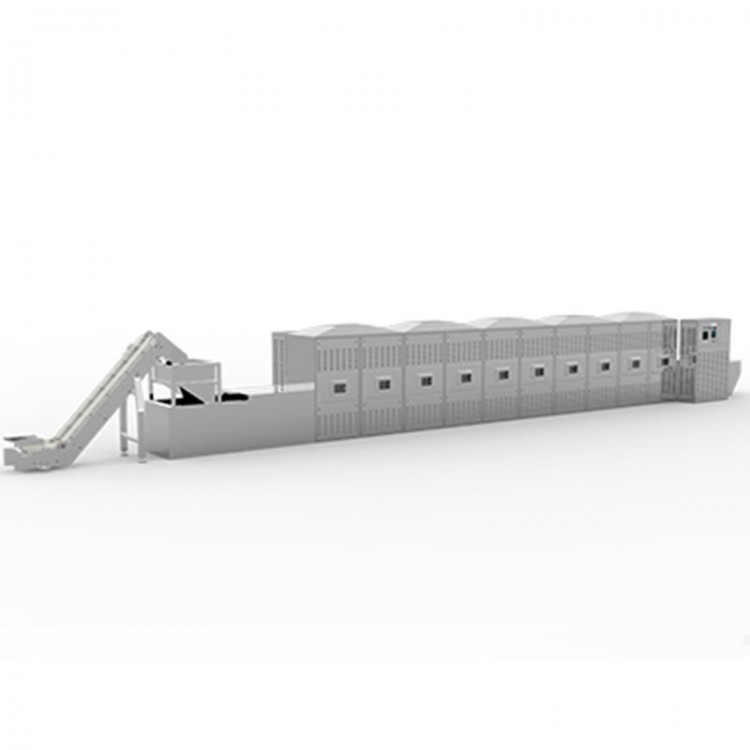
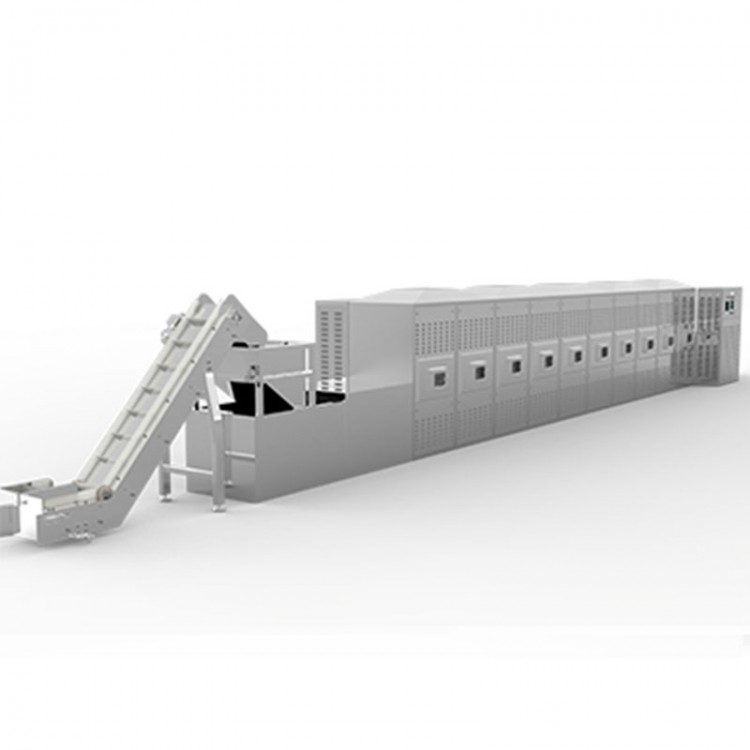
Glass Fiber Microwave Drying EquipmentFeatures:
The moisture removal from both the inside and outside of the glass fiber is quite even, enhancing the adhesion between the coating (silicone) and the glass fiber surface.
2. The composite components of organosilicon and resins with an organic membrane, due to the differences in their dielectric properties, form a dry layer with a time difference. This results in the organosilicon layer bonding tightly between resins, significantly reducing the interface failure rate and improving product quality.
3. During the glass fiber drawing process, the surface may have fine cracks. Due to microwave heating, water vapor migrates from the inner layer to the outer layer, creating a significant steam pressure synergy within the inner layer. This leads to the glass fiber's three-pump added glass sizing agent渗透 into the surface cracks of the glass fiber.
4. Traditional heating and drying takes longer, and the high temperature of the heat medium causes glass fiber to be in a high-temperature state for extended periods, significantly affecting its strength. In contrast, microwave drying is quicker and has a lesser impact on the strength of glass fiber.
5. Low moisture content, finished product moisture below 1%
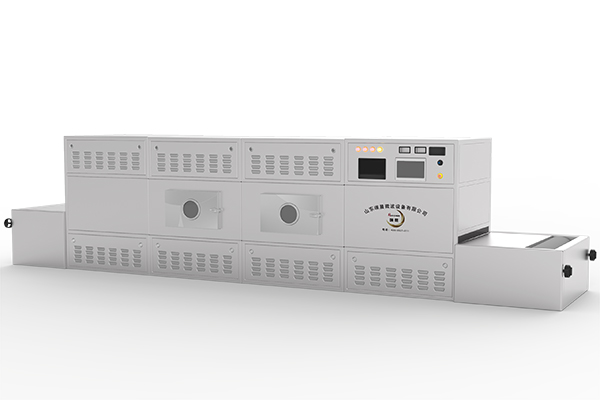
6. UtilizeMicrowave Drying EquipmentDried glass fiber products feature a clean, glossy white appearance, with flexibility, strength, low hydrophobicity, easy dyeability, and good spinnability.