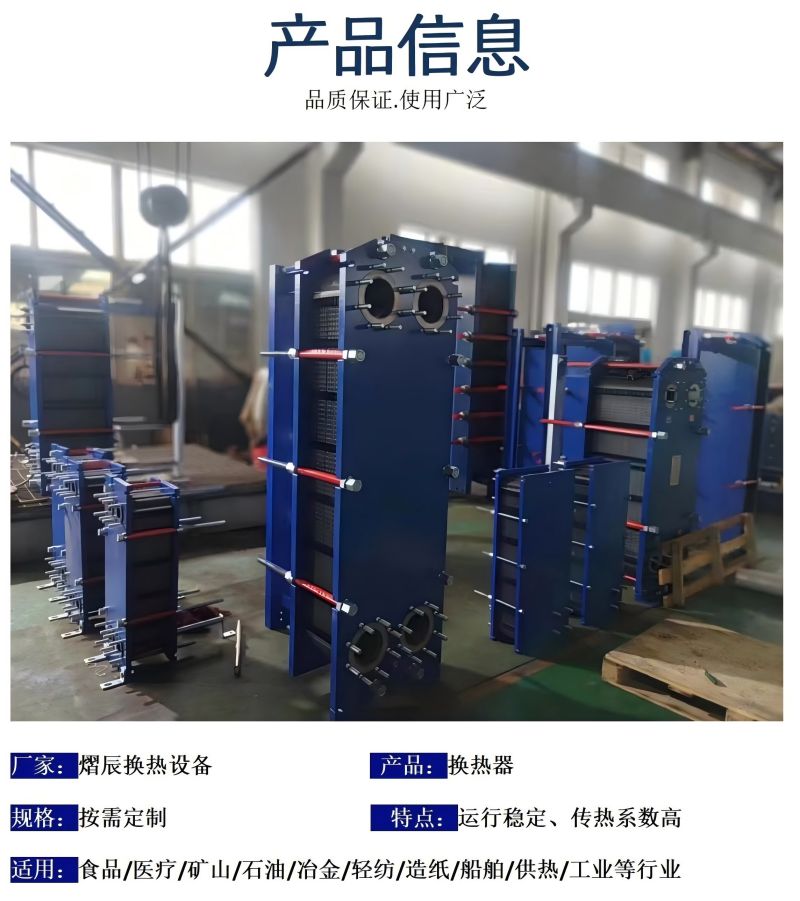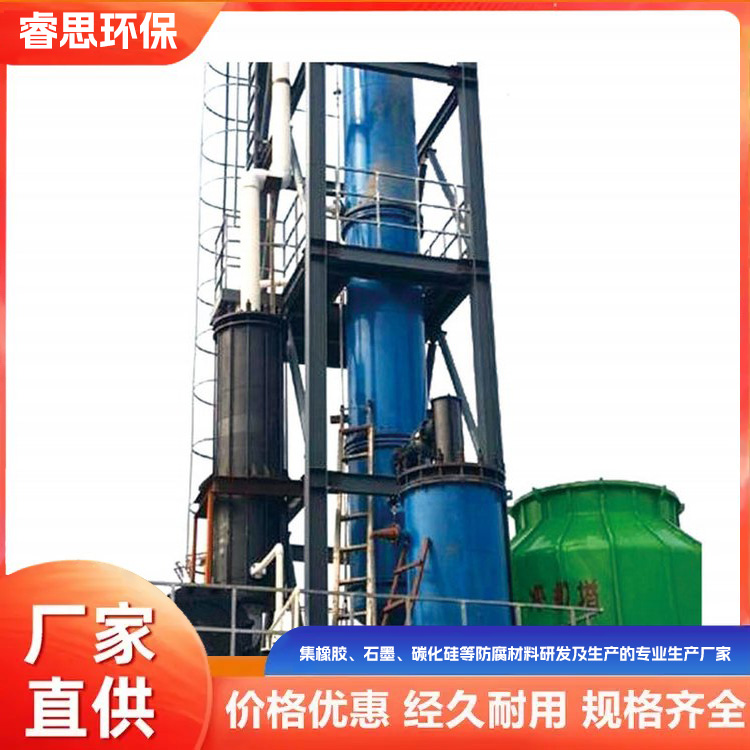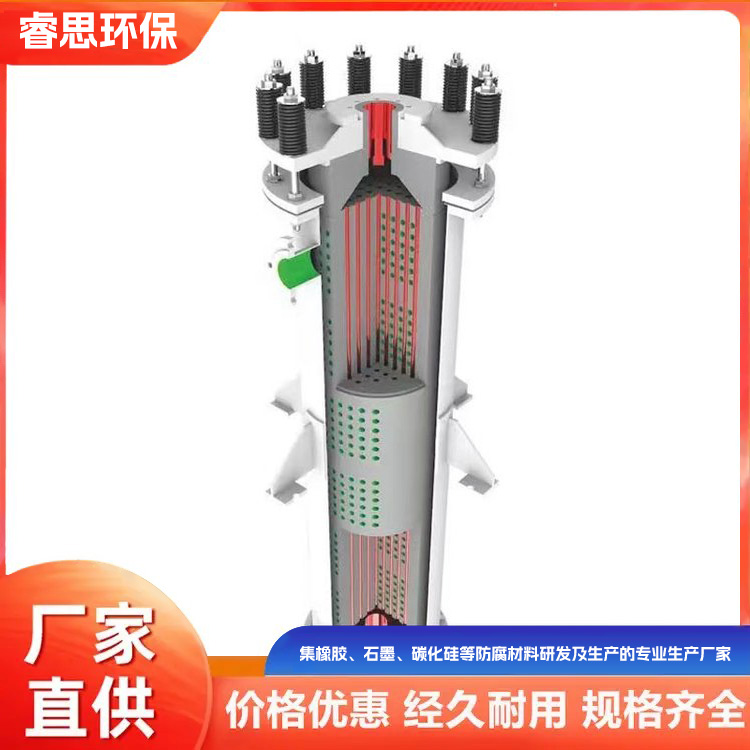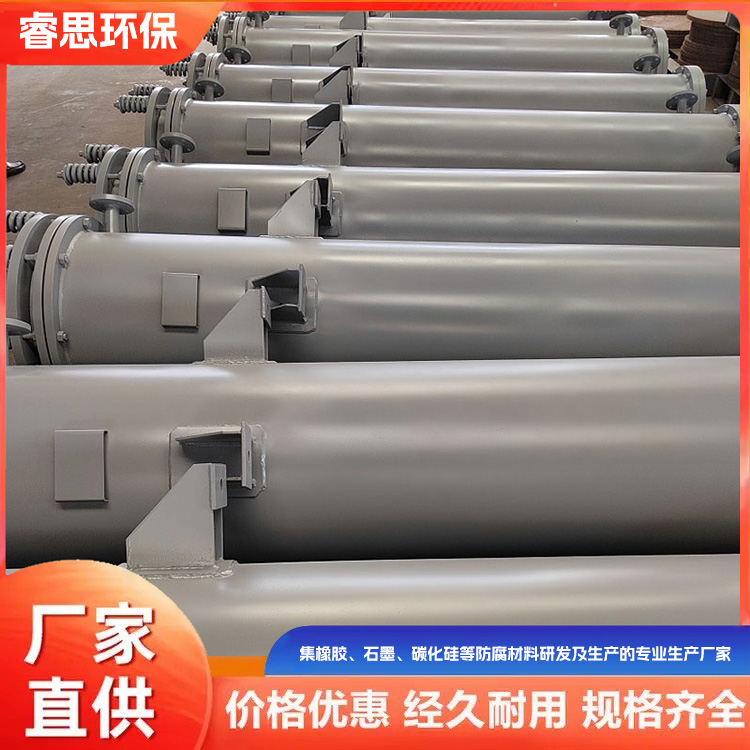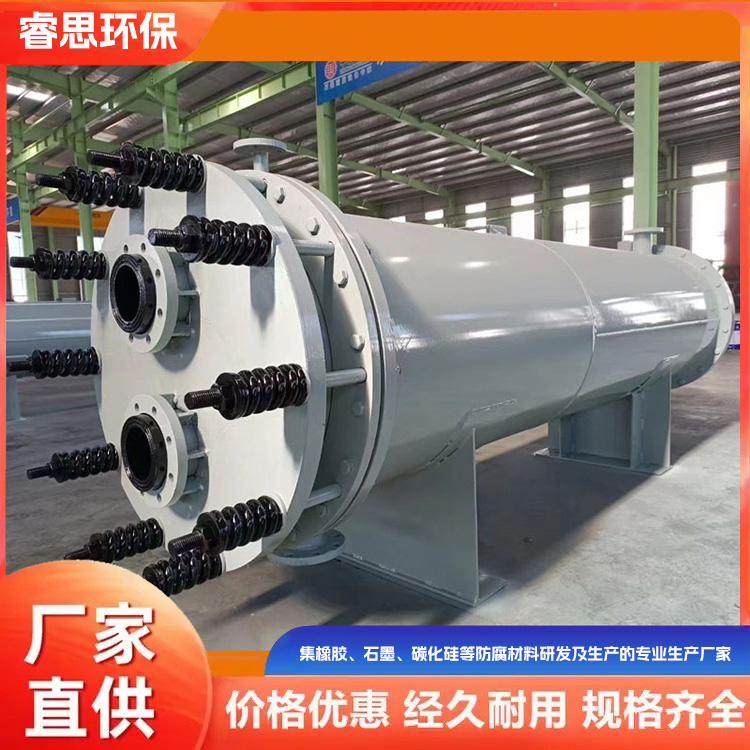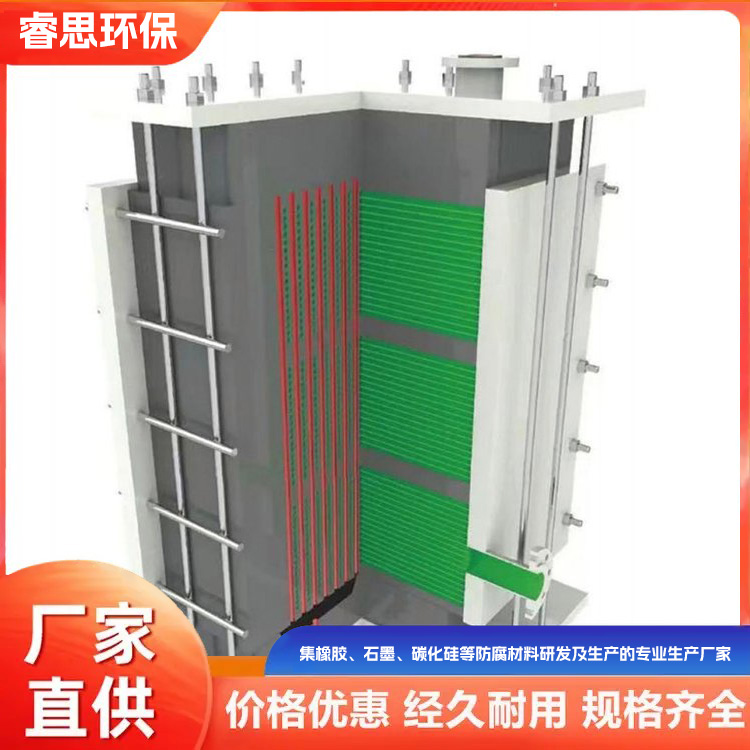


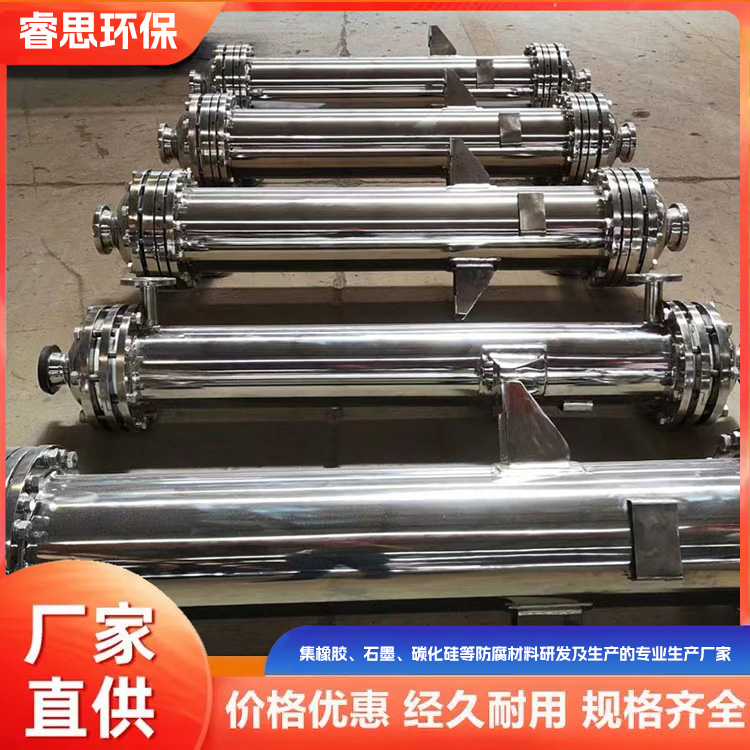







The working principle of a volumetric heat exchanger primarily achieves heat transfer through the volume change of the fluid.
When a pressure device applies pressure to the container, the container deforms, and the medium alternates in flow within the container, thereby achieving heat transfer. The medium is typically a liquid or gas, and as the volume of the medium on one side of the container decreases, it flows to the other side of the container. Heat is transferred through heat transfer elements. Additionally, volumetric heat exchangers achieve heat transfer and exchange by the movement of fluid across different volumes, featuring an ability to achieve an unlimited number of heat exchange cycles, thereby enhancing heat exchange efficiency, reducing energy consumption, and costs.
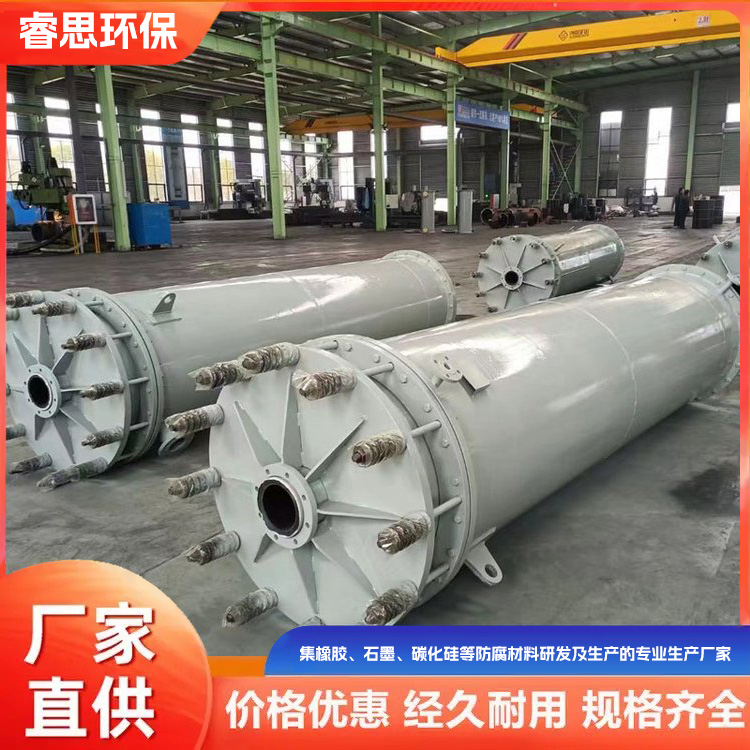
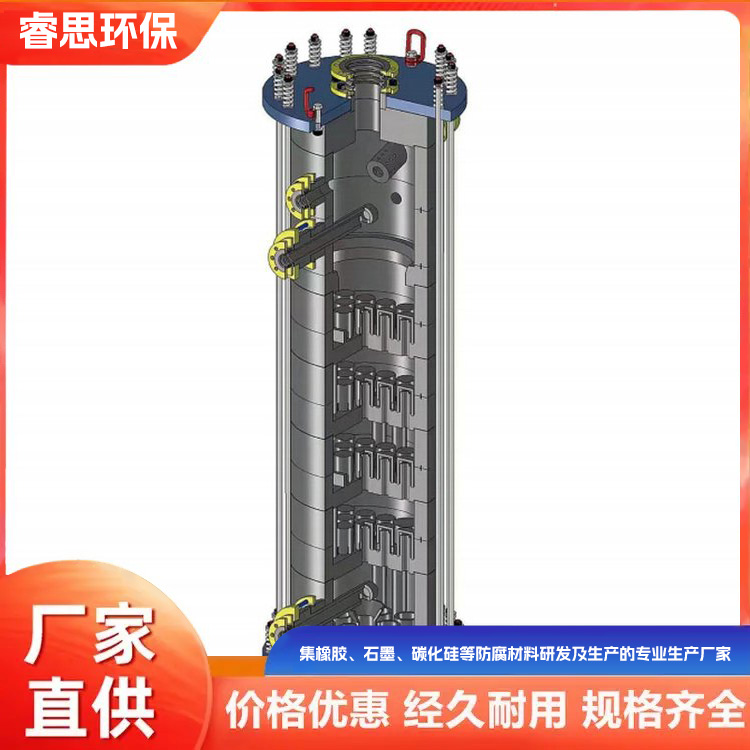
Volumetric heat exchangers consist of containers, pressure devices, heat transfer elements, and control systems. The containers are typically made of elastic or metallic materials, with the medium fluid positioned on either side of the container. Pressure devices apply pressure to the container, causing it to deform. The medium alternates its flow within the container, and heat is transferred through the heat transfer elements. The control system adjusts parameters such as pressure, flow rate, and temperature to achieve more precise heat exchange.
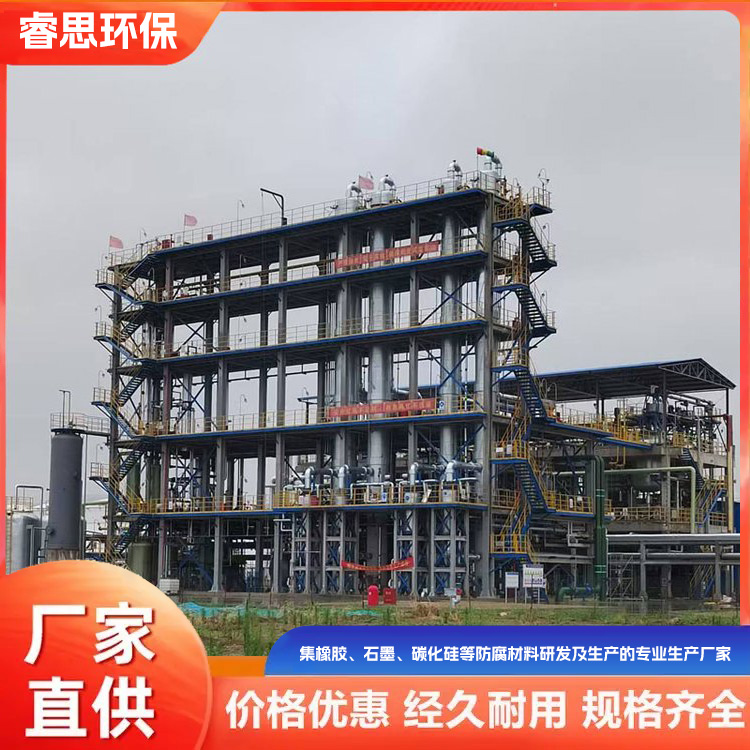
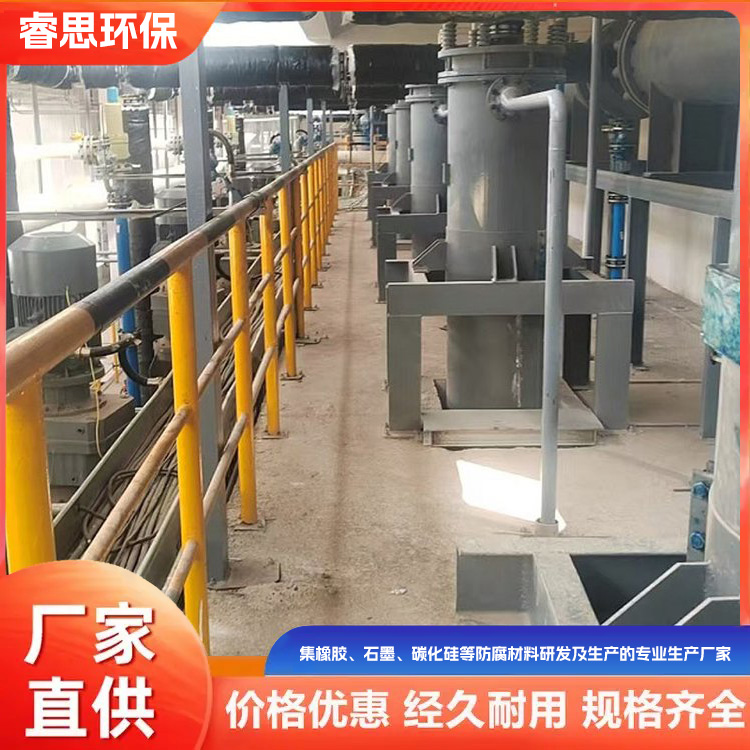
Volumetric heat exchangers are widely used in industrial sectors such as chemicals, petroleum, metallurgy, and electricity. Their high efficiency and energy-saving features make them crucial heat transfer devices in these fields. Moreover, volumetric heat exchangers can also be applied in automotive, refrigeration, and air conditioning industries, further broadening their scope of use.