








Wastewater cooling systems' treatment methods mainly include the following:
I. Physical Processing
Grate; removes large debris, preventing subsequent equipment blockages in textile processing.
2. Sedimentation pond; removes large particle suspended solids through gravity separation.
3. Filtration; use sand filters or activated carbon filters to remove fine particles and some organic matter.
4. Air flotation; introducing air into the wastewater to make pollutants float to the surface as foam, thereby removing them.
Chemical Treatment
Coagulation and Sedimentation; adding coagulants to aggregate fine particles into larger ones for easier sedimentation and removal.
2. Neutralization; adjust the waste water pH to an appropriate range, while also removing some heavy metal ions.
3. Oxidation-Reduction; Utilize oxidizing or reducing agents to alter the properties of certain harmful substances, making them easier to remove.
Thermal Cooling Treatment
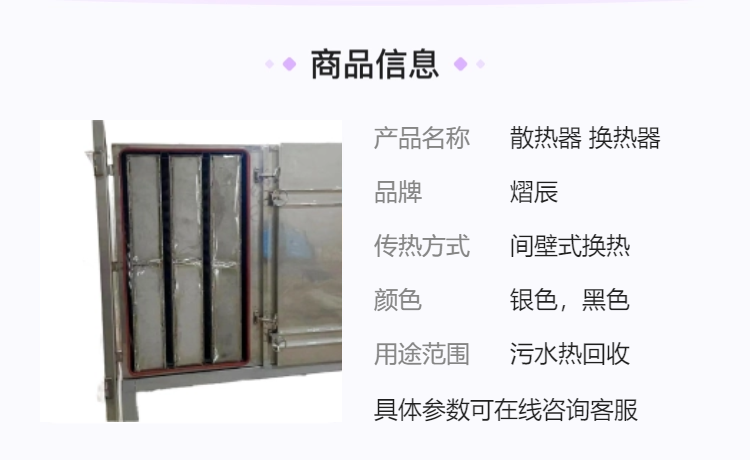
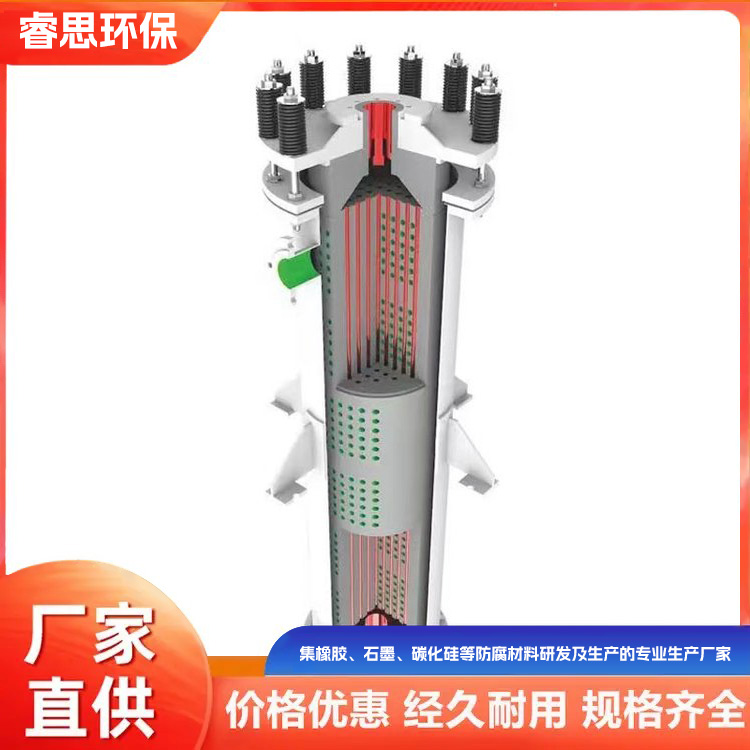
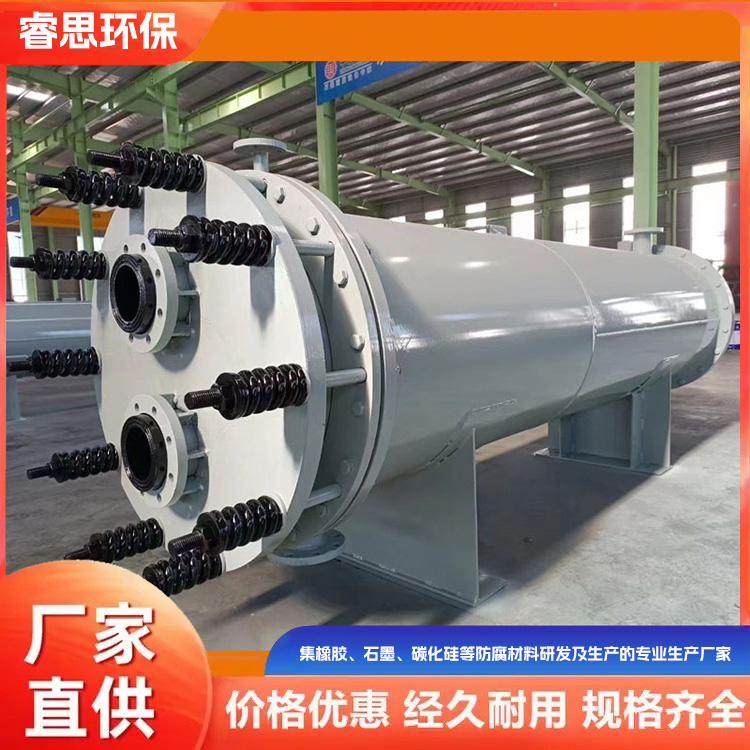
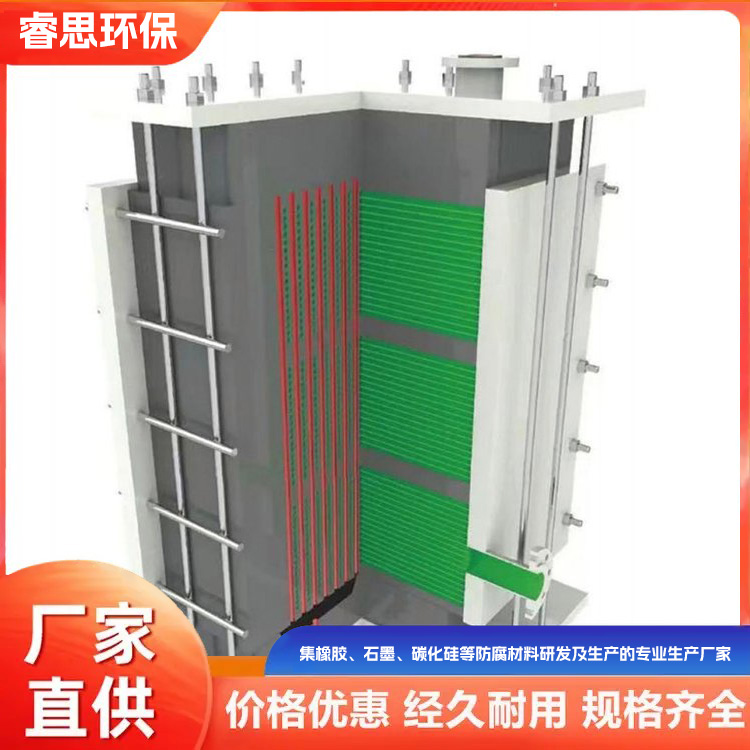
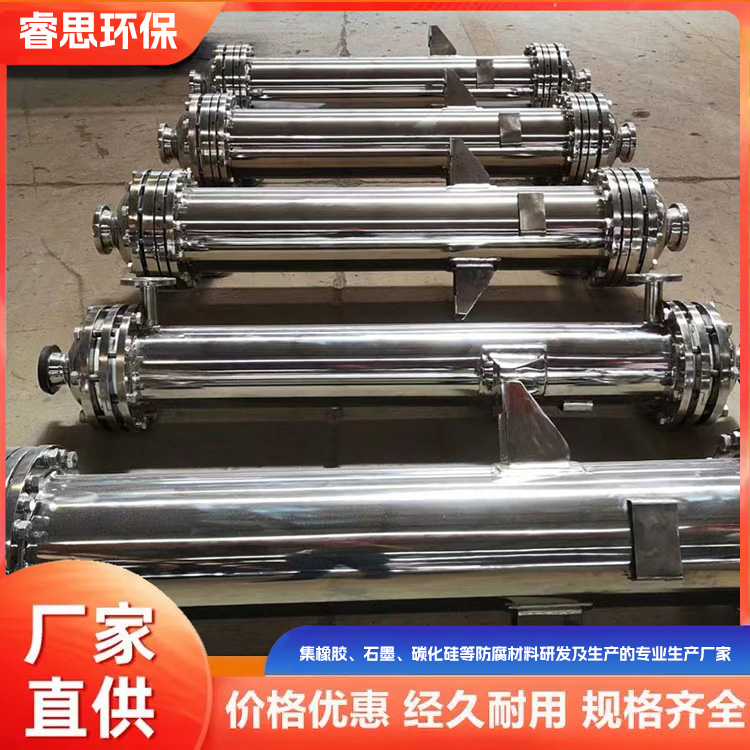
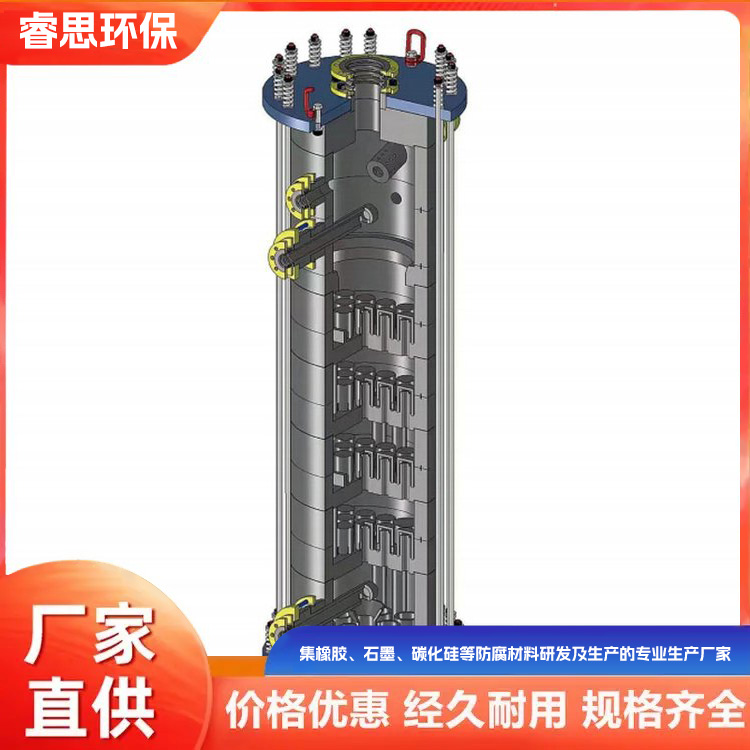
Heat Exchanger Cooling; Utilize heat exchange with low-temperature water sources to rapidly reduce wastewater temperature, creating favorable conditions for subsequent treatment. For instance, plate heat exchangers offer high-efficient heat exchange rates, enabling quick cooling and temperature reduction of wastewater.
Four, Adsorption Treatment; Utilize adsorbents (such as activated carbon) to adsorb trace amounts of oil, metal ions, and other organic pollutants from wastewater.
Five, Membrane separation technology; such as reverse osmosis, ultrafiltration, etc., which deeply purifies wastewater through highly effective membrane separation technology, further removing trace harmful substances and improving water quality.
Section 6: Softening Treatment; Perform softening treatment on the high-hardness cooling water to prevent scaling and extend the service life of the equipment.
Section 7: Biological Treatment
1. Activated Sludge Process; utilizes microorganisms to decompose organic matter in wastewater.
2. Biofilm Method; Forms a biofilm on the media, purifying water quality through microbial action.
These methods can be combined based on the specific characteristics of the wastewater to achieve effective sewage treatment.