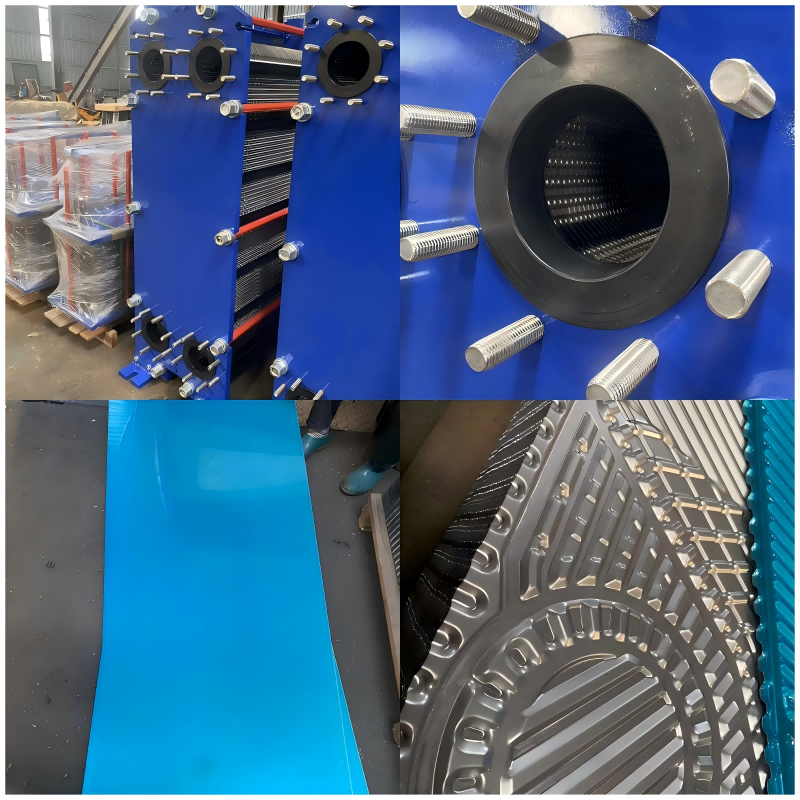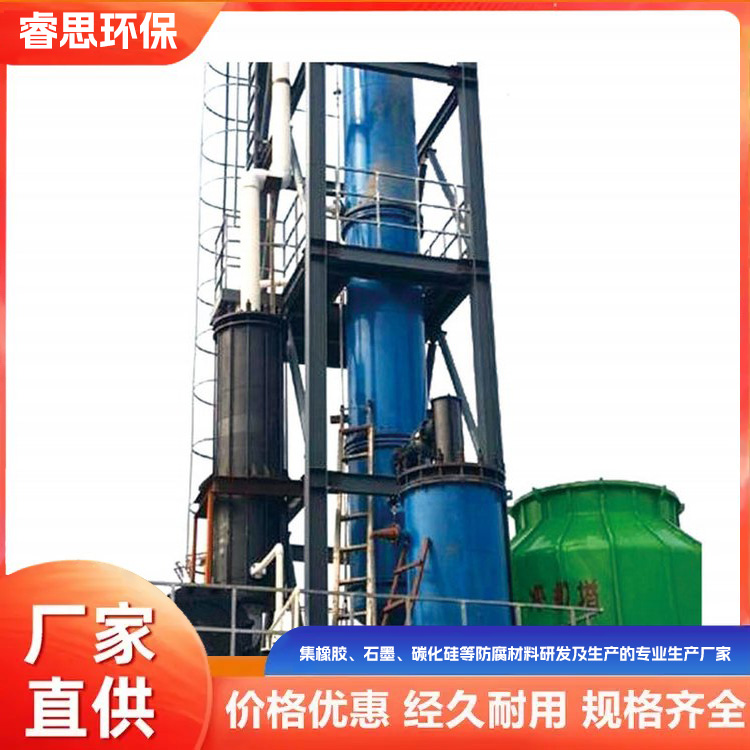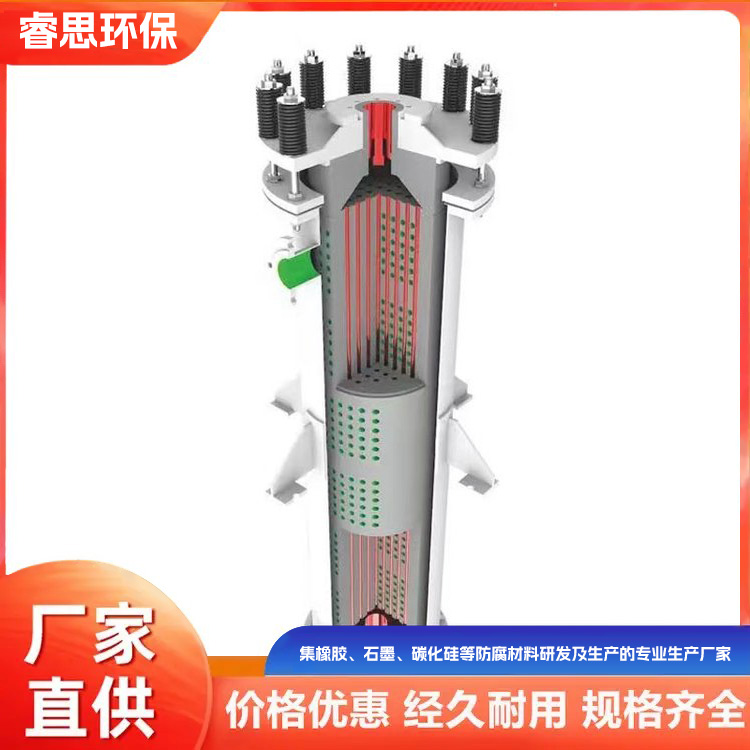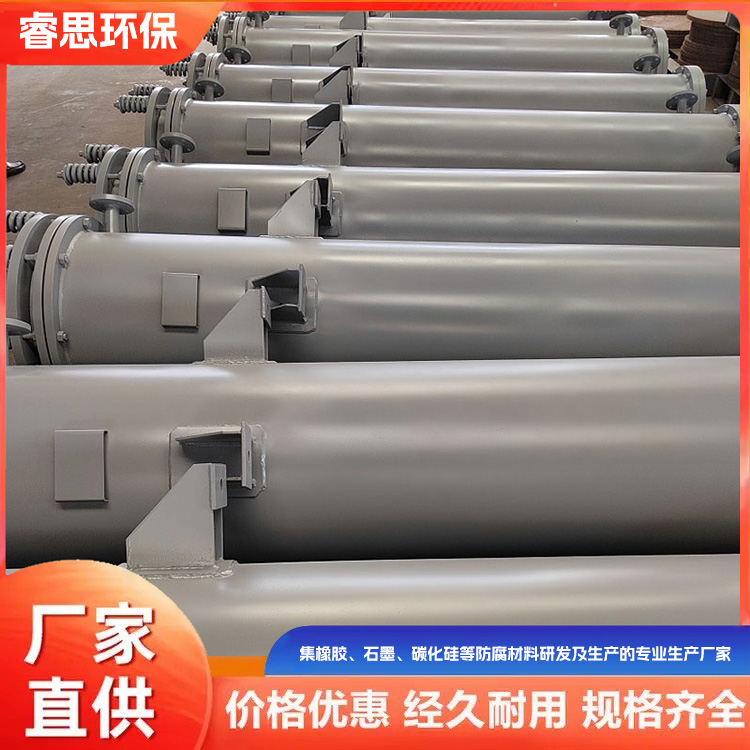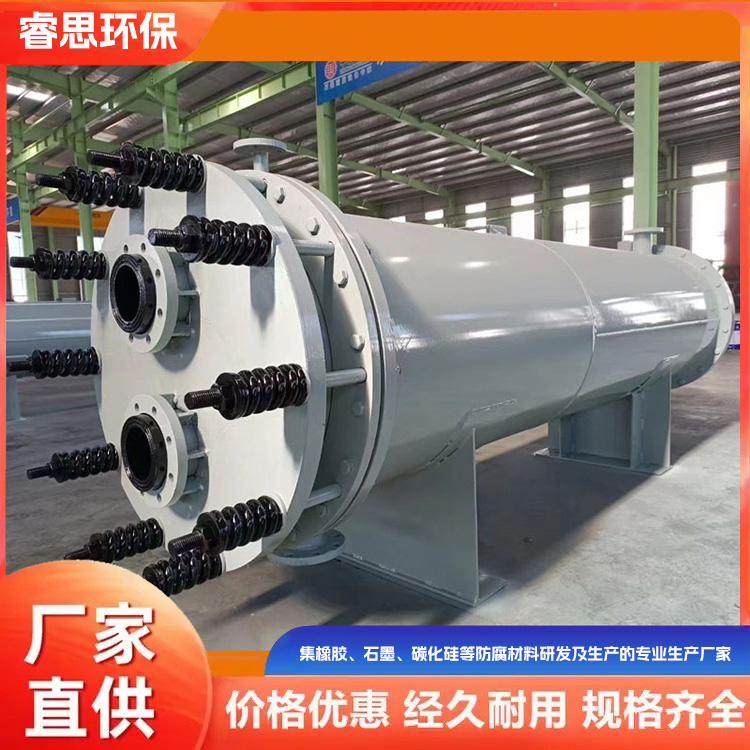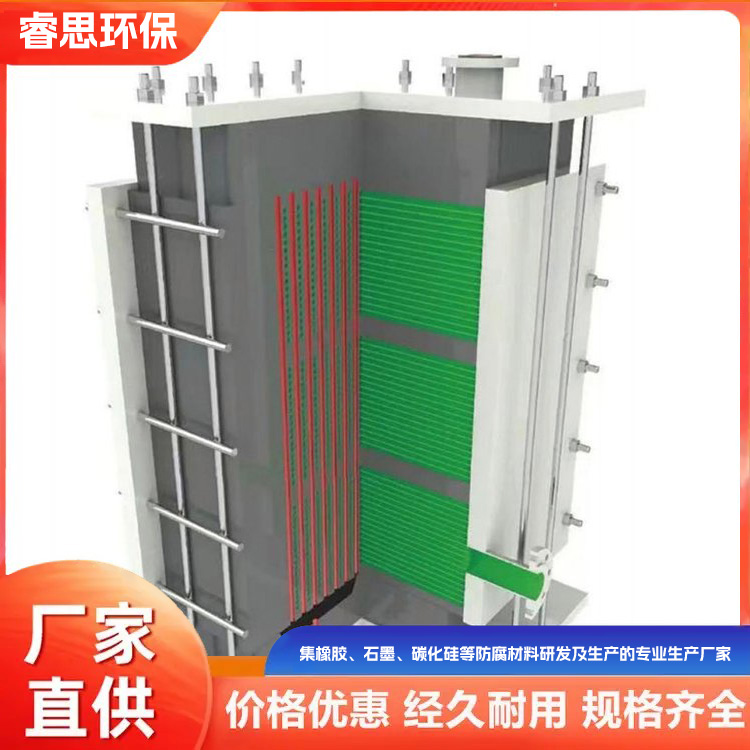


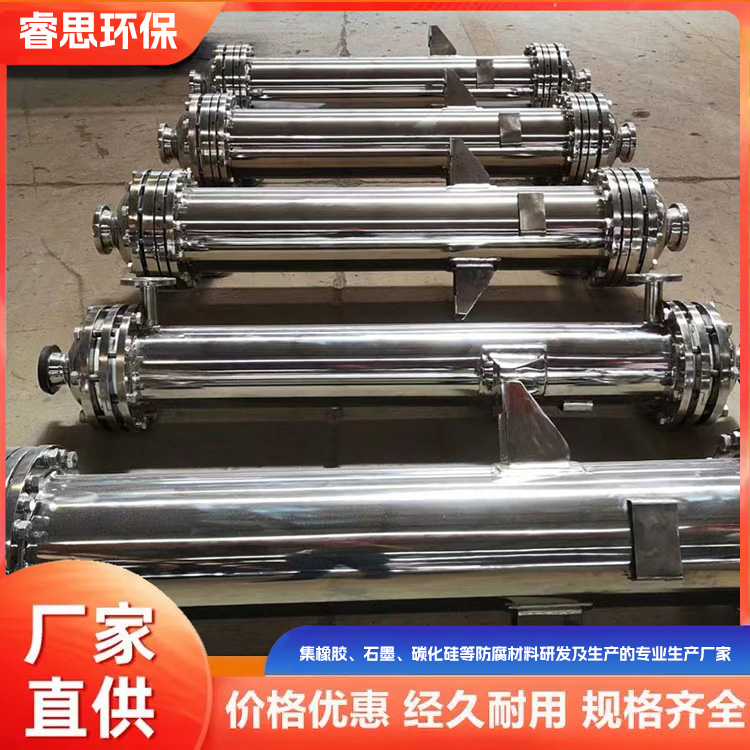
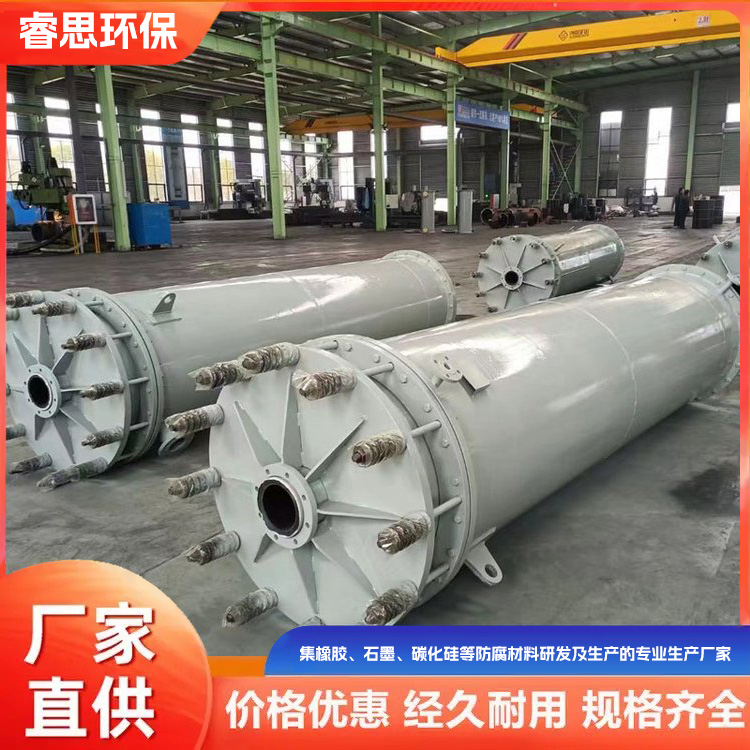
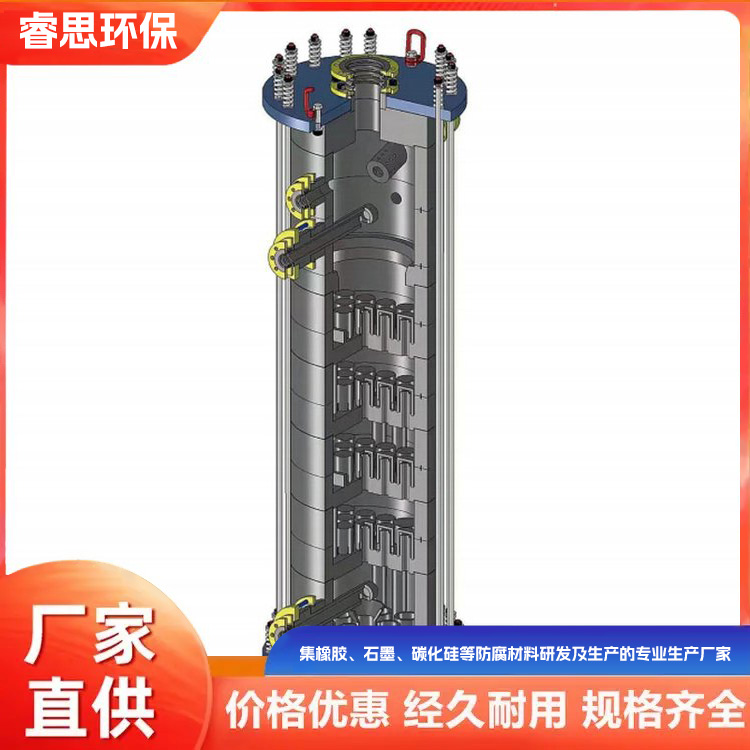
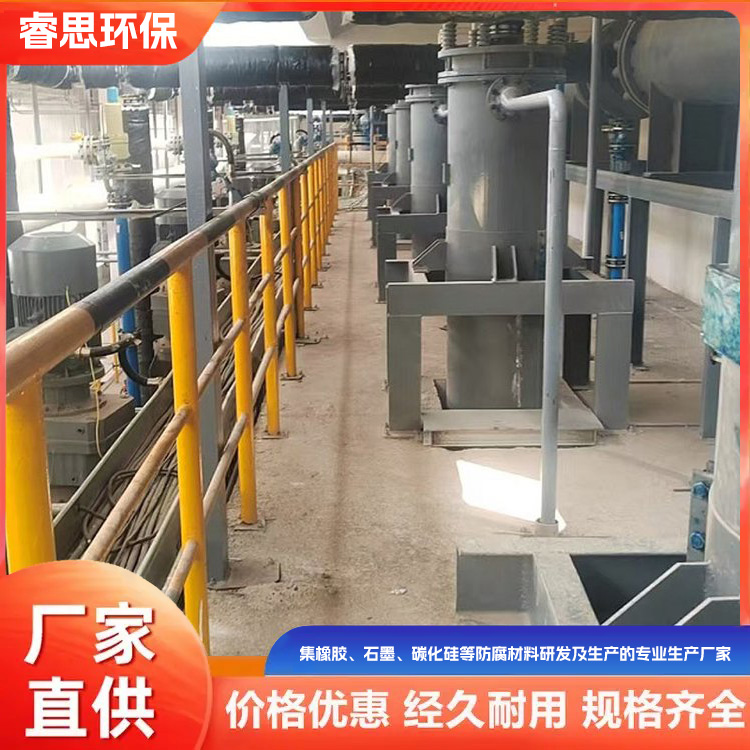







The working principle of a lithium battery plate heat exchanger involves heat exchange through a series of corrugated metal plates. These plates are stacked to form thin rectangular channels, where cold and hot fluids flow on opposite sides, exchanging heat through the metal plates.
Structural Features:
1. Wavy Metal Sheets; Plate Heat Exchangers are composed of many stamped metal thin plates, featuring a wavy shape. This not only enhances the heat transfer efficiency but also increases the strength and rigidity of the plates, preventing sedimentation or the formation of dirt.
2. Sealing Washers; rubber sealing washers are installed around the edges of the plate to prevent fluid leakage and to seal the flow channels as per design requirements, allowing cold and hot fluids to flow separately in their respective channels.
3. Frames and tensioning devices; plate heat exchangers are formed by overlapping frames and tensioning screws, ensuring a sealed effect and stable fluid flow.
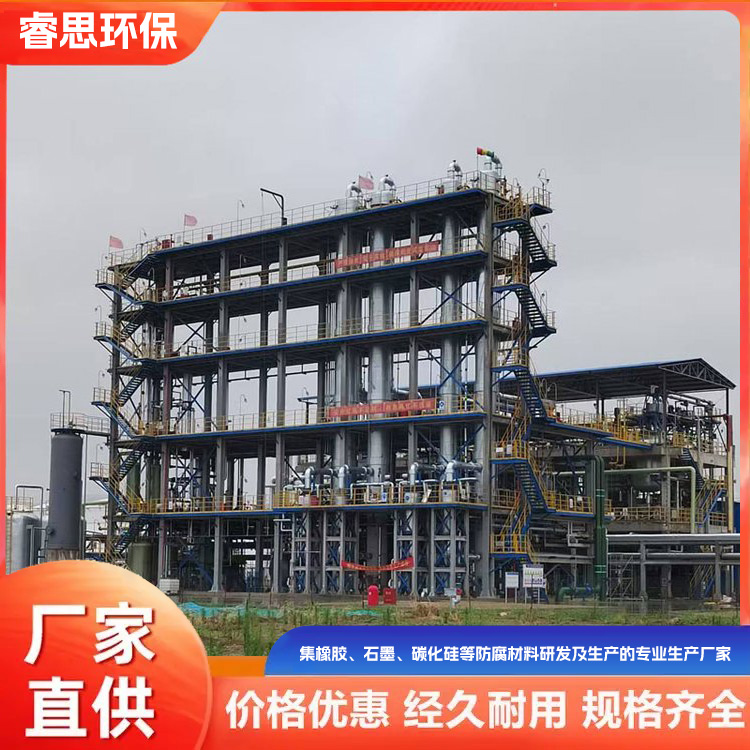
Plate heat exchangers for lithium batteries are suitable for various fields, especially in situations requiring high heat exchange. Thanks to their compact structure, high thermal efficiency, and small footprint, they are widely used in liquid-liquid and liquid-gas heat exchange systems.
Pros and Cons:
High thermal conductivity: 3-5 times higher than tubular heat exchangers under the same pressure drop.
2. Compact structure; small space requirement, ideal for limited space environments
3. Versatile; suitable for a wide range of fluids and temperature ranges.
4. Safe and hygienic; suitable for handling heat-sensitive materials.