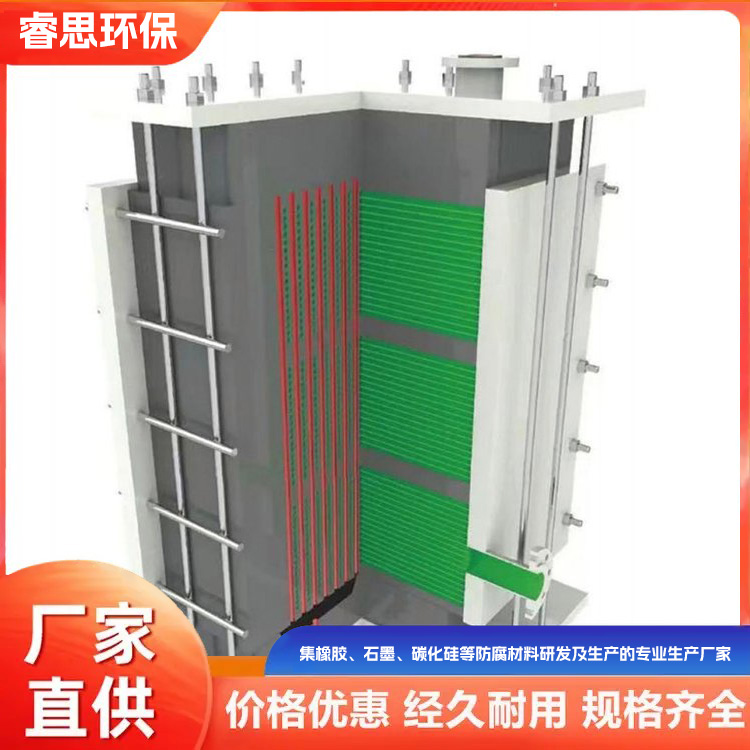


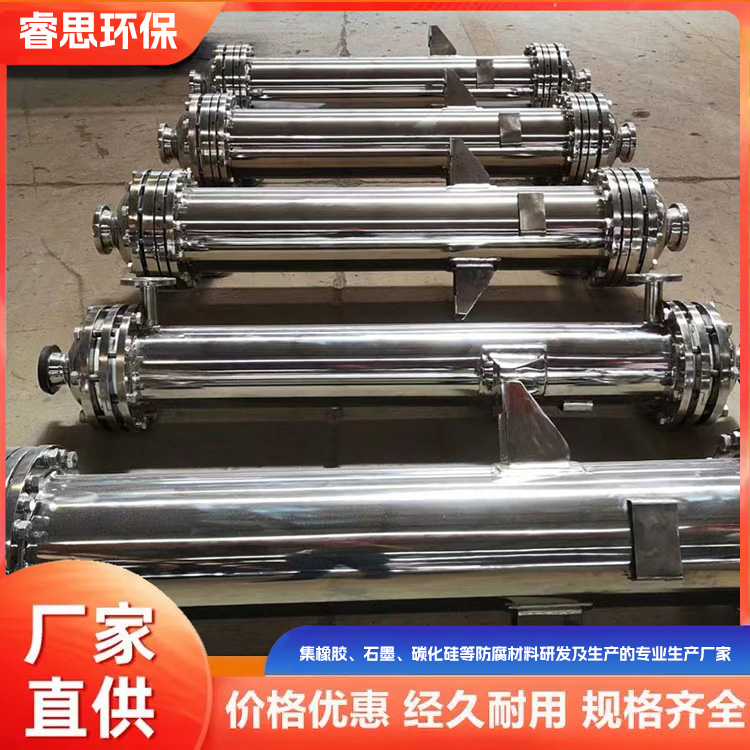
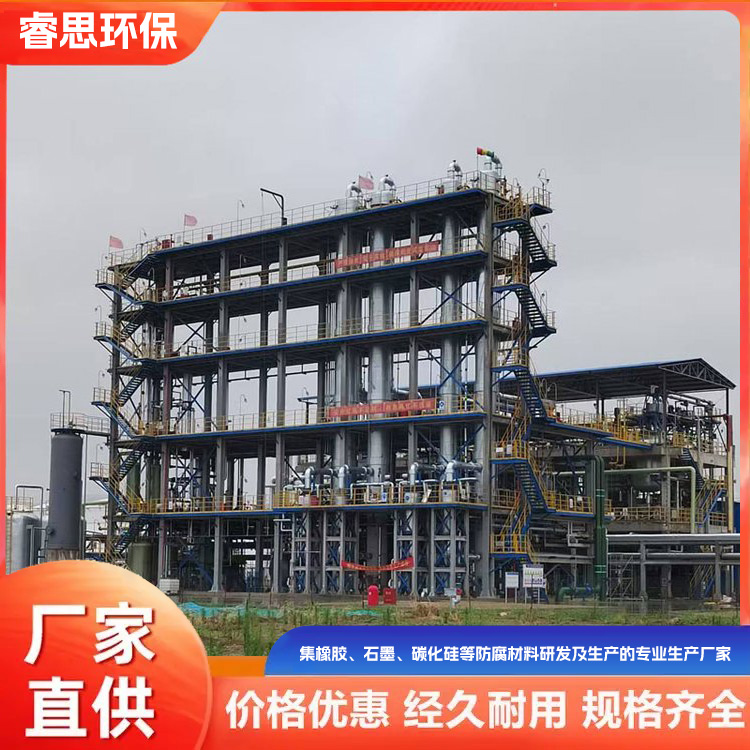
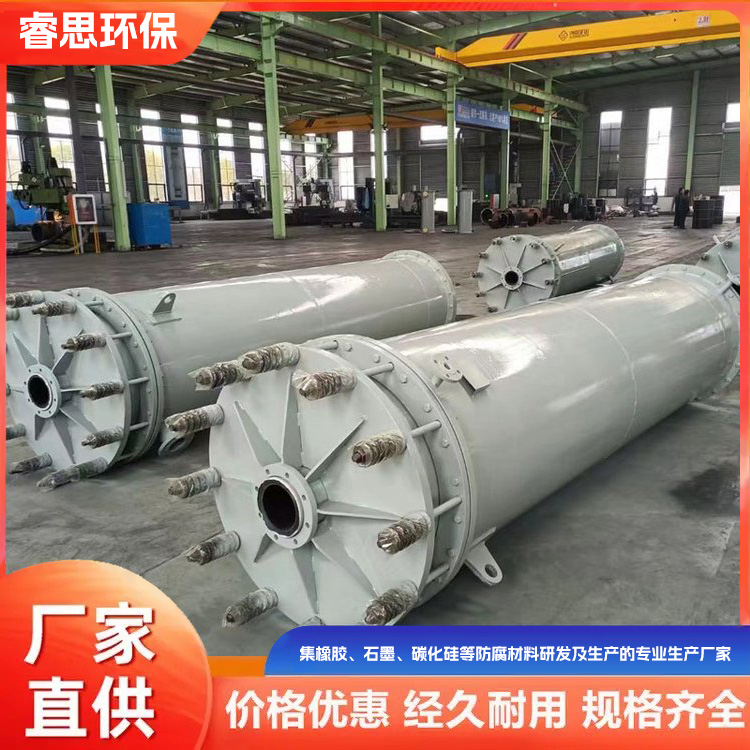
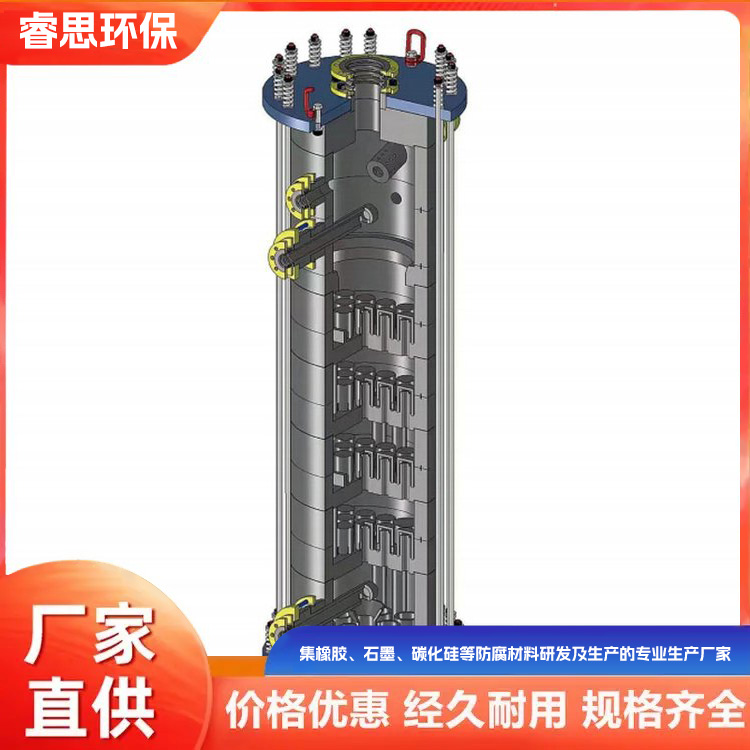
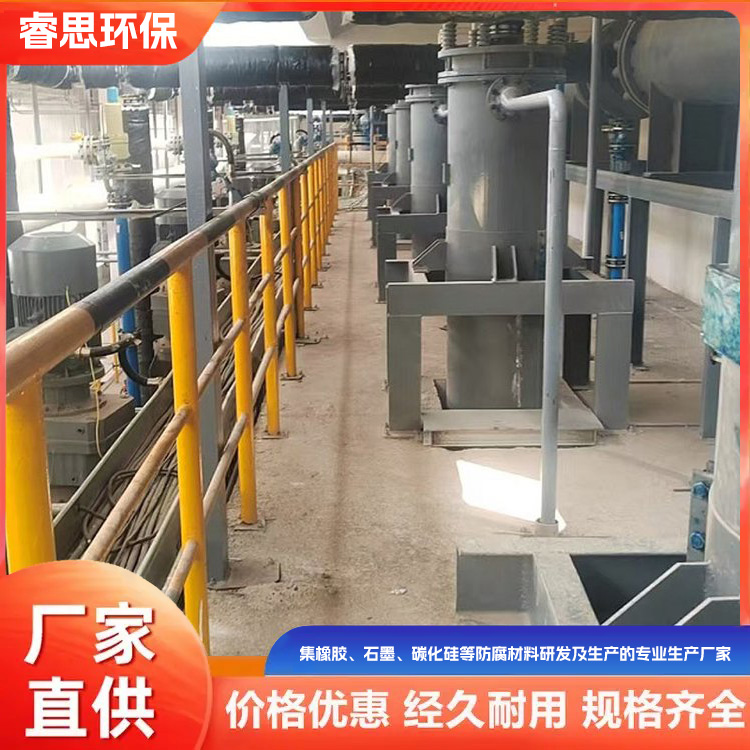







The cold storage cold plate heat exchangers used in the air conditioning industry have the following advantages:
High-efficiency heat exchange
High thermal conductivity; the reversed assembly of the plates, with their complex corrugated shapes, creates intricate flow channels that induce strong turbulence in the heat exchange medium, significantly enhancing the heat transfer efficiency. Compared to other types of heat exchangers, under the same heat exchange area and operating conditions, the cold storage plate heat exchanger can transfer heat more rapidly and effectively, thereby improving the cooling or heating performance of the air conditioning system.
2. Large logarithmic mean temperature difference, with minimal temperature difference at the ends; cold and hot fluids often flow in a parallel or counter-current manner within the heat exchanger, resulting in a higher logarithmic mean temperature difference correction factor. This allows for greater heat exchange efficiency at smaller temperature differences. This means that in air conditioning systems, it is possible to make more efficient use of cooling or heating energy, reducing energy waste.
Section 2: Energy Conservation and Consumption Reduction
Take advantage of peak-valley electricity price differences; store cold during the off-peak hours of the night when electricity rates are lower, and then release the stored cold to cool the air conditioning system during the day's peak usage, thereby reducing the electricity costs for air conditioning operation. The energy-saving effect is particularly significant for large commercial buildings, industrial factories, and other locations with heavy air conditioning loads.
2. Enhance the energy efficiency ratio of air conditioning systems; through highly effective heat exchange processes, energy losses during refrigeration or heating are reduced, contributing to improving the overall energy efficiency ratio (COP) of the air conditioning system and lowering energy consumption, in line with energy-saving and emission-reduction requirements.
Three, compact structure
Small land occupation; The plate structure of the cold storage cold plate heat exchanger is compact, with a large heat exchange area per unit volume, enabling greater heat exchange capacity within a limited space. This is of significant importance for places with limited building space, such as high-rise buildings and underground malls, as it can save the land area for air conditioning rooms and improve the utilization of building space.
2. Lightweight; The cold storage plate heat exchanger is lighter than other types of large heat exchange equipment, making it easier to install and transport, thereby reducing the difficulty and cost during installation.
Four: Stable and Reliable Operation
Excellent pressure-bearing capacity; under reasonable design and manufacturing conditions, the cold storage plate heat exchanger can withstand certain pressure, ensuring that there will be no leaks or damage due to pressure changes during the operation of the air conditioning system, thereby guaranteeing the stable operation of the system.
2. High adaptability; exhibits excellent adaptability to changes in conditions such as temperature, pressure, and flow, maintaining superior heat exchange performance under varying operating conditions. Even under significant fluctuations in the load of the air conditioning system, it can consistently provide the required cooling or heating to the system.
V. Easy Maintenance
1. Easy to disassemble and clean; when the heat exchanger requires maintenance or cleaning, simply loosen the clamping bolts, move the movable end plate, and remove the plate for cleaning. This design feature simplifies maintenance, making it convenient and cost-effective. Regular cleaning also maintains the heat exchanger's optimal heat exchange performance, extending the equipment's lifespan.
2. Easy for Maintenance; The structure of the cold storage plate heat exchanger is relatively simple, making it easy to troubleshoot and repair. In case of any issues, the fault can be quickly located and rectified, minimizing the impact of equipment downtime on the air conditioning system's operation.
Six. Wide application range; suitable for various types of air conditioning systems, such as centralized air conditioning, distributed air conditioning, and commercial air conditioning. It can also be used in conjunction with different refrigeration units, heat pump systems, etc., to meet the needs of various users.