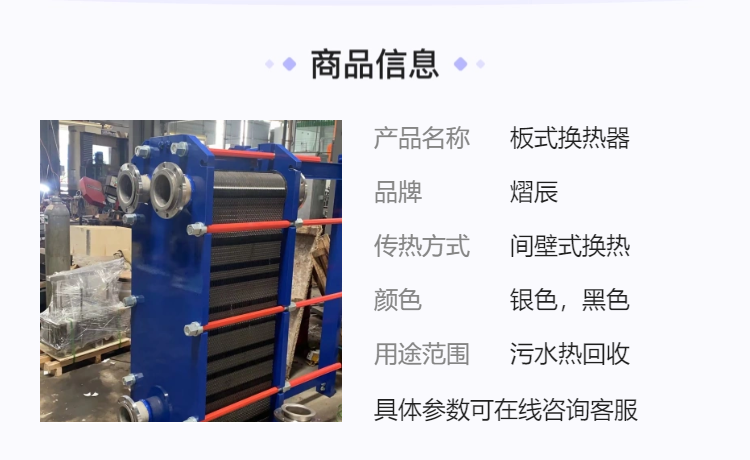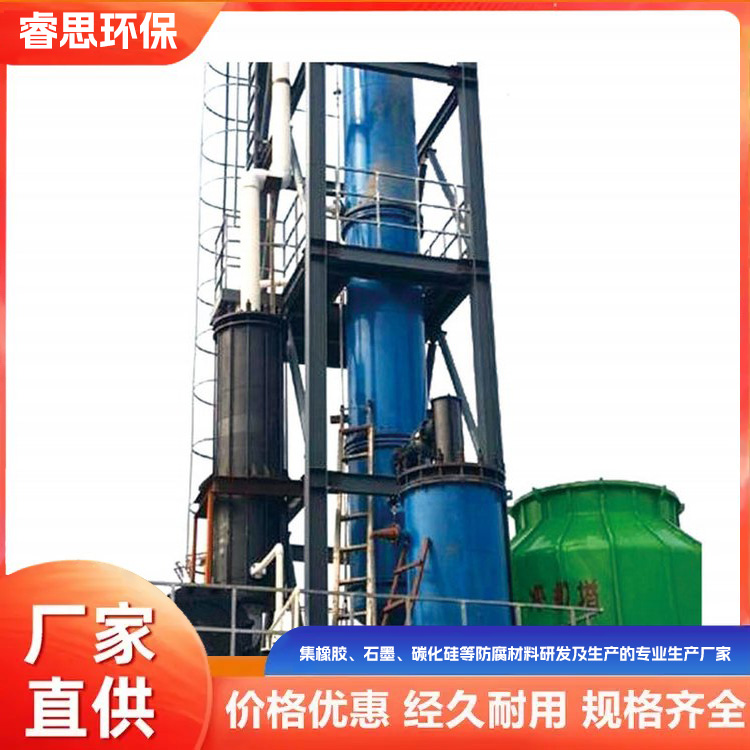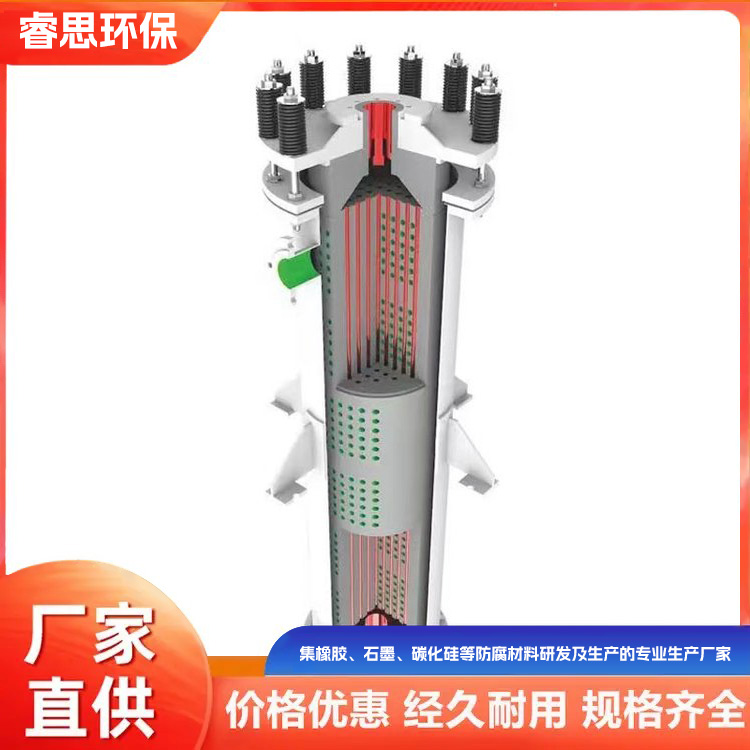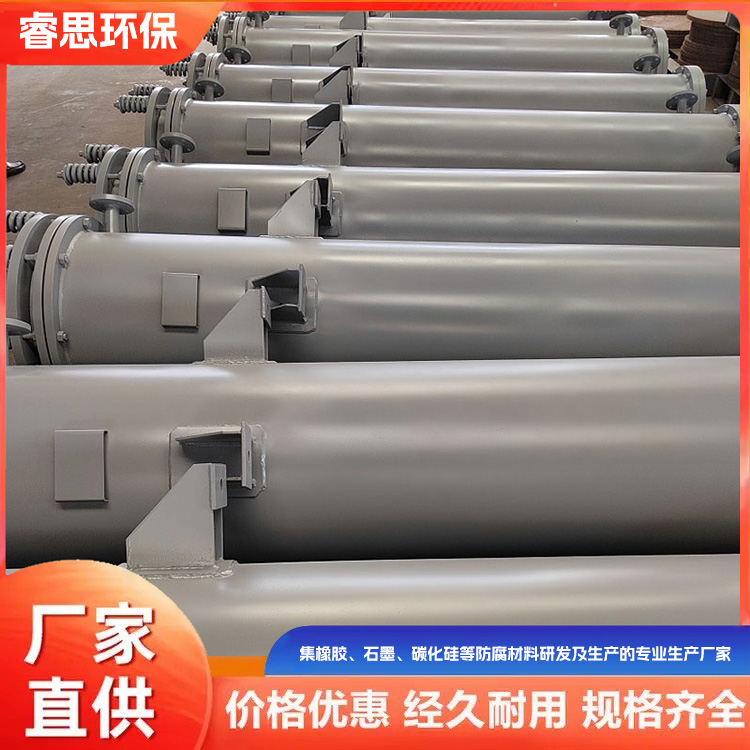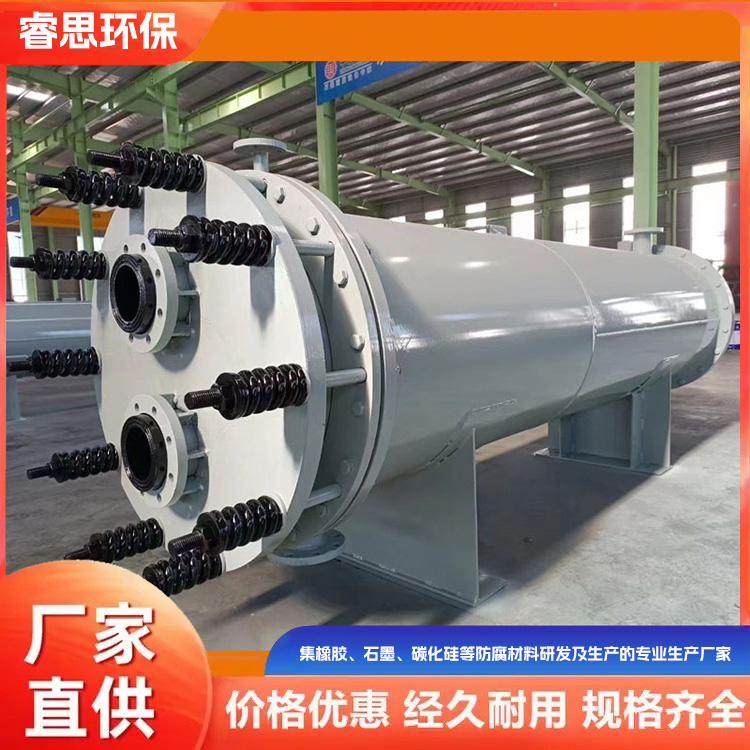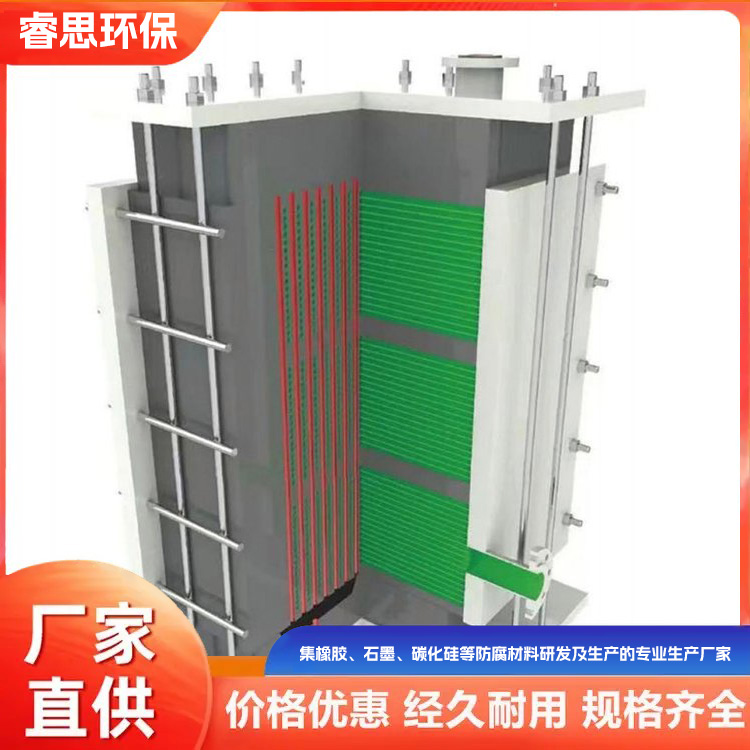


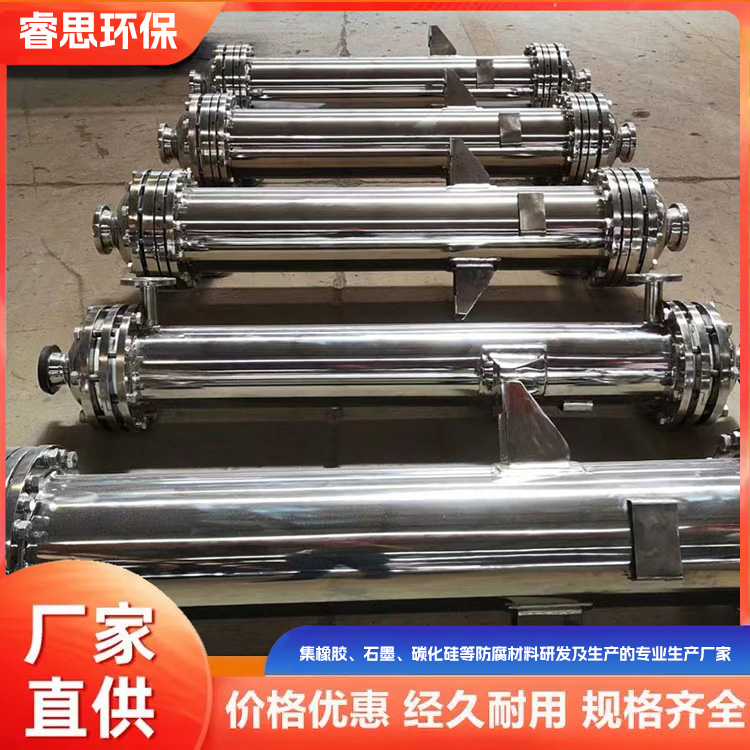
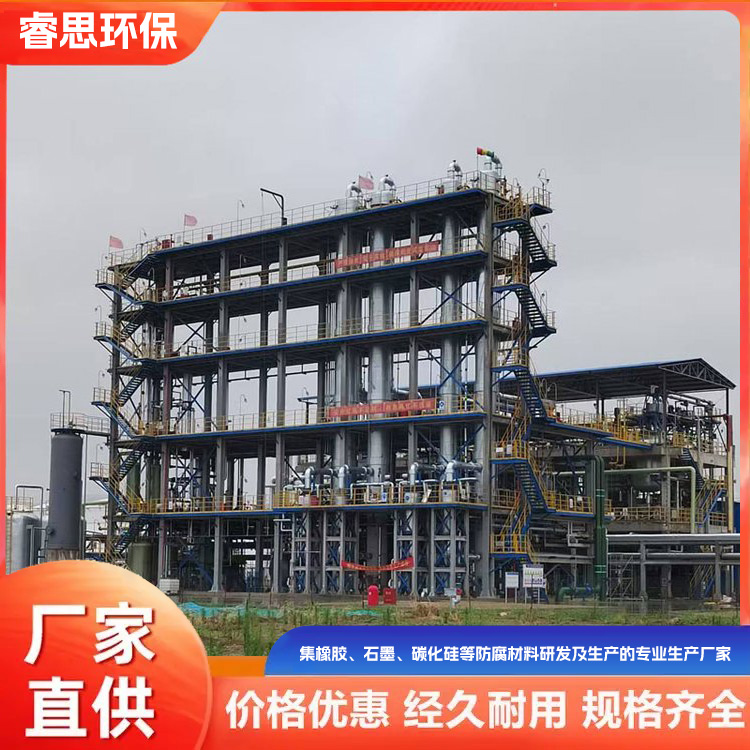
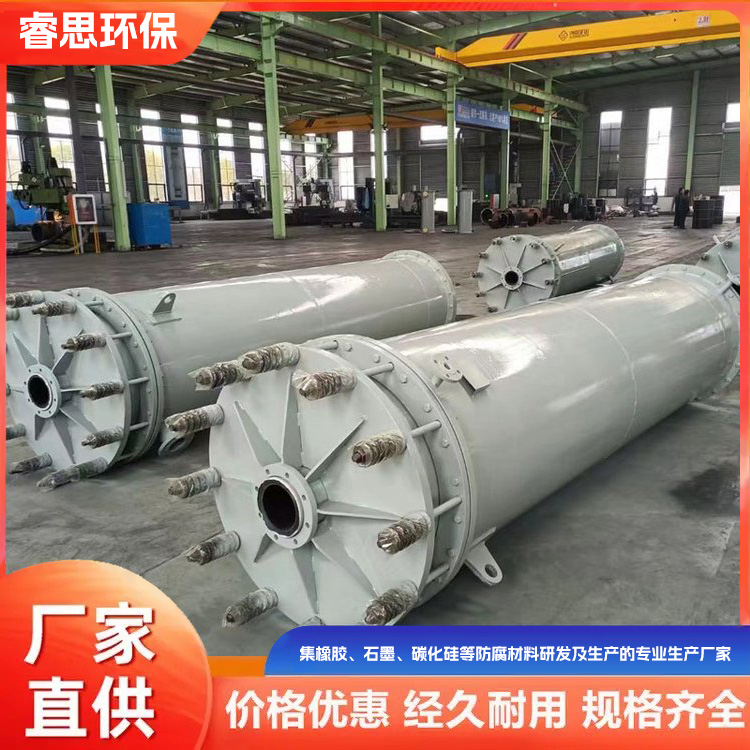
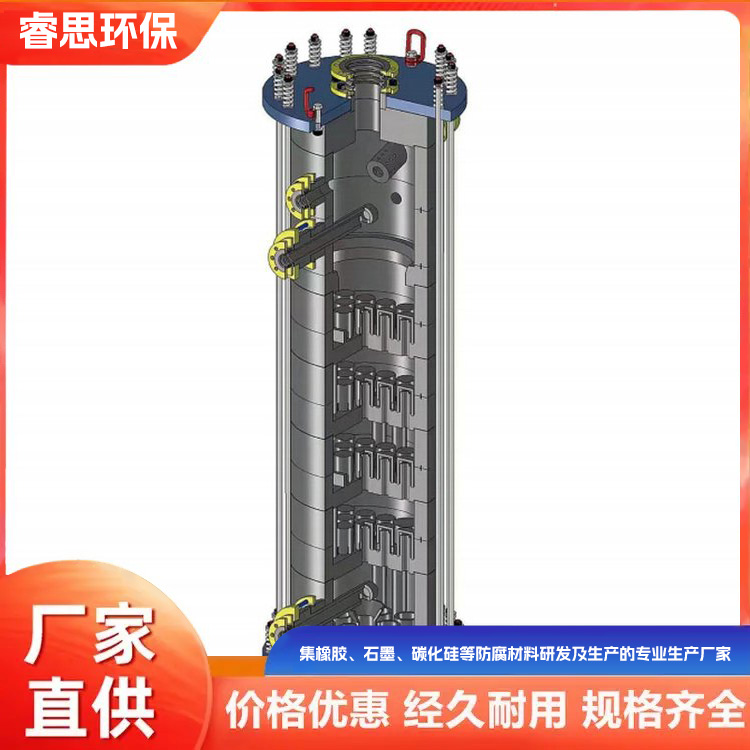
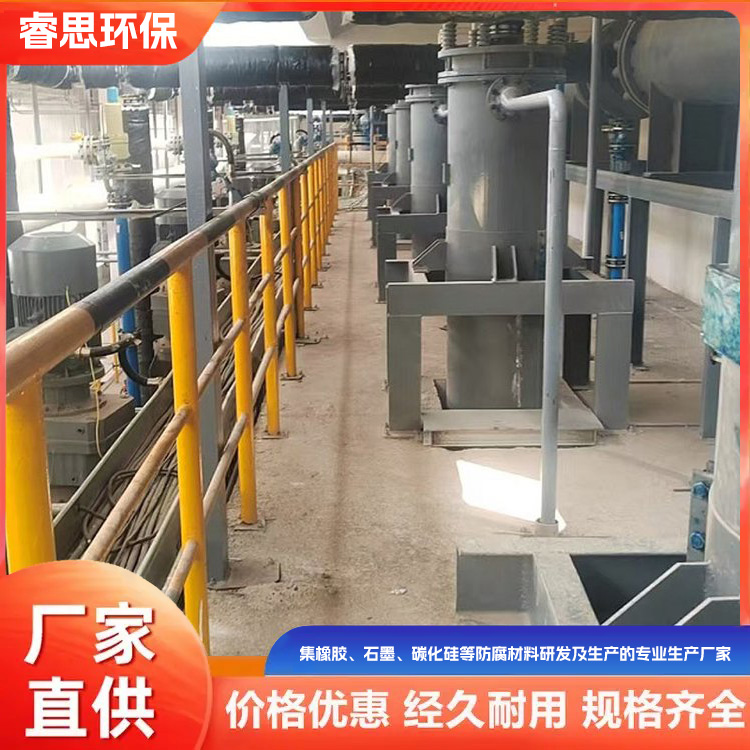







Heat exchangers feature the following characteristics:
High heat exchange performance
High thermal conductivity; heat exchangers typically employ special structural designs such as corrugated plates and finned tubes, which increase the heat exchange area and enhance fluid turbulence, allowing for rapid heat transfer. Consequently, they possess a higher thermal conductivity. For instance, the thermal conductivity of plate-type heat exchangers can be 3 to 5 times higher than that of traditional shell-and-tube heat exchangers.
2. High heat exchange efficiency; capable of heat exchange under small temperature differences, effectively utilizing thermal energy, and reducing energy waste. For instance, in some industrial production processes, waste heat can be recovered and utilized through heat exchangers, improving the comprehensive energy utilization rate.
Section 2: Compact Structural Design
Small land area; Heat exchangers have a compact structure with relatively small volume, especially the new compact models such as plate-fin and spiral plate heat exchangers. This is highly advantageous for production sites or equipment installation areas with limited space, as it saves valuable land resources.
2. Lightweight; thanks to the use of lightweight materials and a compact structural design, the heat exchanger is lightweight, making it easy to transport and install. This not only reduces transportation costs but also lessens the requirements for the installation foundation.