










No new stations are allowed to be added for either two-stop or three-stop whole-zero trains. The purpose is to expedite cargo delivery and prevent the unlimited delay of trucks en route.
When the first (or second) station does not handle hazardous goods, no hazardous goods for the second (or third) station may be loaded in the carriage. Since the first (or second) station does not handle hazardous goods, it often lacks knowledge and relevant safety equipment, which can easily lead to accidents during loading and unloading operations. Perishable goods may only be loaded at the first station to prevent spoilage due to delays en route.
To expedite the transportation of less-than-truckload (LTL) shipments and minimize transshipment次数, enhancing efficiency, it is essential to develop an LTL vehicle organization plan based on the regularities of LTL cargo flows. This plan should allocate transshipment volumes rationally among transshipment stations. The LTL vehicle organization plan identifies several LTL vehicle organization and transshipment stations, along with the scope of transshipment for LTL cargo between them. It serves as the fundamental basis for the transshipment of LTL cargo among stations.
Less-than-truckload (LTL) freight stations with high volumes of shipments adopt a method of carrying LTL goods based on the carrier's schedule. By carrying...
The schedule will rationally concentrate scattered cargo flows, arranging different carrier dates for various destinations and directions of less-than-container load (LCL) goods. This not only optimizes the use of cargo equipment, organizing a number of direct and full LCL shipments, but also reduces cargo congestion, facilitating production and transportation planning for material units. Therefore, compiling a carrier date schedule is an important means to organize LCL cargo transportation in a planned manner and enhance its quality and efficiency.
In the 1950s, as countries worldwide began using container transport, the volume of less-than-truckload (LTL) freight shipments decreased. In China, the volume of LTL freight accounted for about 2% of the total railway freight volume.
Road Less than Truckload (LTL)
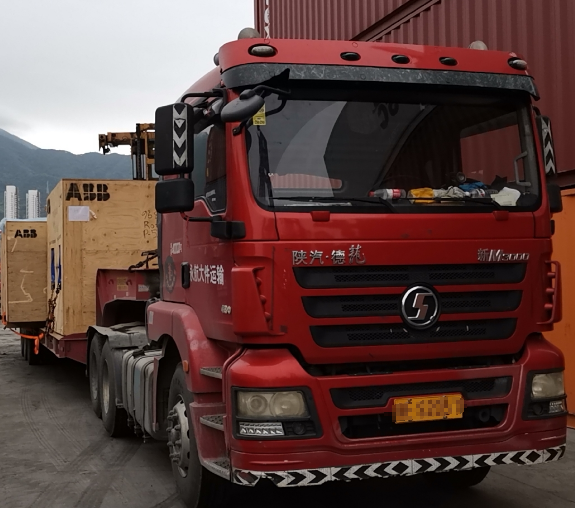
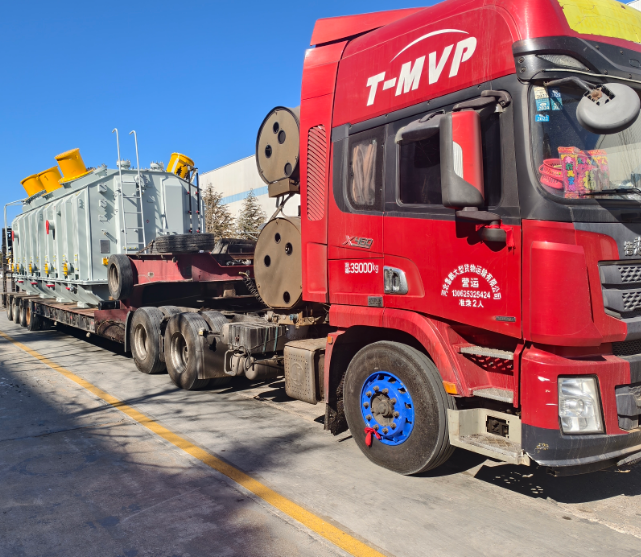
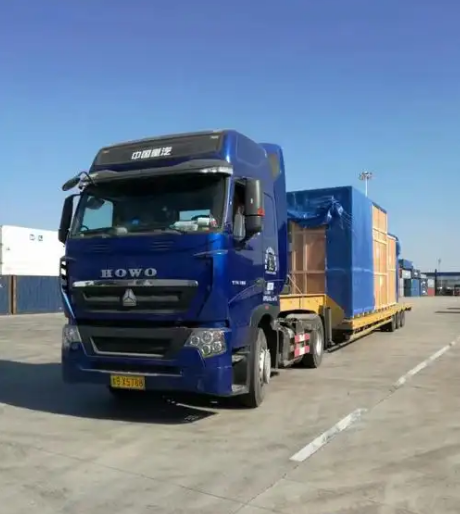
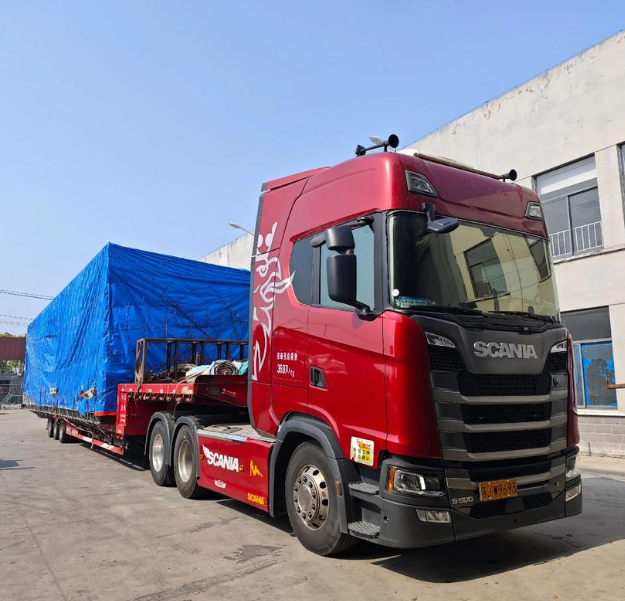
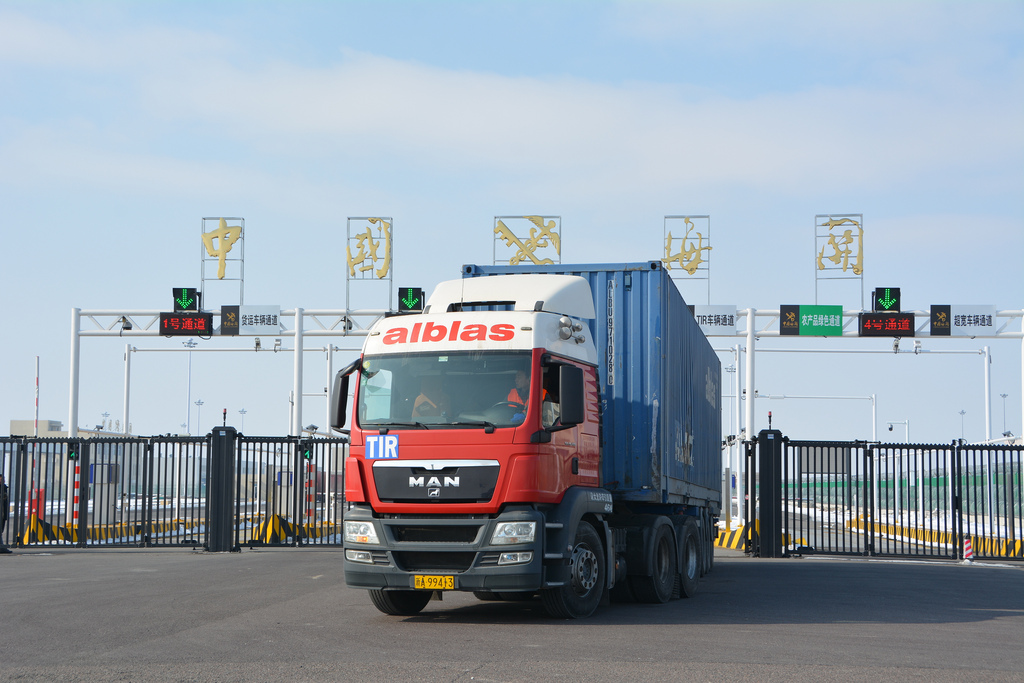
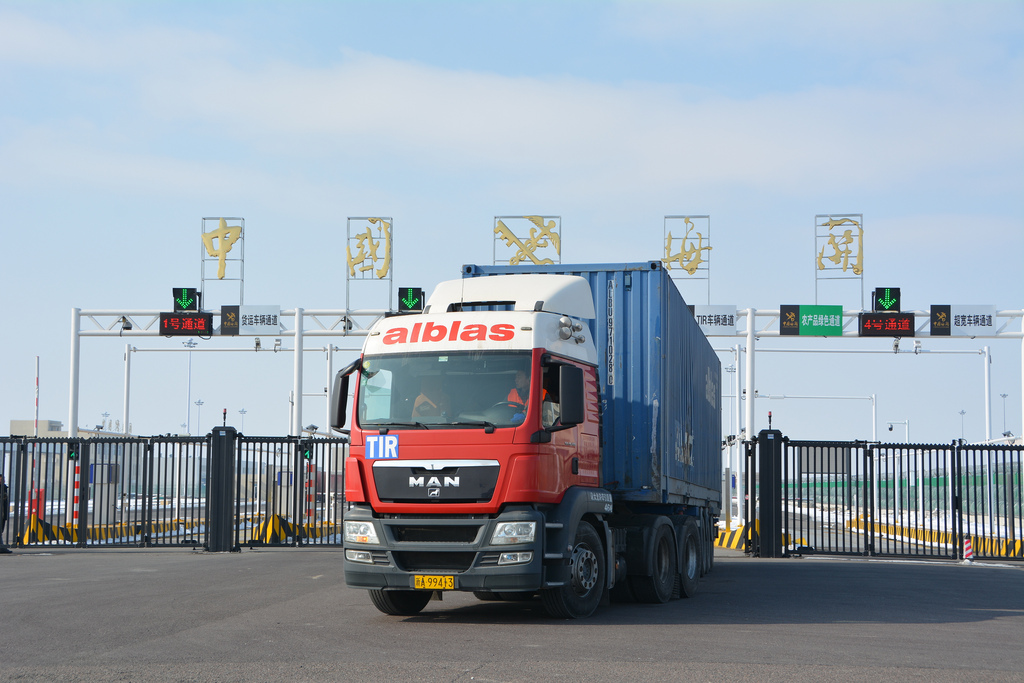
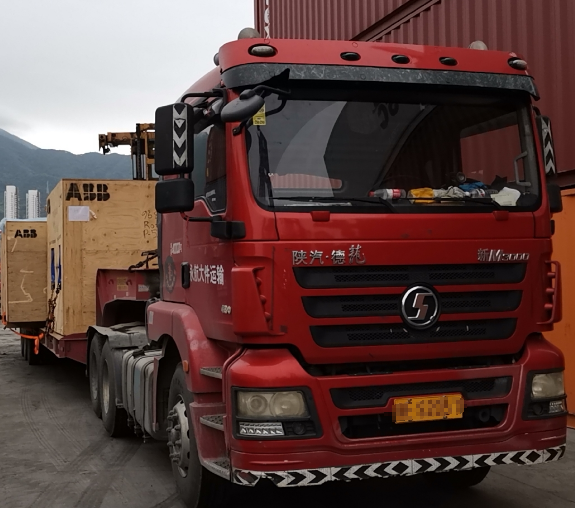
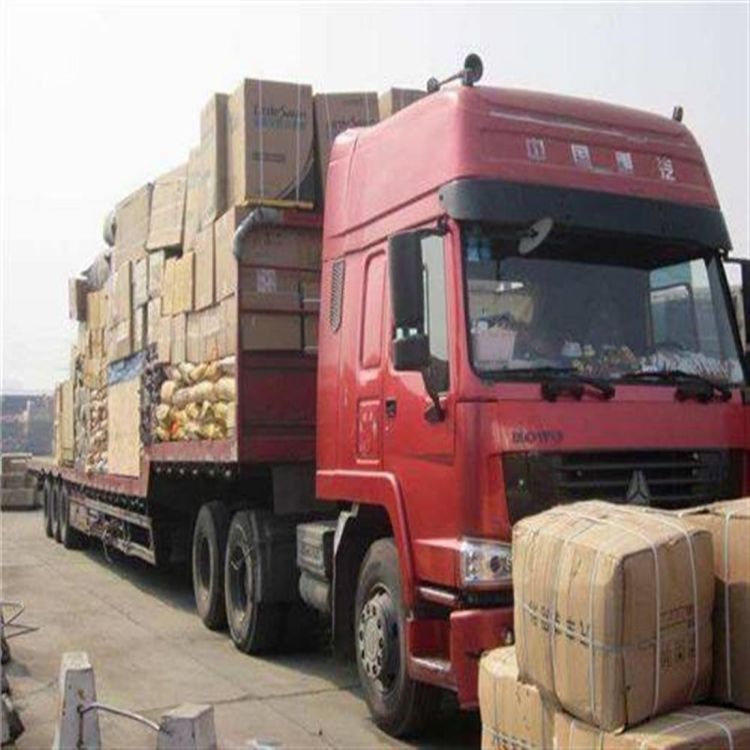
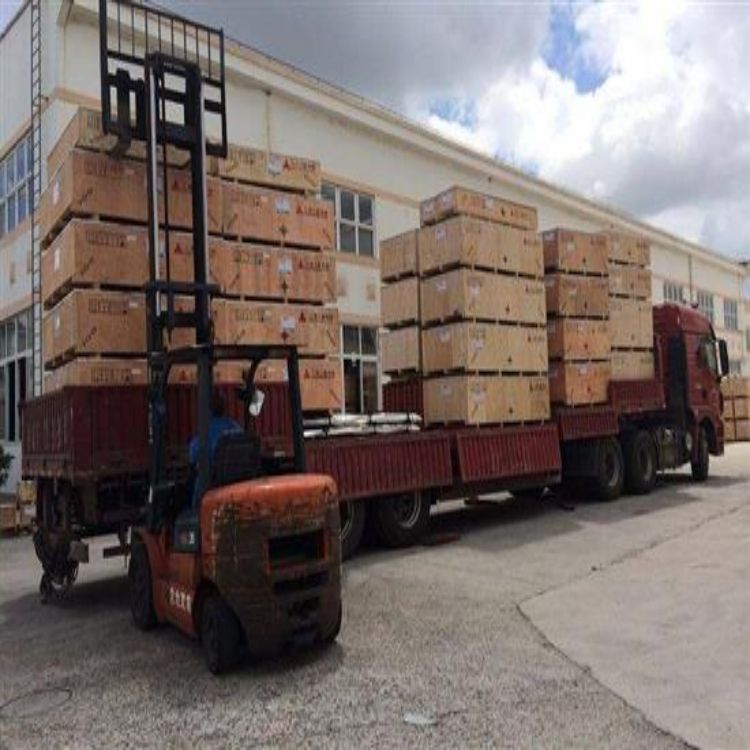
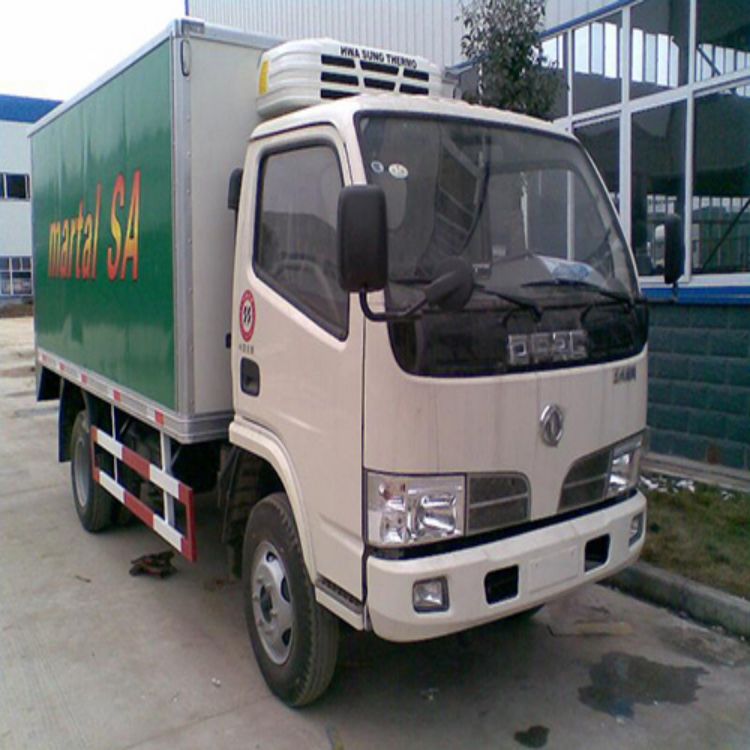
Automobile transportation companies handle shipments that do not meet the full truckload weight limit, known as automobile less-than-truckload (LTL) freight. Different countries have varying regulations regarding weight limits based on specific circumstances at different times. China's Department of Highway Motor Transportation has established the "Regulations for Highway Motor Freight Transportation," which states that shipments weighing less than 3 tons are considered LTL freight. The price for LTL freight is higher than that for full truckload freight. Operating LTL freight services helps meet the needs of various scattered shipments and also broadens the source of goods for automobile transportation companies. The characteristics of LTL freight transportation include small batch sizes, a wide variety of goods, scattered stations, and stringent organizational requirements. [2]
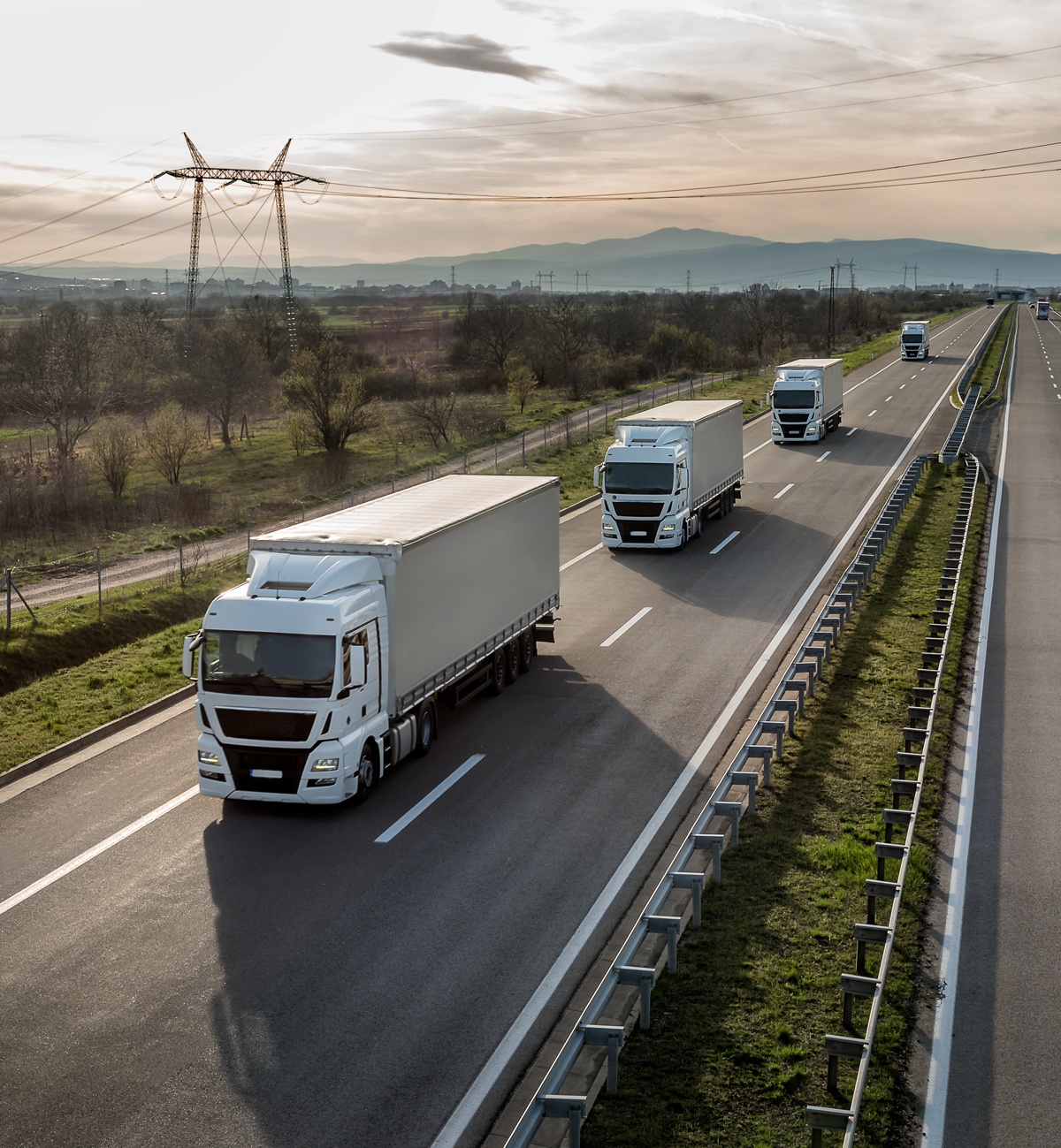
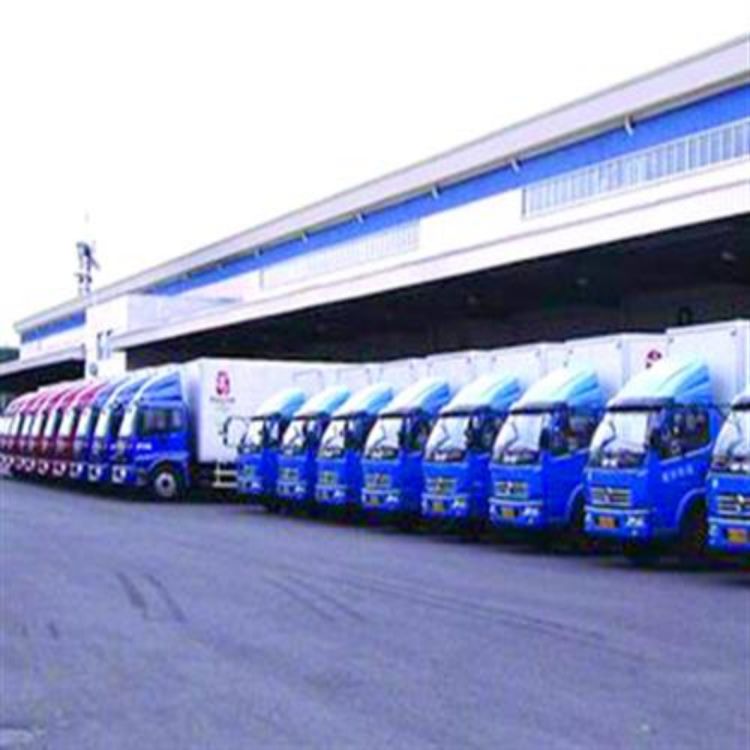
To operate auto-lot cargo transportation services, select reasonable auto-lot cargo routes, establish corresponding auto-lot cargo stations, determine the operation cycle, and run auto-lot cargo buses. Auto-lot cargo routes typically center around cities or major railway and waterway stations as hubs, extending to surrounding towns for cargo collection and distribution. Auto-lot cargo stations are collection and distribution points for cargo, equipped with storage warehouses, loading and unloading equipment, and business, tallying, and loading/unloading personnel to match cargo flow. Auto-lot cargo stations are categorized into general auto-lot cargo stations, transfer and combined transport stations, and hazardous goods auto-lot cargo stations. Auto-lot cargo buses usually use specialized cargo vehicles, operate on fixed routes and stations, and run on a regular schedule. The schedule is determined based on the flow of auto-lot cargo and the carrying capacity of the vehicles, generally including daily, every other day, three-day, five-day, and ten-day schedules.
Automobile transportation companies, when handling roadless cargo freight or implementing combined transport with rail, water, and air, usually adopt a method of entrusting the starting station, one-time shipment, one-time billing, transshipment at intermediate stations, and delivery at the destination, along with full-process transportation responsibility system. To facilitate the shipment of less-than-container loads, automobile transportation companies typically offer various services to shippers, including phone shipment, letter-cable shipment, on-site loading, delivery to the doorstep, and packaging services.