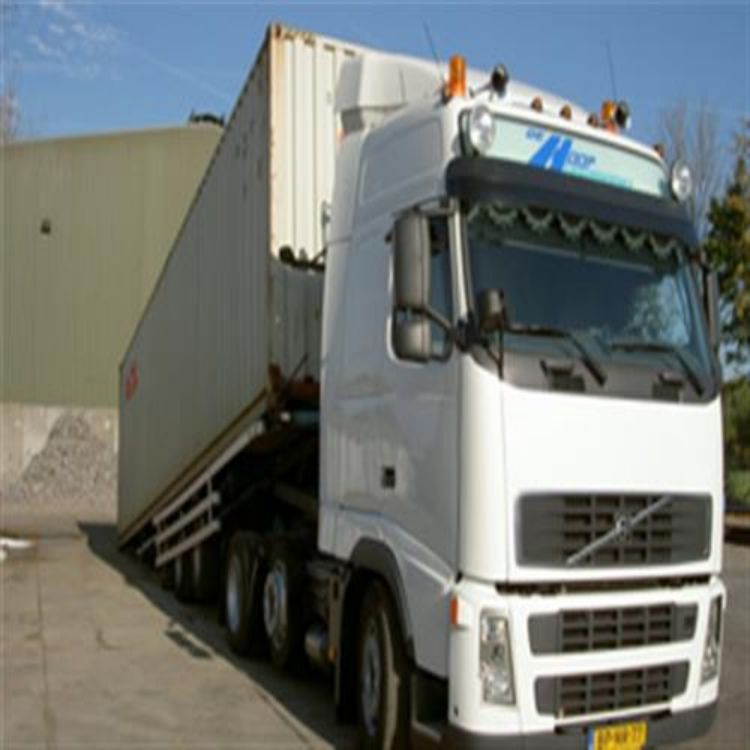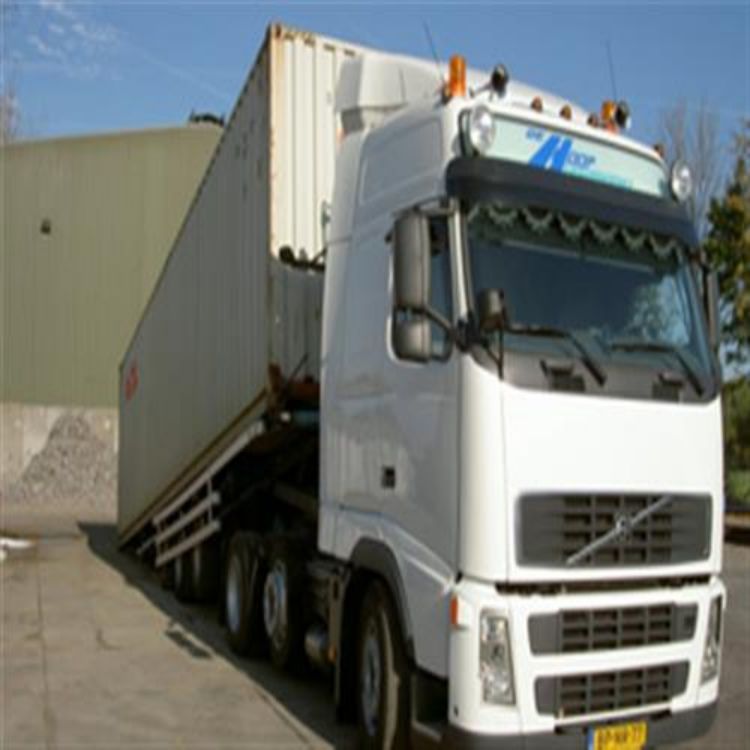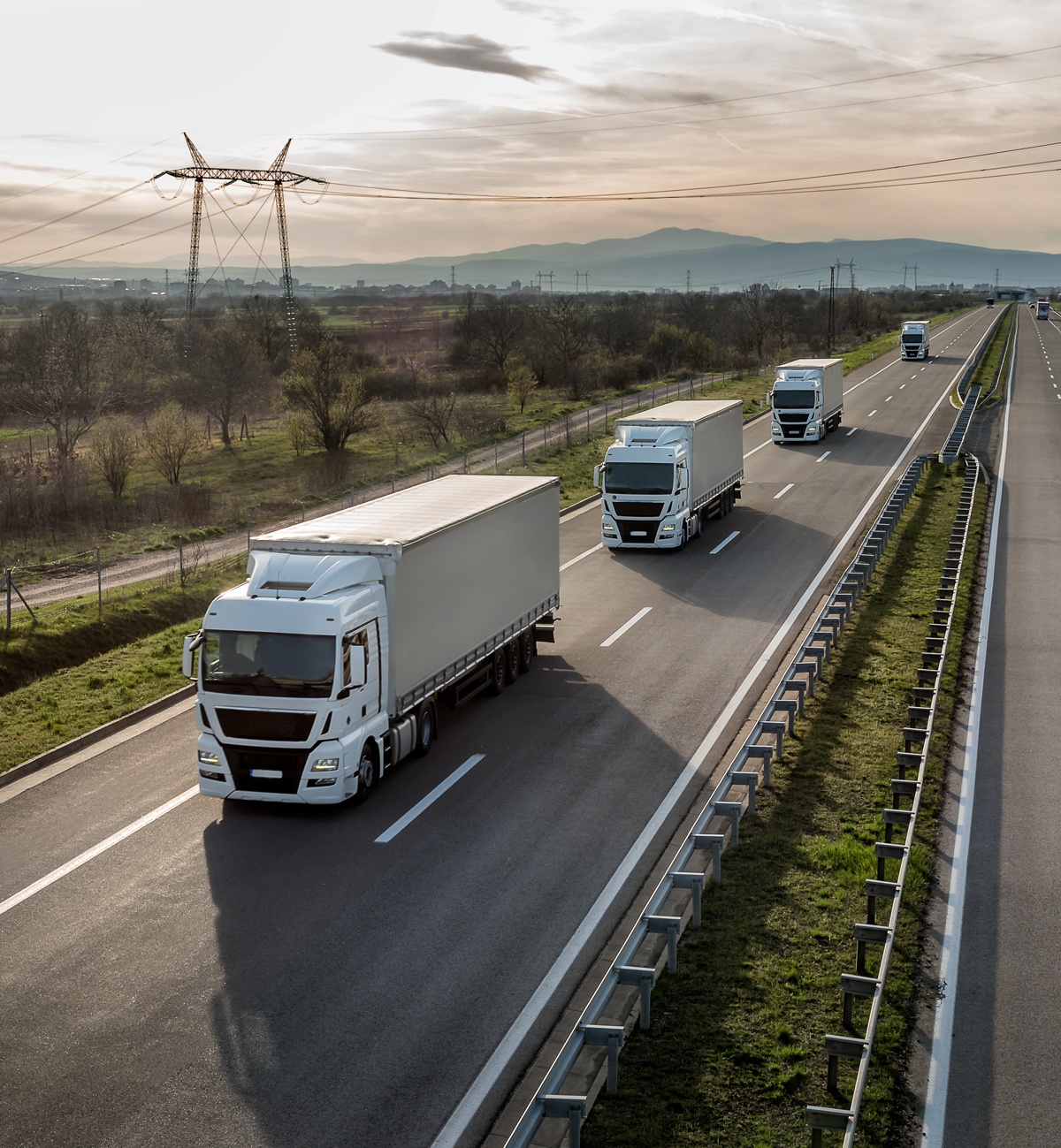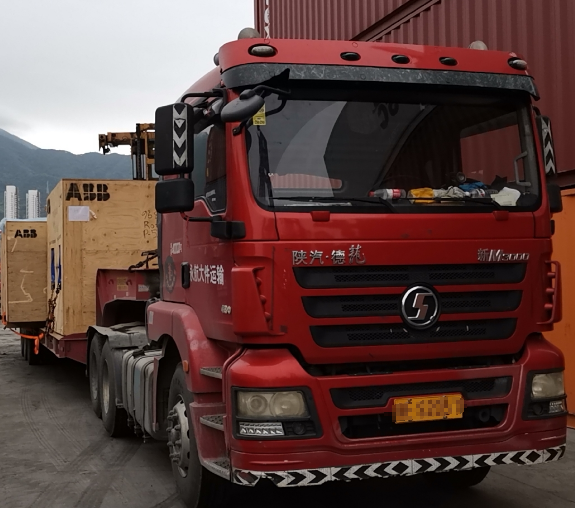


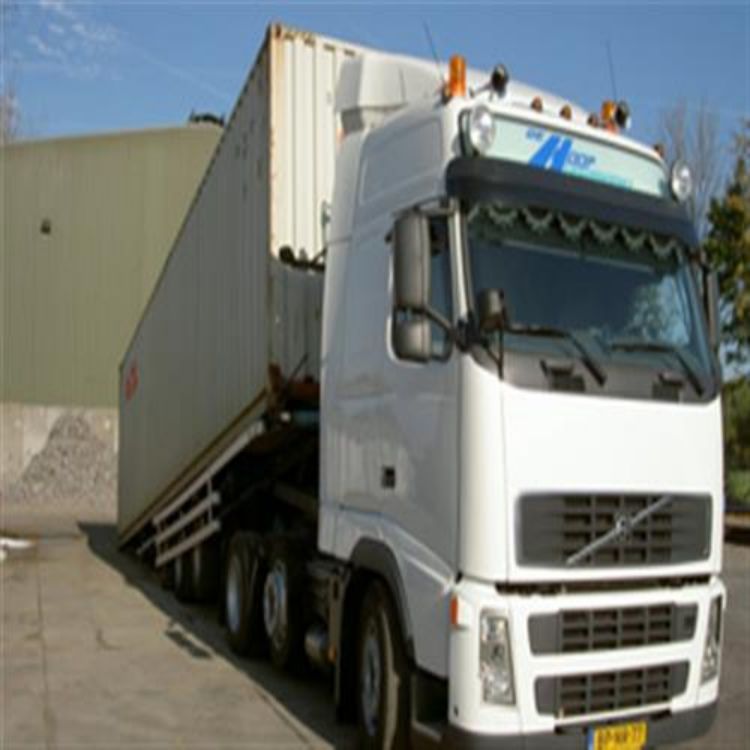
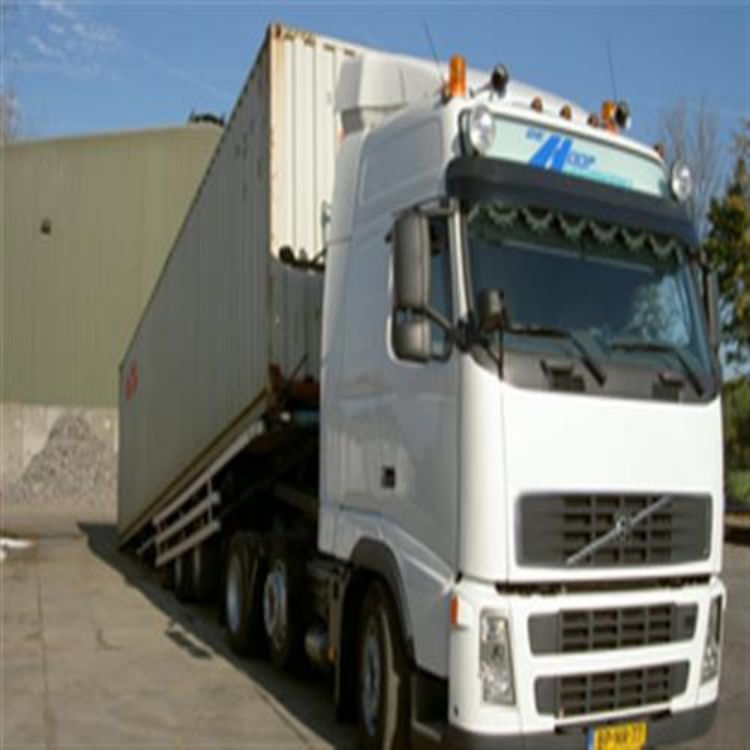


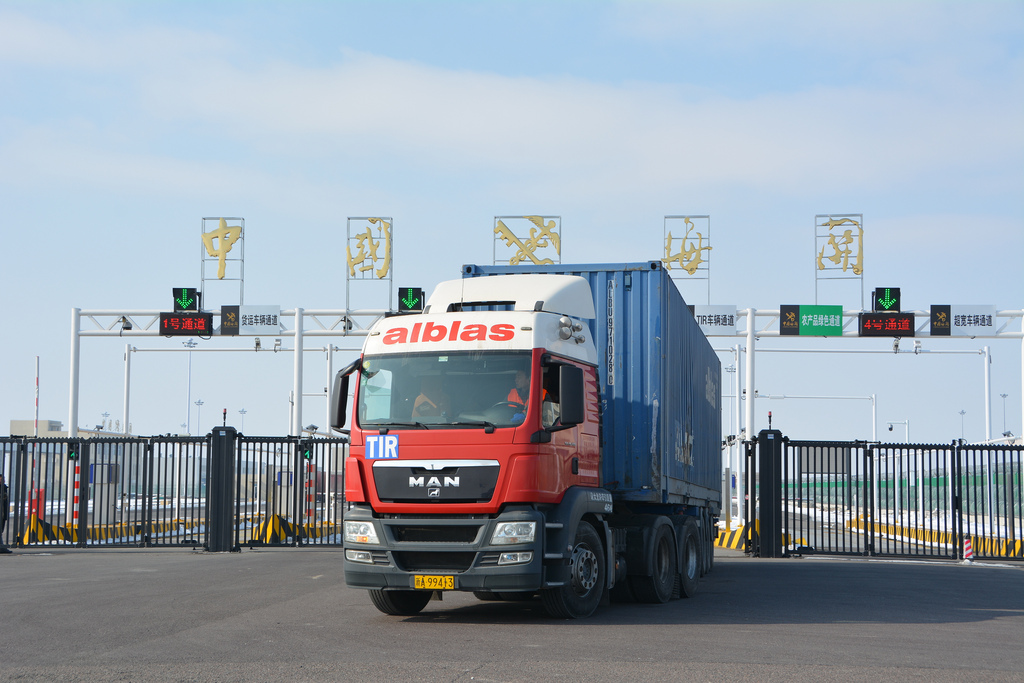
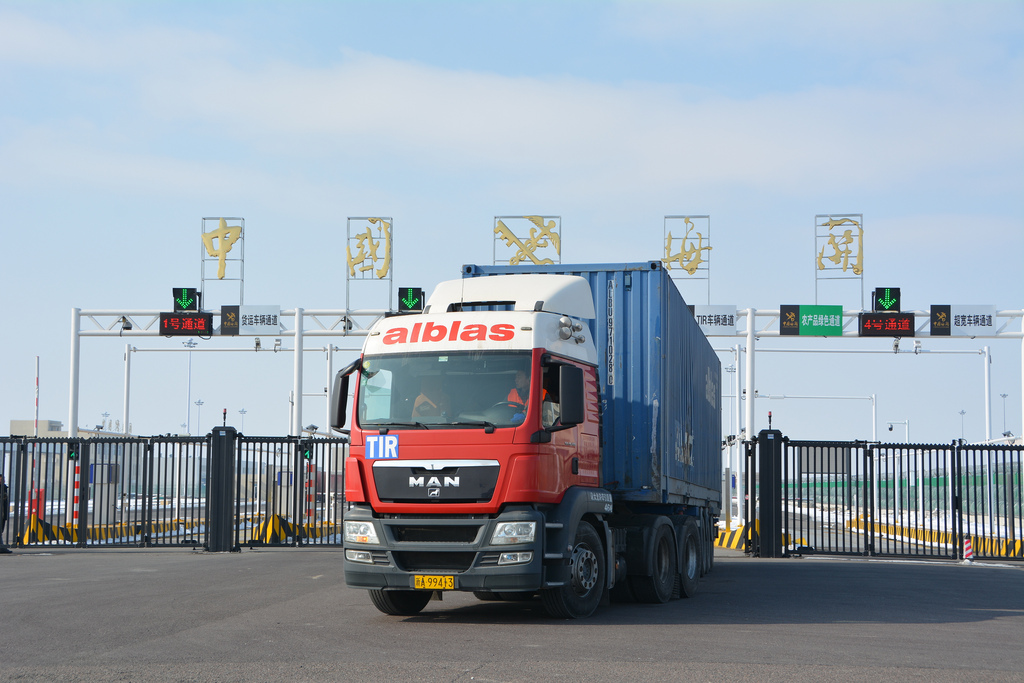





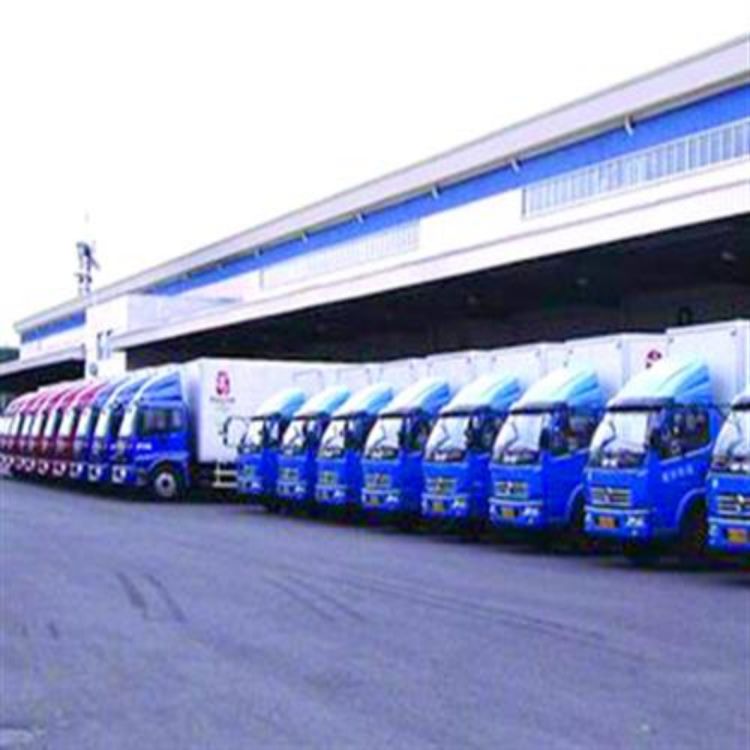
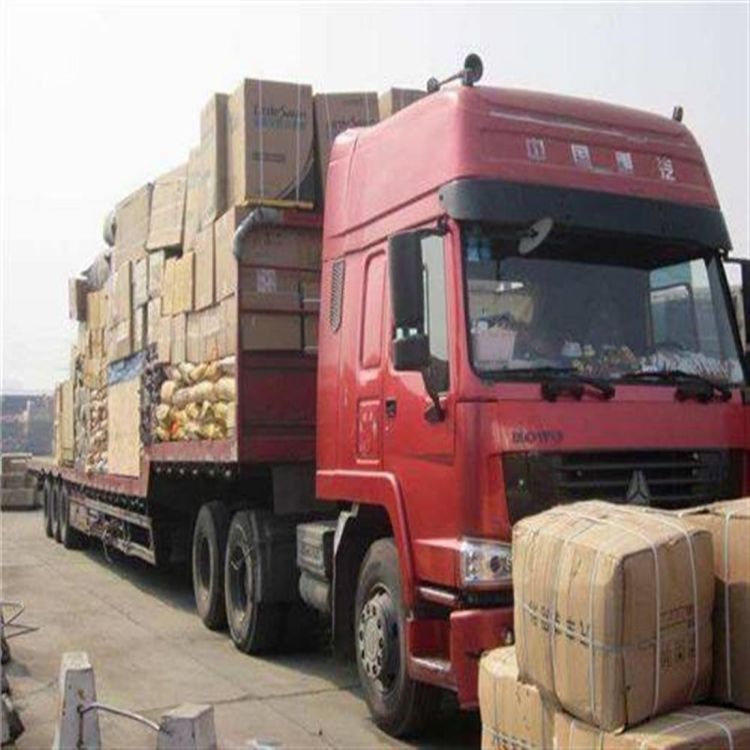
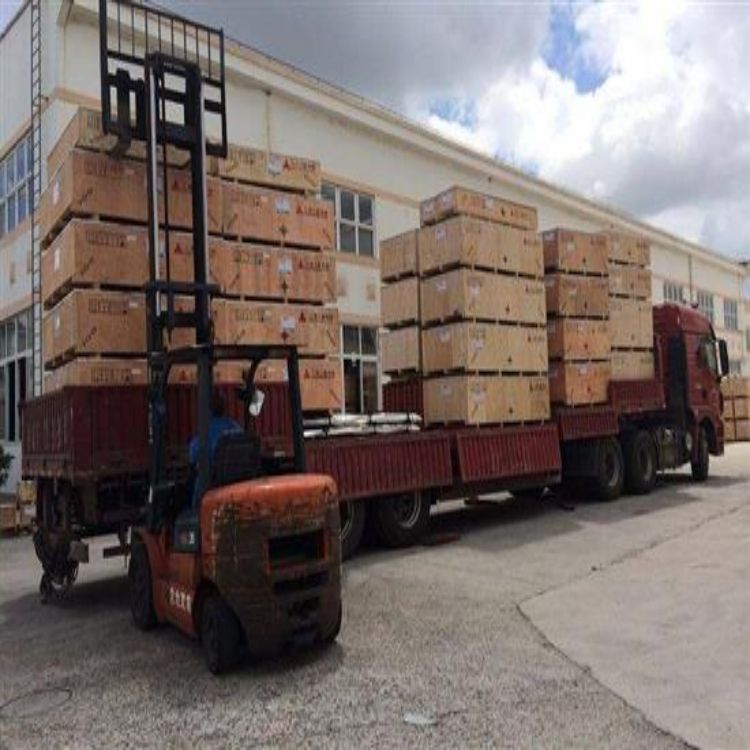
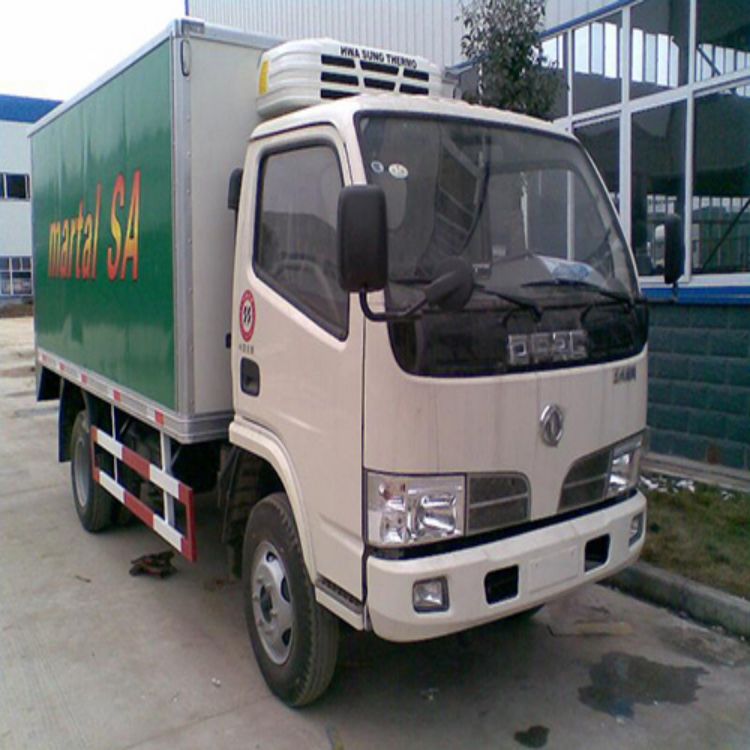
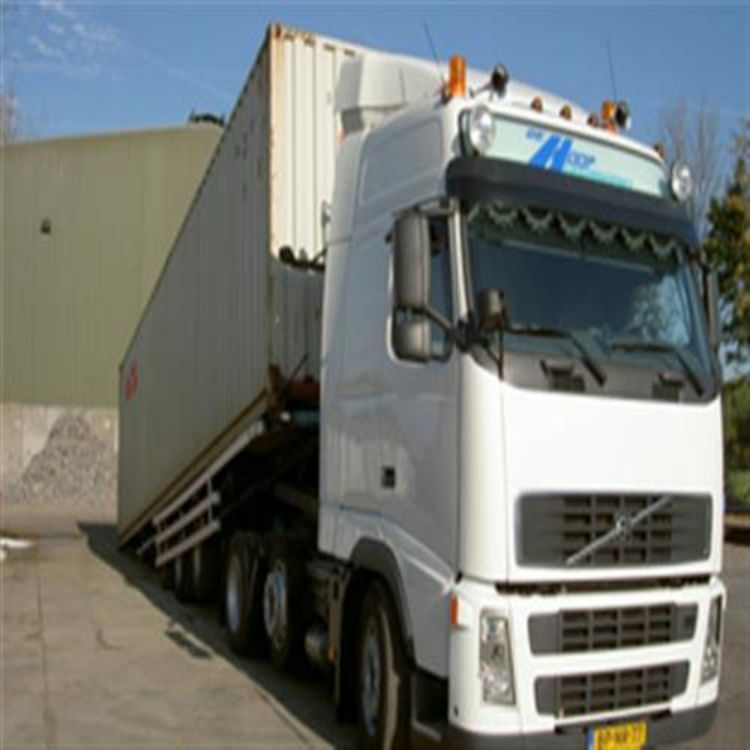
What is full truckload (FTL) transportation?
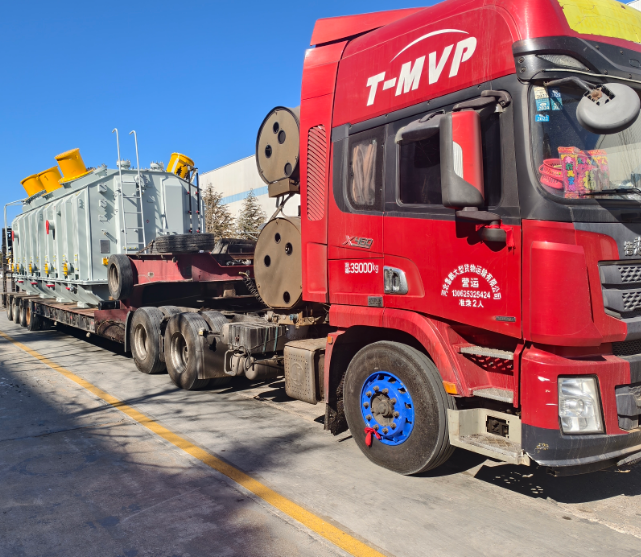
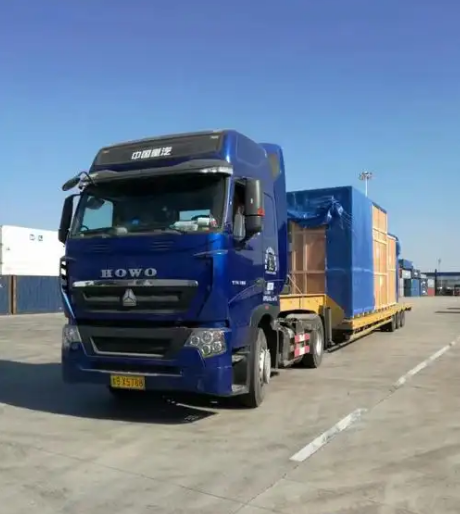
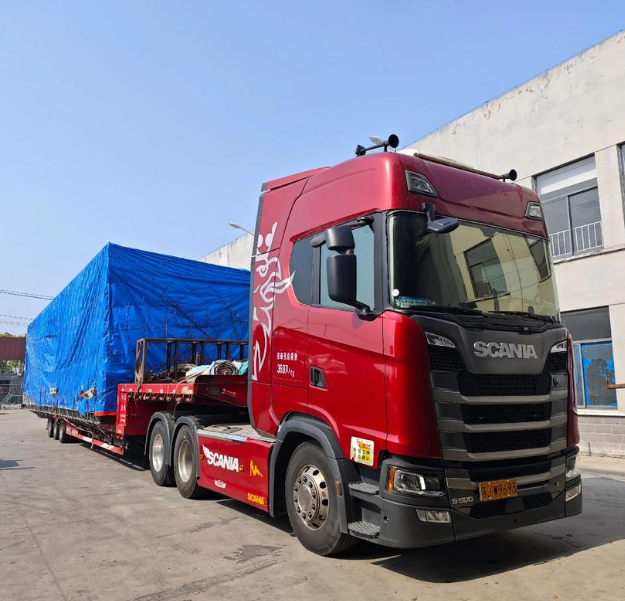
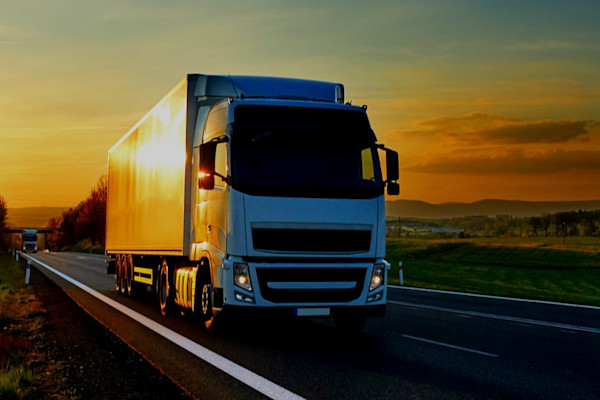
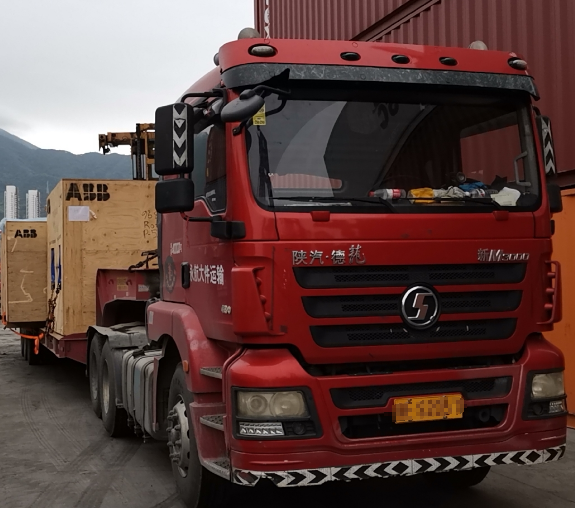
Whole vehicle transport refers to shipping a batch of goods that occupies at least one cargo wagon (or a truck in road transport) for rail or road transportation.
[Editor]整车 transportation methods
It comes in two forms:
Firstly, the vehicle is delivered directly, with charges based on the weight standard tonnage of the truck and the distance of transportation.
Secondly, it is the consolidation of full trucks for partial unloading. This involves goods that have the same origin and transportation stations but different destination stations being combined into full trucks, with unloading at each respective destination station. The transportation department charges the consignor based on the standard tonnage of the cargo and the distance to the destination station.
[Editor] Full Container Train Transportation
(—) Requirements for Handling Full Truckload Transportation
All shipments weighing, characterized, or sized to require transport by one or more trucks are subject to full truckload conditions.
(2) Full Vehicle Disassembly, In-Transit Operations, On-Site Handling
When the shipper has insufficient goods to fill a full truckload for a single destination and cannot be handled as a loose shipment, it is required to load 2 or no more than 3 destinations from the same route onto one truck, and handle it as a whole truck for partial unloading.
When the loading or unloading location of a truck is not at a public loading and unloading facility, but along the railway line between the boundaries of two adjacent stations, it is referred to as intermediate operation.
Loading and unloading locations do not cross two stations or exceed the boundary of the station where the loading location is situated. This type of transportation is referred to as in-station boundary handling.
Whole vehicle unloading and in-transit operations are only permitted for cargo transported as a whole vehicle. Hazardous goods are not handled for in-station transfer or in-transit operations. If the shipper requires in-transit operations or in-station transfer, it must be noted on the monthly vehicle request plan (railway transportation service order), and can only be processed after railway approval.
(H) Hazardous Goods and Live Animal Transportation
Hazardous materials are those with properties such as flammability, explosiveness, corrosion, toxicity, and radioactivity, which can easily cause personal injury and property damage during transportation and require special protection. The names, packaging, markings, transportation restrictions, shipping procedures, and loading/unloading requirements for hazardous materials are all specifically regulated in the "Regulations for the Transportation of Hazardous Materials by Rail."
Fresh goods include perishable items (such as meat, fish, eggs, fruits, vegetables, and live plants) and live animals (such as poultry, livestock, animals, bees, live fish, and fry).
Perishable goods are further categorized based on their thermal state into frozen, cooled, and uncooled products. Perishable goods must not be transported together with non-perishable items, and goods with different thermal states must not be transported as a single batch.
(Four) Oversized Cargo Transportation
After loading onto the vehicle, any part of the cargo that exceeds the height or width limits of the railway locomotive or wagons, or exceeds loading restrictions in a specific section, is referred to as oversized cargo. Even if it does not exceed the limits when stationary on a straight track, if the inside or outside width is still oversized when traveling on a curve with a radius of 300 meters, it is also considered oversized cargo. Oversized cargo is categorized into three levels: First Class, Second Class, and Super Oversized, based on the degree of oversizing.
The shipper must submit the cargo waybill to the station when shipping oversized goods, and also provide three views of the cargo loading (end view, side view, top view), accurately marking the center of gravity location and dimensions of each part to determine the loading plan and the level of overdimensionality.
(Five) Quantity, weight carrying conditions, truck carrying capacity
1. Full truckload shipments are carried by piece count and weight, but the following goods are only carried by weight and not by piece count.
(1) Loose bulk cargo;
(2) Units of goods with the same specifications (3 types or fewer with the same specifications are considered as the same) in a batch exceed 2,000 pieces, and batches with different specifications exceed 1,600 pieces.
Some goods include daily necessities, stationery, televisions, and flour.