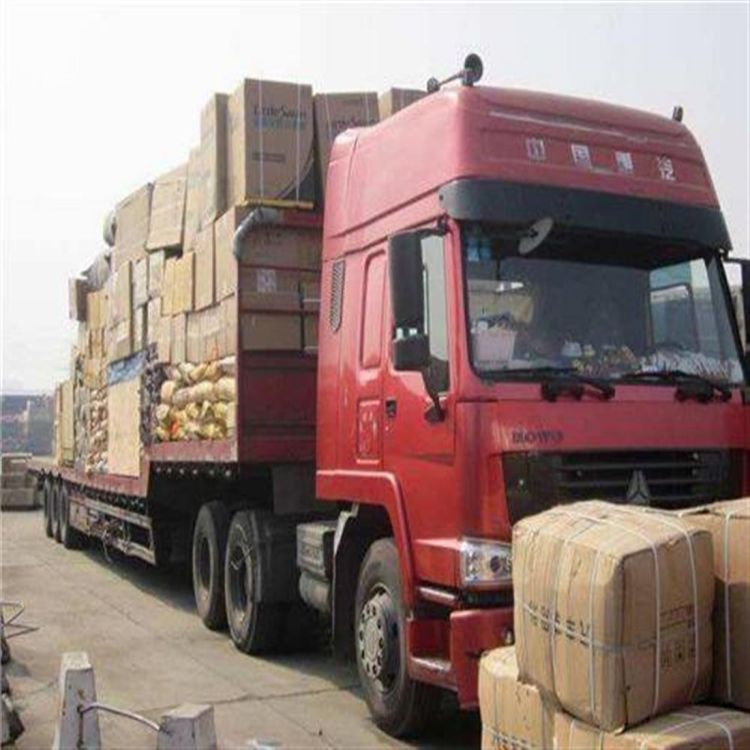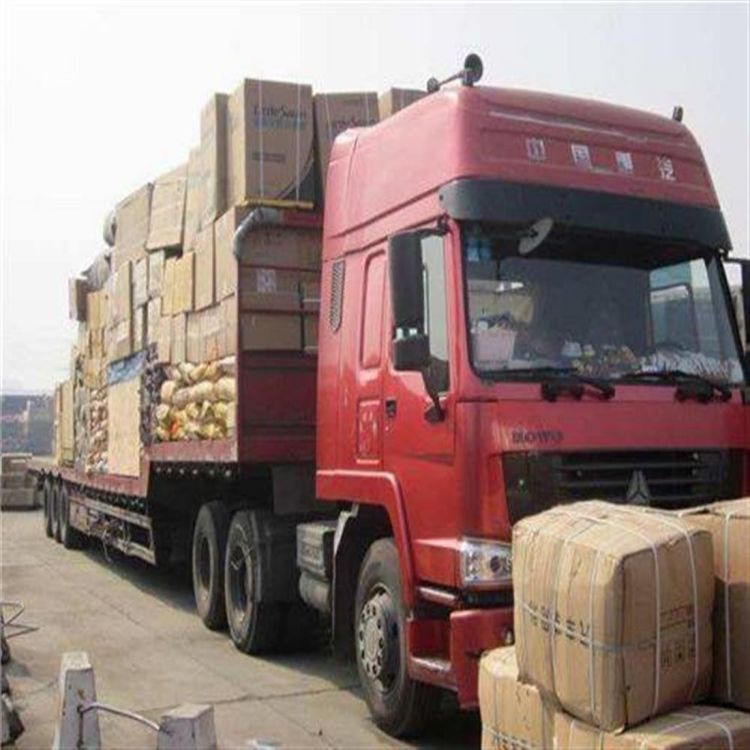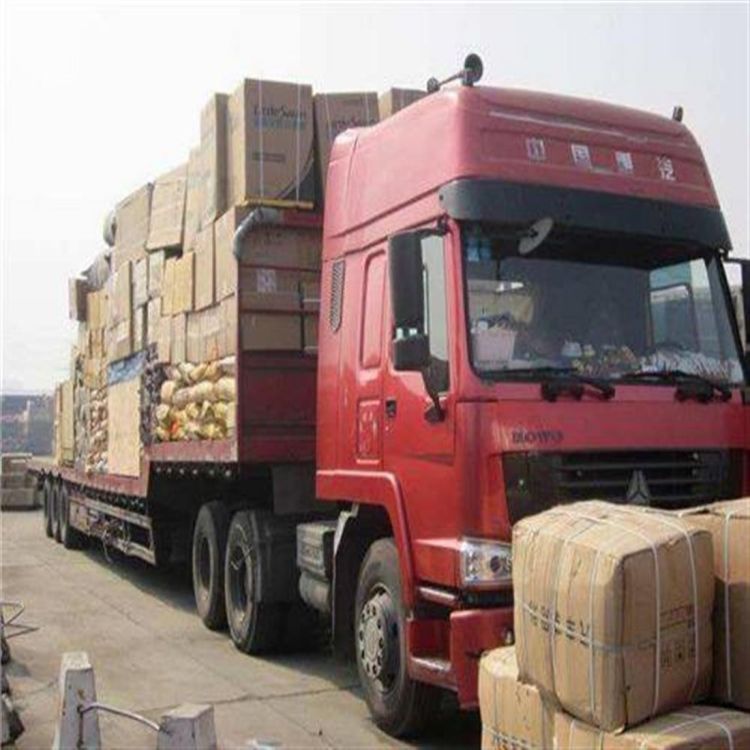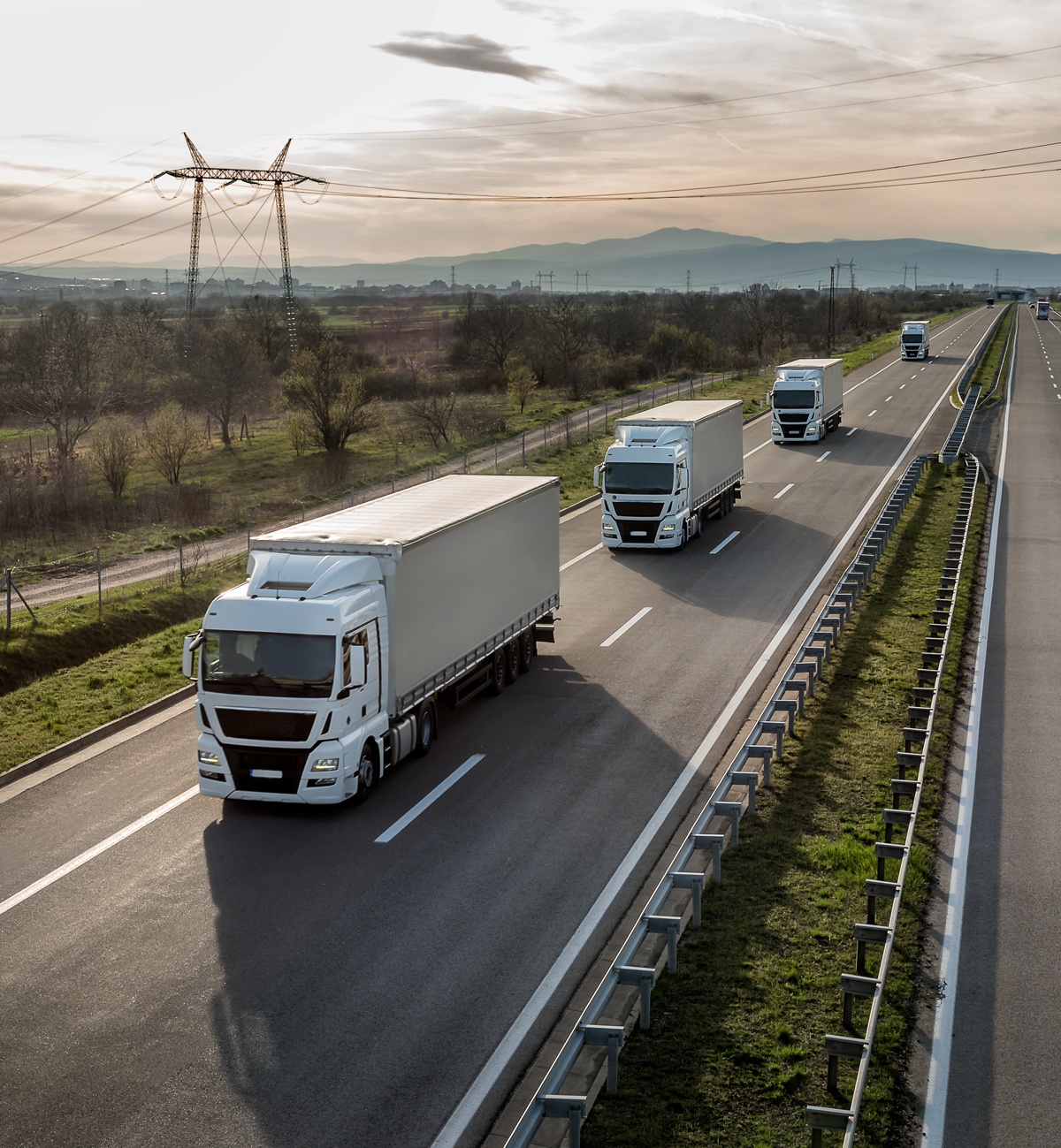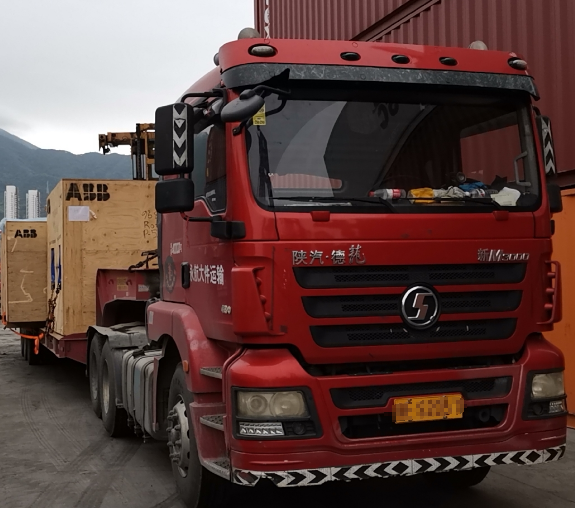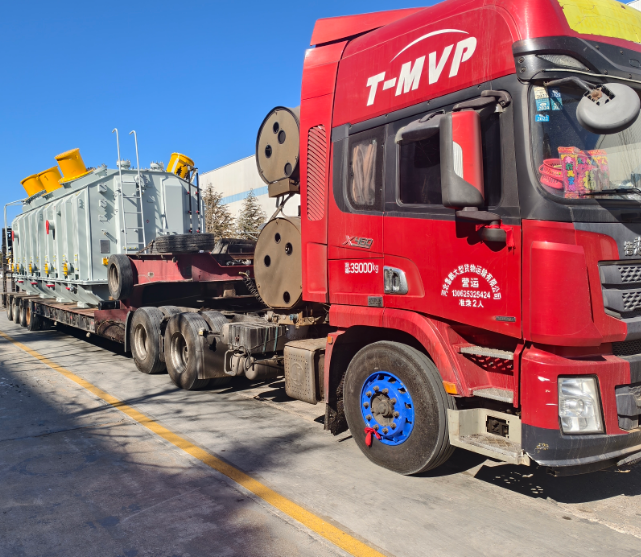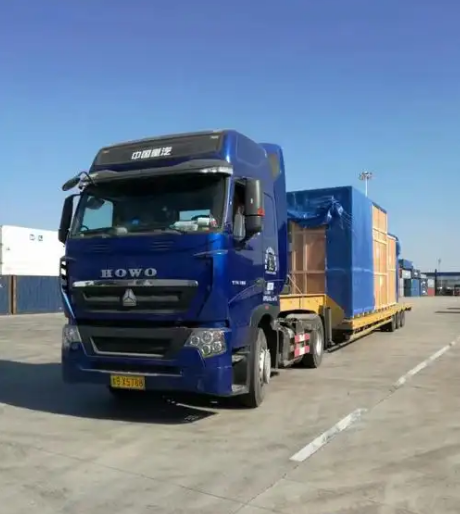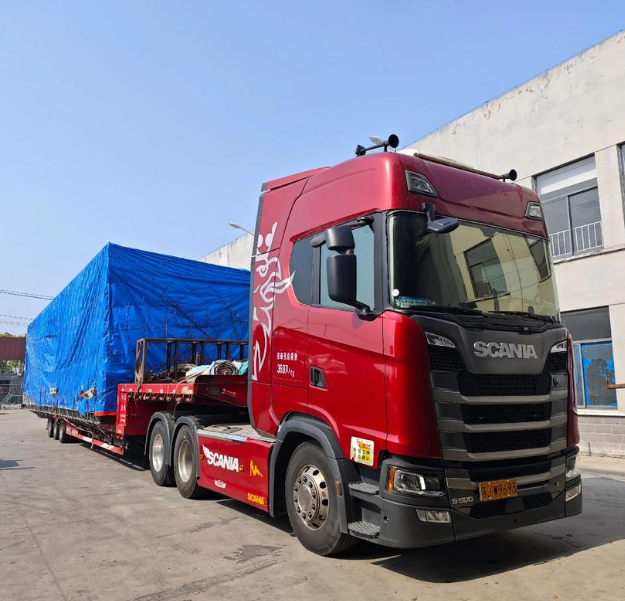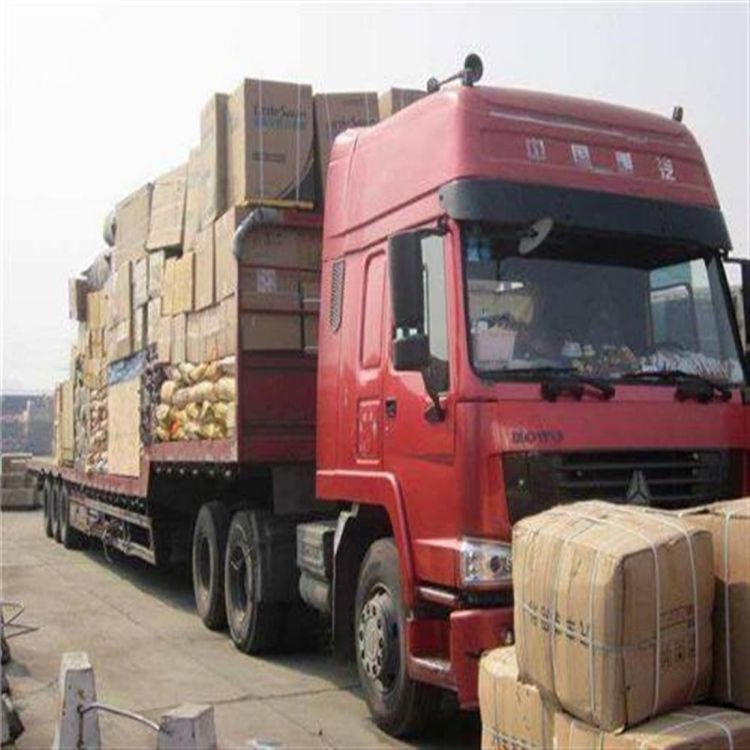

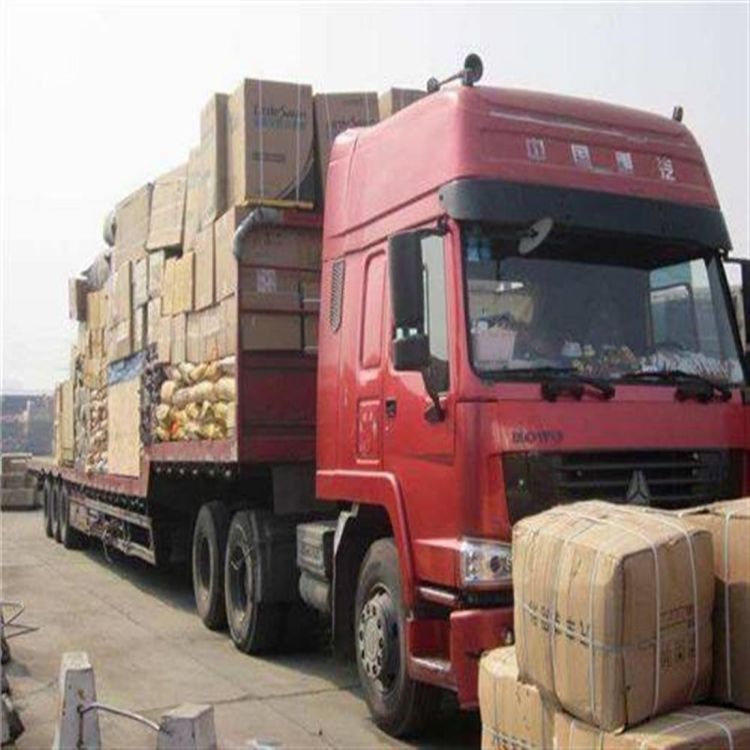
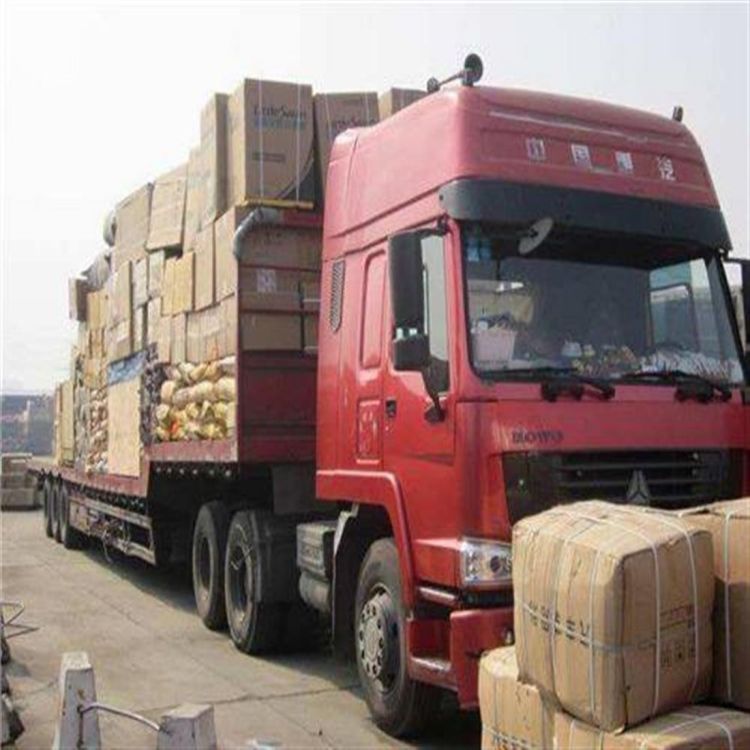


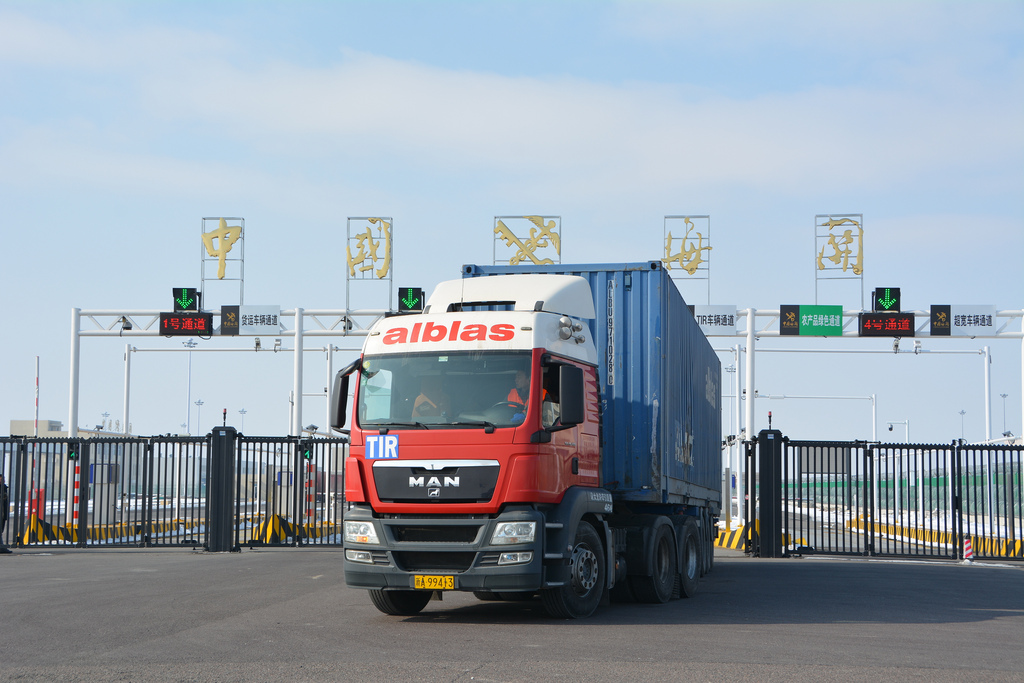
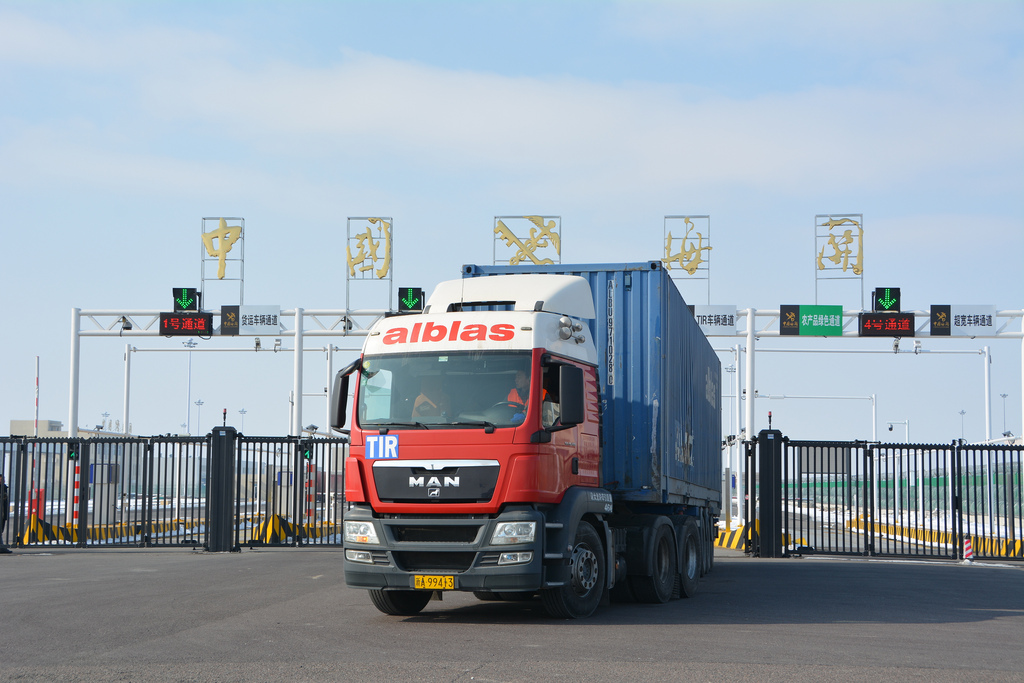
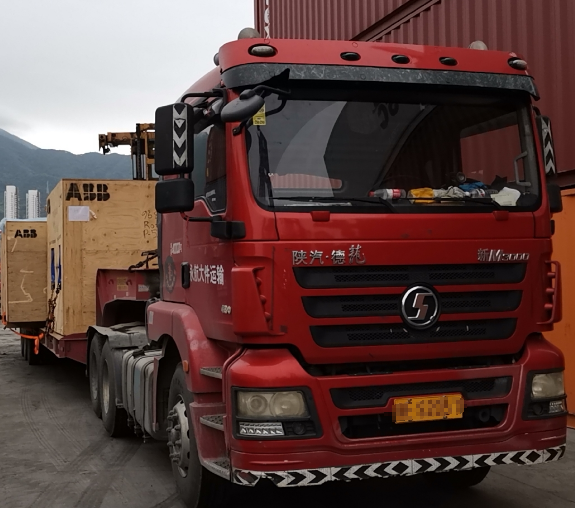






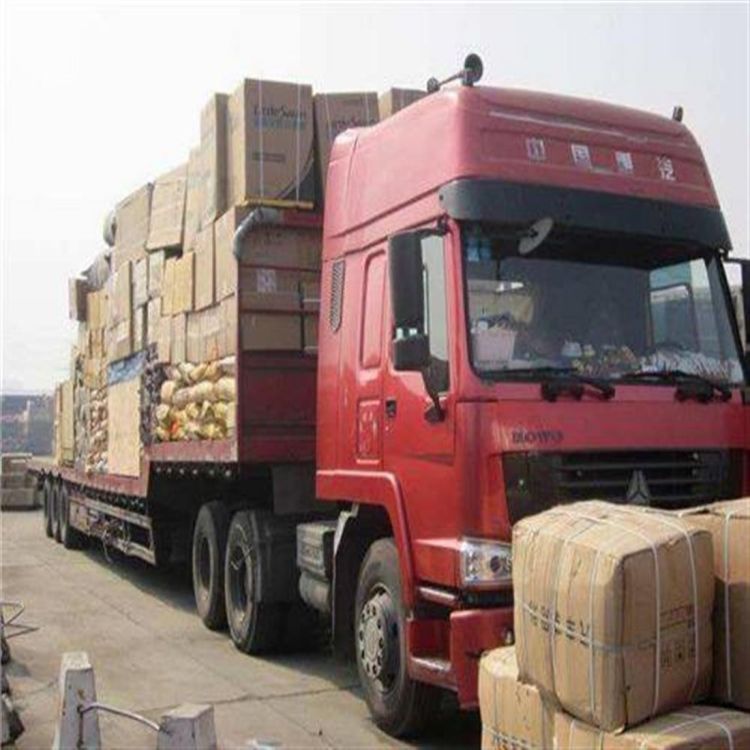
Trucks can carry additional goods if the weight of the cargo is less than 10,000 pounds, or if there's space left or it hasn't reached the legal weight limit after loading. Freight quantities below the volume required for full truckload shipping are not included in LTL (less-than-truckload) shipping, excluding package carriers like Federal Express, UPS, and the U.S. Postal Service. When shippers send goods to the same destination, there are two shipping methods: LTL Shipping: LTL shipping costs are based on the number of pieces and the weight per piece, so the cost increases proportionally with the volume. Below a certain quantity, shipping by LTL is cheaper than full truckload shipping. Full Truckload Shipping: Full truckload shipping costs are fixed, regardless of the volume inside the truck, within the legal weight limit. Once the shipper's volume reaches a certain level, shipping by full truckload becomes cheaper than LTL. This quantity is called the concentration point.
Shipping Regulations
A shipment of goods that does not require a single truck for loading based on weight or volume. Countries around the world have restrictive regulations regarding the minimum weight, volume, and number of pieces for breakbulk cargo. The Chinese Railway stipulates that for breakbulk shipments, the volume of each item must not be less than 0.02 cubic meters (with the exception of items weighing more than 10 kilograms), and no batch may exceed 300 items. The International Railway Convention on the Carriage of Goods by Rail, as specified by the International Union of Railways, defines breakbulk cargo as goods with a weight of less than 5000 kilograms and a volume that does not necessitate the use of a separate truck for transportation.
Each piece of LCL cargo must not be less than 0.02 cubic meters in volume. However, this small volume restriction does not apply when the weight of a piece exceeds 10 kilograms. The number of pieces per batch of LCL cargo must not exceed 300. The following goods may not be shipped as LCL cargo:
1. Goods requiring refrigerated or heated transportation.
2. Goods subject to full-container handling, except those loaded into railway-approved explosive material containers for transport.
3. Offensive goods that are likely to contaminate other products (excluding those that have been sanitized and will not contaminate other products).
4. Bees
5. Items difficult to count in number
6. Live animals not in containers (except as permitted by the railway bureau's method for less-than-carload transport);
7. Goods weighing over 2 tons, measuring over 3 cubic meters, or exceeding 9 meters in length (except those deemed not to affect the transshipment or unloading operations at the station by the origin station).
Lump sum cargo is generally transported through public handling facilities, while direct transport of consolidated lump sum within dedicated lines or railway tracks requires negotiation with the railway district and the signing of a transport agreement before proceeding.
Freight transportation by less than a truckload (LTL) can be categorized into road LTL transportation and rail LTL transportation.