








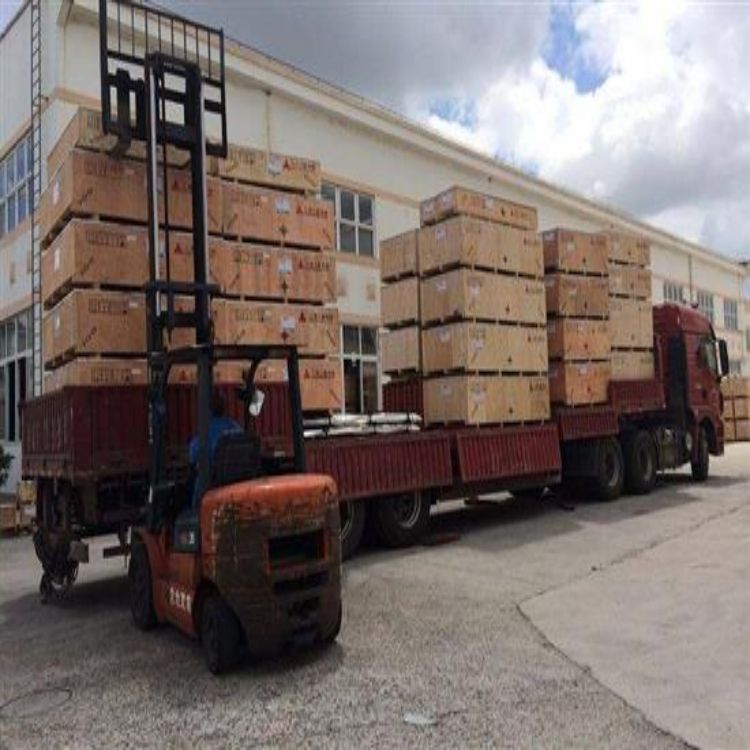
To expedite the transportation of less-than-containerload (LCL) cargo, it's essential to utilize vehicles efficiently. The transport method for LCL shipments can be categorized into full LCL vehicles (abbreviated as "full LCL" or "FCL") and along-the-route LCL vehicles (abbreviated as "along LCL" or "ALCL"), considering factors such as cargo flow, distance, assembly time, and station handling capacity.
Full and Odd Cars
Whole and loose vehicles are further categorized into: Direct whole and loose vehicles - the goods are not transferred at any intermediate stations, and can be directly delivered to the destination. A whole vehicle delivering goods to a single station is referred to as a one-stop direct whole and loose vehicle, while a vehicle delivering goods to two stations is called a two-stop direct whole and loose vehicle.
Breakbulk Consolidation Trains - Goods destined for the same destination but scattered arrival points. Organizing these trains should aim to transport to transfer stations close to the goods' arrival stations to minimize transfer次数.
Additionally, to ensure timely delivery of bulky, heavy, or hazardous goods, there are also through-running whole-car services with three stations along the same route, or whole-car services with three-station transfer.
Alongside zero vehicle
Haulage along zero train refers to the operation within a section, transporting the break bulk goods dispatched and received at each station within that section. The along zero train is further divided into:
Direct Link Zero Train - a long-distance zero train that does not require transshipment (reloading) operations through several zero zone segments, but must undergo several train reclassification processes en route.
Segment along zero-car - short-distance along-route trucks carrying loose goods between two technical stations.
Regulations and Procedures
To make the mixed-load vehicles more economical and reasonable, the organization of mixed-load vehicles shall comply with the following regulations:
The cargo loaded in a one-stop whole-car shall not be less than 50% of the truck's gross weight or 90% of its volume.
Two-station full and part loads, the goods upon arrival must not be less than 20% of the truck's gross weight or 30% of its volume. The goods arriving at the second station must not be less than the truck's marked capacity.
40% by weight, or 60% by volume. For through and break bulk trains, after unloading at the station, only goods arriving at or transiting the second station are allowed to be added. The distance between the two stations must not exceed 250km. Due to the great waste of vehicle carrying capacity when there is no additional cargo at the station, it is important to ensure that the distance from the dispatch station to the first station is as far as possible when organizing such two-station break bulk trains.
Three-stop full and mixed cargo vehicles, after unloading at the station, are only allowed to add cargo from the second stop arrival or transfer, provided it does not affect the unloading at the second stop. Under the condition that it does not affect the unloading at the second stop, cargo from the third stop arrival or transfer can be added. After unloading at the second stop, only cargo from the third stop arrival or transfer can be added. For three-stop full and mixed cargo vehicles, the second stop must be on the route to the third stop, and the distance between the two stops cannot exceed 500 kilometers.
No new stations are allowed to be added for either two-stop or three-stop whole-zero trains. The purpose is to expedite cargo delivery and prevent the indefinite delay of truckloads en route.