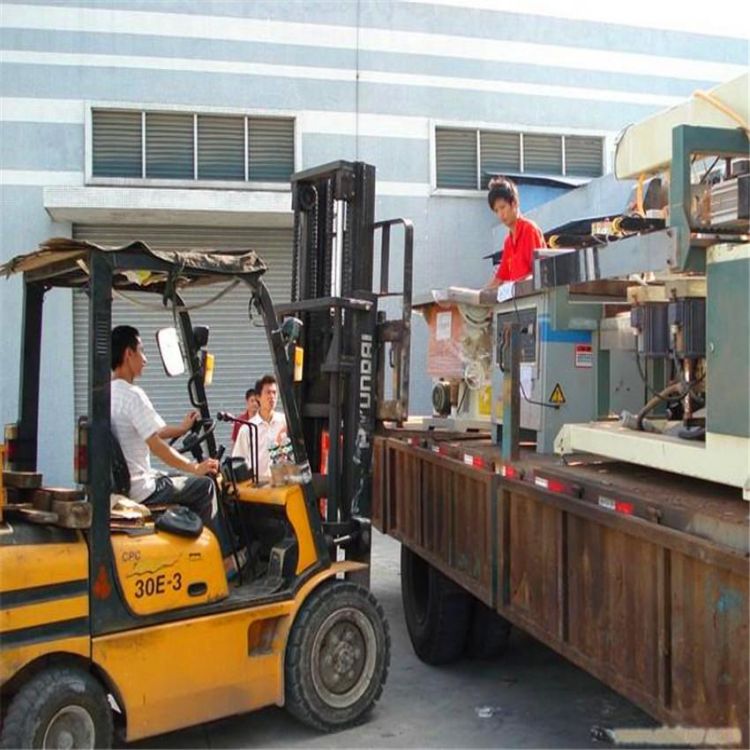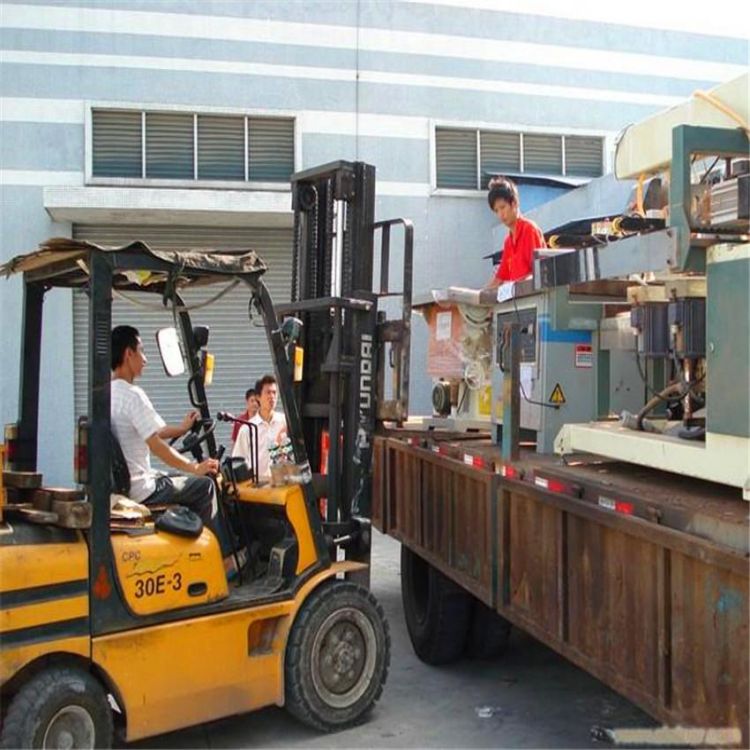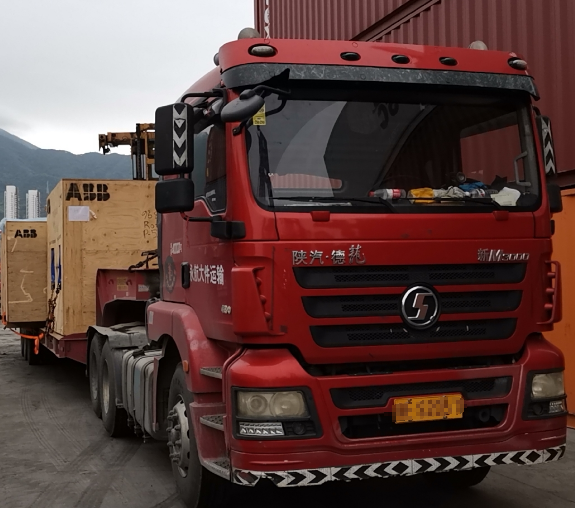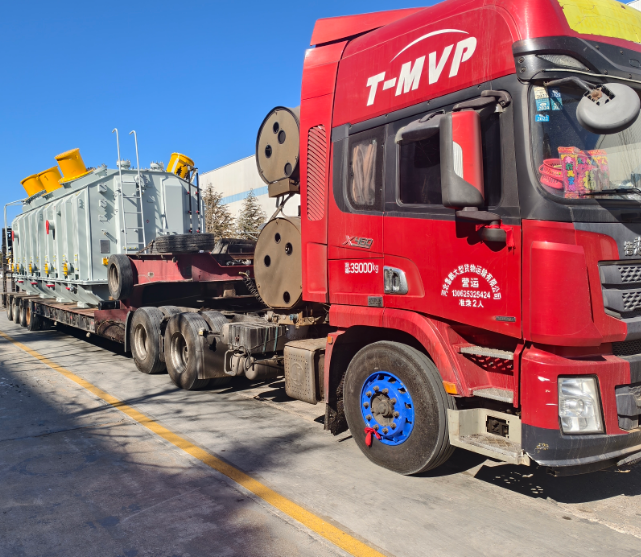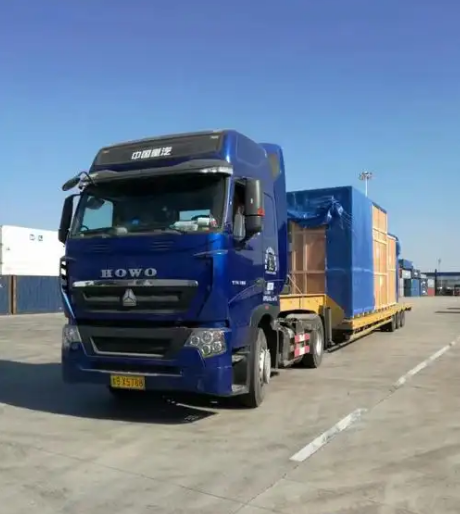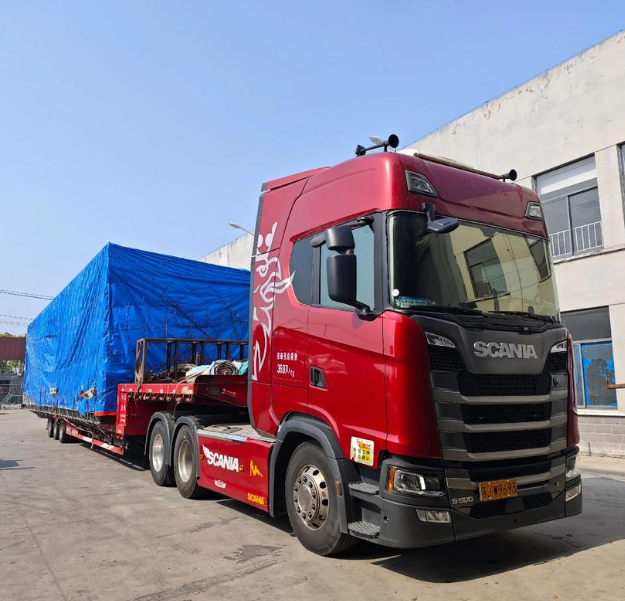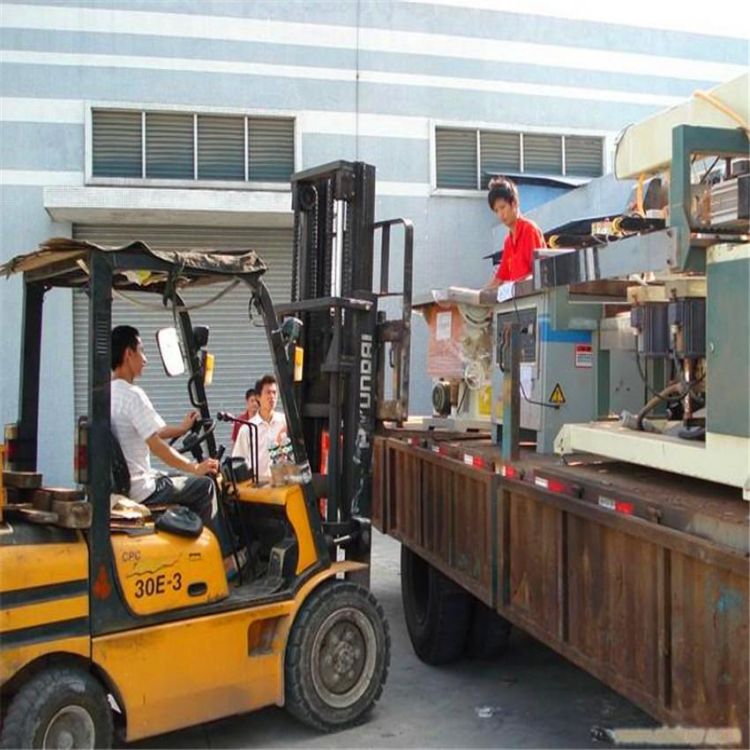

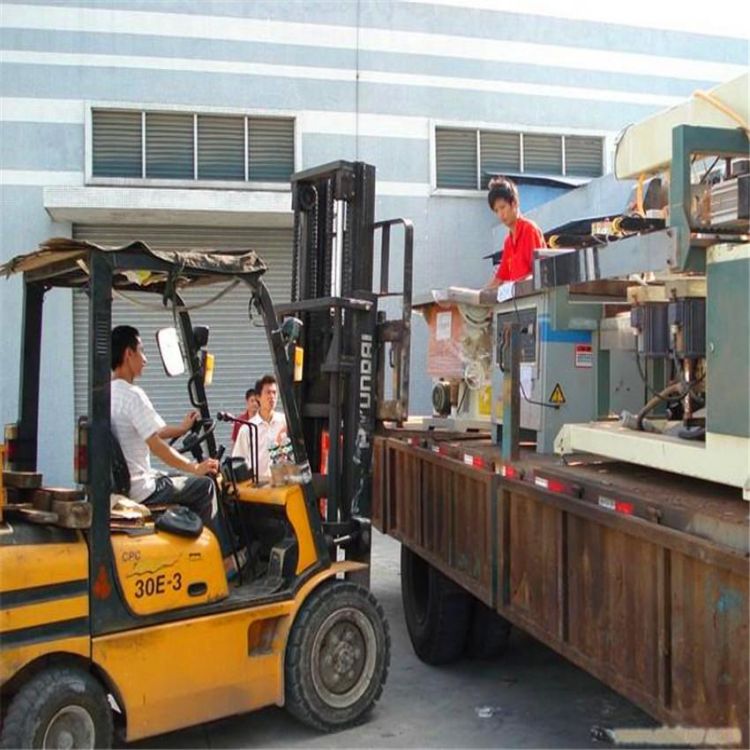
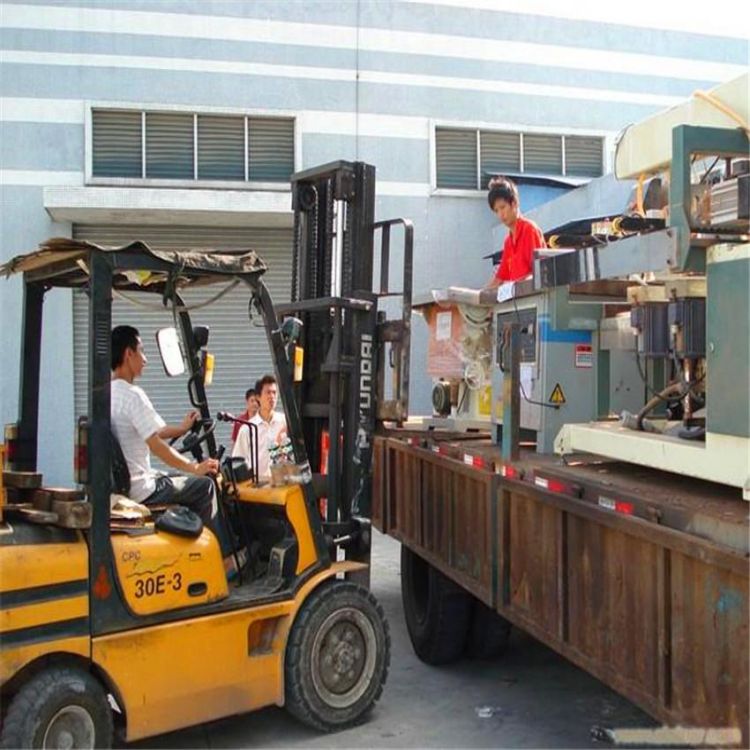


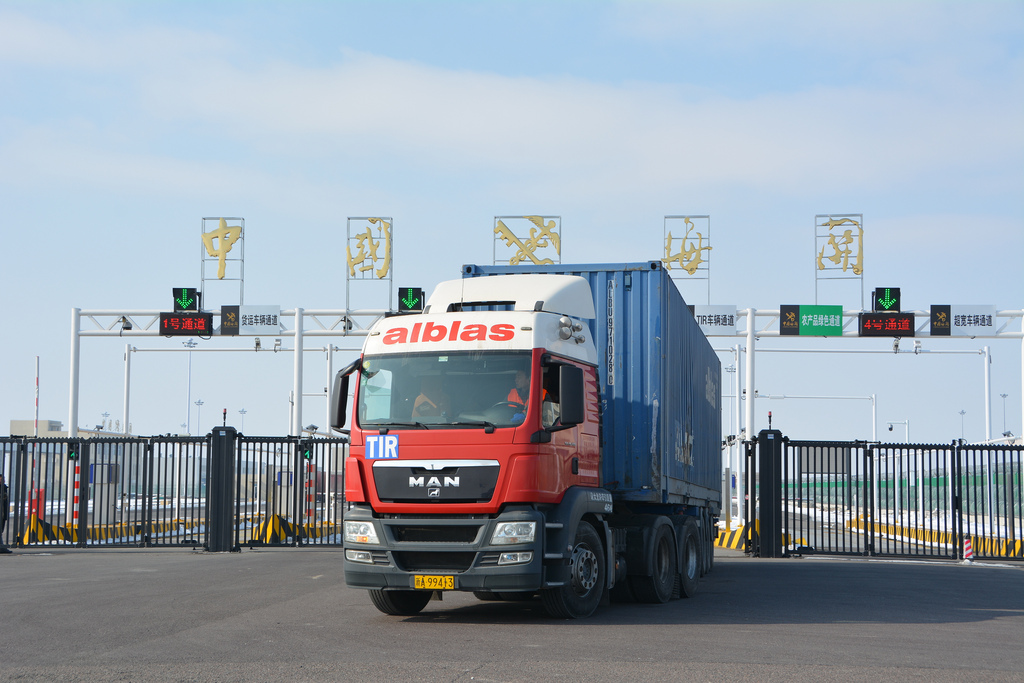
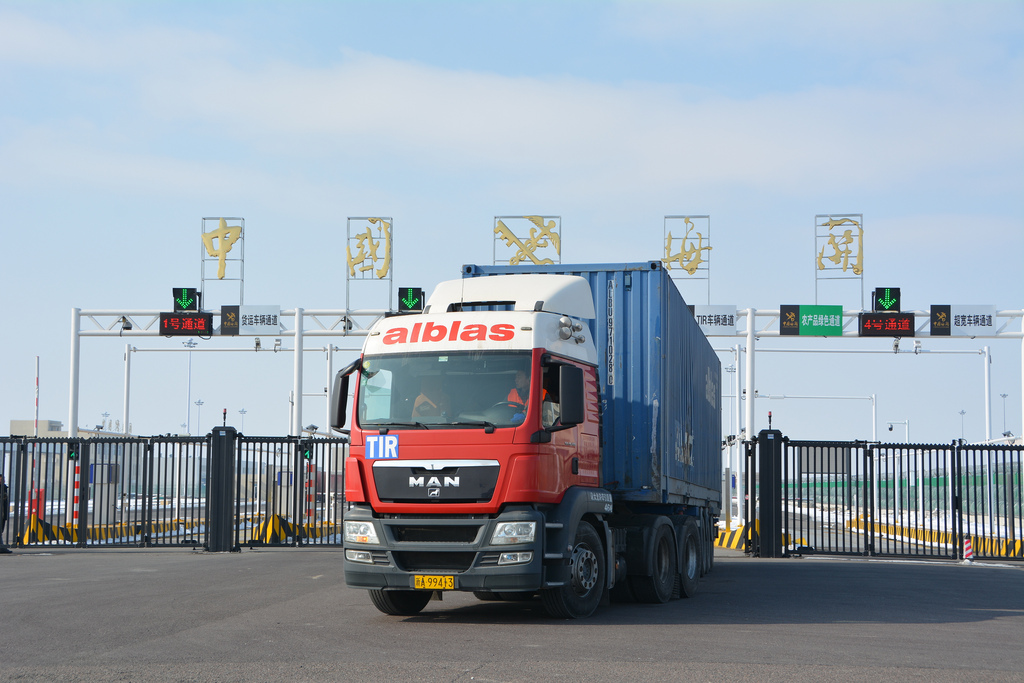

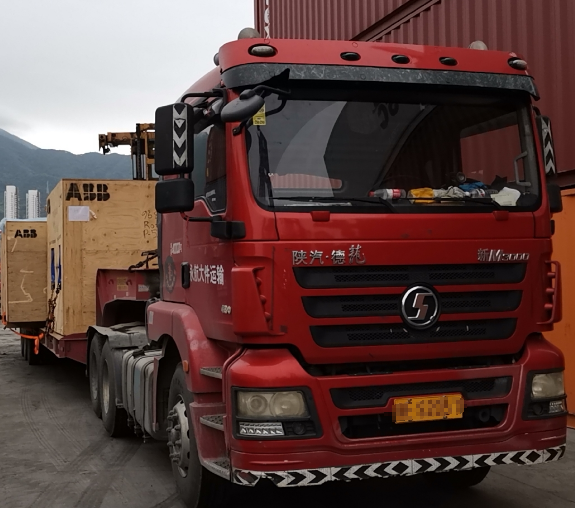








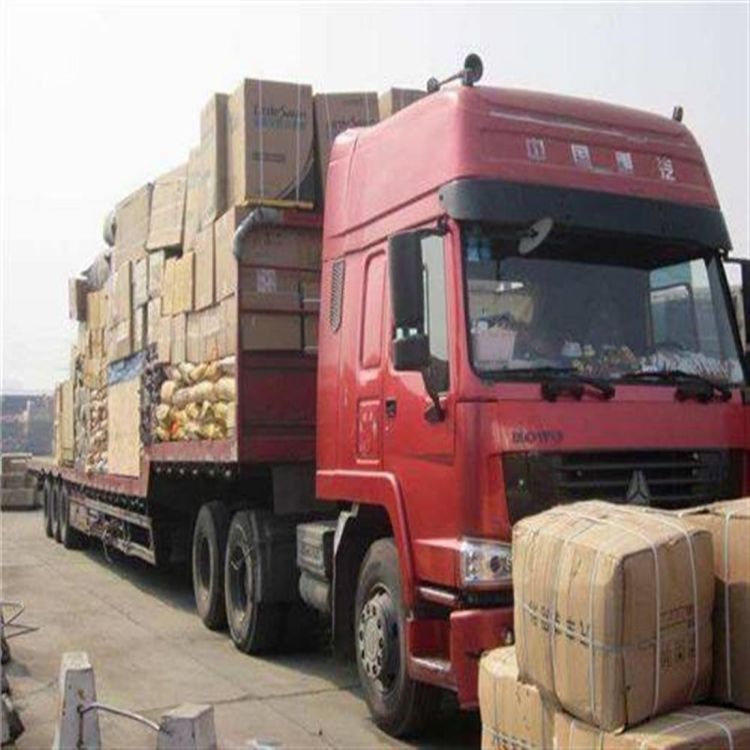
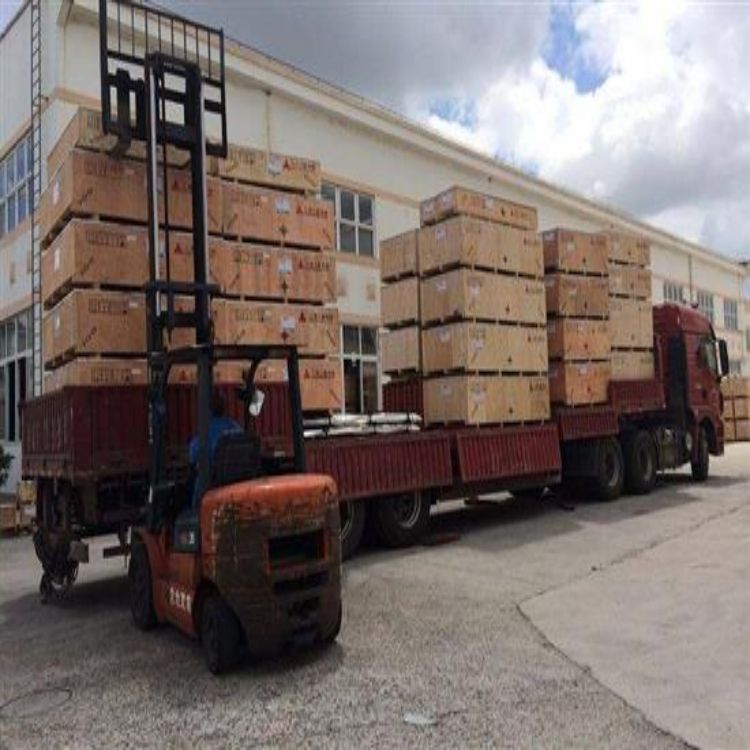
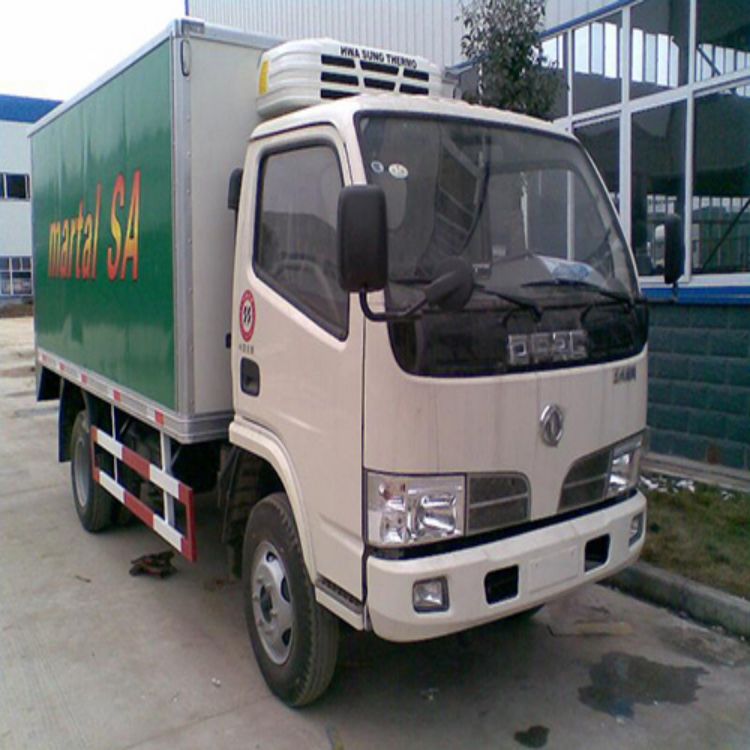
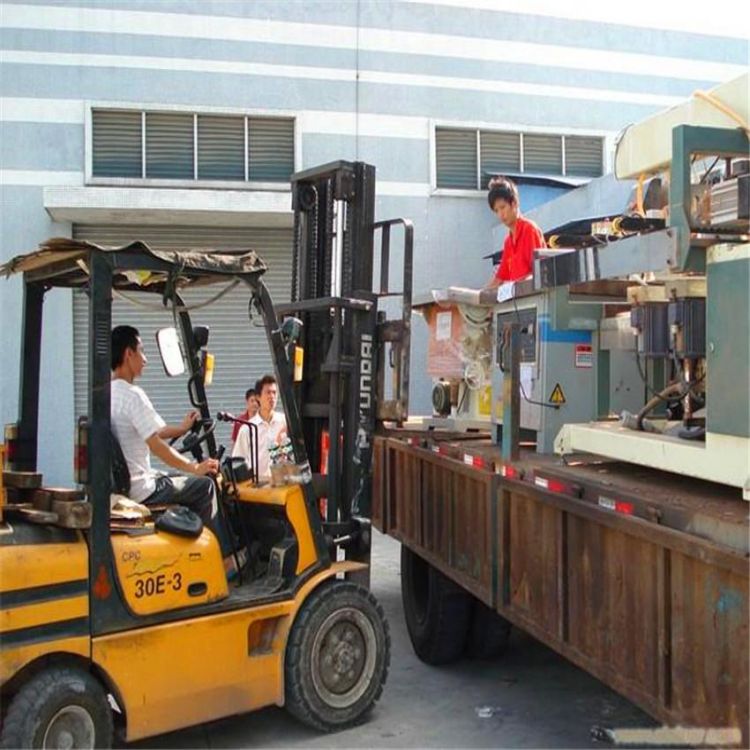
Less-Than-Carload Freight Transportation refers to the mode of shipment where a consignment's weight or volume is insufficient to fill a full truck (not meeting full truckload transportation criteria). Instead, it shares a truck with other several or even hundreds of consignments. When shipping a small batch, it's economically unfeasible to load it onto a full truck or trailer, so transportation companies combine it with other shipments. The fees are calculated based on the ton-kilometer and the rate per kilometer. This type of freight transport is flexible, convenient, and ideal for shipping small quantities, a variety of items, and large volumes, catering to the needs of the commodity economy.
Introduction
Certainly,整车运输 for cargo is cost-effective, but in reality, there are often scattered volumes, numerous batches, dispersed destinations, a variety of types, complex nature, inconsistent packaging conditions, and intricate handling for LCL (Less Than Container Load) shipments. Vehicles used for carrying LCL shipments are referred to as LCL trucks.
Definition
Taiwan
Freight services handle cargo in two types: full truckload and less than truckload. Those charged based on the vehicle's carrying capacity are full truckload shipments; those calculated based on the number of pieces and weight per piece of cargo carried by the vehicle are less than truckload shipments. Less than truckload shipments are calculated in units of 10 kilograms, with any amount under 10 kilograms rounded up to the next 10 kilograms.
USA
The weight of goods carried by trucks is less than 10,000 tons, or there is remaining space or the weight is below the legal limit after loading, additional cargo can be loaded. When the quantity of goods is below the applicable full truckload (FTL) shipment volume, LTL (Less Than Truckload) freight does not include package carriers such as FedEx, UPS, and the U.S. Postal Service. When shippers send goods to the same destination, there are two shipping methods: LTL Freight: The cost of LTL shipping is calculated by piece count and weight per piece, so the cost is directly proportional to the volume of goods. Below a certain quantity, shipping via LTL is cheaper than FTL. Full Truckload Freight: The cost of FTL shipping is based on the entire truckload, and within the legal weight limit, the cost is fixed regardless of the amount of goods inside. Once the shipper's volume reaches a certain level, shipping via FTL becomes cheaper than LTL. This quantity is referred to as the concentration point.