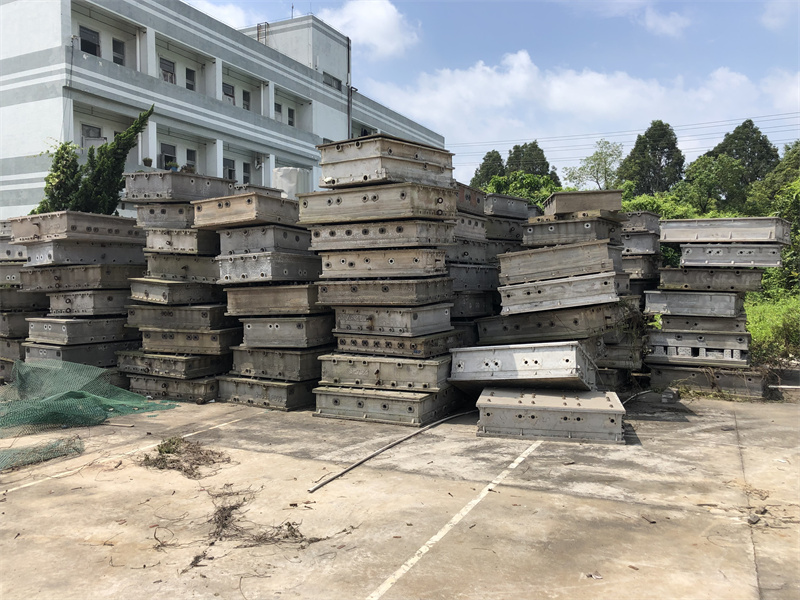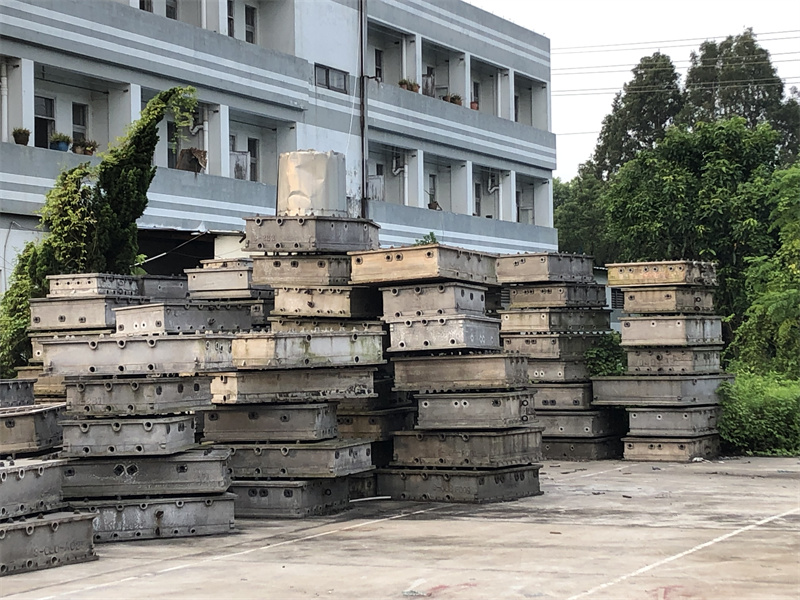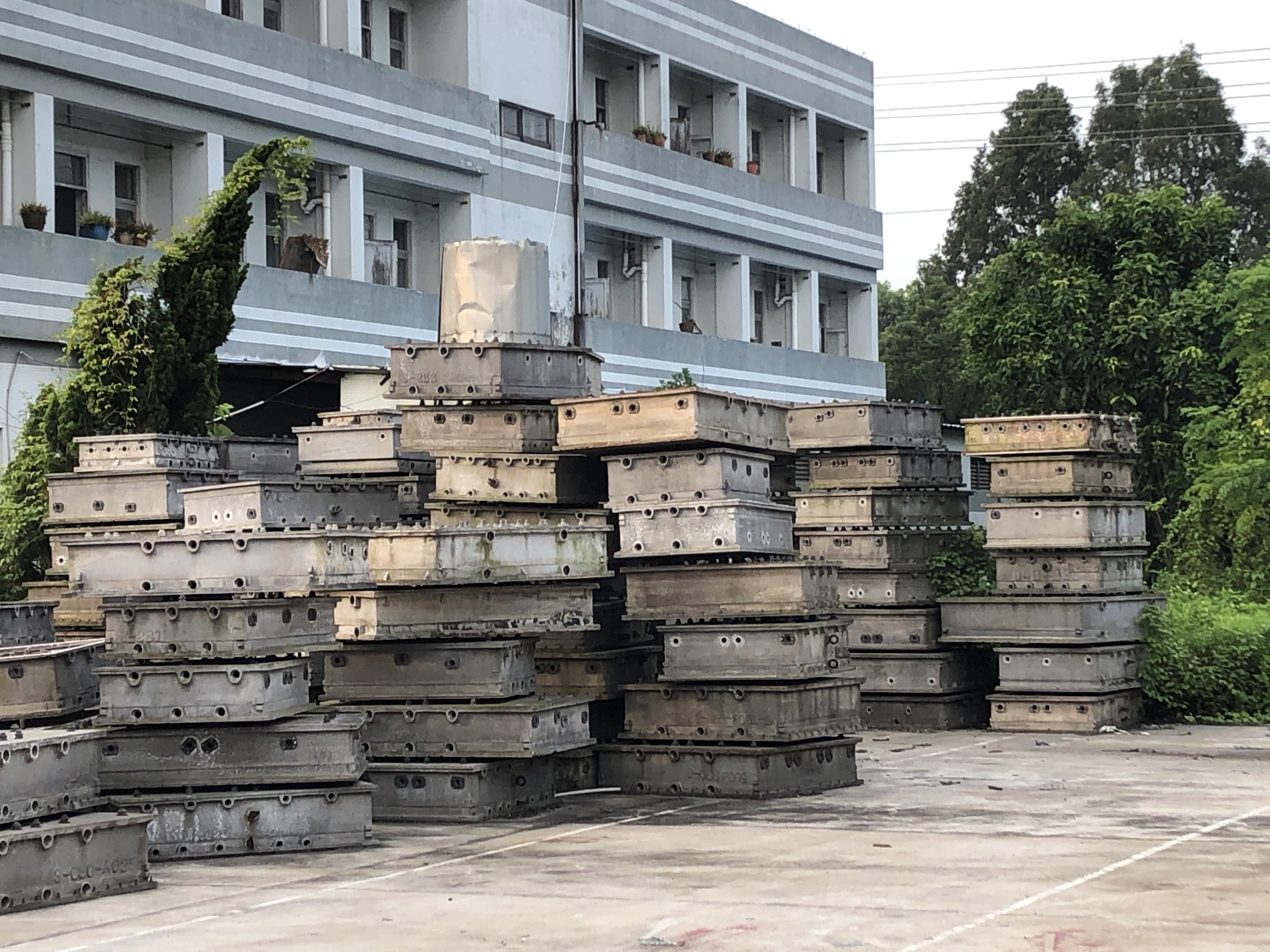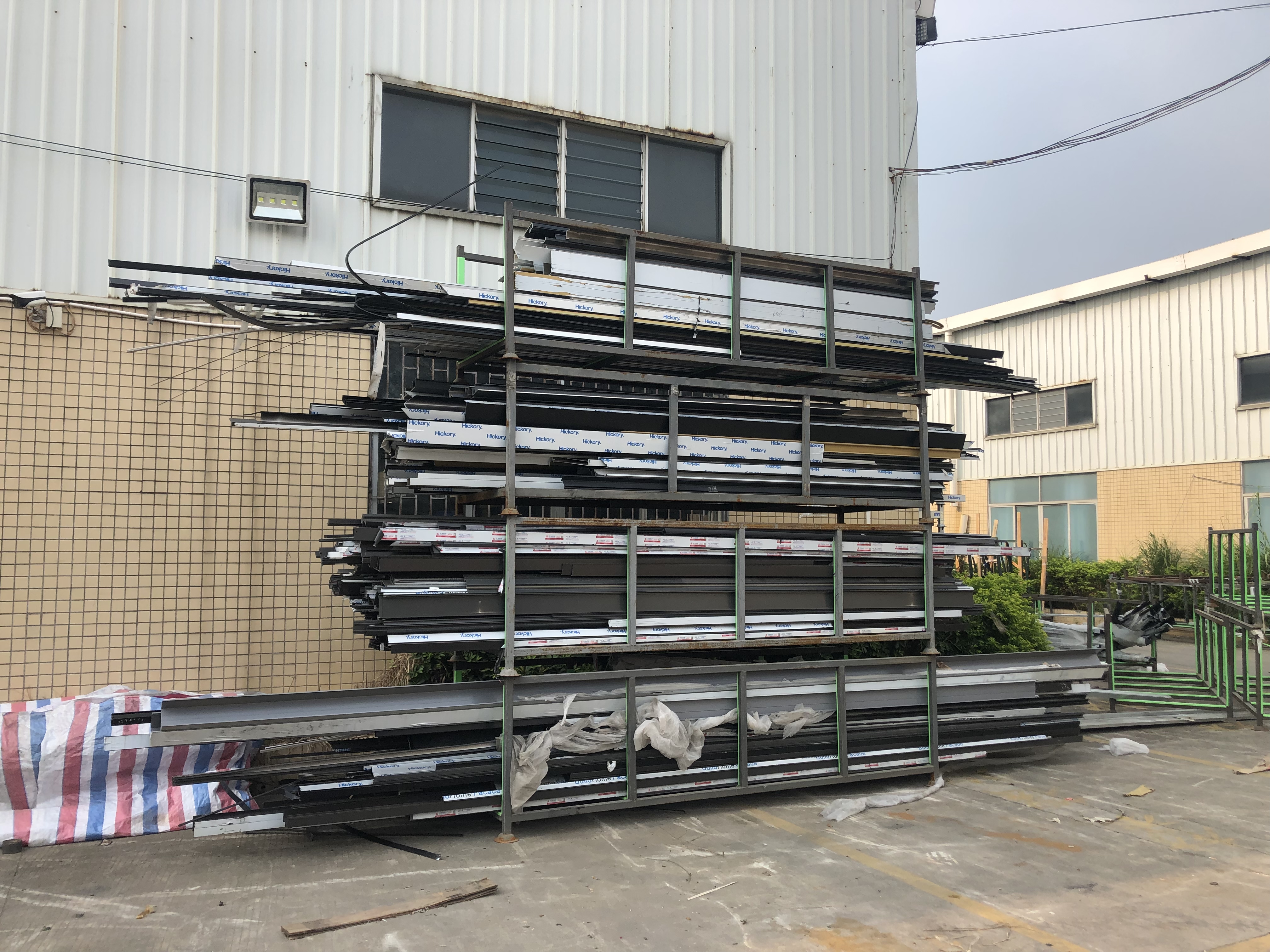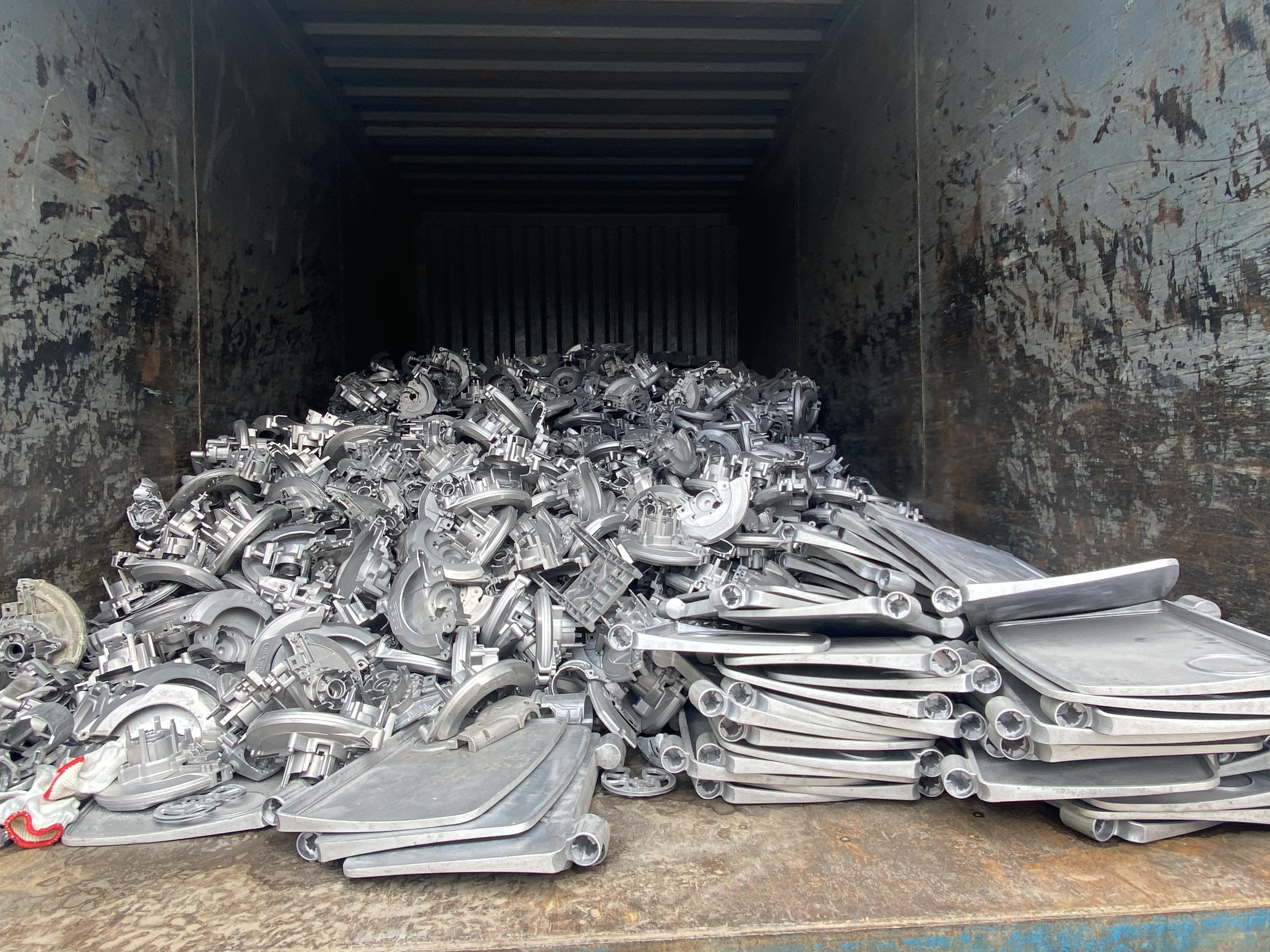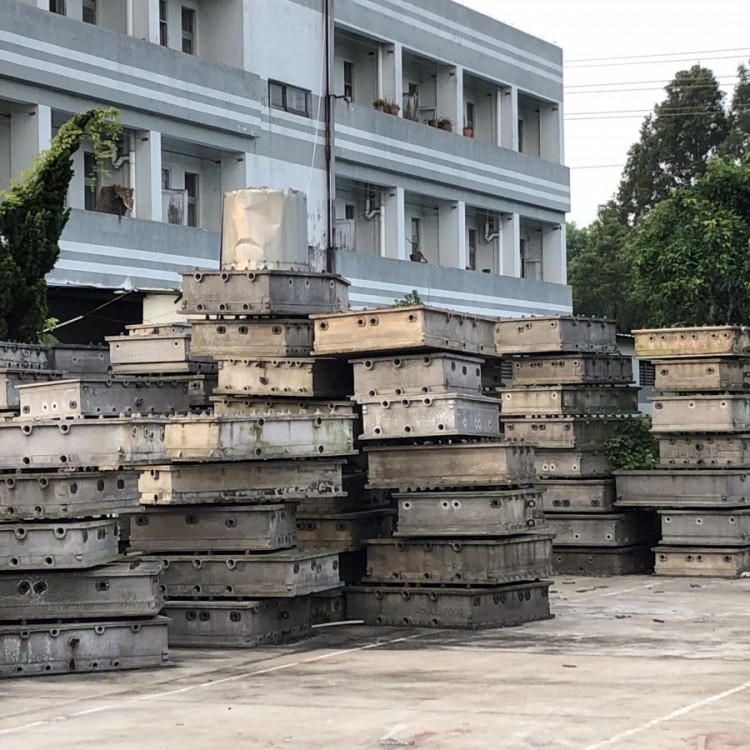

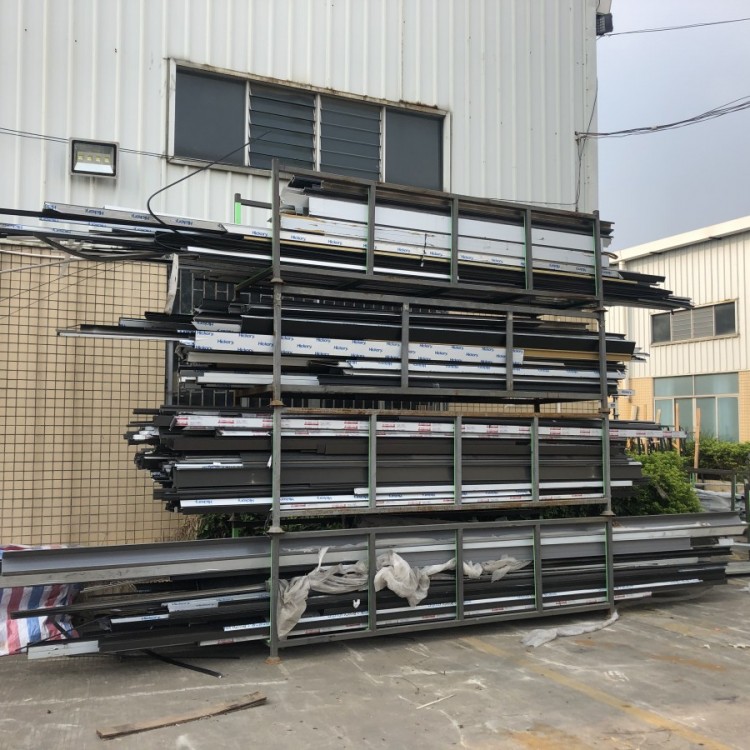












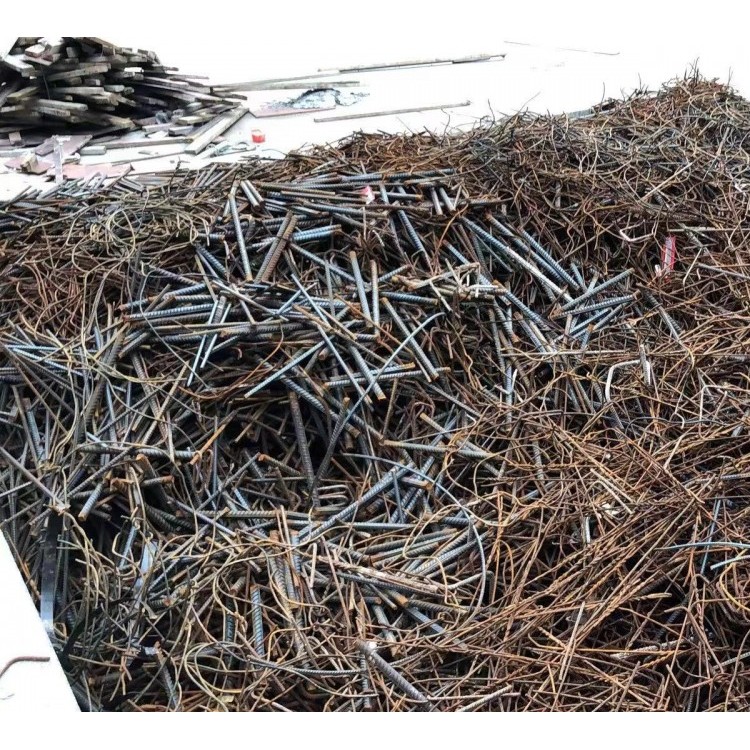
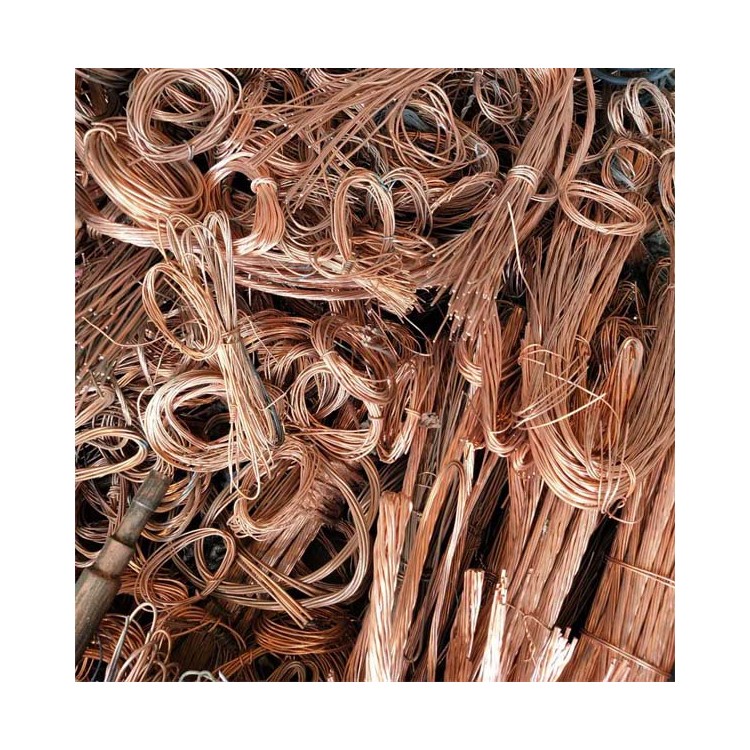
Recycling scrap aluminum is a crucial environmental protection and resource recycling process, involving multiple stages and considerations.
The Importance of Scrap Aluminum Recycling
Recycling scrap aluminum is significant for conserving resources and reducing environmental pollution. Aluminum is a recyclable metal, and by recycling scrap aluminum, we can decrease the mining of primary aluminum ore, lower energy consumption and carbon emissions, and also help alleviate the issue of resource scarcity.
II. Process of Aluminum Scrap Recycling
The process of scrap aluminum recycling generally includes the following steps:
Gathering and Categorization: Initially, collect various scrap aluminum products, such as used aluminum items, aluminum shavings, and aluminum scraps. Subsequently, categorize them based on the type, composition, and level of contamination for further processing.
Disassembly and Cleaning: For waste aluminum products containing other metals or impurities, disassembly is required to remove steel and other non-ferrous metal parts connected to the aluminum. Simultaneously, the waste aluminum should be cleaned to remove surface oils, dirt, and other impurities.
Crushing and Magnetic Separation: Cleaned waste aluminum is crushed into smaller granules or fragments. Subsequently, magnetic separation equipment is used to remove the ferrous impurities.
Melting and Refining: The crushed scrap aluminum is fed into a melting furnace for melting, resulting in aluminum melt. Subsequently, the aluminum melt undergoes refining to remove impurities and gases, enhancing the purity of the aluminum.
Casting or Rolling: The refined aluminum liquid is then cast or rolled to produce new aluminum products or materials.
Section 3: Precautions for Recycling Scrap Aluminum
Safety & Environmental Protection: Strict adherence to safety and environmental regulations is required during the process of scrap aluminum recycling to ensure the safety of operators and the cleanliness of the environment.
Categorization Accuracy: Accurate categorization is one of the key steps in scrap aluminum recycling, ensuring it is properly processed thereafter.
Quality Control: Strict control over parameters such as temperature and time during the melting and refining process is required to ensure the quality and purity of the aluminum.
Technological Innovation: With the advancement of technology, new recycling technologies and equipment are emerging continuously. Companies need to keep abreast of industry trends, actively introduce and apply new technologies and equipment, and enhance recycling efficiency and product quality.