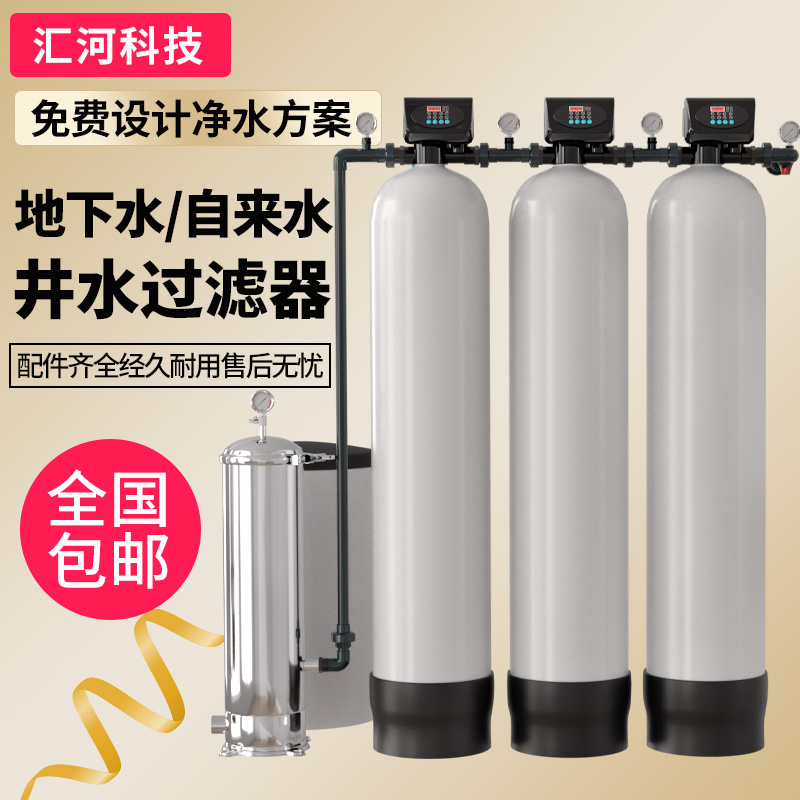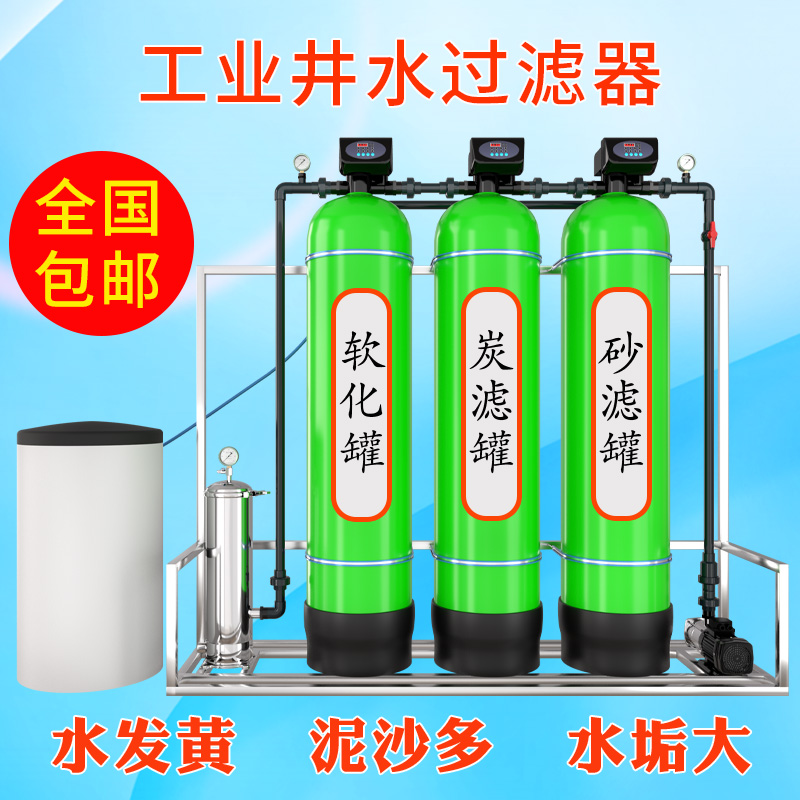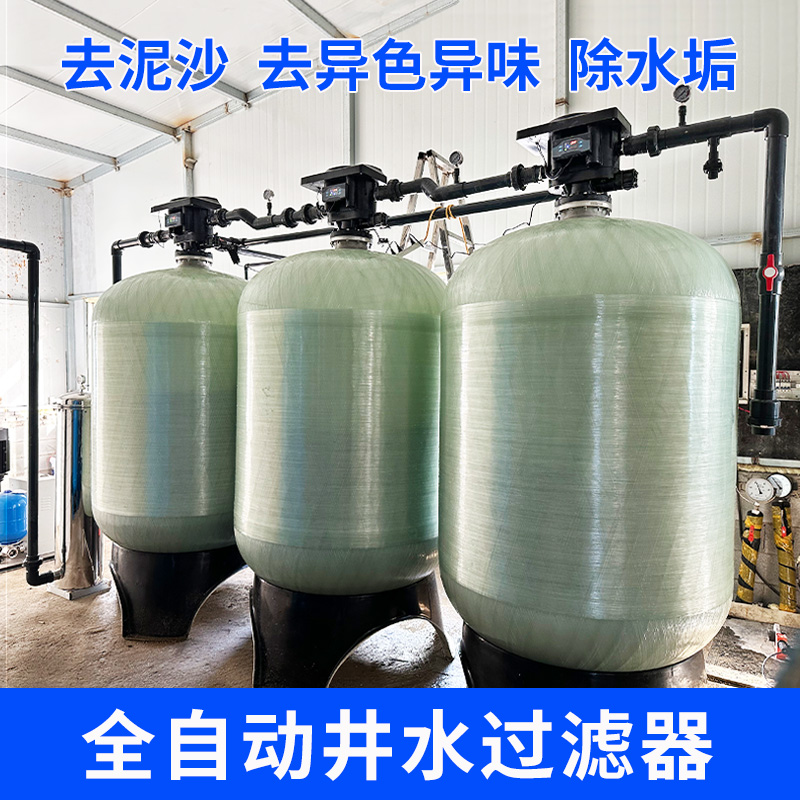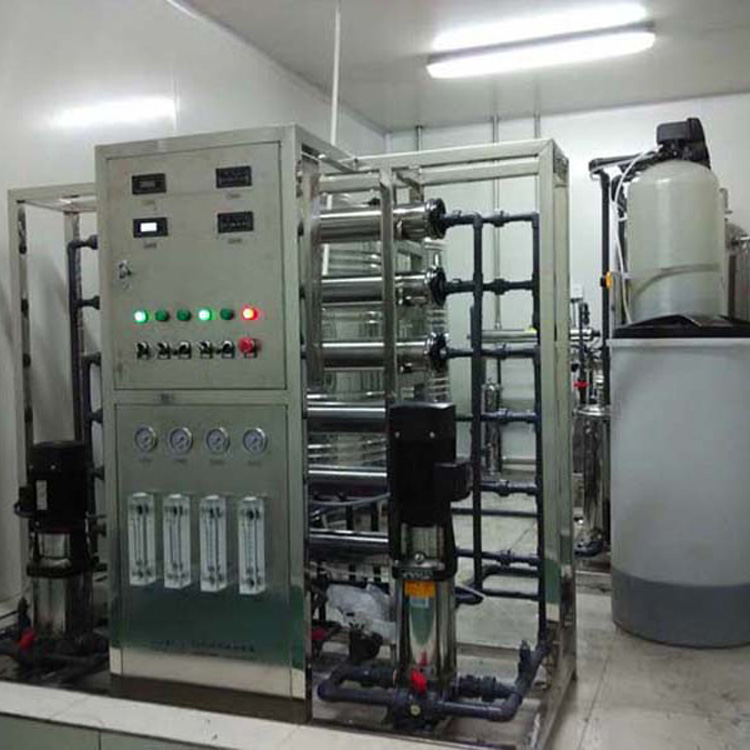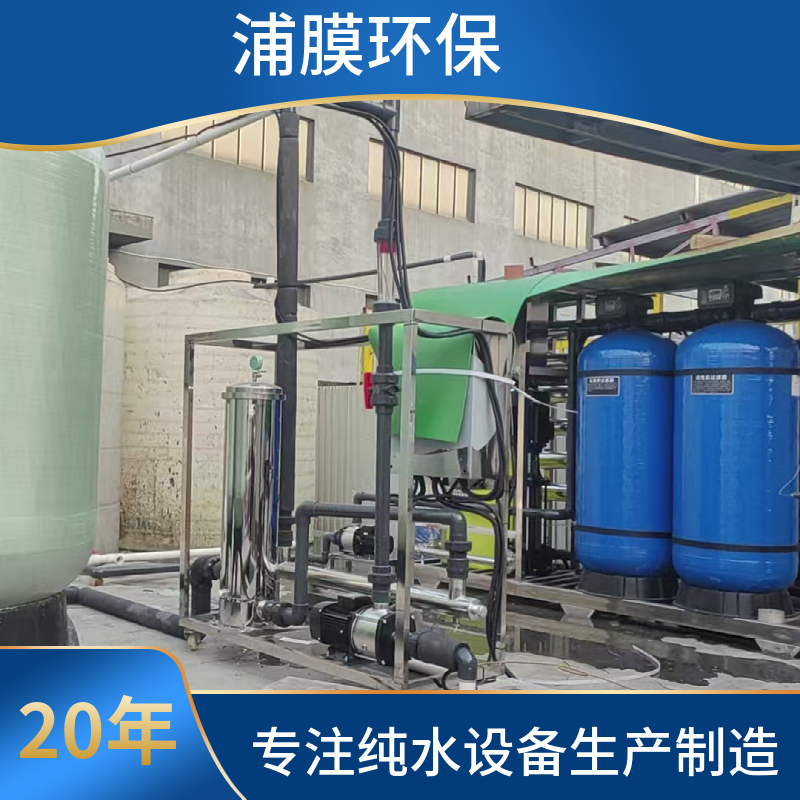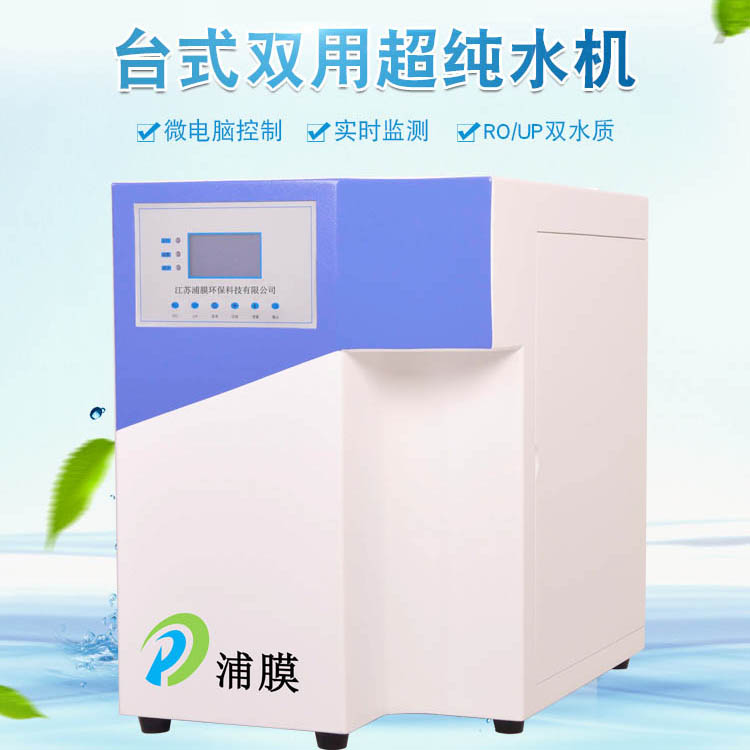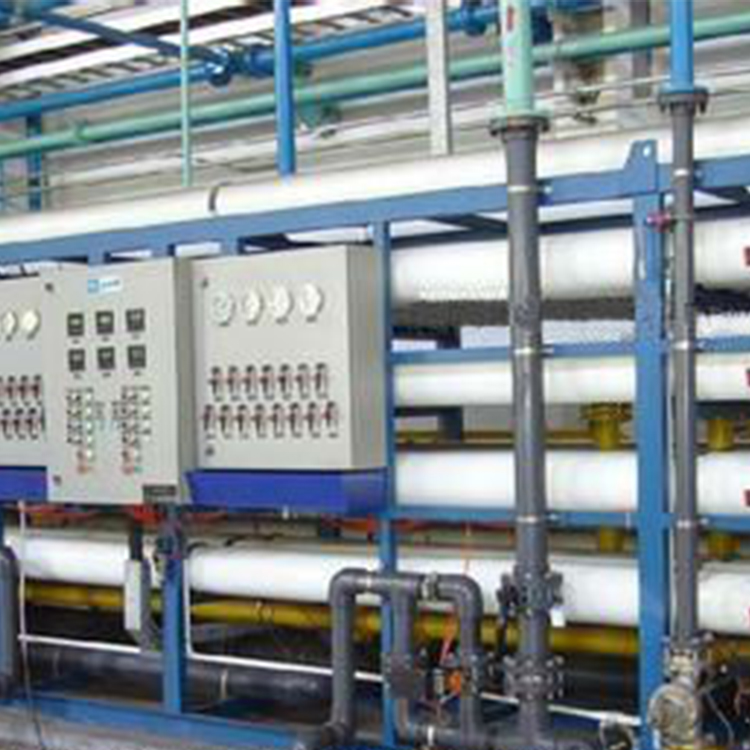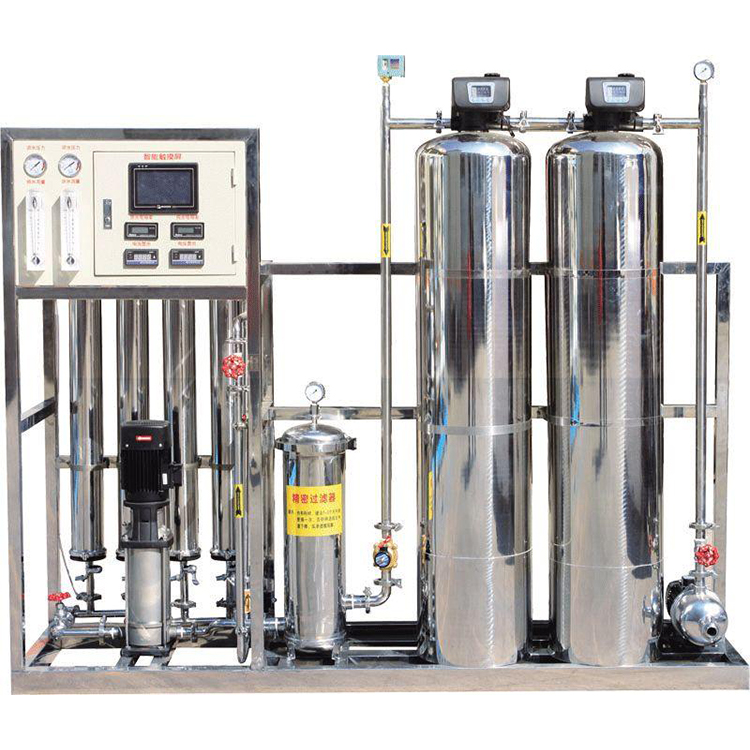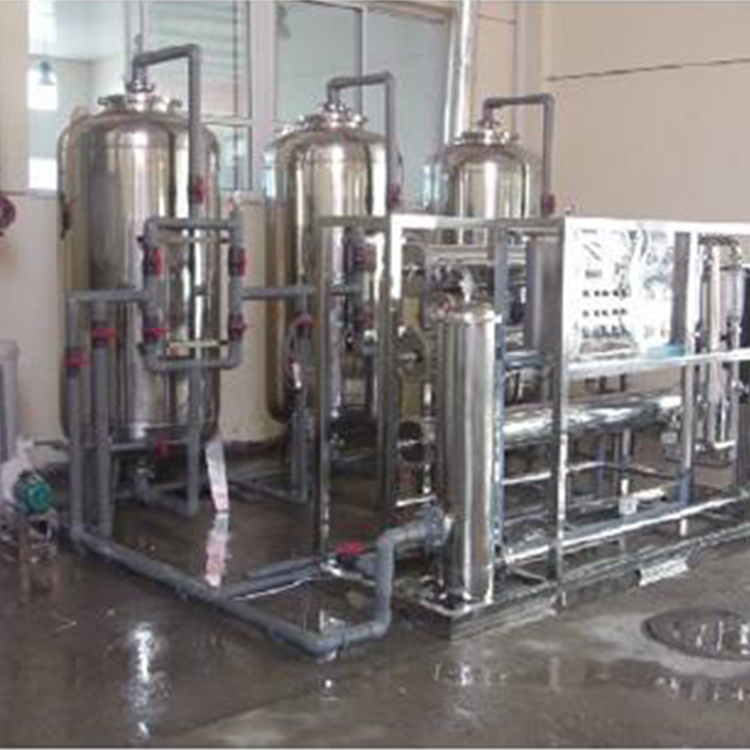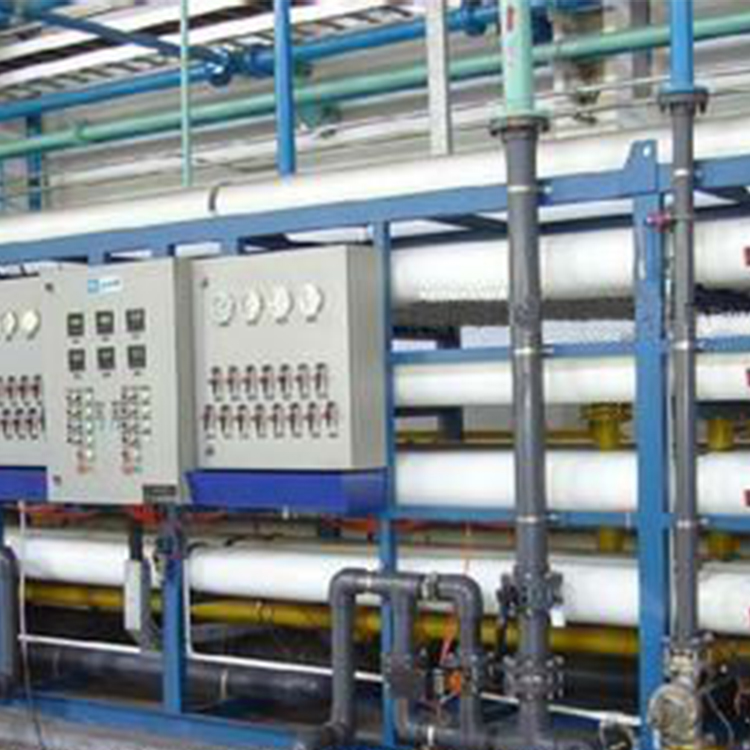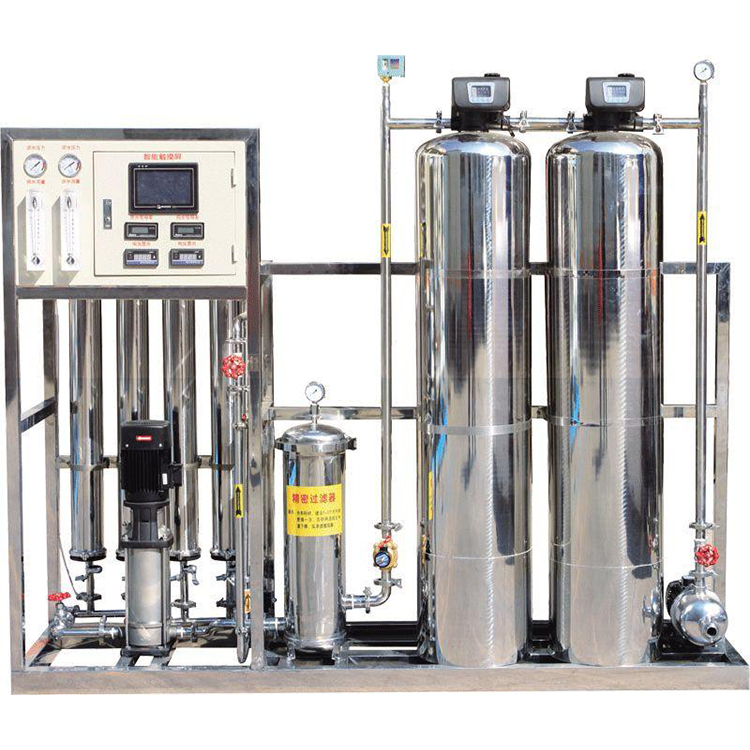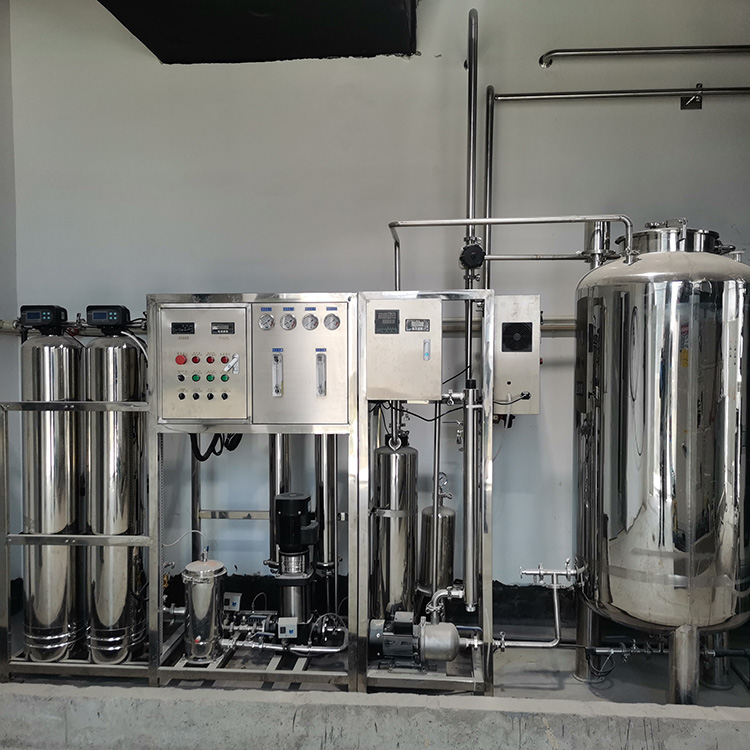
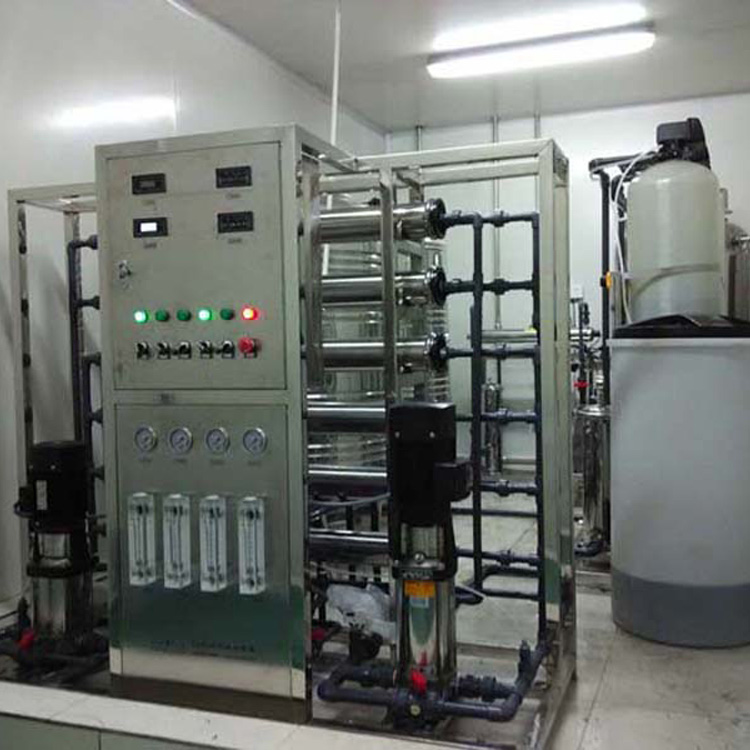

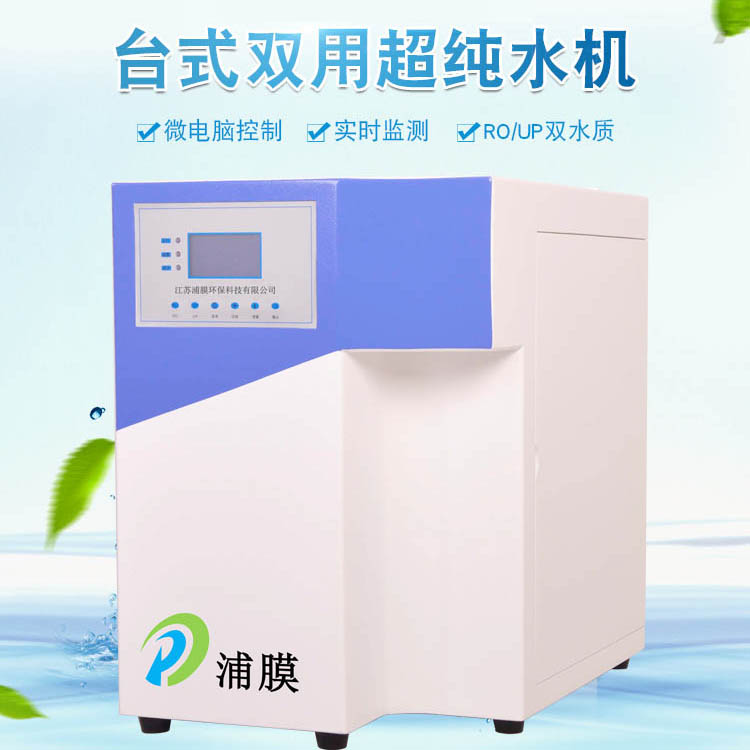
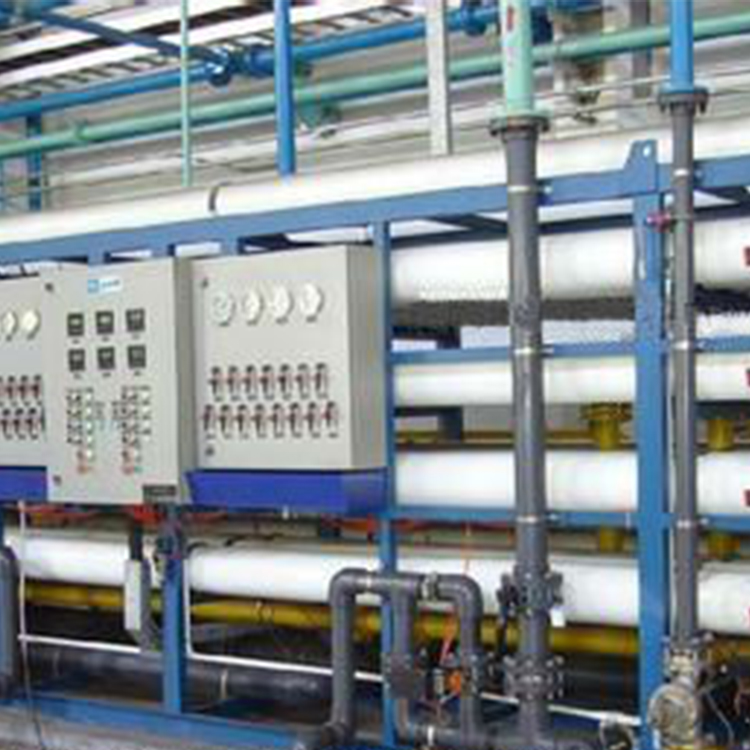






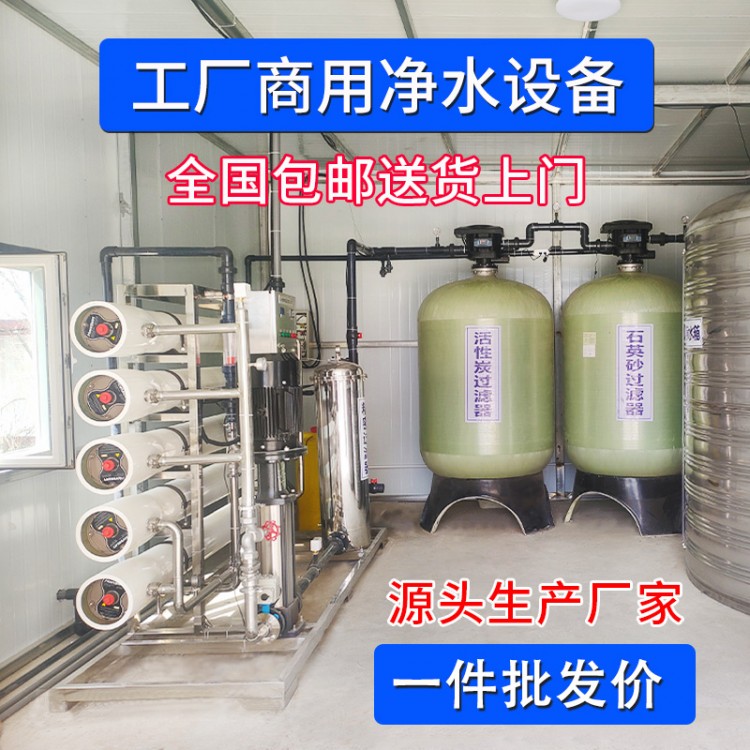


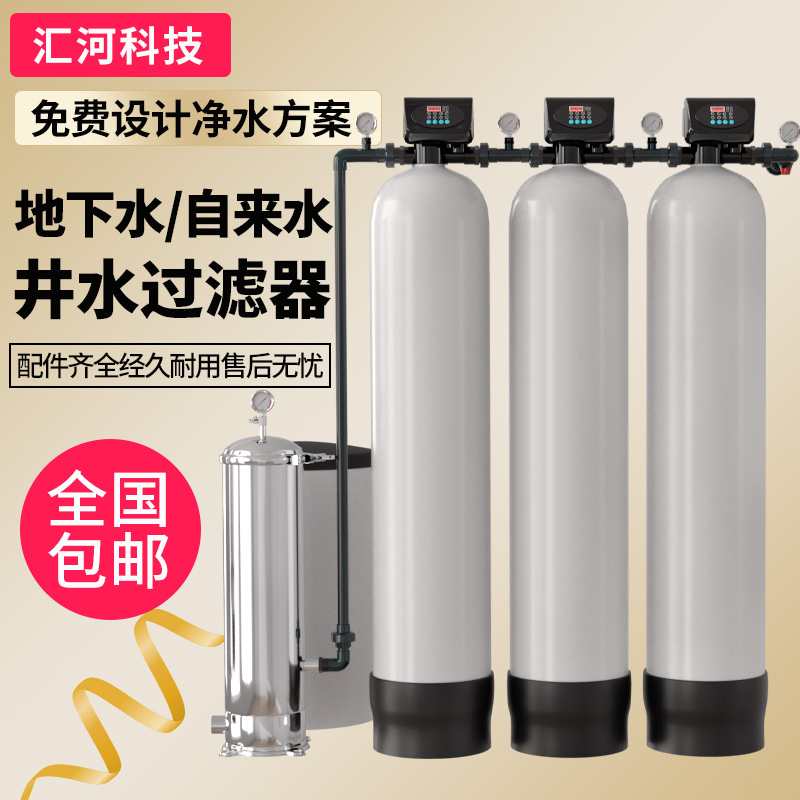
A well water filter is a specially designed device for treating impurities, suspended particles, organic matter, and other contaminants in well water. It integrates swirl and filtration by utilizing the screening principle of solid particles rotating in a desander, and achieves water purification through physical, chemical, or biological technologies (or a combination of these). This equipment typically employs the principles of centrifugal sedimentation and density differences to generate intense rotational movement of the water within the unit, separating impurities and particles, thereby enhancing the clarity and safety of the well water.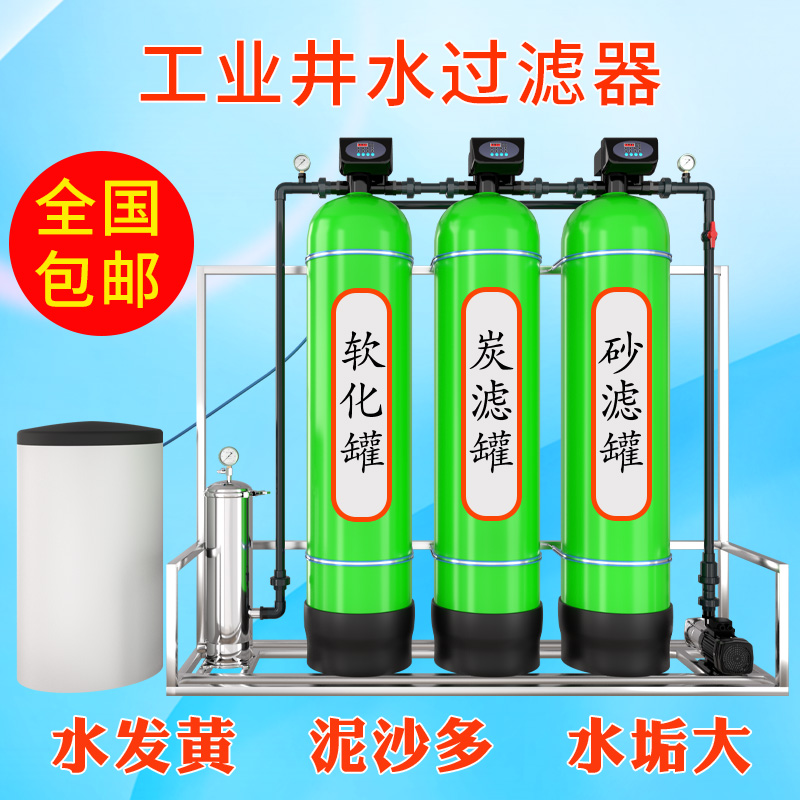
Advantages
Improve water qualityWell water filters effectively remove impurities, bacteria, viruses, and other pollutants from water, significantly improving the quality and safety of well water.
Protect HealthBy reducing harmful substances and microorganisms in water, we lower the risk of diseases caused by drinking contaminated water, thereby protecting the health of family members and community residents.
Convenient and practicalAfter installing the filter, family members and community residents can directly obtain clean drinking water from the filter, without the need for additional boiling or disinfection steps, enhancing the convenience of daily life.
Environmental Protection and Energy EfficiencyReduced the need for boiling or disinfectant water, thereby saving energy and cutting carbon emissions, aligning with the environmental protection philosophy of modern society.
Economic SavingsAlthough the initial investment cost of the filter is high, it can significantly save families and communities from health expenses and other costs caused by drinking polluted water in the long run, offering substantial economic benefits.
Application Scope
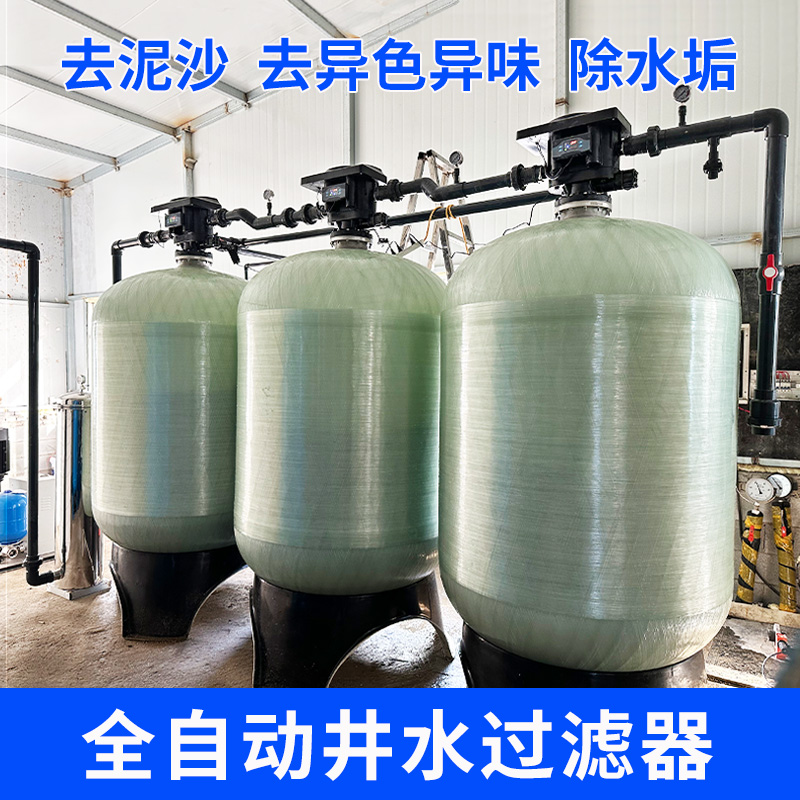
Wells water filters are widely used in rural areas and urban outskirts, where well water is often the primary source of drinking water. Due to the potential high levels of impurities, suspended particles, and microorganisms in well water, the use of well water filters ensures water quality meets drinking water standards, safeguarding residents' health and the safety of domestic water supply. Moreover, well water filters are suitable for the water treatment needs of industries such as chemical, environmental protection, and food processing, providing these sectors with high-quality production water.
In summary, well water filters have gained widespread application and promotion in rural areas, urban fringes, and industrial sectors, thanks to their advantages of improving water quality, protecting health, being convenient and practical, environmentally friendly, and economically cost-effective.