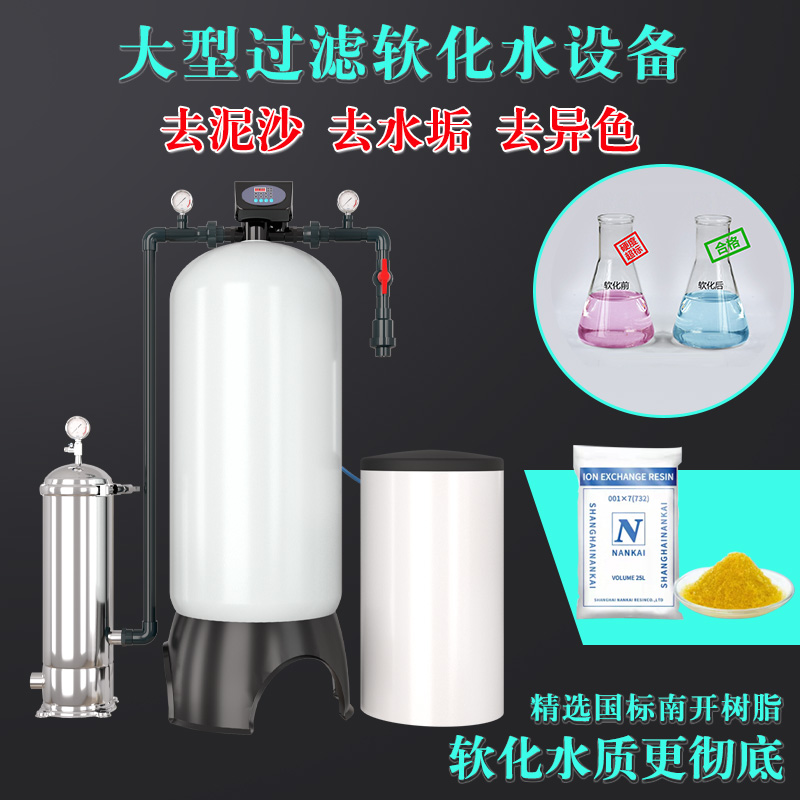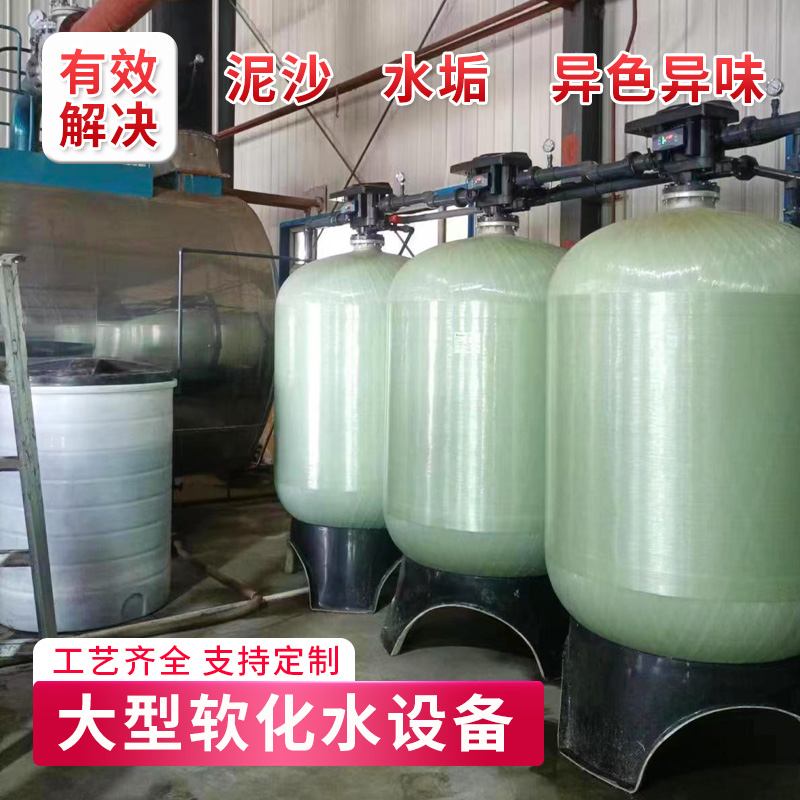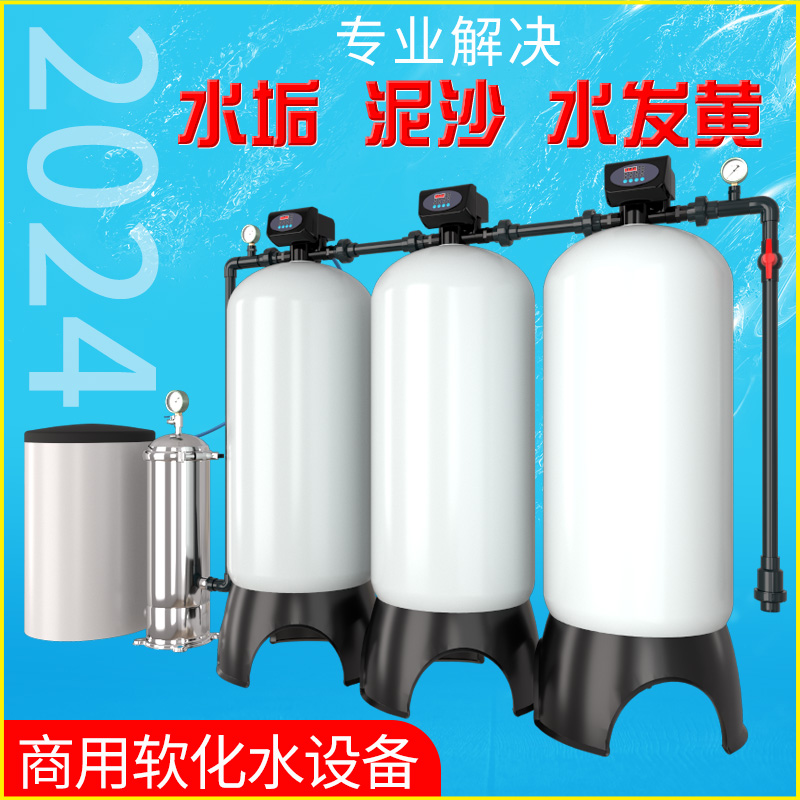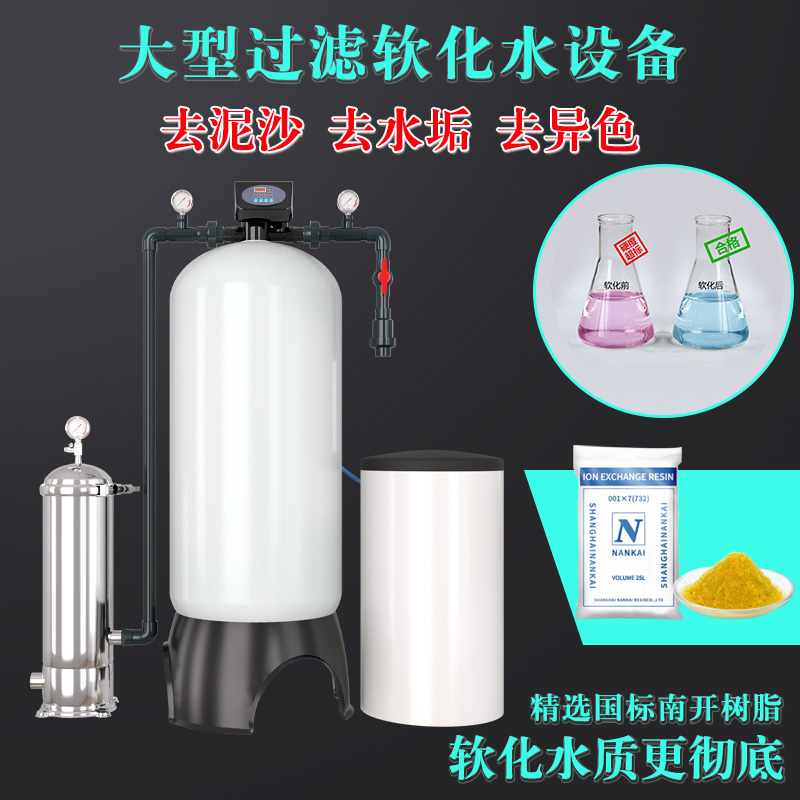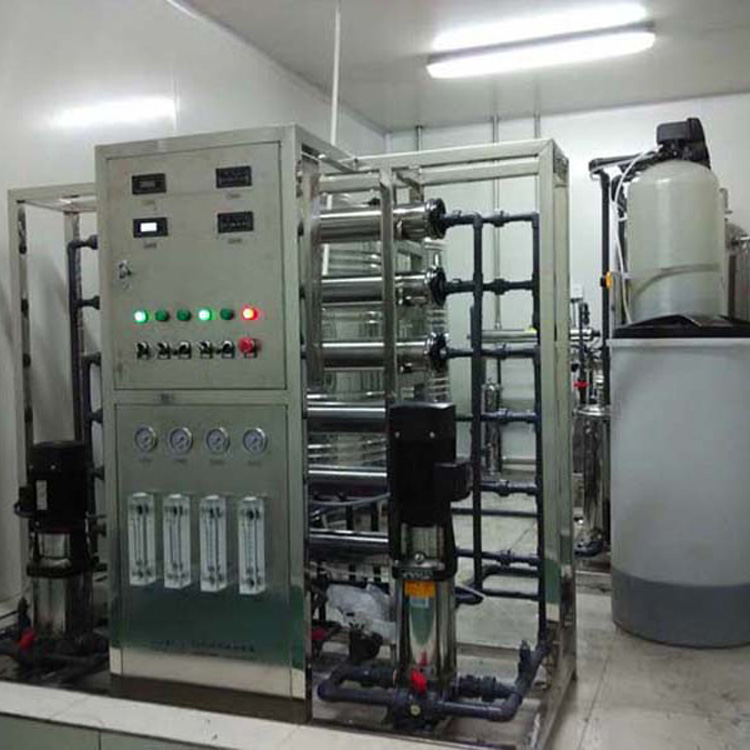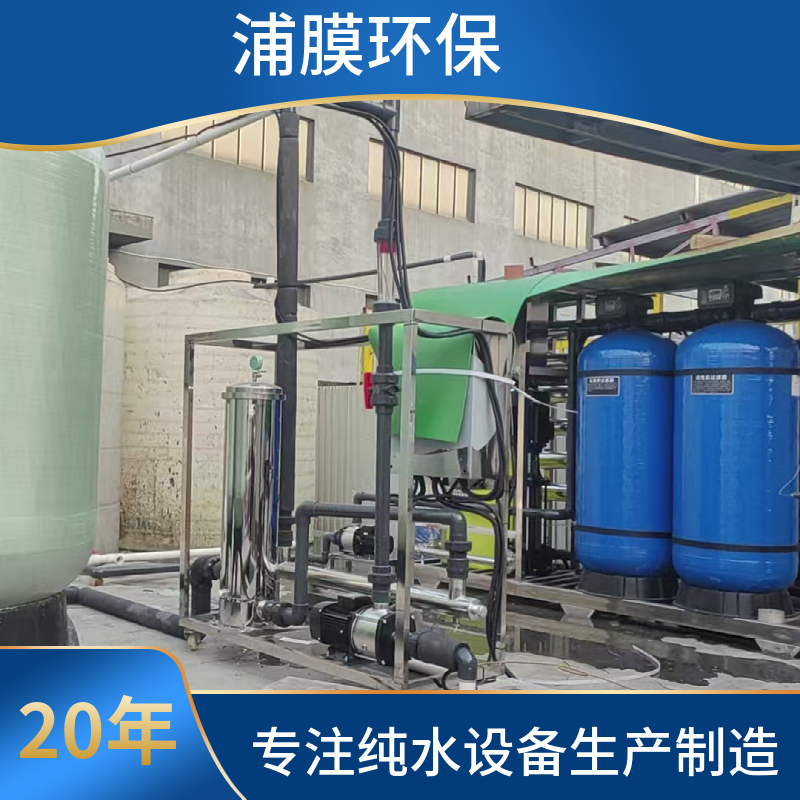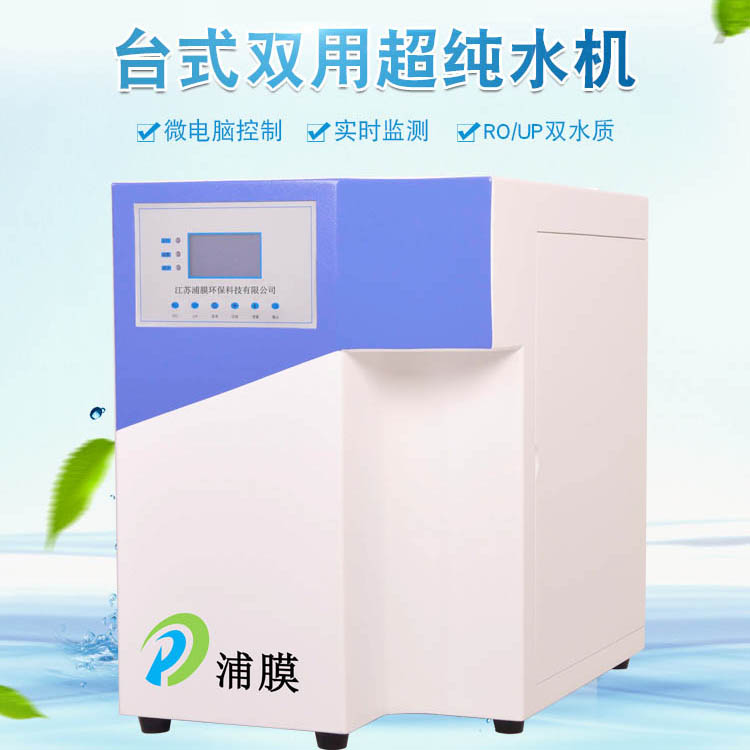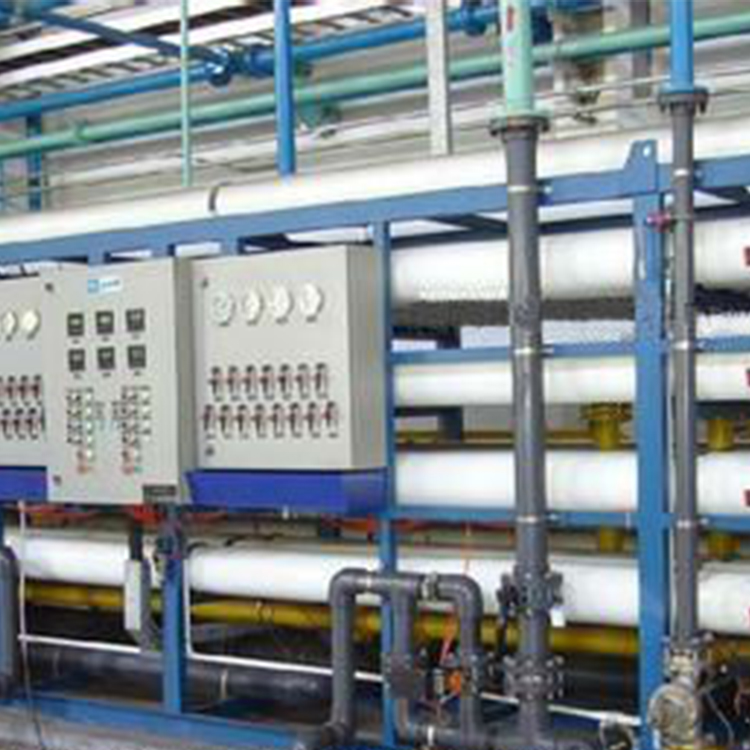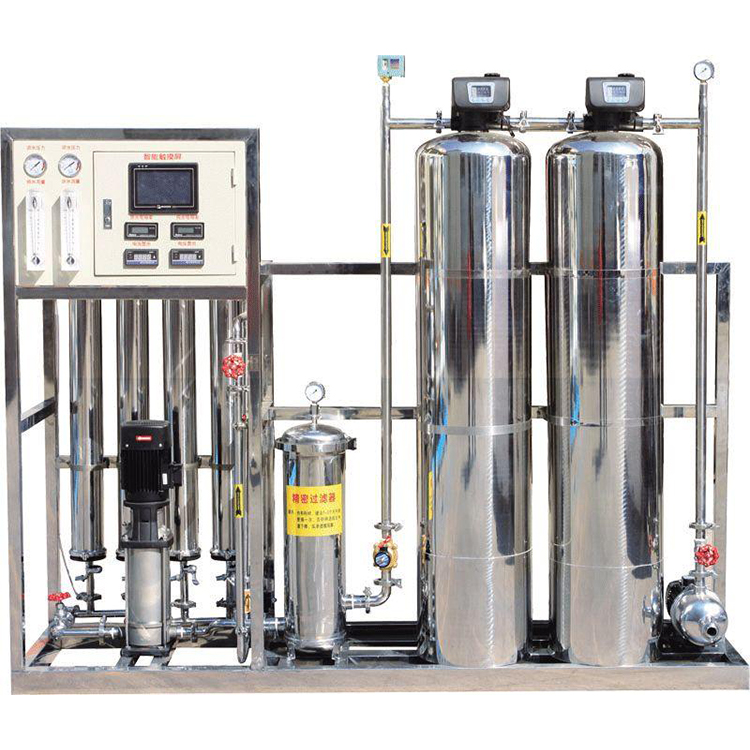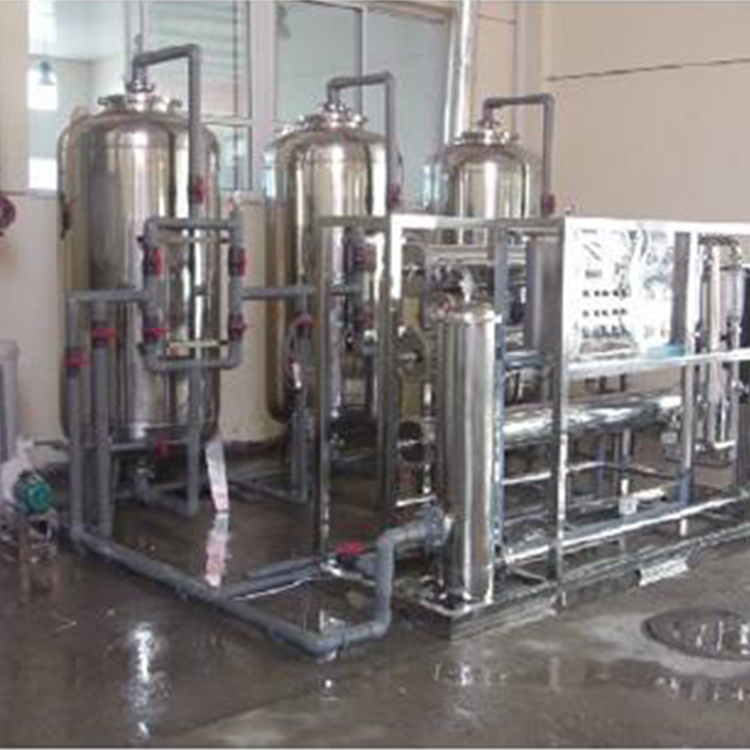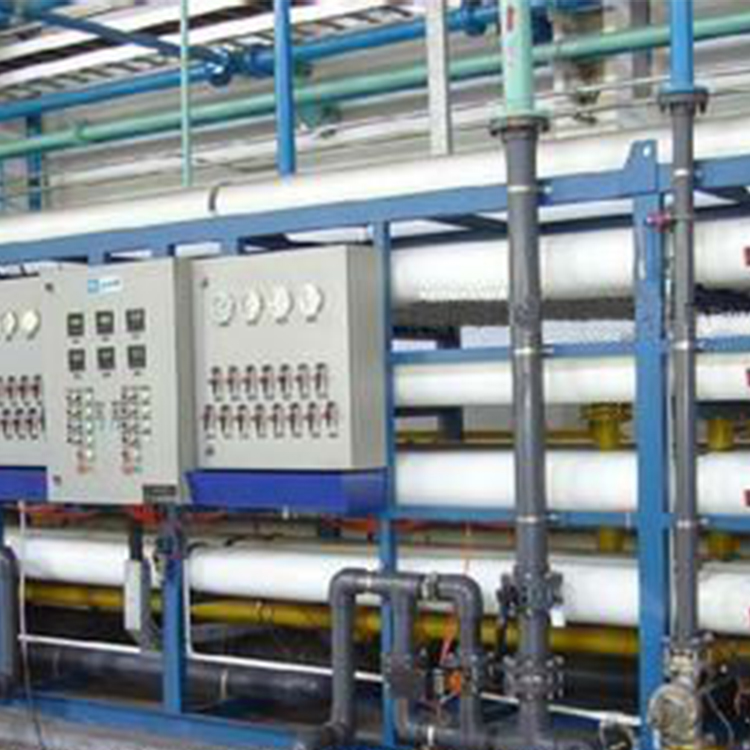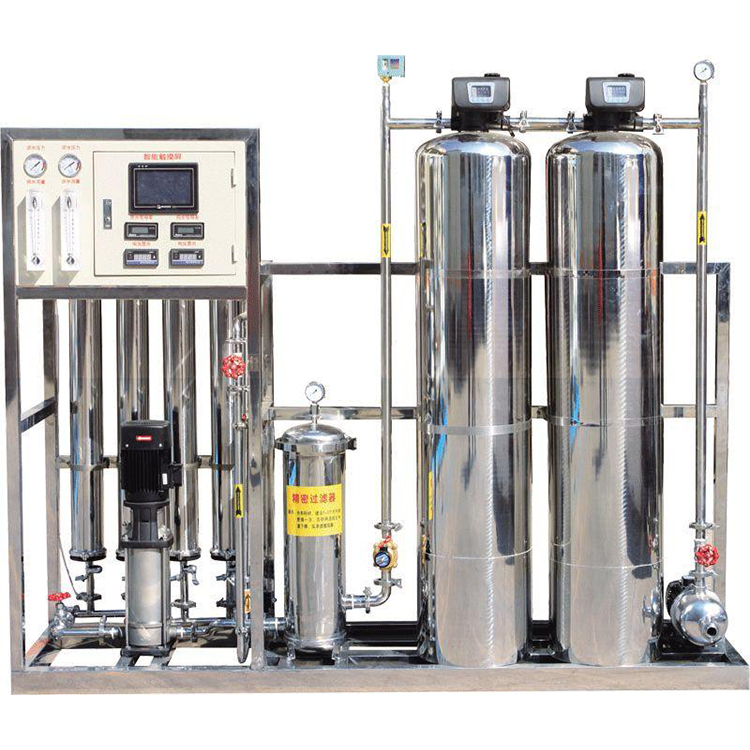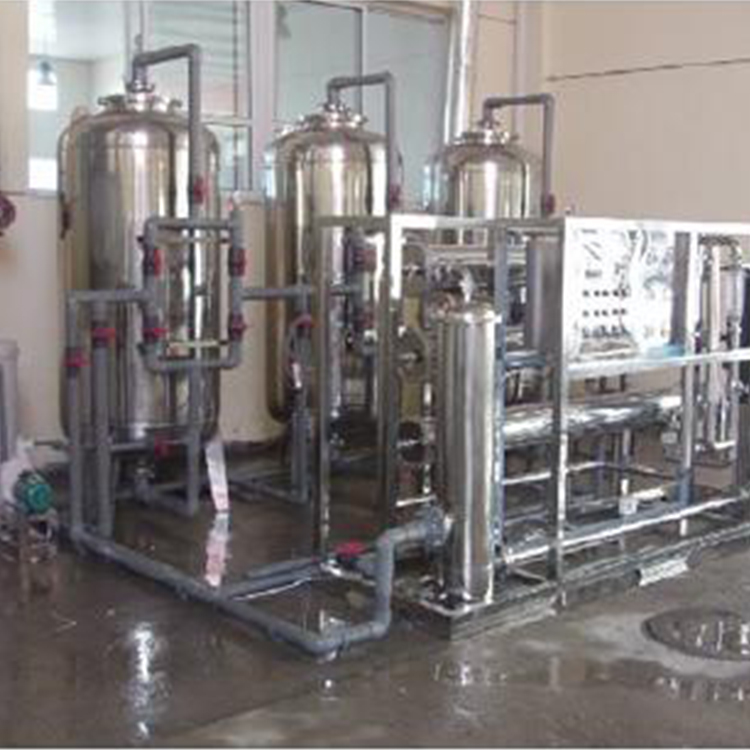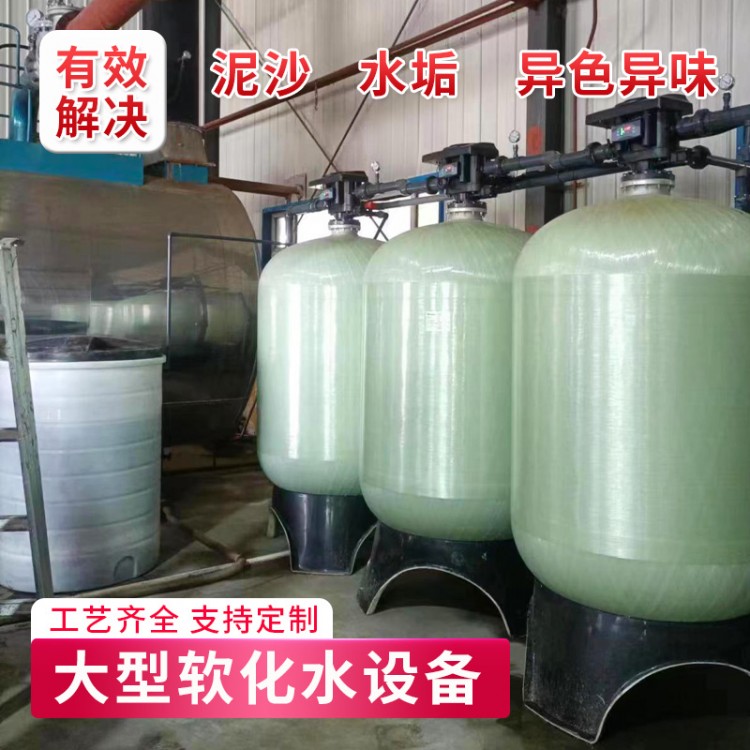


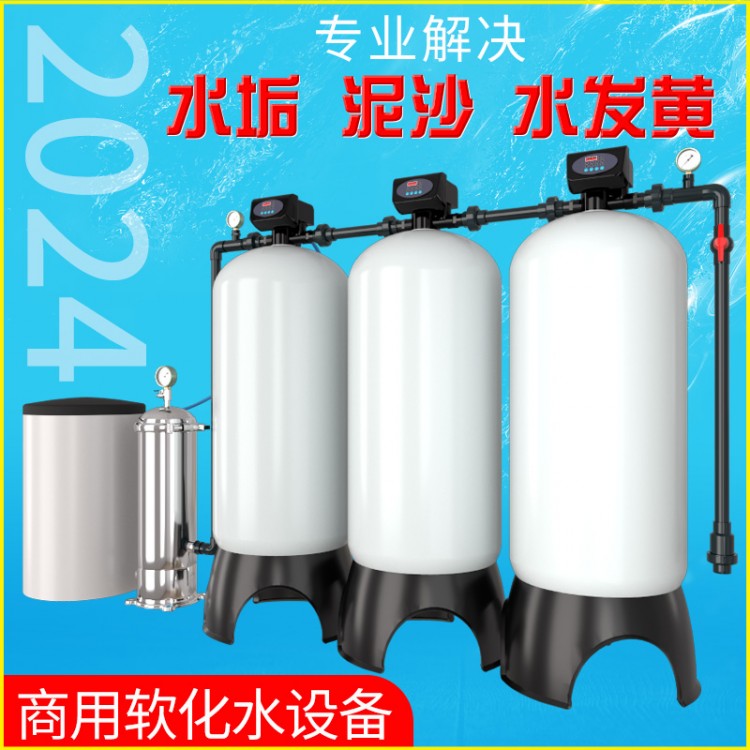
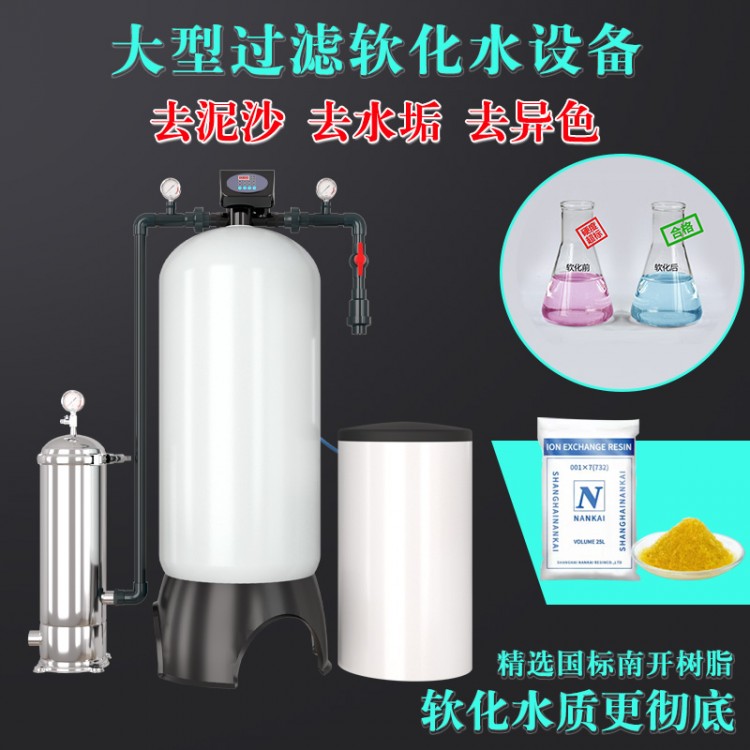


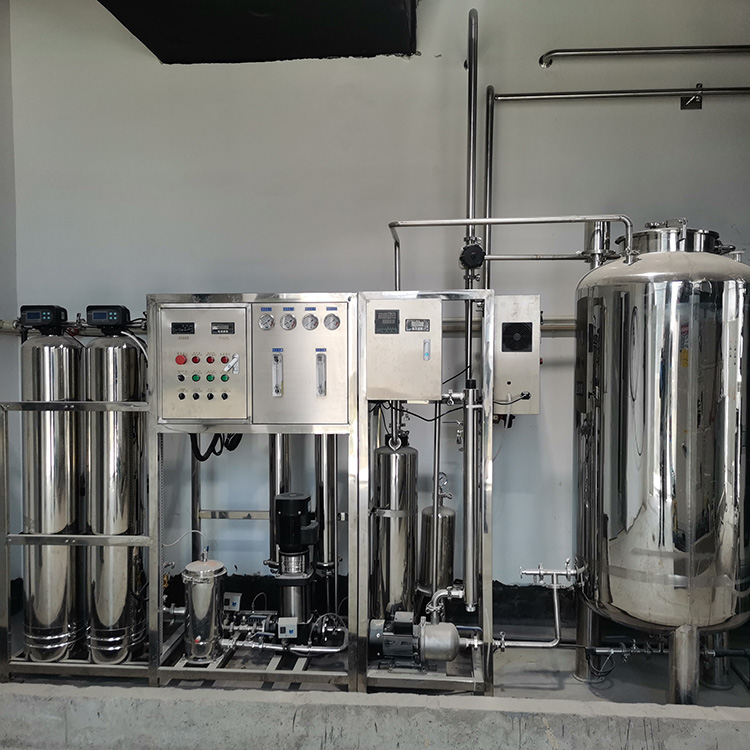
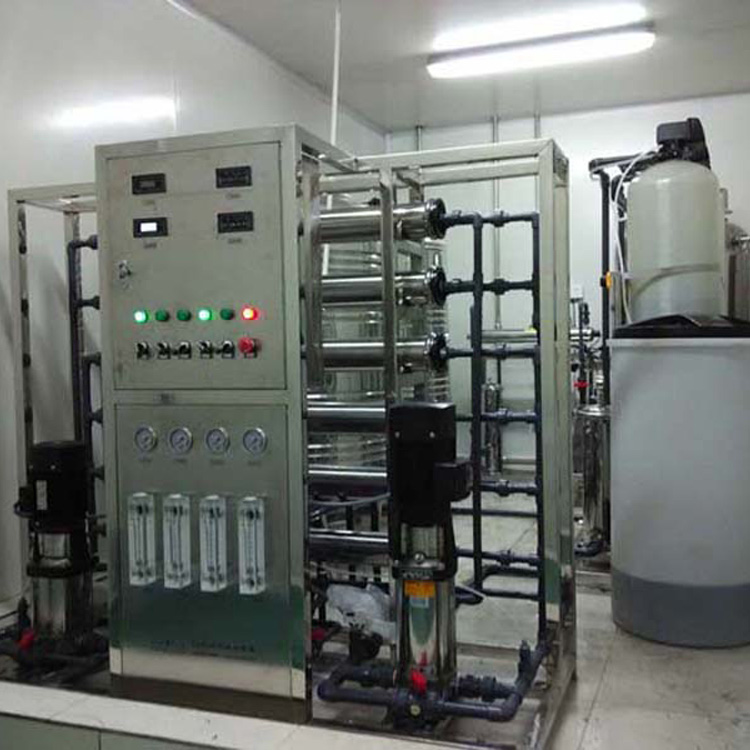

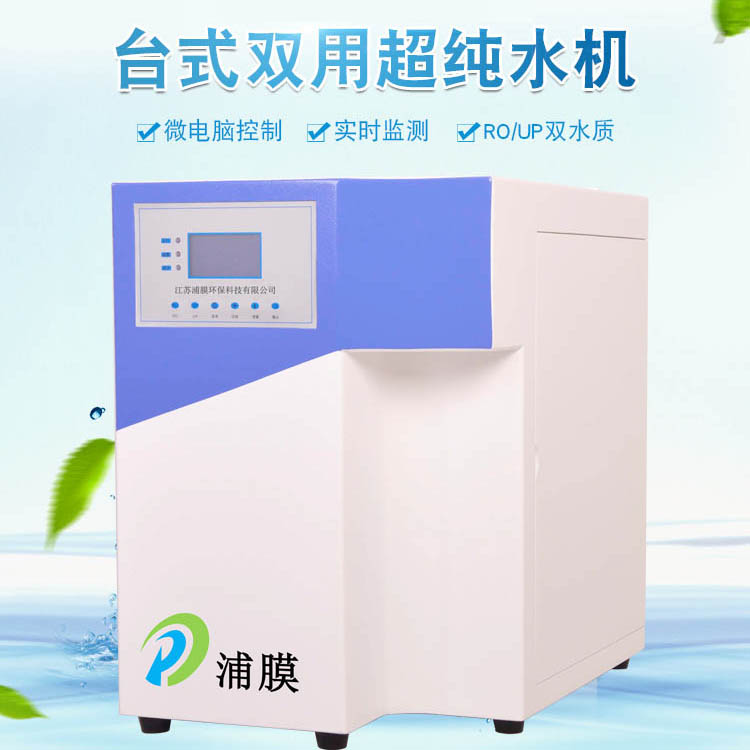
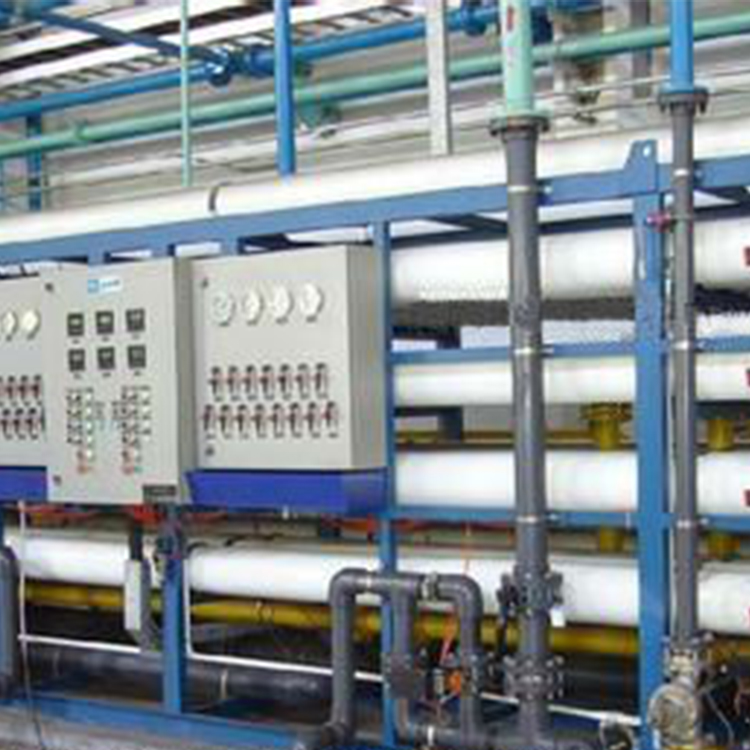






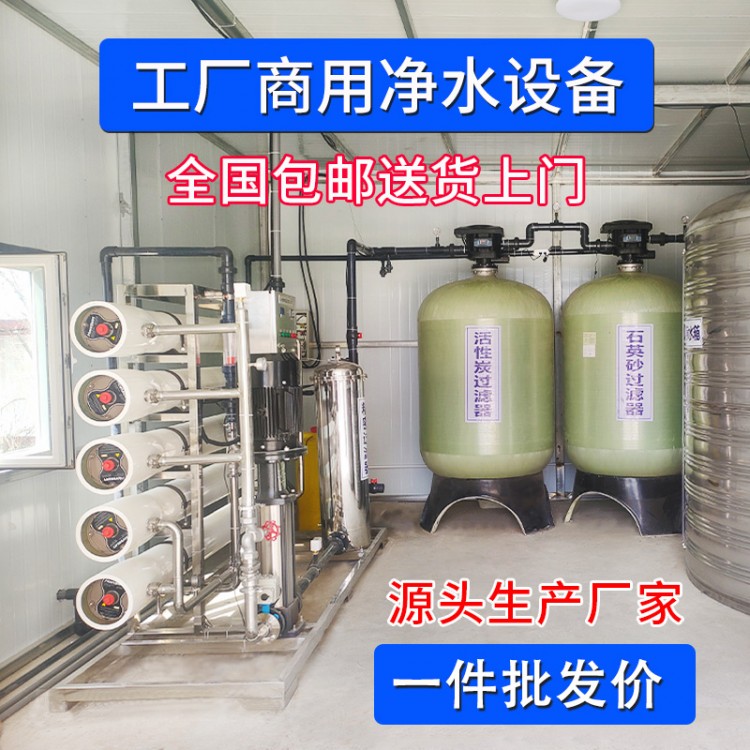


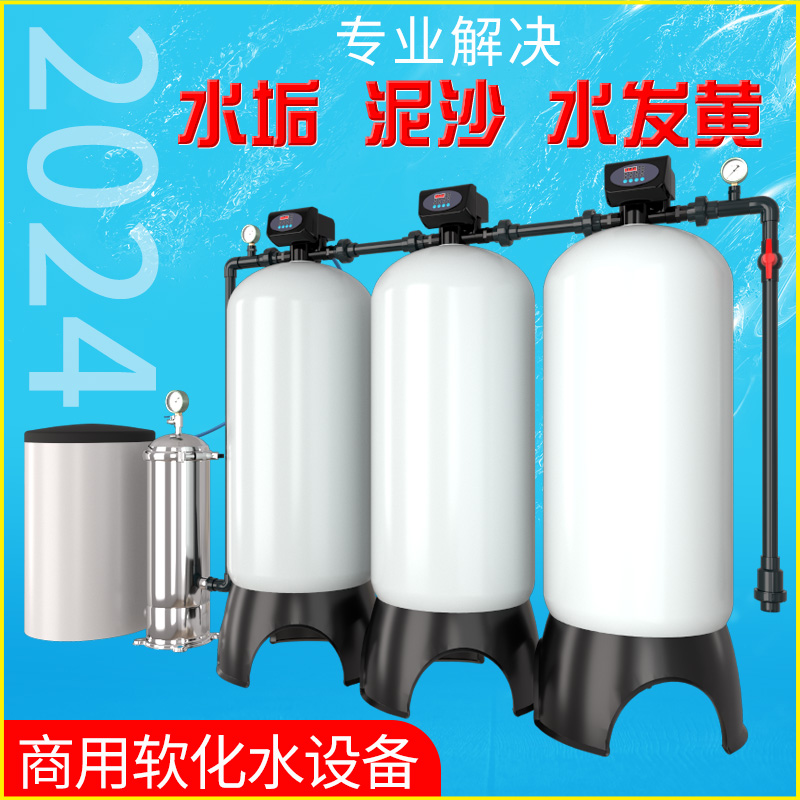
Water Softening Equipment, as the name implies, is a device designed to reduce water hardness. It achieves this by removing calcium and magnesium ions from the water, thereby improving water quality and preventing scale formation. The working principle of water softening equipment is primarily based on ion exchange technology, usually utilizing cation exchange resins (water softeners) as the core component. These resins exchange the Ca²⁺ and Mg²⁺ (main components of scale) with Na⁺, thereby softening the water. During operation, the softening equipment undergoes steps such as backwashing, salt absorption (regeneration), slow rinse (replacement), and fast rinse to ensure continuous and efficient operation.
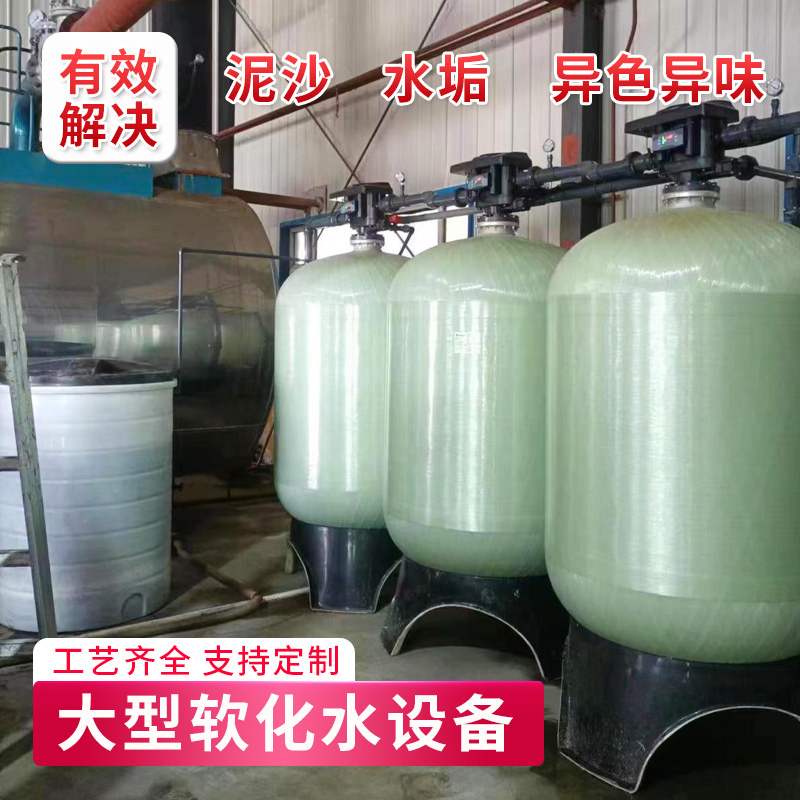
Advantages
High-efficiency softeningWater softening equipment efficiently removes calcium and magnesium ions from water, significantly reducing water hardness, preventing scale formation, and protecting water-using equipment from corrosion and blockage.
Energy-saving and environmentally friendlyCompared to traditional water treatment methods, soft water treatment equipment consumes less energy during operation and produces less waste water, which is beneficial for reducing environmental pollution.
Automated ControlModern soft water treatment equipment commonly utilizes automated control systems, which can automatically adjust the treatment process based on changes in water quality, ensuring stable and reliable water quality while reducing the complexity of operation and the likelihood of manual intervention.
Easy maintenanceThe equipment features a compact structure with minimal footprint, facilitating daily maintenance and upkeep for users. Additionally, some of the equipment is equipped with a comprehensive fault self-diagnosis system, capable of promptly detecting and alerting users to address equipment malfunctions.
Widely appliedSoft water treatment equipment meets the needs of various water qualities and production environments, catering to industrial production, commercial facilities, and residential life. Wherever there is a demand for softened water, these treatment systems can provide a solution.
Application Scope
Water softening treatment equipment is widely used in the following fields:
Industrial ManufacturingIn industries such as automotive manufacturing, electronics production, and metal processing, soft water equipment can be used in cooling systems, boilers, heat exchangers, and other equipment to reduce scale buildup and corrosion, thus enhancing equipment efficiency and lifespan.
Construction IndustryIn the building's cooling towers, heating systems, and water supply, softened water can reduce the frequency of equipment maintenance and cleaning.
Hotel and catering industrySoftened water is used for hotel laundry, dishwashing, cooking, and drinking water, to enhance food quality and prolong equipment lifespan.
Agricultural IrrigationAgricultural fields typically require a substantial amount of water, and softened water is suitable for irrigation systems, which aids in plant growth and reduces pipe clogs.
Swimming Pool and Spa CenterSoftened water is used in swimming pools and spa centers to prevent scale buildup and maintain equipment cleanliness.
Home LifeWater softening equipment can also be used for household tap water treatment, washing machine water treatment, bathroom heating, shower water treatment, etc., to reduce the inconvenience caused by hard water.
In summary, water softening equipment has become an indispensable and vital piece of equipment in modern industrial production, business operations, and household life, thanks to its advantages such as efficient softening, energy conservation, environmental protection, automated control, easy maintenance, and a wide range of applications.