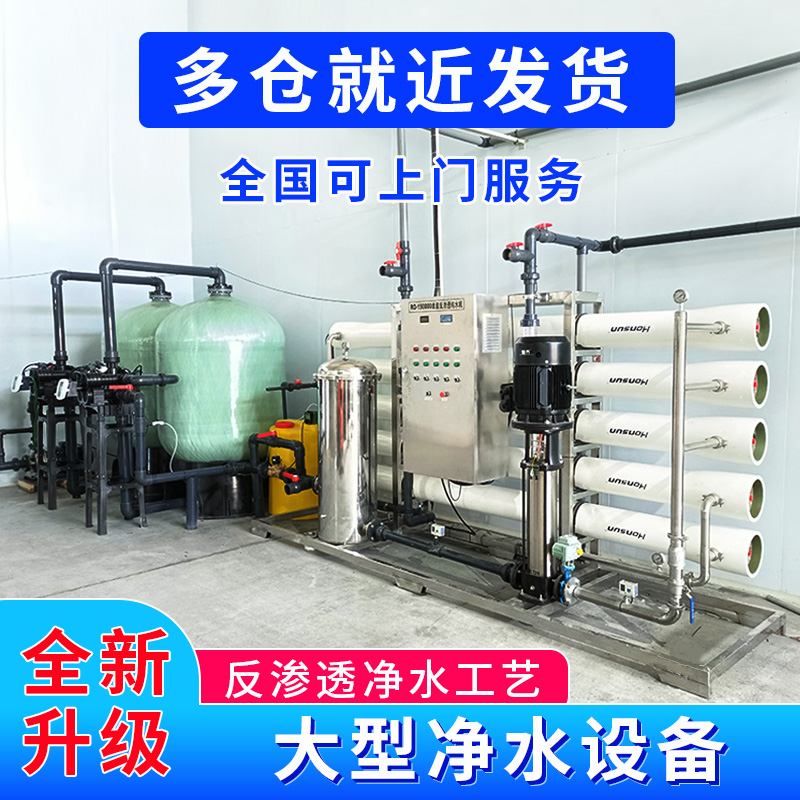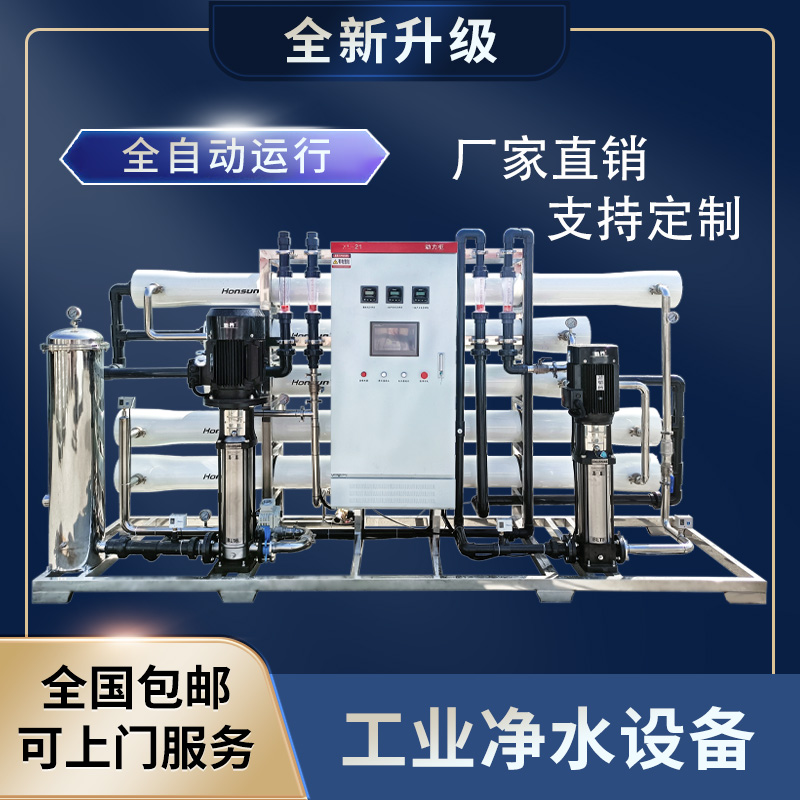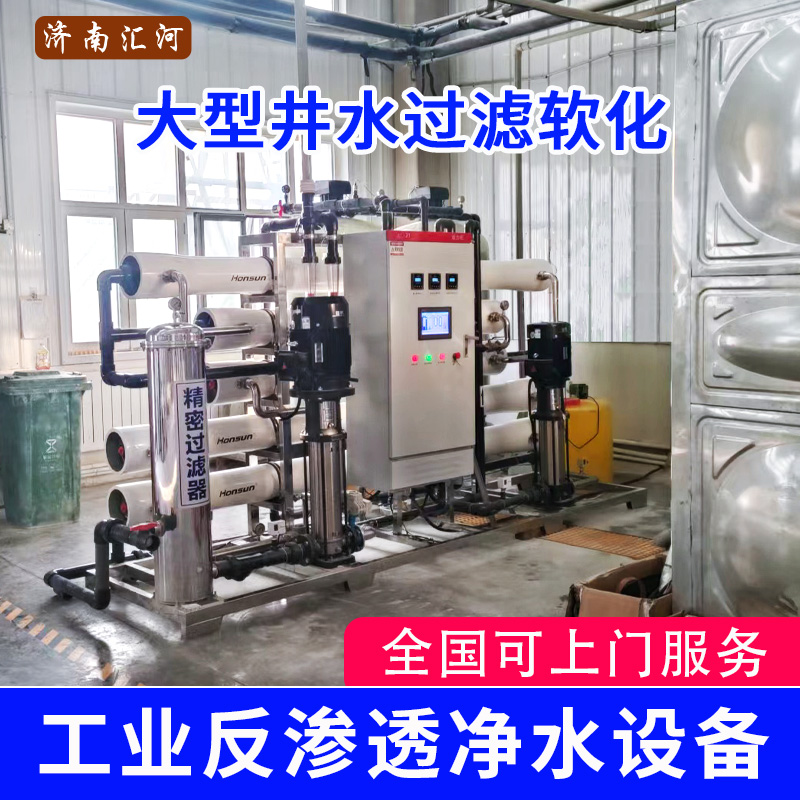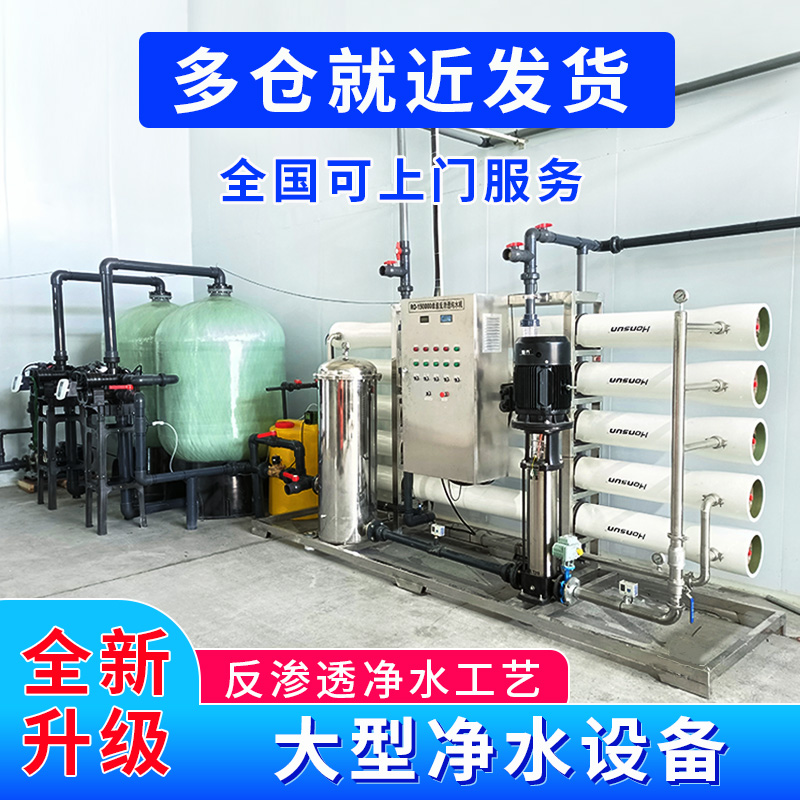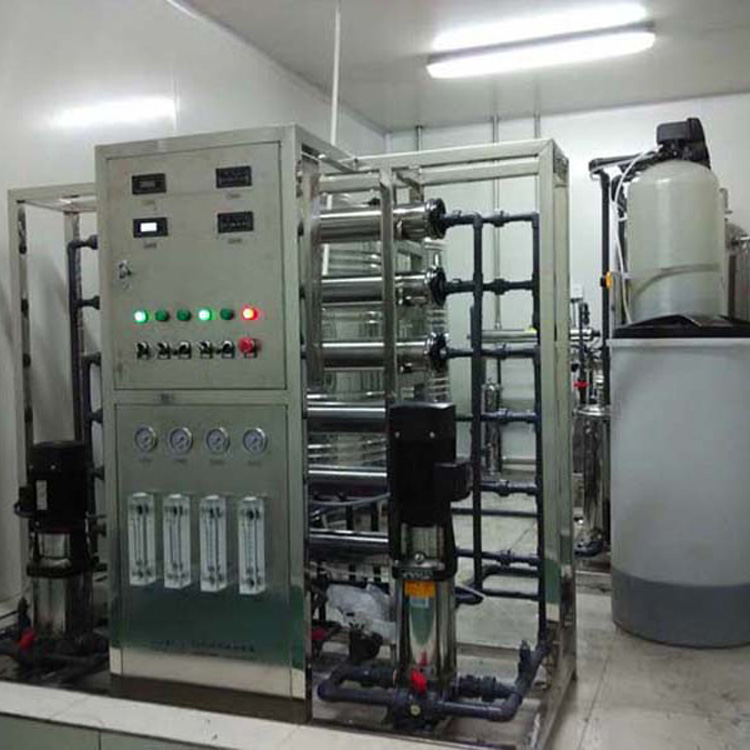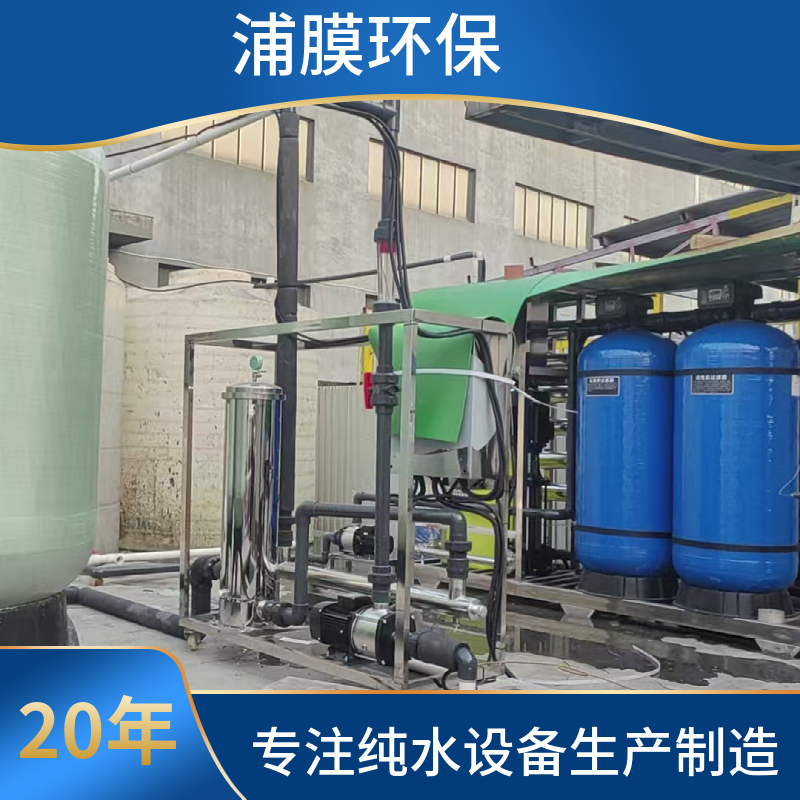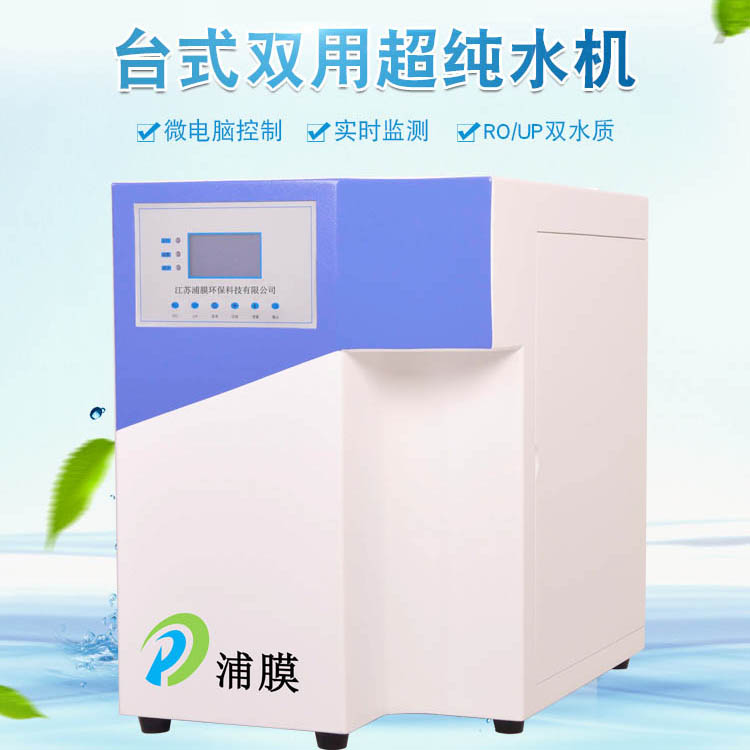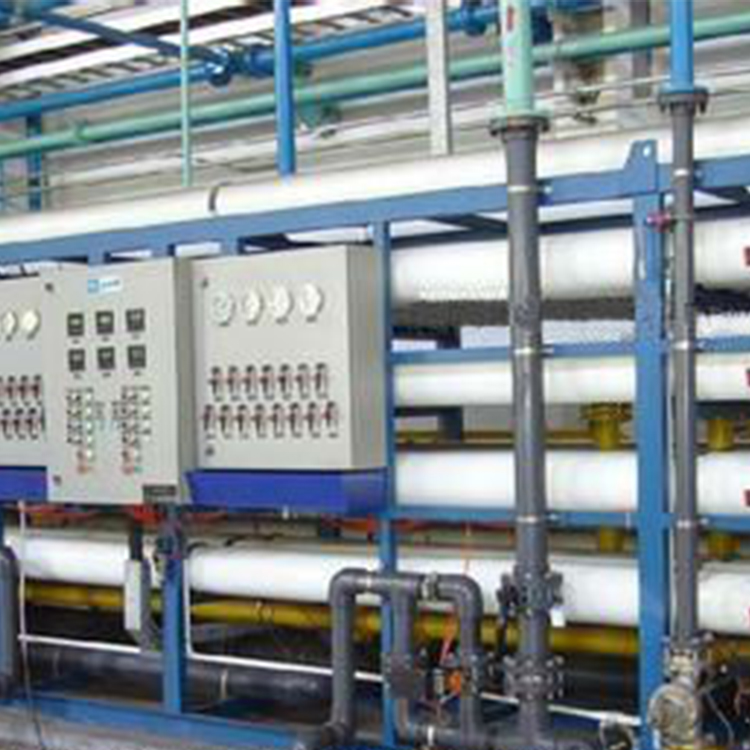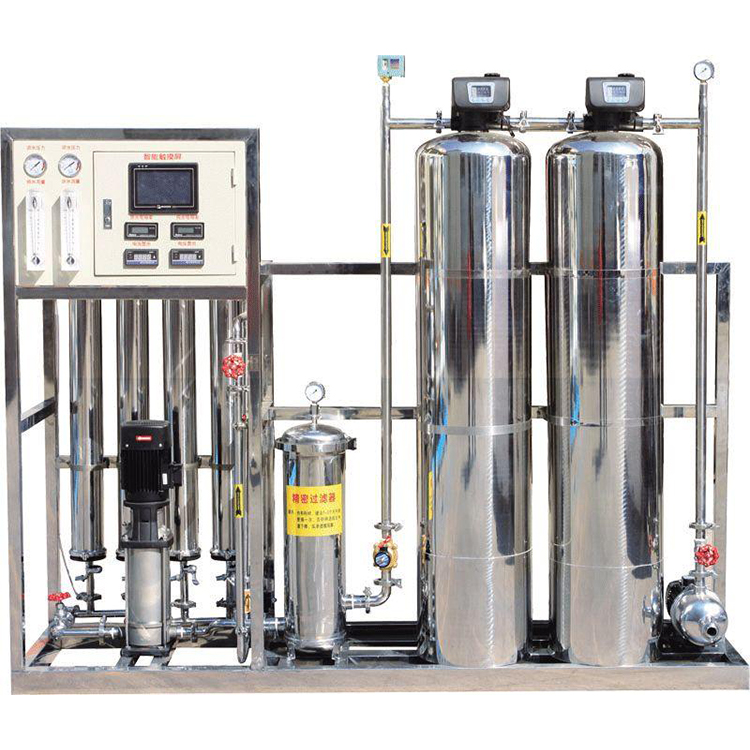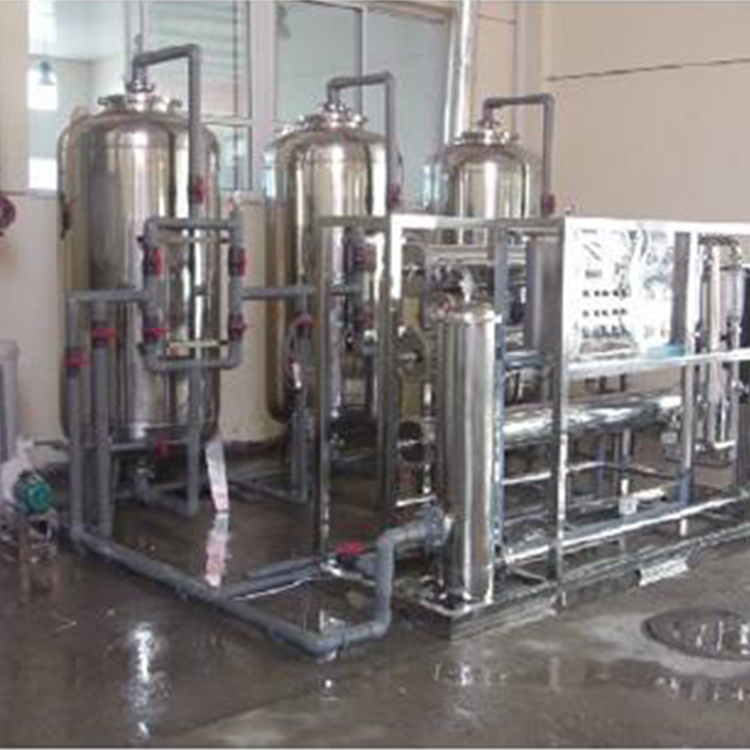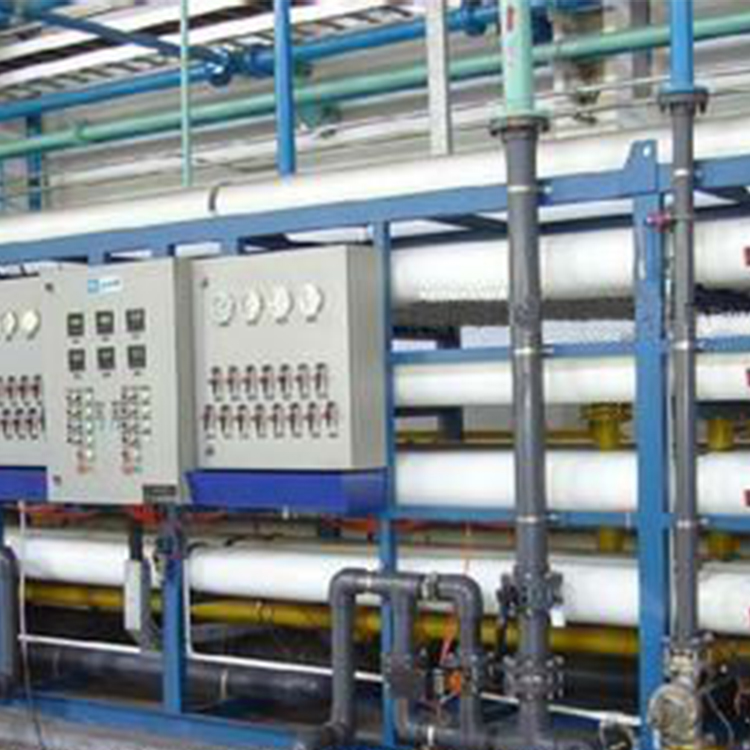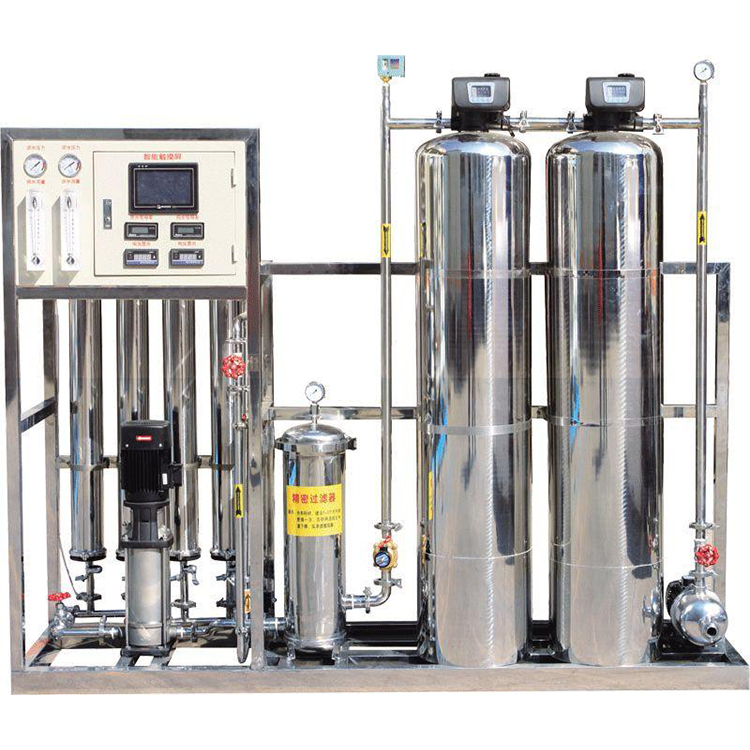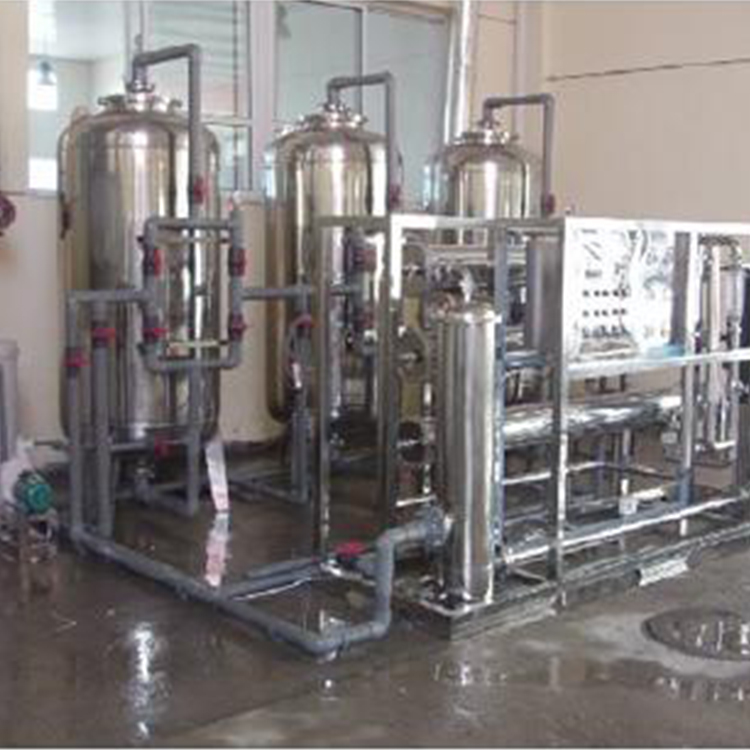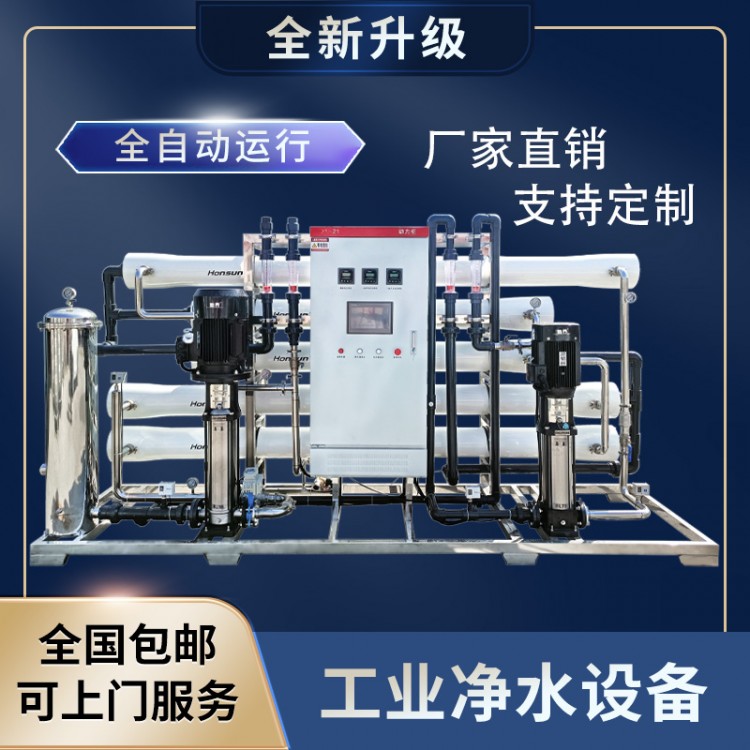


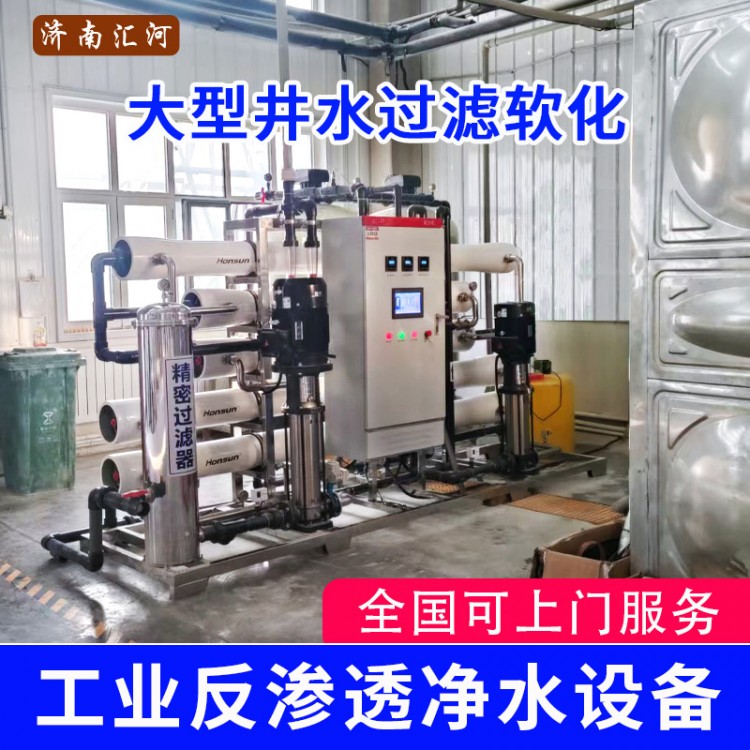


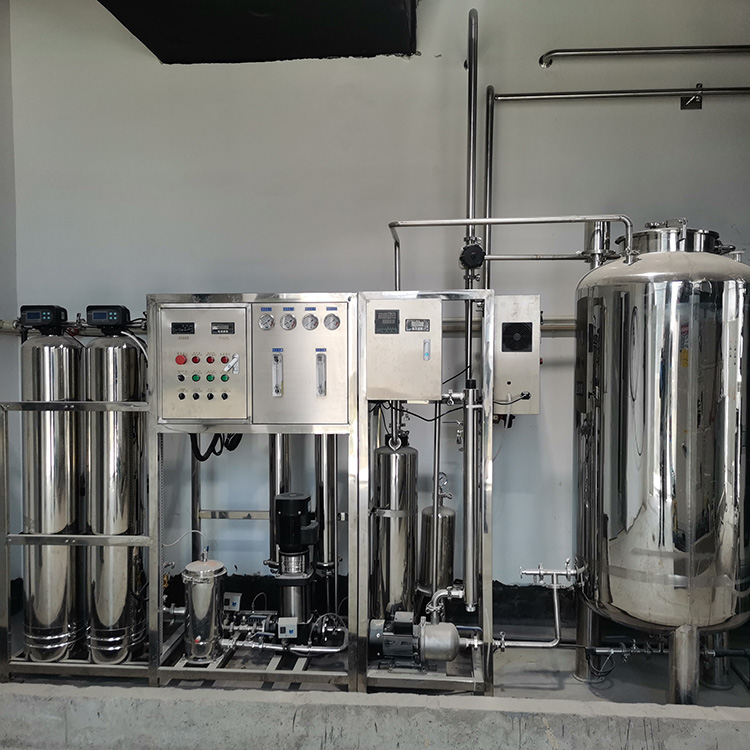
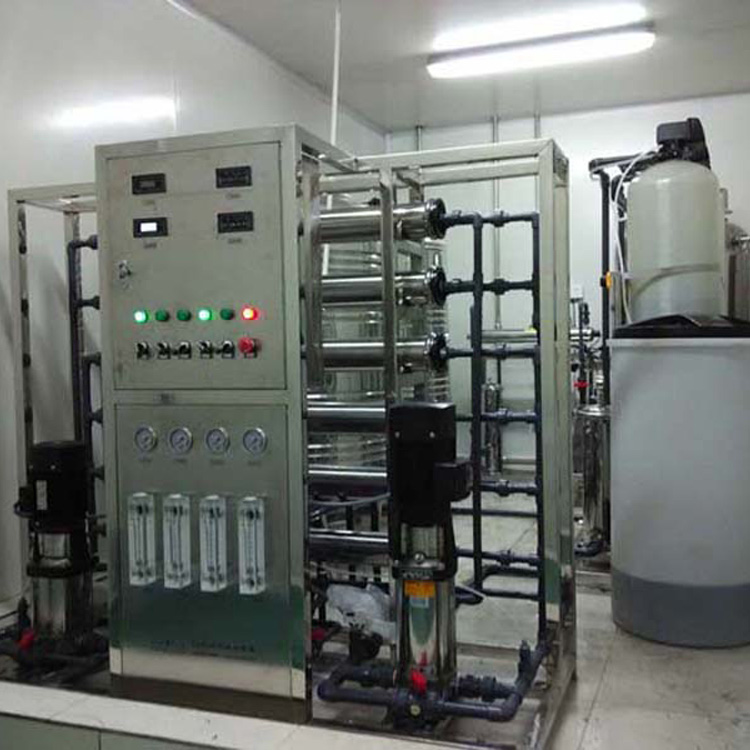

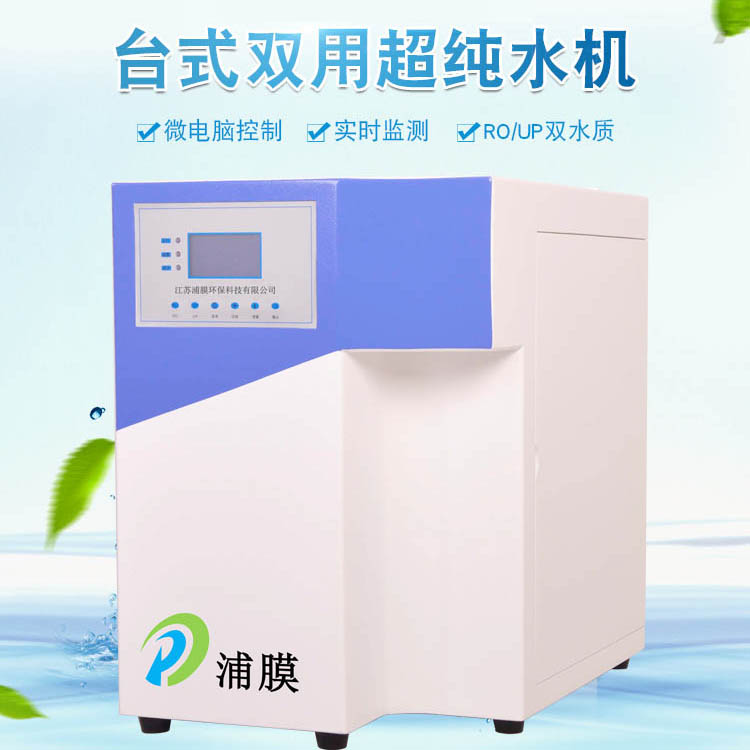
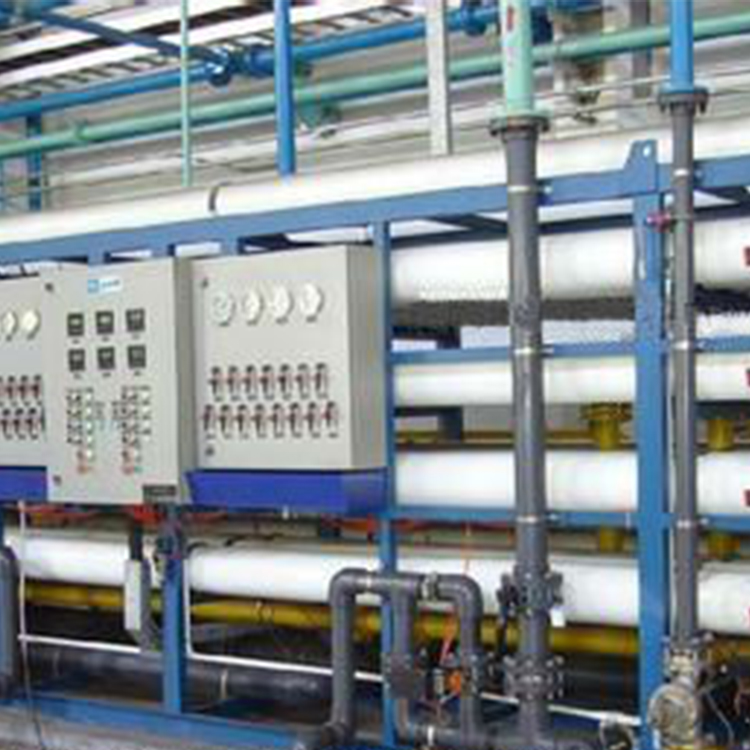







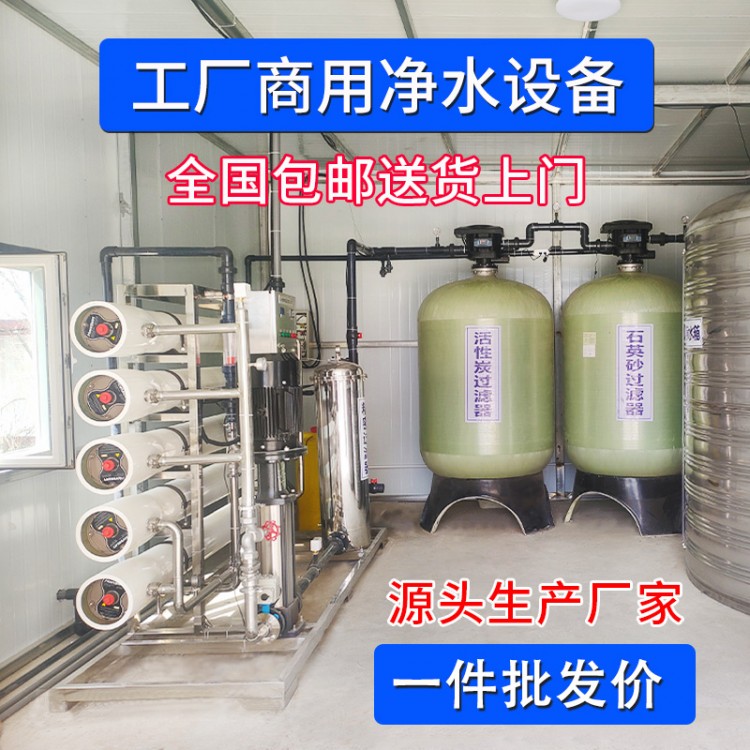

Reverse osmosis equipment, also known as reverse osmosis water purifiers or pure water equipment, is an efficient water treatment system based on modern membrane separation technology. It utilizes selectively permeable (semi-permeable) membranes to separate and purify water under pressure, resulting in high-quality pure water.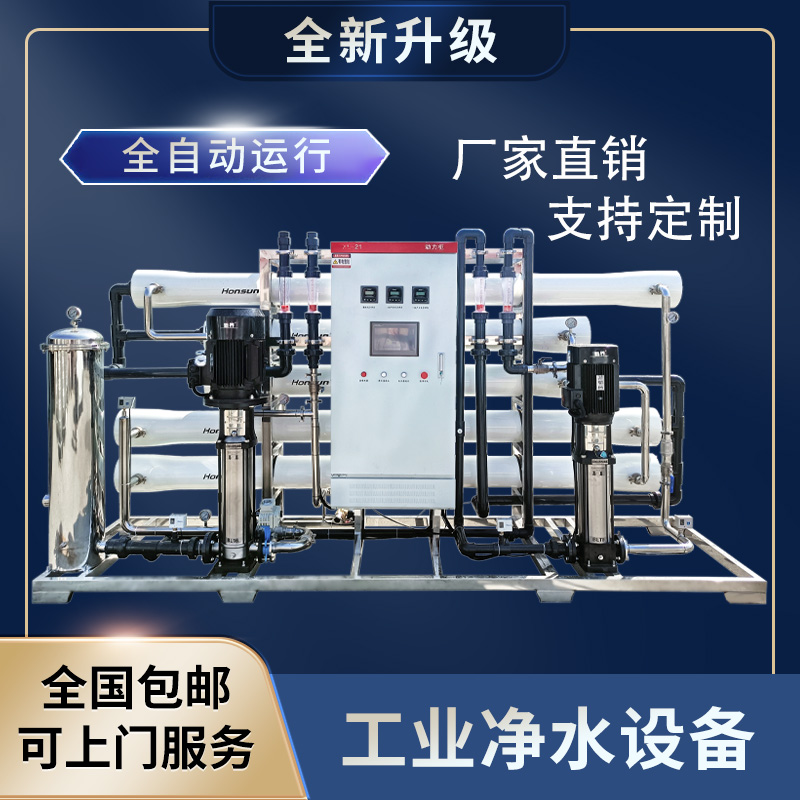
The working principle of reverse osmosis equipment is that when the pressure applied to the system exceeds the osmotic pressure of the incoming water solution, water molecules can continuously pass through the membrane, while impurities in the water such as ions, organic matter, bacteria, and viruses are retained on the feed side of the membrane and discharged at the concentrated water outlet. During this process, the raw water undergoes pre-treatment steps including fine filter, granular activated carbon filter, and compressed activated carbon filter, then is pressurized by a pump and purified through a very small-pored reverse osmosis membrane (RO membrane), producing water that meets drinking regulations in terms of physical and chemical indicators and hygiene standards.
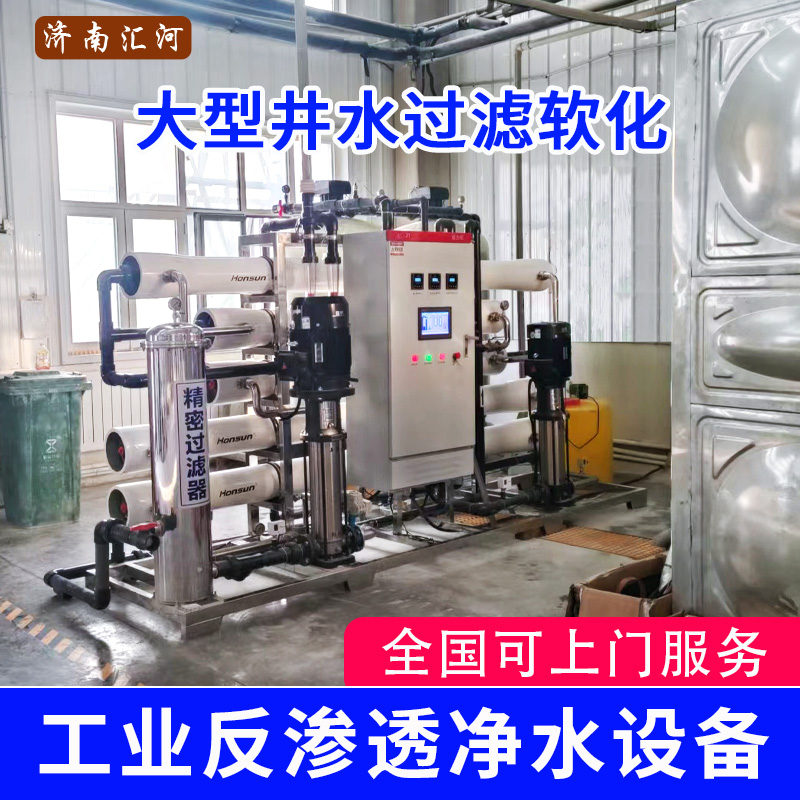
Advantages
High-Efficiency Water Purification: Reverse osmosis systems effectively remove impurities, heavy metals, bacteria, viruses, and other harmful substances from water, providing high-quality purified water. Their purification rates are high, even achieving significant salt rejection rates, making them one of the pure water treatment technologies mastered by humans today.
Safety and Health: Utilizes physical filtration, no chemicals added, harmless to the human body, and safe for drinking. This pure physical filtration method avoids the risk of chemical contamination, ensuring water quality safety.
Compact structure, minimal space requirement: The reverse osmosis equipment is designed to be compact with minimal space footprint, making it easy to install and use. It is particularly suitable for locations with limited space, such as homes and offices.
High level of automation: The equipment can be operated automatically without the need for professional supervision. In case of a malfunction, the equipment will automatically shut down and sound an alarm, reducing the need for human intervention and the risk of human error.
Low operational costs: No large amounts of chemicals are required during the operation of reverse osmosis equipment, and there is no chemical waste discharge, preventing secondary pollution. Moreover, its efficient filtration technology saves water and reduces water bill expenses, thereby lowering overall operational costs.
Wide Range of Application: Reverse osmosis systems are not only suitable for daily life environments such as homes and offices, but are also extensively used in industrial sectors like electronics, manufacturing, and food processing to produce high-quality water sources such as pure and ultra-pure water.
Water Quality Stability: The equipment can continuously produce water with stable quality, meeting the high standards of water quality required by various industries and fields.
Ease of Maintenance: The RO system is relatively simple, with easy operation and maintenance. Regularly replacing the filter cores and cleaning the equipment ensures the normal operation and long service life of the equipment.
In summary, reverse osmosis equipment, with its advantages of efficiency, safety, convenience, and economy, has become one of the key devices in the modern water treatment field. Whether in daily life or industrial production, reverse osmosis equipment plays an indispensable role.