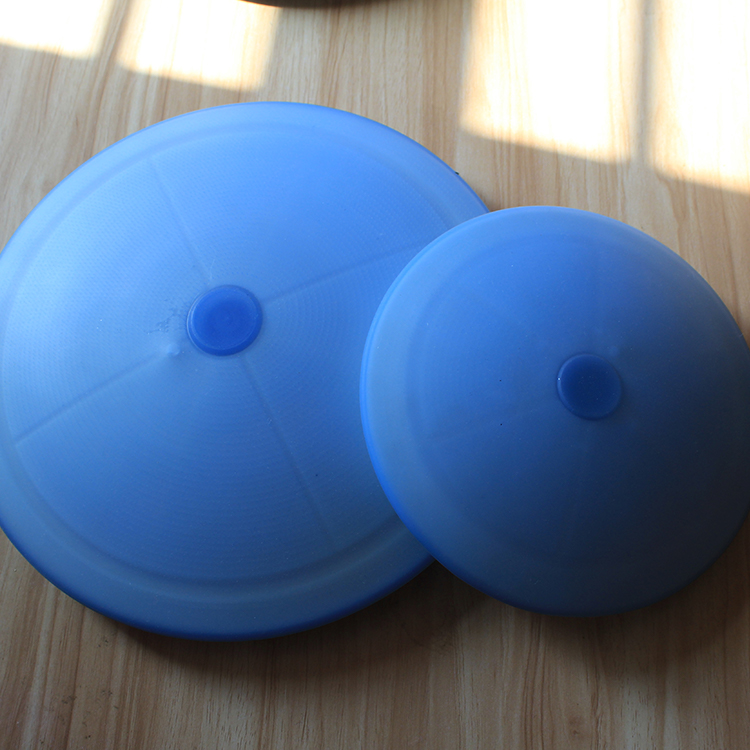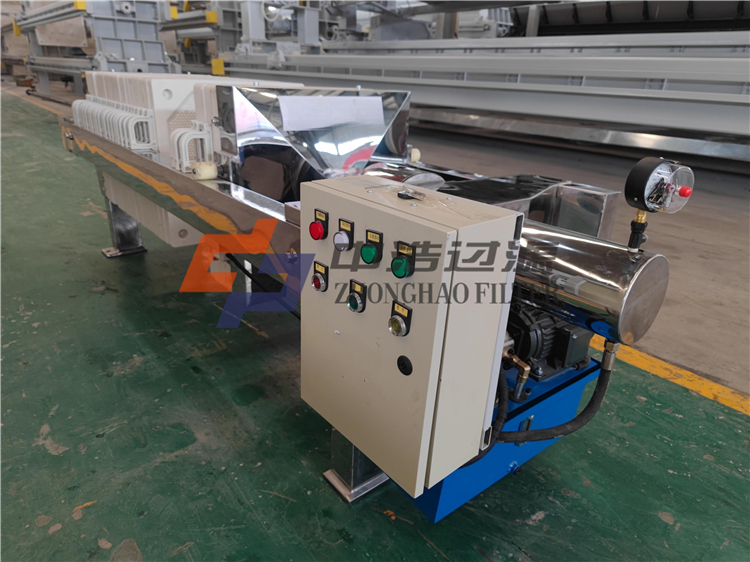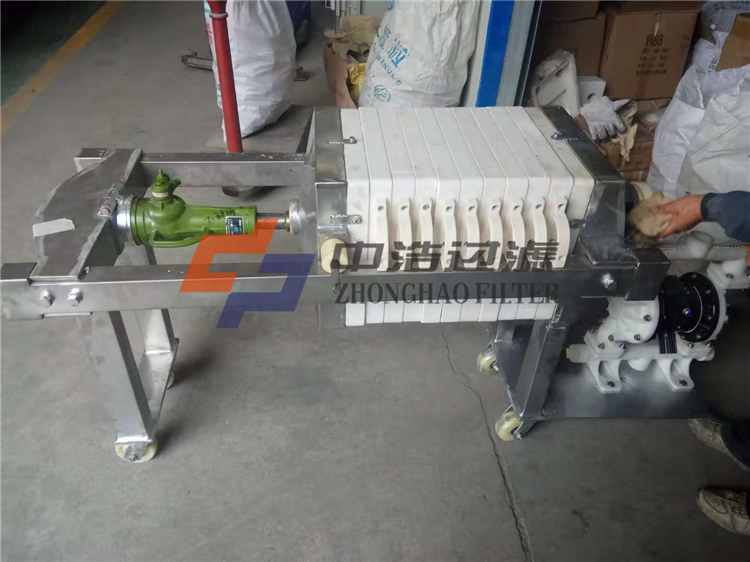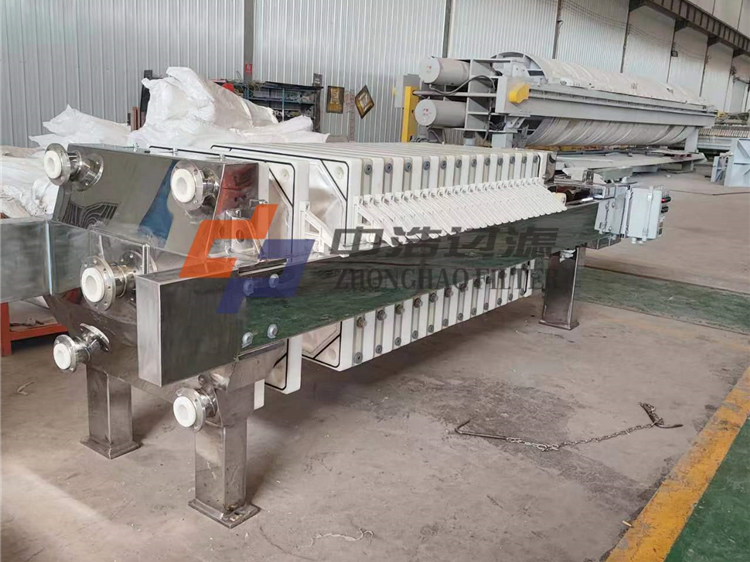

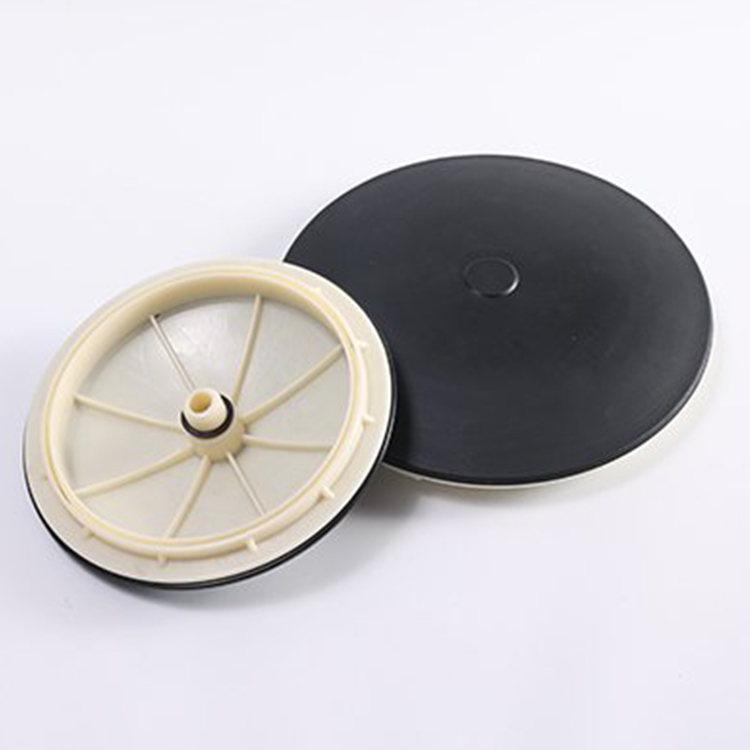

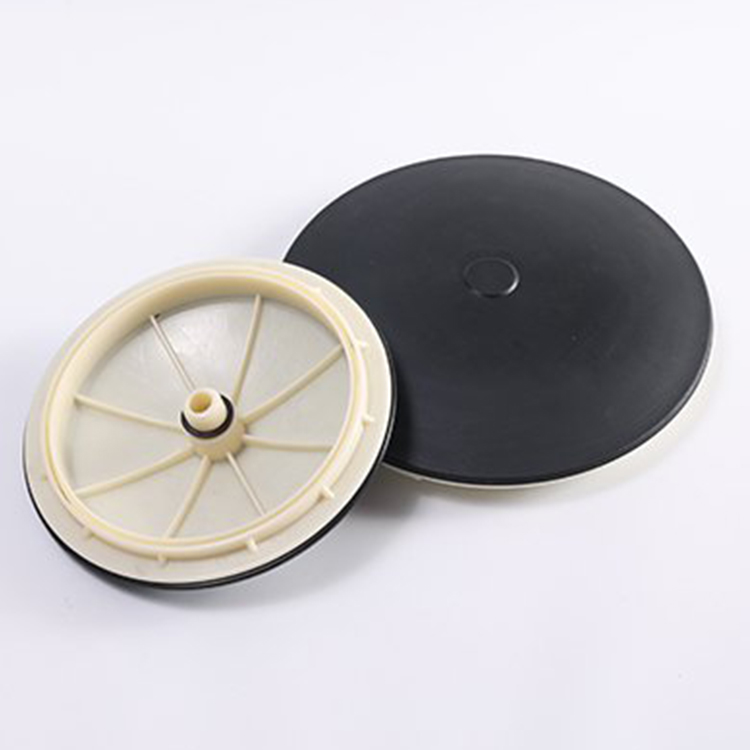
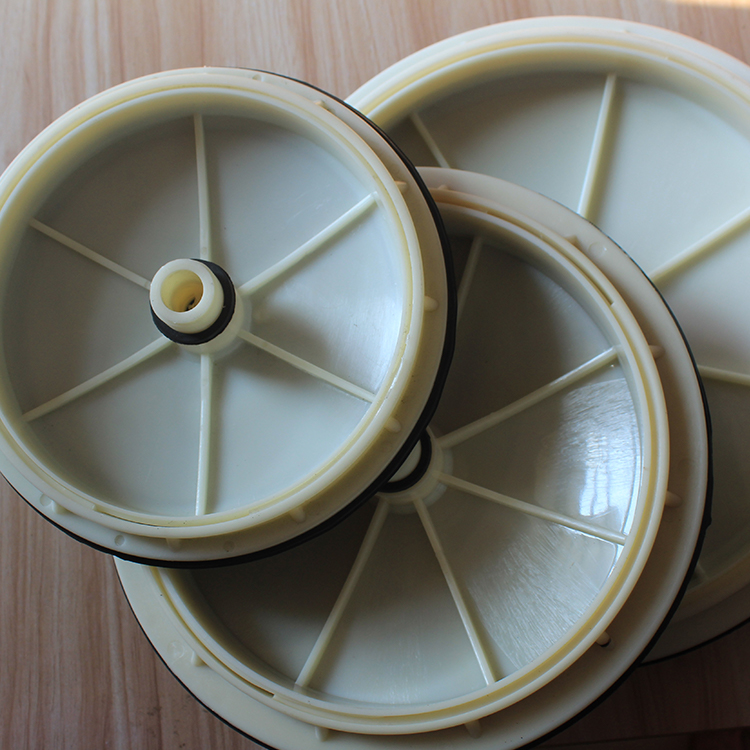
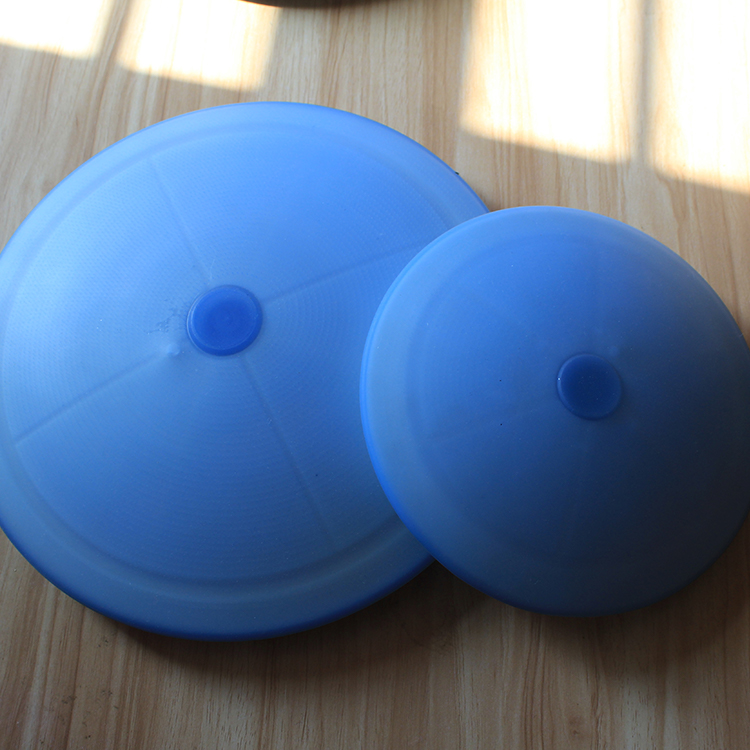


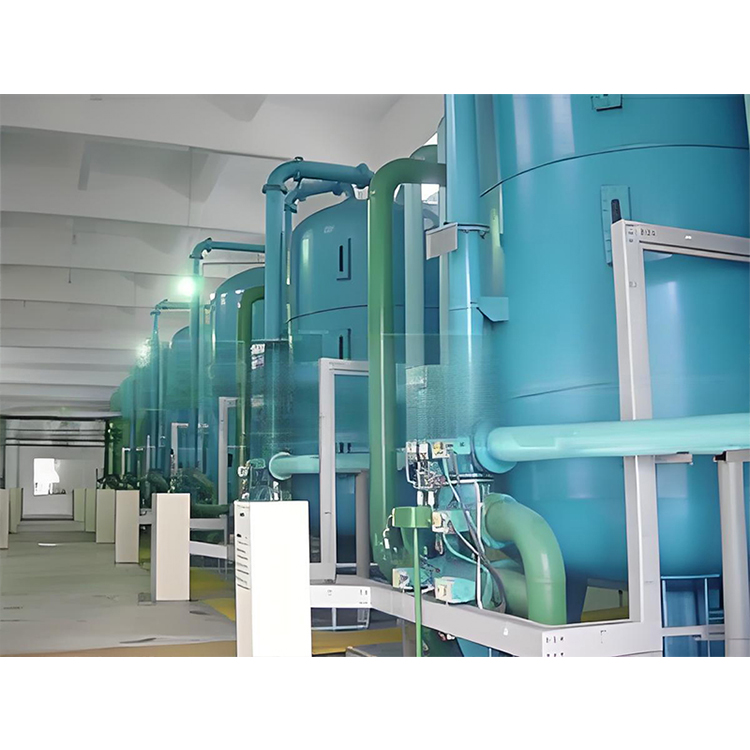
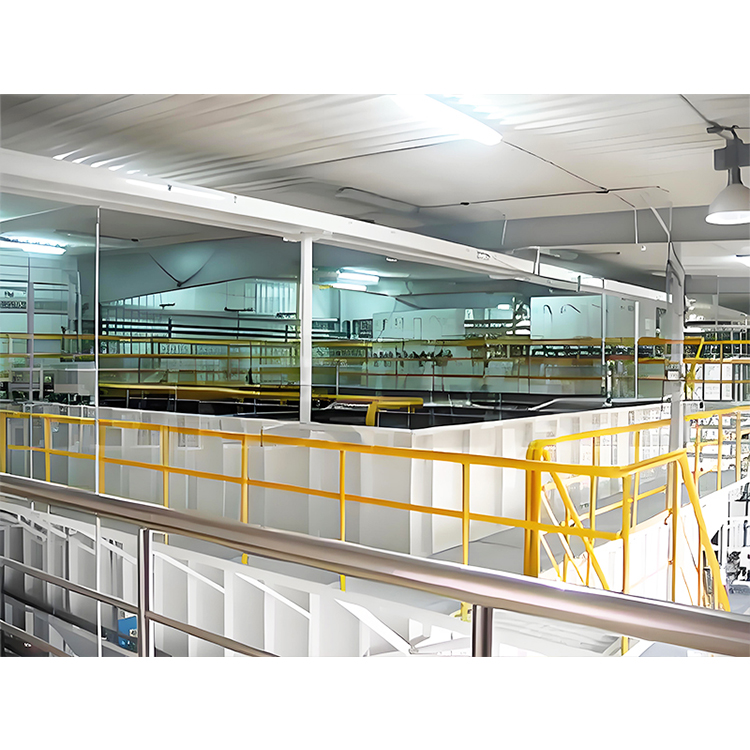
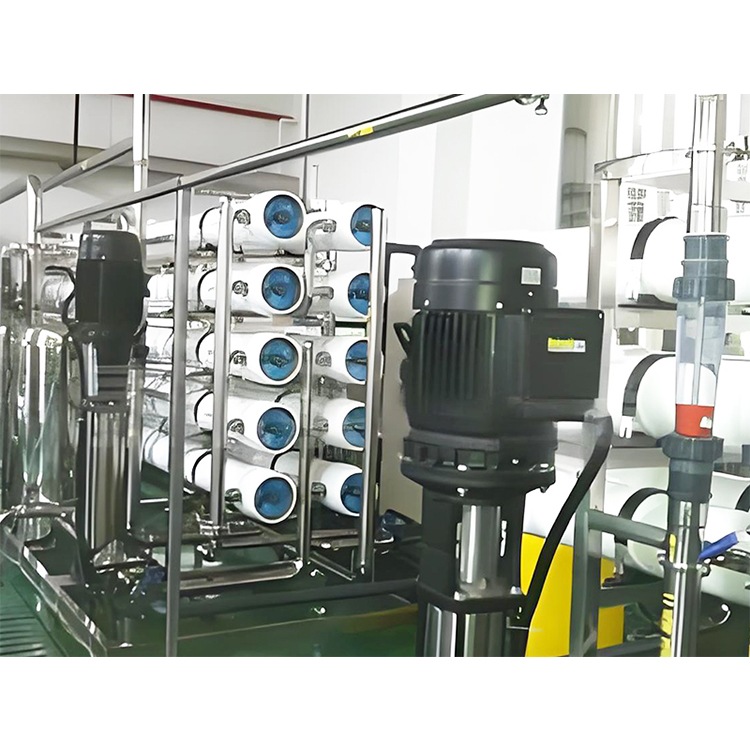
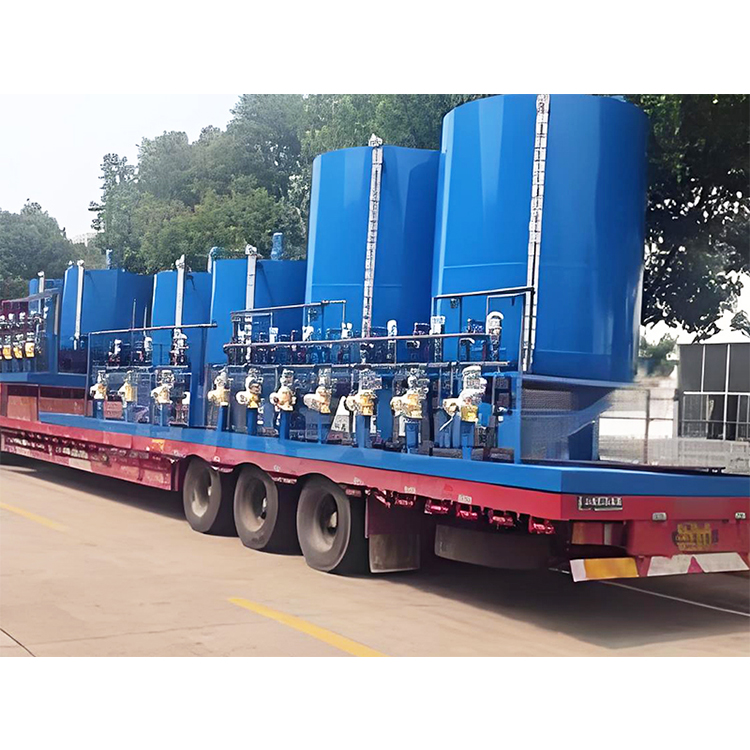








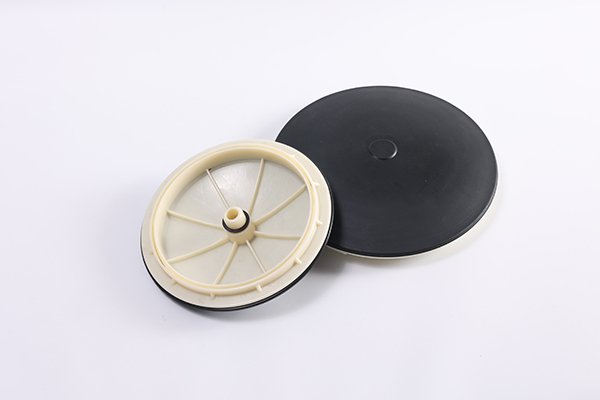
Microporous aerators are aeration equipment used in water treatment projects, which increase the dissolved oxygen content in water by injecting air into the water body, thereby promoting the microbial degradation of organic matter in the water. Microporous aerators are commonly used in biological treatment ponds, oxidation ponds, clarification ponds, and other water treatment units, and are one of the key equipment for improving water treatment efficiency.
The main features and advantages of the micro-porous aeration devices include:
1. Efficient Oxygen Transfer: Micro-porous aeration injects air into water through tiny pores, enhancing oxygen transfer efficiency and thereby increasing the dissolved oxygen concentration in the water.
2. Even Gas Distribution: The micro-porous aeration devices ensure even gas distribution, reducing or eliminating dead spots in water flow, thereby guaranteeing that all microorganisms in the entire treatment pond receive sufficient oxygen.
3. Energy-saving: Compared to traditional surface aeration equipment, microporous aeration devices can reduce energy consumption due to their efficient oxygen transfer capabilities.
4. Space-saving: Micro-porous aeration devices are typically installed below the water surface, not occupying space on the surface, which is beneficial for improving the utilization rate of water treatment facilities.
5. Corrosion and Durability: Micro-porous aeration blowers are typically made of corrosion-resistant materials such as polymers or stainless steel, ensuring long-term stable operation in harsh water treatment environments.
6. Easy Maintenance and Control: The design of the micro-porous aeration devices typically takes into account the need for easy maintenance and control, such as replaceable aeration diaphragms and adjustable aeration flow.
Micro-porous aeration devices' application in water treatment projects can effectively enhance treatment efficiency, reduce operational costs, and also contribute to more environmentally friendly and sustainable water resource management.