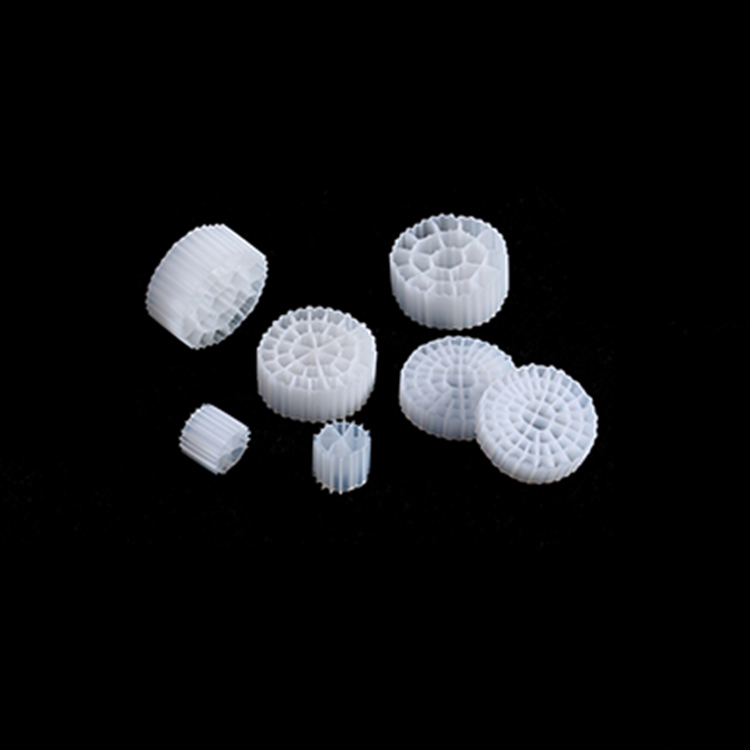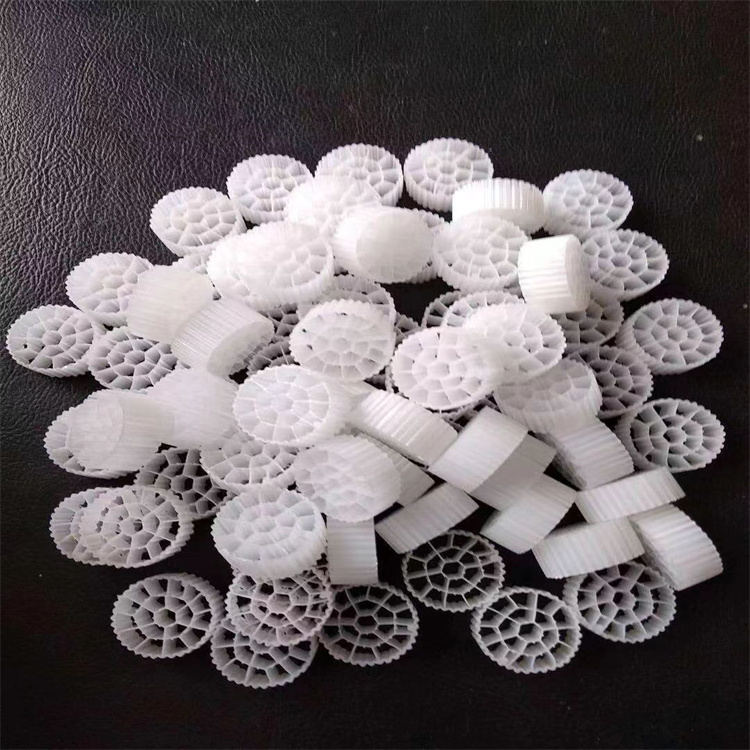



















Composite Fillers are water treatment media made by combining two or more types of filler materials, designed to merge the benefits of various fillers to enhance water treatment efficiency and effectiveness. The design of composite fillers typically takes into account the complementary physical, chemical, and biological properties of different fillers, enabling the filler combination to perform optimally during the water treatment process.
Key features and advantages of the mixed filler include:
Enhanced Performance: By combining the characteristics of different fillers, we can optimize its performance in the water treatment process, such as enhancing the ability to remove organic matter, heavy metal ions, or nitrogen and phosphorus nutrients.
2. Expanded Application Range: The composite packing can be used in a wider range of water treatment scenarios, including biological treatment, filtration, and adsorption processes under various water quality conditions.
3. Enhance Processing Efficiency: The combined packing can boost the treatment efficiency of the water treatment unit, reducing processing time and costs.
4. Enhanced Stability: Composite packing may enhance the overall stability of the packing, reducing potential performance fluctuations or wear issues that may arise from the use of a single packing material.
5. Enhance Microbial Growth Environment: In water treatment biofilm reactors, the combination of packing materials provides a more suitable environment for microbial growth, promoting the formation and stability of the biofilm.
6. Easy to Adjust and Maintain: The design of the packing material may make it easier to adjust and maintain, such as replacing specific packing components or adjusting the composition ratio.
The application of mixed media in water treatment is very extensive. It can be used in equipment such as bioreactors, filters, and absorption towers to enhance treatment effectiveness and efficiency. The specific combination methods and material selection usually depend on the quality of water to be treated, treatment objectives, as well as economic and environmental factors.