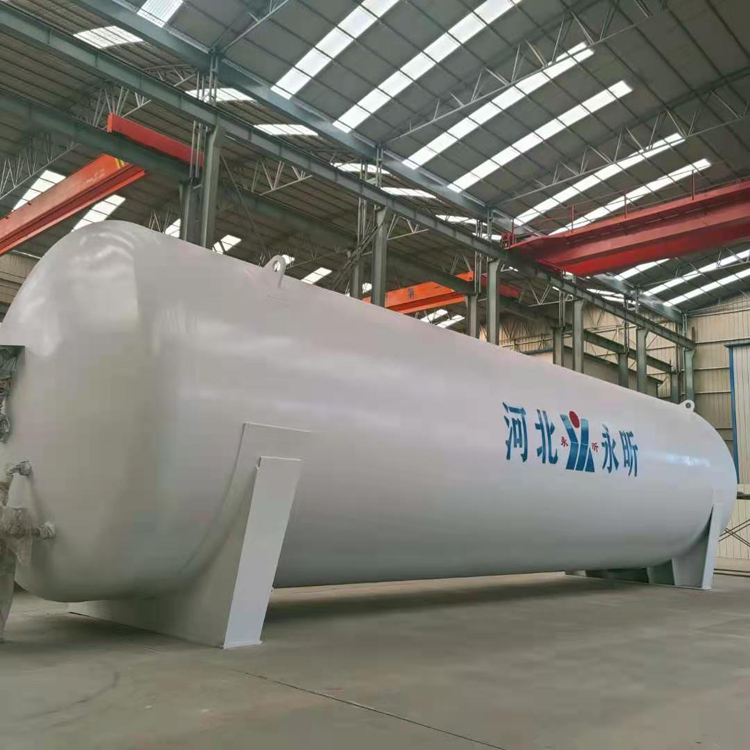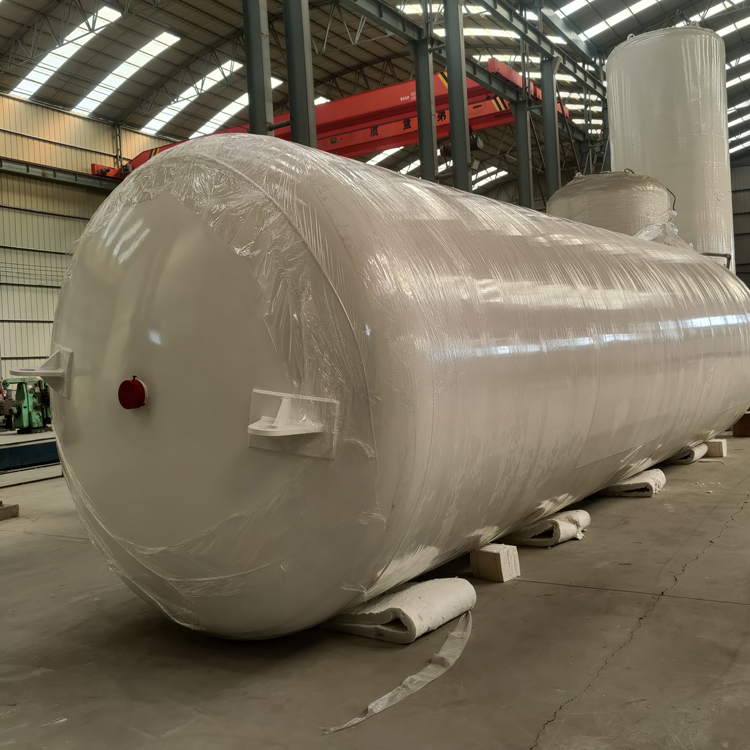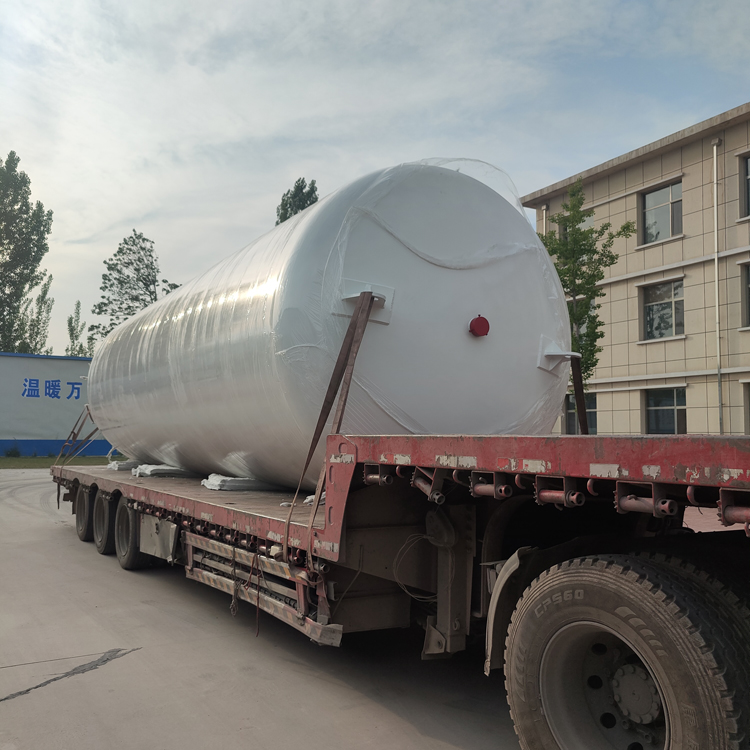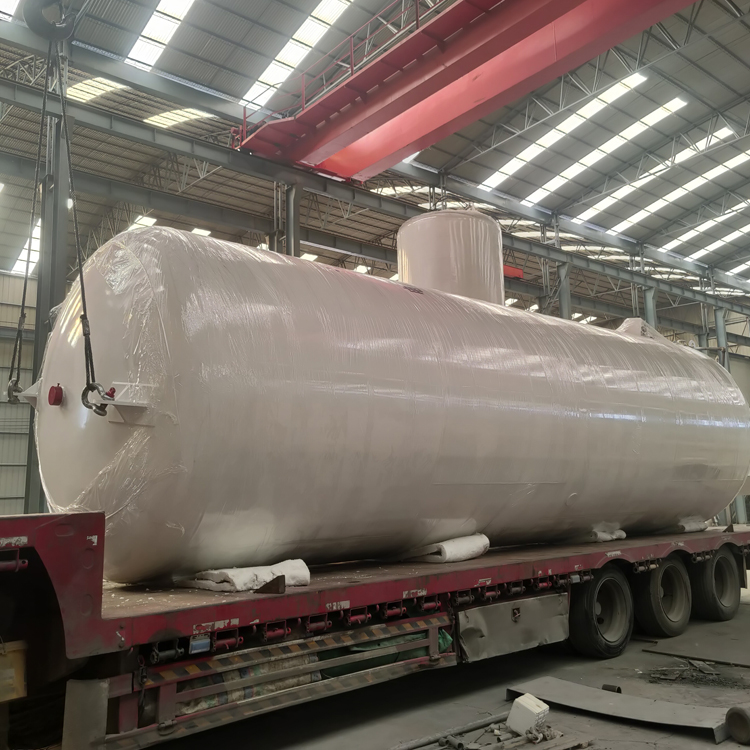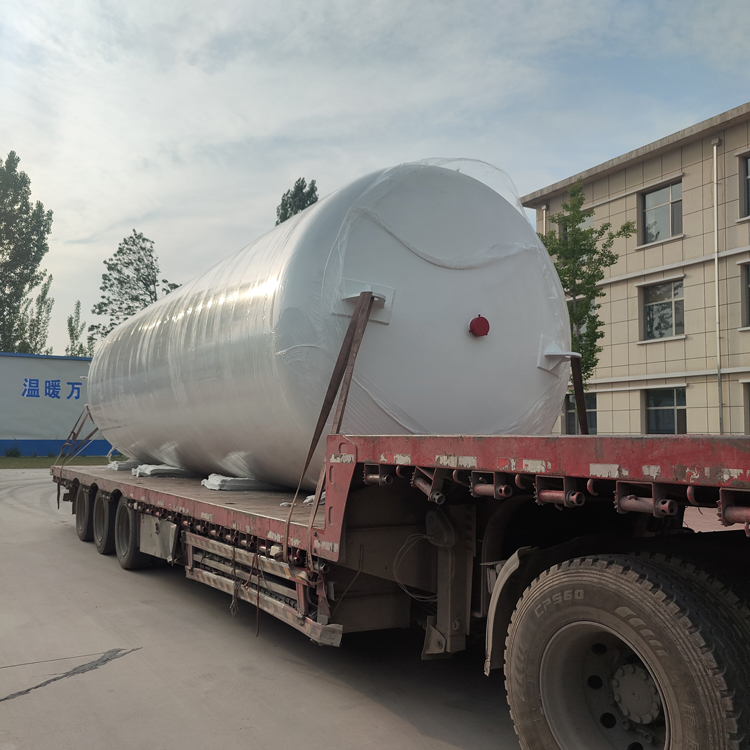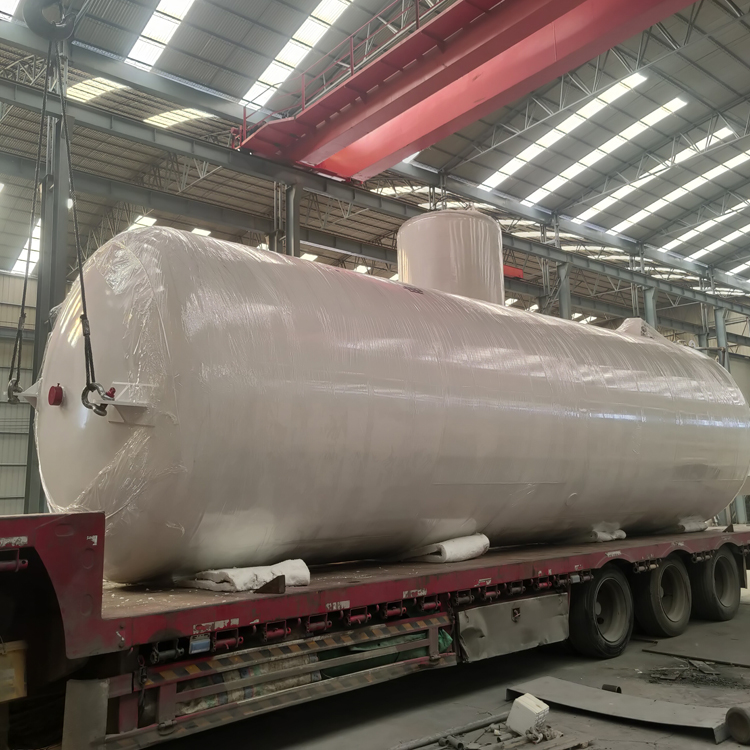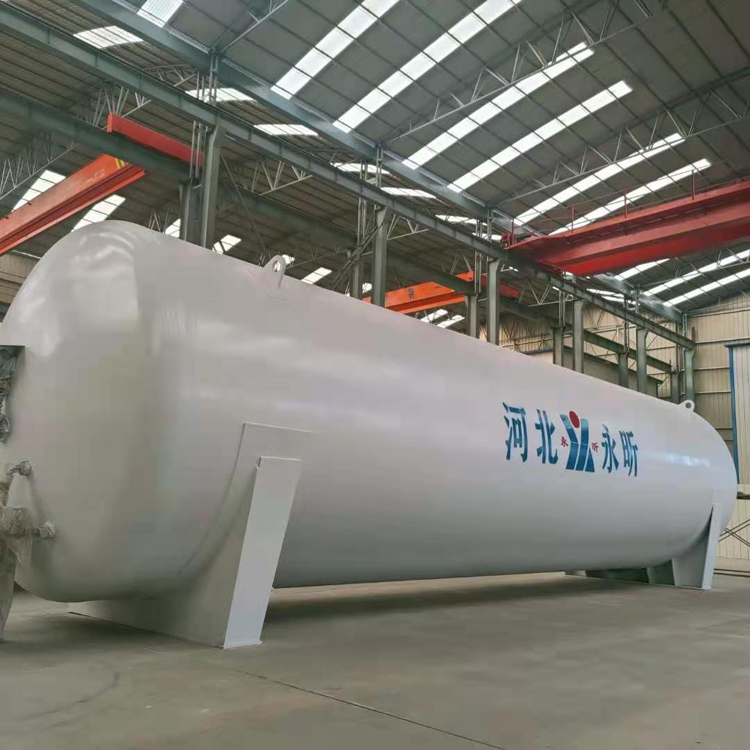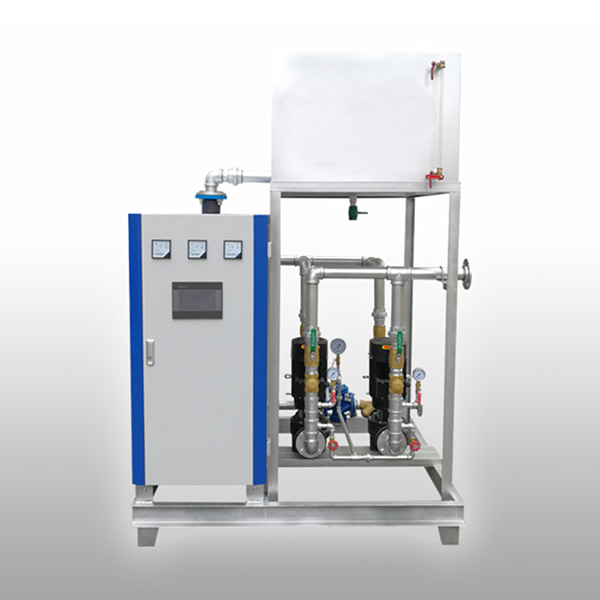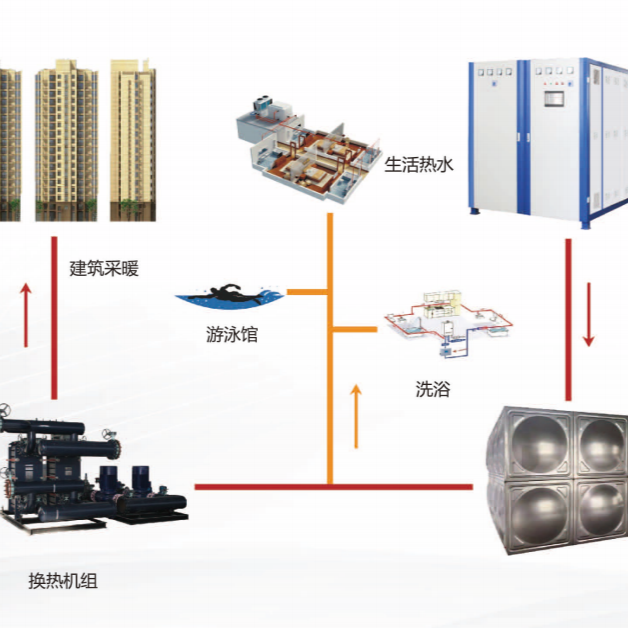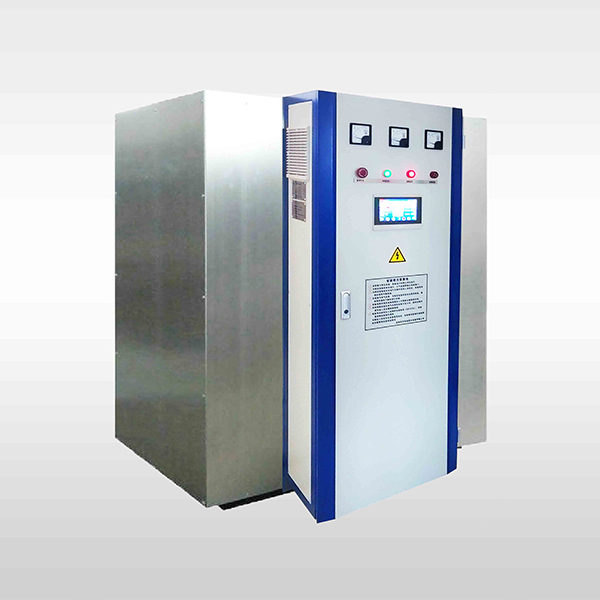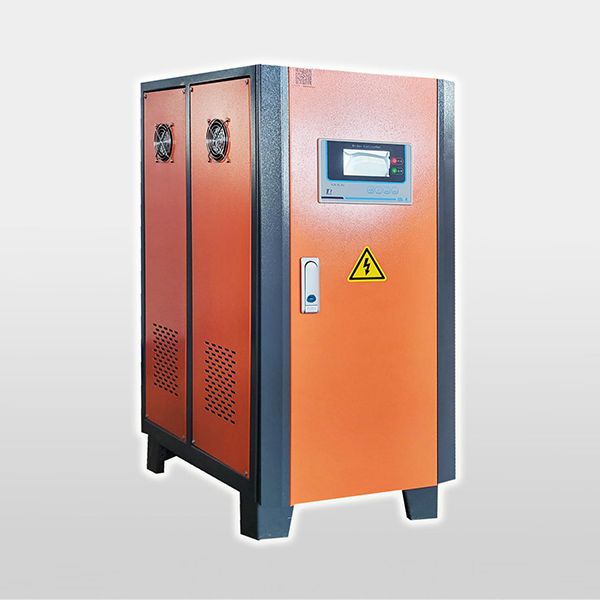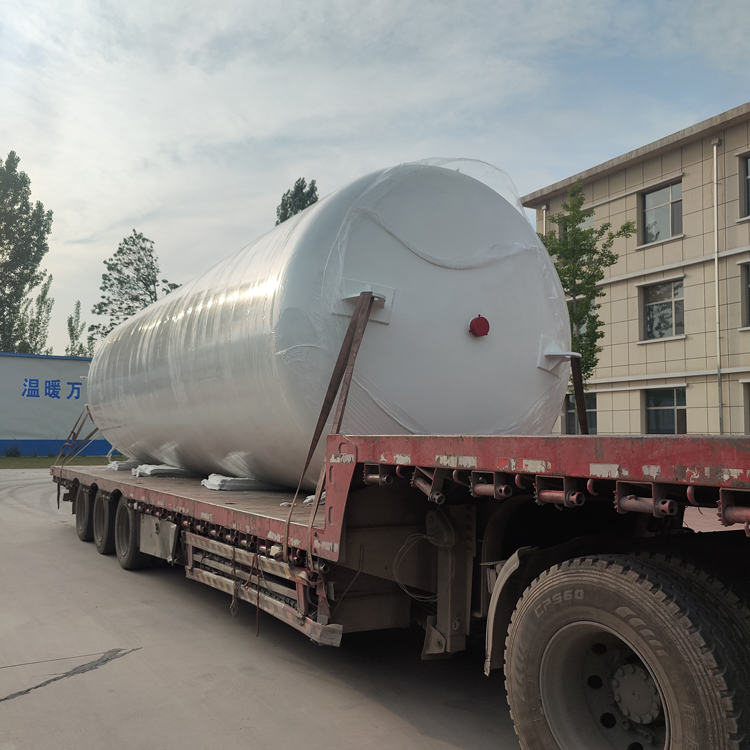

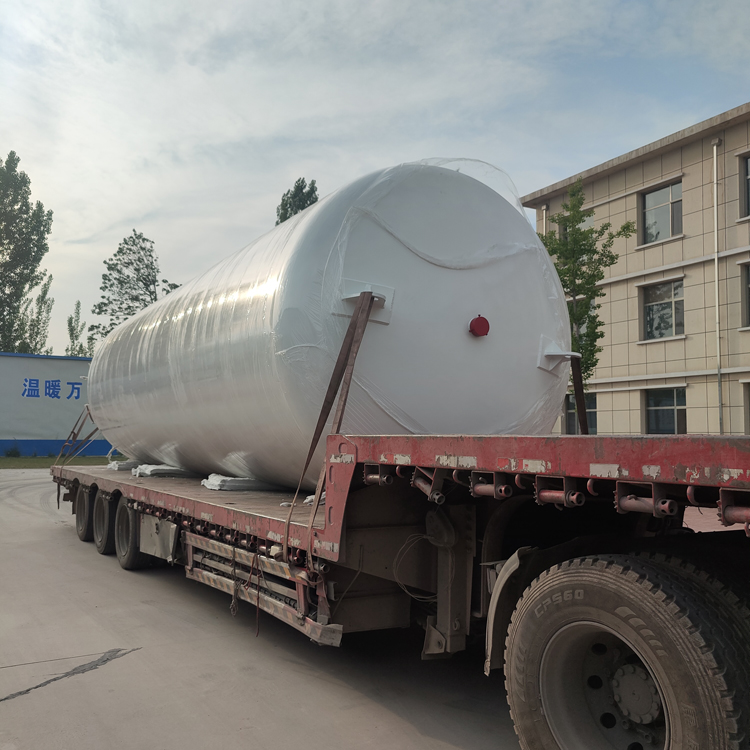
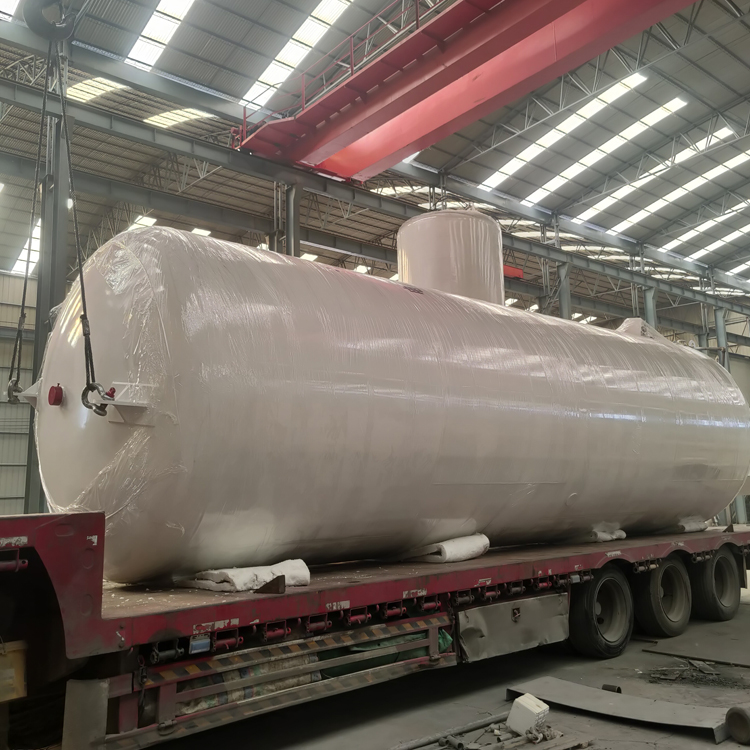
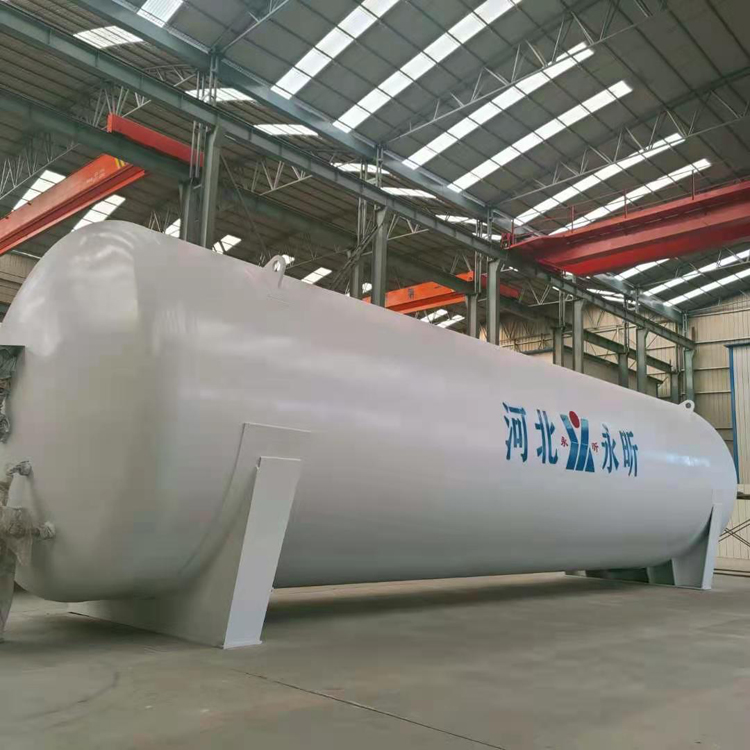







Low-temperature storage tanks are vertical or horizontal double-layer vacuum-insulated storage vessels used for storing media such as liquid oxygen, nitrogen, argon, and carbon dioxide. The inner shell is made of austenitic stainless steel; the outer shell material varies by user region, following national regulations and selecting Q235-B, Q245R, or 345R. The annular space between the inner and outer shells is filled with insulating materials like Pearlite sand or aluminum foil, with thermal insulation cotton and vacuum extraction.
Liquid natural gas must be stored in low-temperature tanks, which are typically composed of an inner tank and an outer tank, filled with insulating material in between.
The inner container, also known as a "film can," is a liquid-tight and flexible container made from thin low-temperature steel plate. It must transfer the hydraulic head to the insulating layer. The material used for the film must be non-fracturable at low temperatures, possess sufficient toughness, and have good processing properties. Typically, materials such as nickel steel, stainless steel, or aluminum alloys are used.
The insulating layer, while transferring hydraulic pressure to the outer shell, also serves to reduce the amount of vaporization, narrow the temperature difference between the inner and outer walls of the tank, and alleviate the temperature difference stress that results. Additionally, it has the function of securing the "film" in place.
The outer shell, which can withstand various loads, must be of sufficient strength. Depending on the material used, it can be categorized into the following types: frozen soil walls, steel walls, reinforced concrete walls, and prestressed concrete walls.