








Polyethylene GlycolPEG Series
【Chemical Composition】Epoxylated ethane copolymer
Category TypeNon-ionic
SpecsPEG 200, 300, 400, 600, 800, 1000, 1500, 2000, 3000, 4000, 6000, 8000 (Special specifications available for development and processing)
Technical Specifications
Regulation Please provide the Chinese content to be translated. | Please provide the Chinese content to be translated into American English. View (25℃) | Color Ze (if "泽" is a proper noun or a specific term, it would be kept as "Ze") Pt-Co | Hydroxide Value mgKOH/g | Molecular weight | Freezing Point ℃ | Water Piece%) | pH Level (1% Solution |
PEG-200 | Colorless transparent liquid | ≤20 | 510~623 | 180~220 | — | ≤1.0 | 5.0~7.0 |
PEG-300 | Colorless transparent liquid | ≤20 | 340~416 | 270~330 | — | ≤1.0 | 5.0~7.0 |
PEG-400 | Colorless transparent liquid | ≤20 | 255~312 | 360~440 | 4~10 | ≤1.0 | 5.0~7.0 |
PEG-600 | Colorless transparent liquid | ≤20 | 170~208 | 540~660 | 20~25 | ≤1.0 | 5.0~7.0 |
PEG-800 | Creamy, milky substance | ≤30 | 127~156 | 720~880 | 26~32 | ≤1.0 | 5.0~7.0 |
PEG-1000 | Creamy, off-white substance | ≤40 | 102~125 | 900~1100 | 38~41 | ≤1.0 | 5.0~7.0 |
PEG-1500 | Creamy solid | ≤40 | 68~83 | 1350~1650 | 43~46 | ≤1.0 | 5.0~7.0 |
PEG-2000 | Creamy solid | ≤50 | 51~63 | 1800~2200 | 48~50 | ≤1.0 | 5.0~7.0 |
PEG-3000 | Creamy solid | ≤50 | 34~42 | 2700~3300 | 51~53 | ≤1.0 | 5.0~7.0 |
PEG-4000 | Creamy solid | ≤50 | 26~32 | 3500~4400 | 53~54 | ≤1.0 | 5.0~7.0 |
PEG-6000 | Creamy solid | ≤50 | 17.5~20 | 5500~7000 | 54~60 | ≤1.0 | 5.0~7.0 |
PEG-8000 | Creamy solid | ≤50 | 12~16 | 7200~8800 | 60~63 | ≤1.0 | 5.0~7.0 |
Performance & Applications
1. Polyethylene glycol (PEG) series products are suitable for pharmaceutical applications. Lower molecular weight PEGs can be used as solvents, cosolvents, o/w emulsifiers, and stabilizers, for the preparation of cement suspensions, emulsions, injectables, etc. They also serve as matrices for water-soluble soft gels and suppositories. High molecular weight solid wax-like PEGs are commonly used to enhance the viscosity and solidifying properties of low molecular weight liquid PEGs, as well as for external compensation of other drugs. For drugs that are not easily soluble in water, this product can act as a carrier for solid dispersions to achieve the solid dispersion goal. PEG 4000 and PEG 6000 are excellent for coating materials, hydrophilic polishing materials, film materials, capsules, plasticizers, lubricants, and matrix for droplets, used in the preparation of tablets, capsules, microcapsules, and more.
2. PEG 4000 and PEG 6000 are used as excipients in the pharmaceutical industry for the preparation of suppositories and ointments; as coating agents in the paper industry to enhance the luster and smoothness of paper; and as additives in the rubber industry to improve the lubricity and plasticity of rubber products, reduce power consumption during processing, and extend the service life of rubber products.
3. Polyethylene glycol series products can be used as raw materials for ester-type surfactants.
4. PEG-200 can serve as a medium for organic synthesis and a high-grade heat carrier, used as a moisturizer, inorganic salt solubilizer, and viscosity regulator in the daily chemical industry; as a softener and antistatic agent in the textile industry; and as a wetting agent in the papermaking and pesticide industries.
5. PEG-400, PEG-600, and PEG-800 are used as matrices for pharmaceuticals and cosmetics, as well as lubricants and wetting agents in the rubber and textile industries. PEG-600, when added to electrolytes in the metal industry, enhances the grinding effect and improves the luster of metal surfaces.
6. PEG-1000 and PEG-1500 are used as matrices or lubricants/softeners in the pharmaceutical, textile, and cosmetic industries; as dispersants in the paint industry; and improve the water dispersibility and flexibility of resins, with a dosage of 20-30%. They can enhance the solubility of dyes in inks, reduce volatility, and are particularly suitable for wax paper and stamp pad inks. They can also be used to adjust the viscosity of ballpoint pen inks. In the rubber industry, they act as dispersants, promote the curing process, and serve as dispersants for carbon black fillers.
7. PEG-2000 and PEG-3000 are used as metalworking mold release agents, lubricants for metal drawing, stamping, or shaping, cutting fluids, as well as for polishing, grinding, cooling, and welding agents; in the paper industry, they serve as lubricants and also as hot-melt adhesives to enhance rapid rewetting capabilities.
8. PEG-4000 and PEG-6000 are used as matrices in the pharmaceutical and cosmetic industry for adjusting viscosity and melting points; as lubricants and coolants in the rubber and metal processing industries; as dispersants and emulsifiers in the production of pesticides and pigments; and as antistatic agents and lubricants in the textile industry.
9. PEG8000 is used as a base material in the pharmaceutical and cosmetic industries for adjusting viscosity and melting points; as a lubricant and coolant in the rubber and metal processing industries; as a dispersant and emulsifier in the production of agricultural chemicals and pigments; and as an antistatic agent and lubricant in the textile industry.
Packaging and Storage
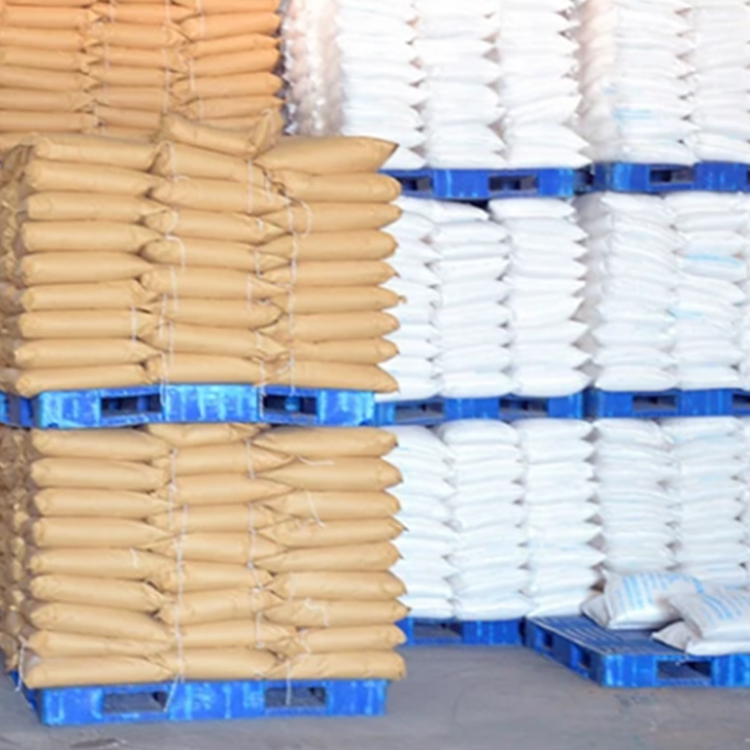
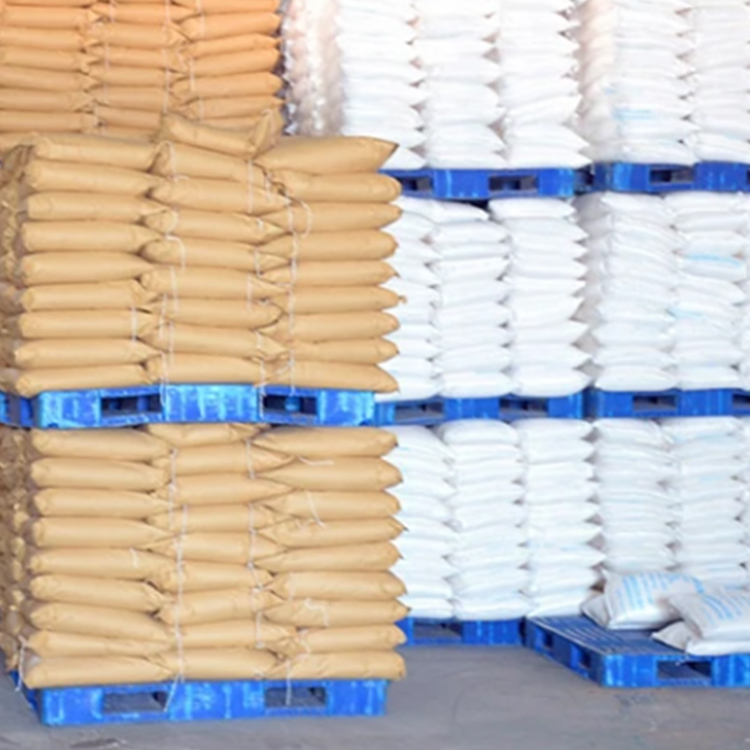
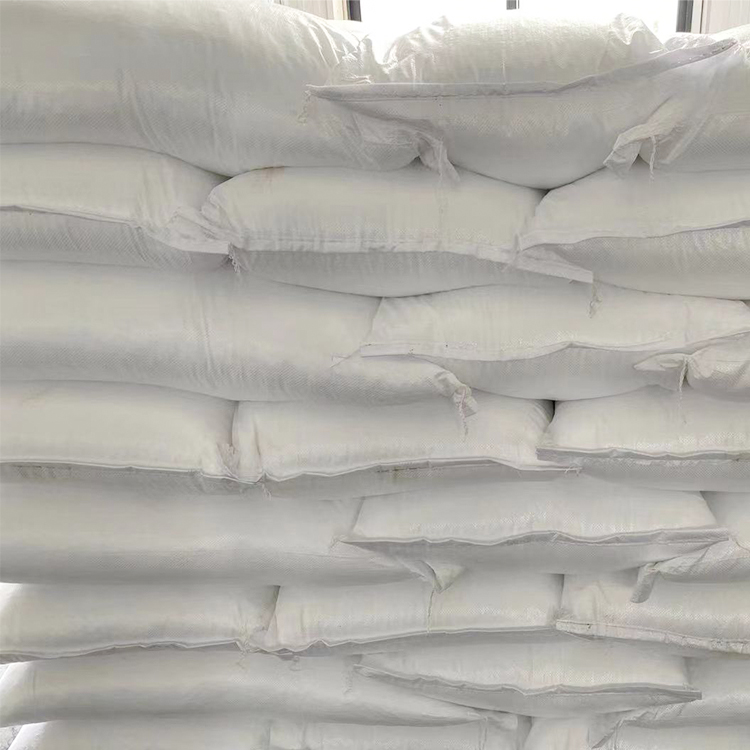
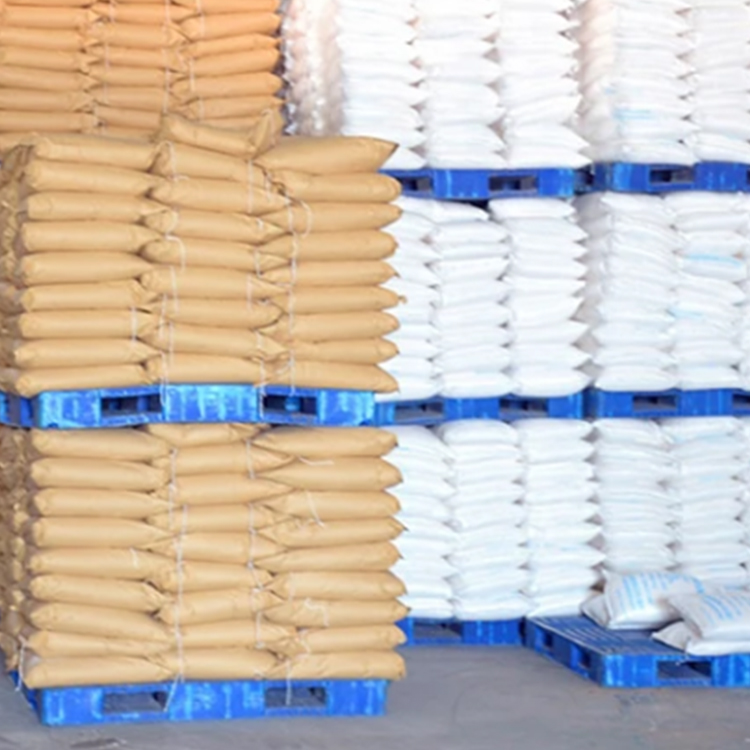
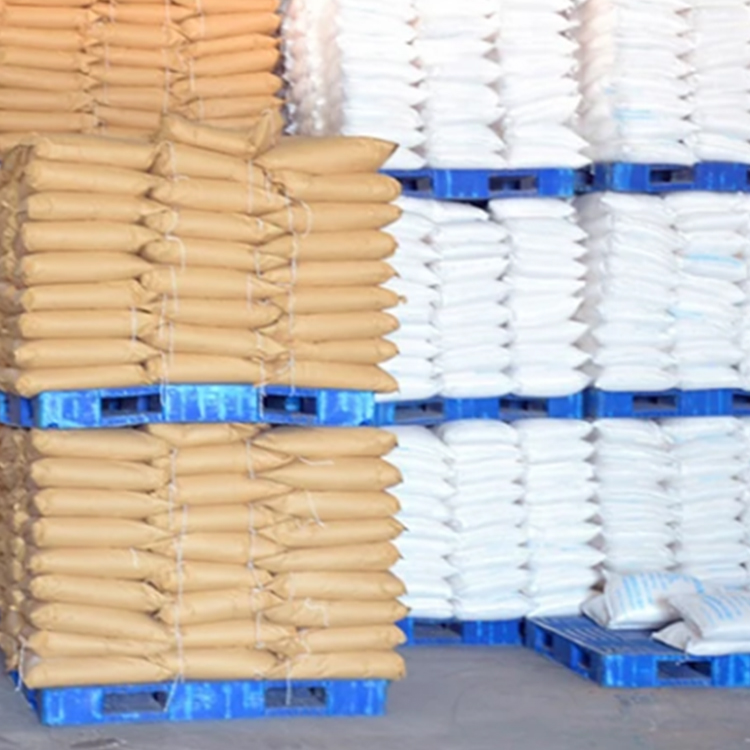
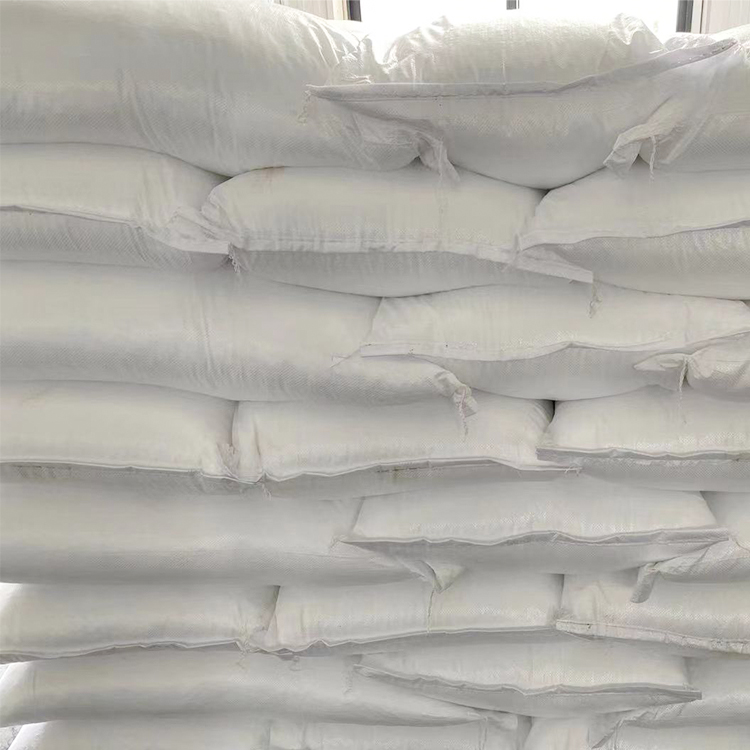
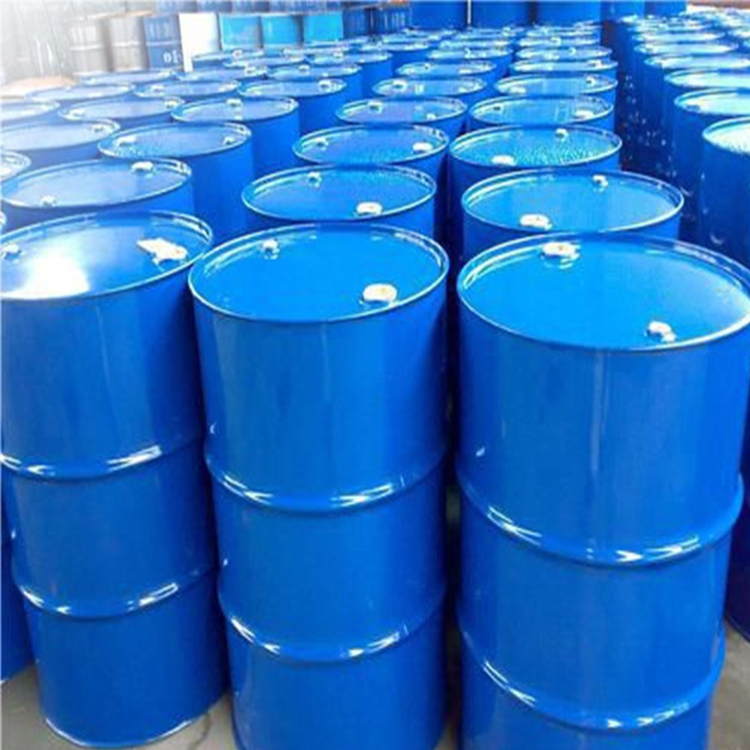
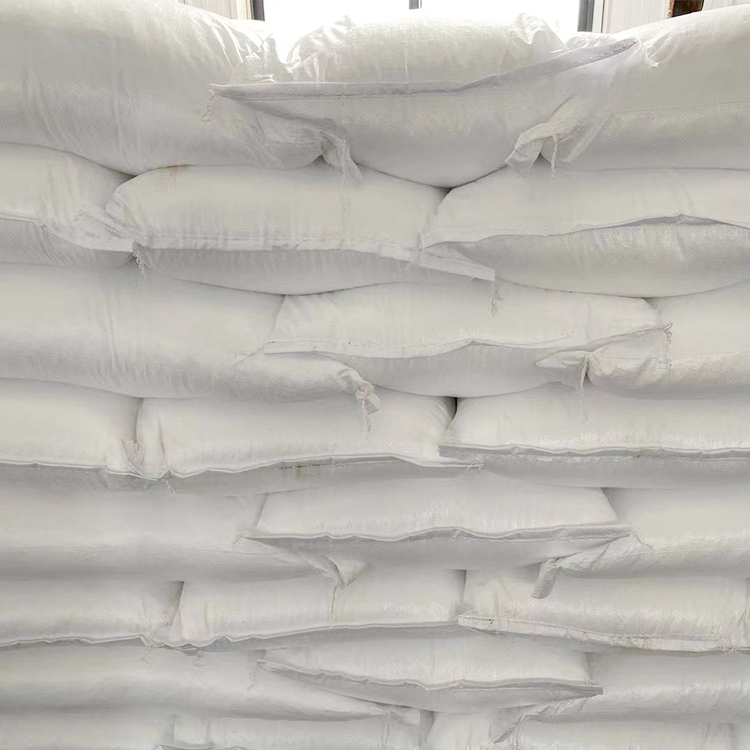
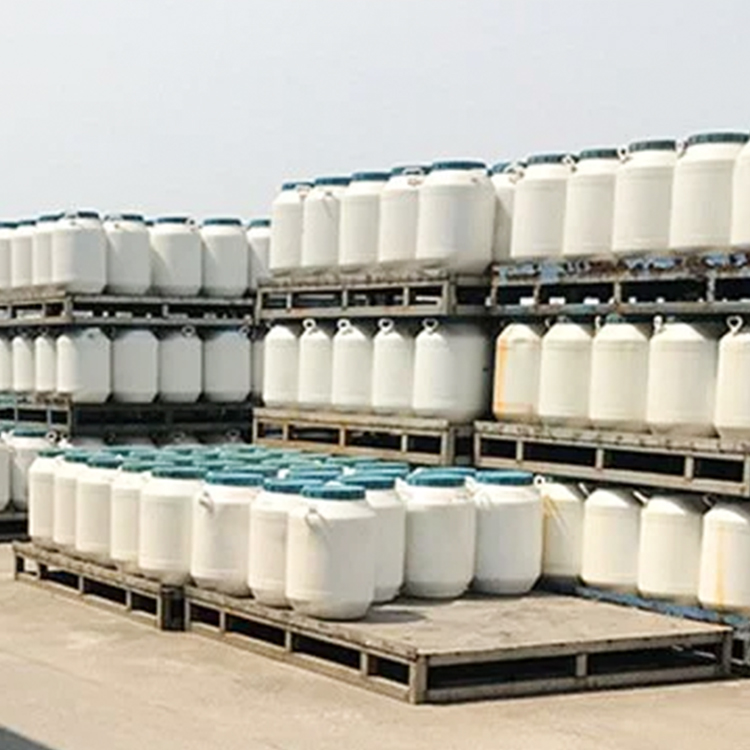
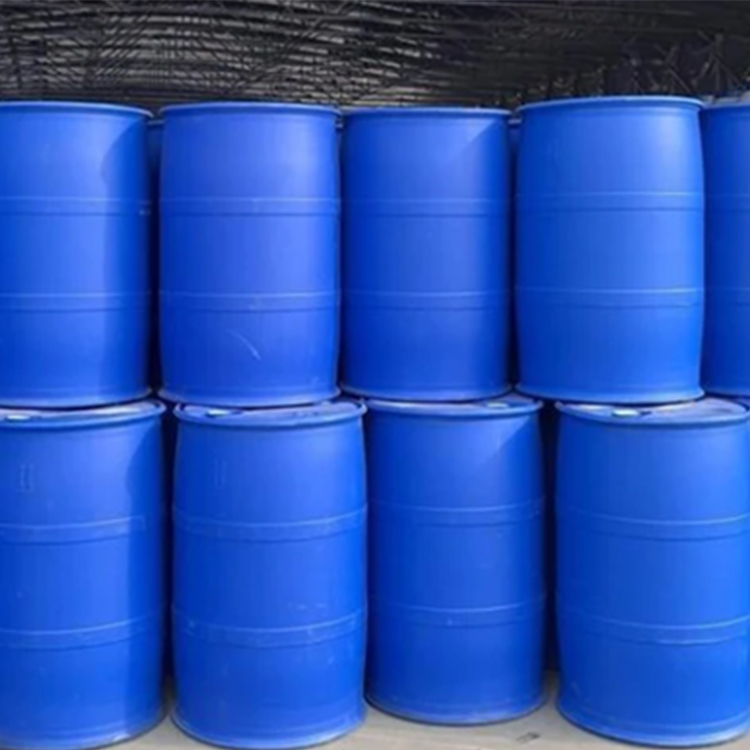
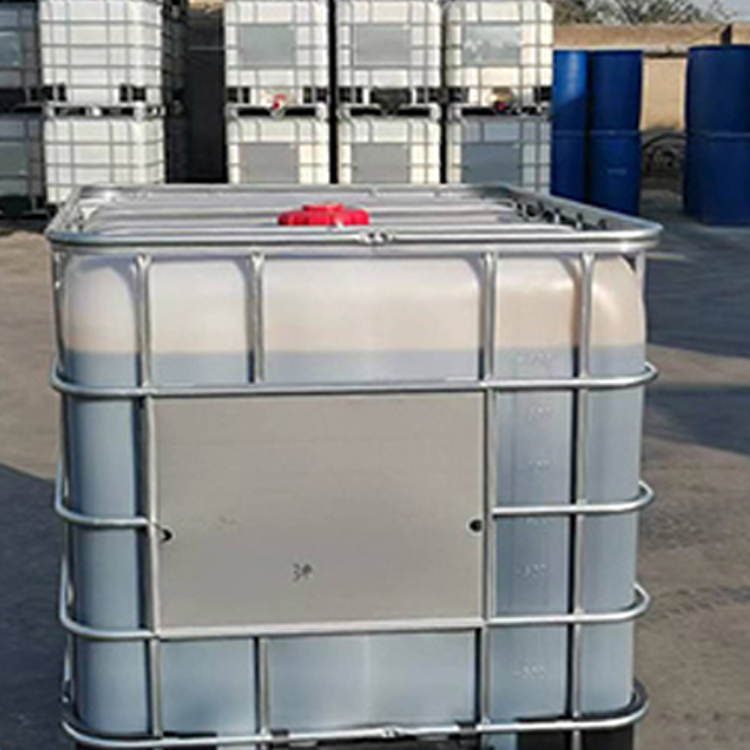
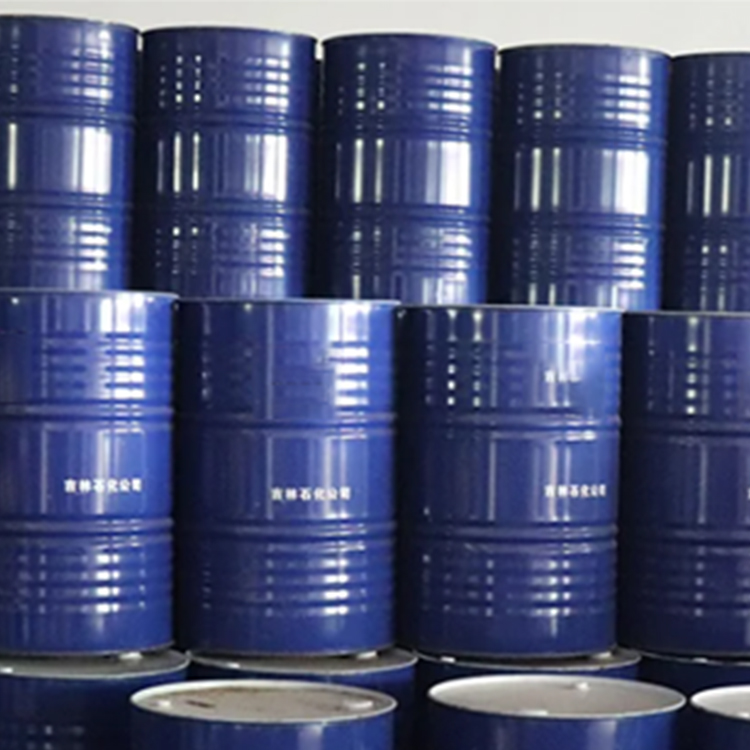
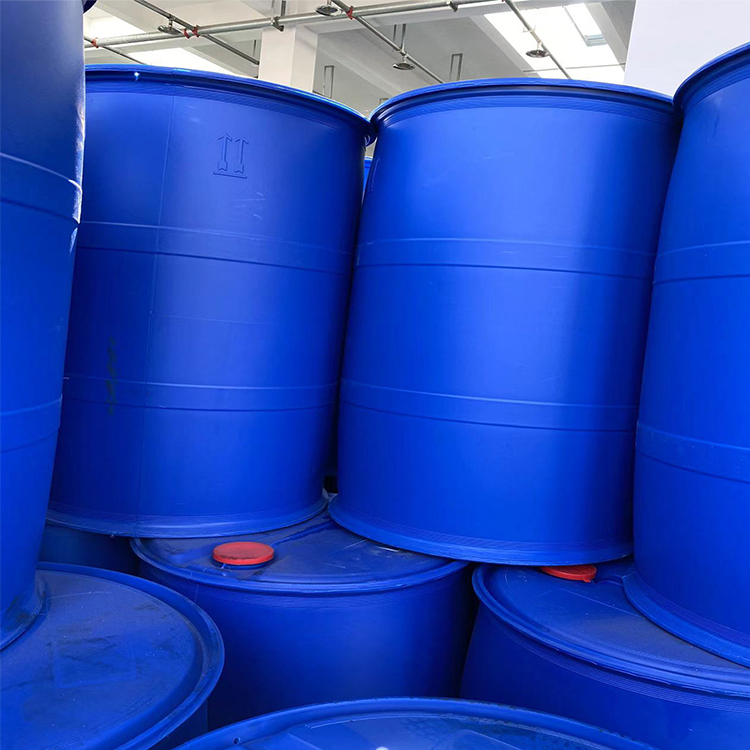
PEG200, 400, 600, 800, 1000, and 1500 are packed in 200kg iron drums or 50kg plastic drums; PEG2000, 3000, 4000, 6000, and 8000 are packaged in 20kg woven bags after being cut.
This series of products is non-toxic, non-flammable, and can be stored and transported according to general chemical standards. Store in a dry, well-ventilated area. Shelf life is two years.