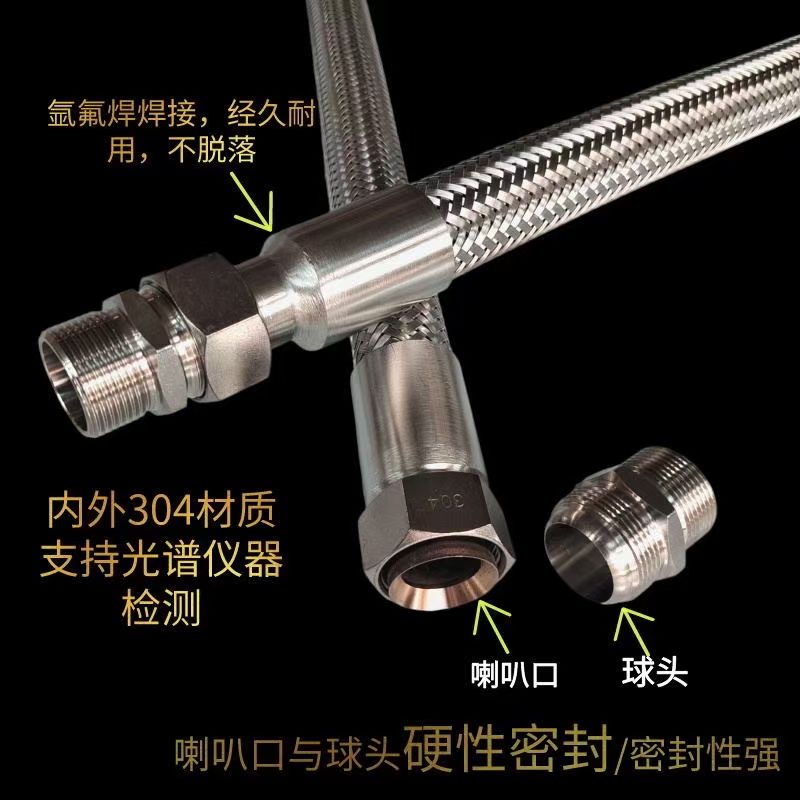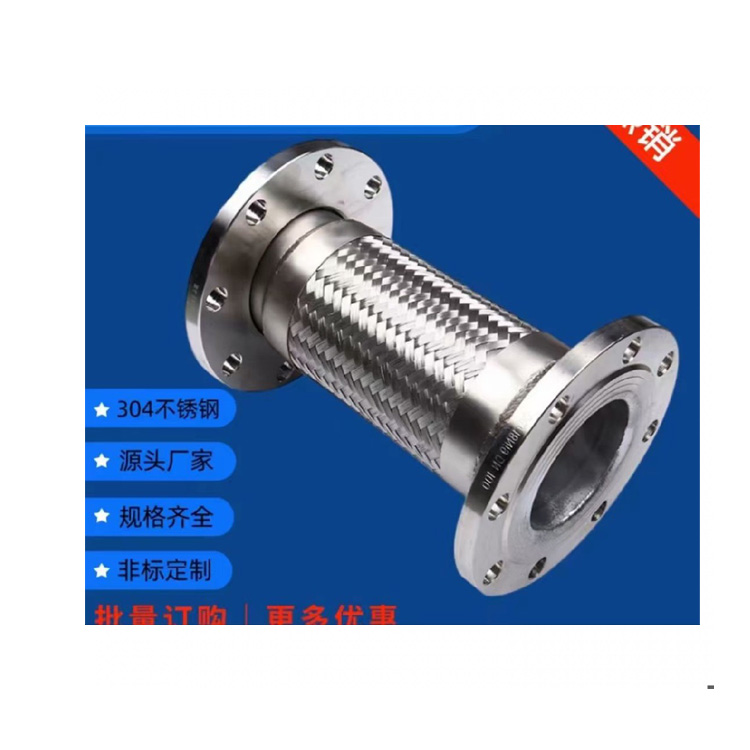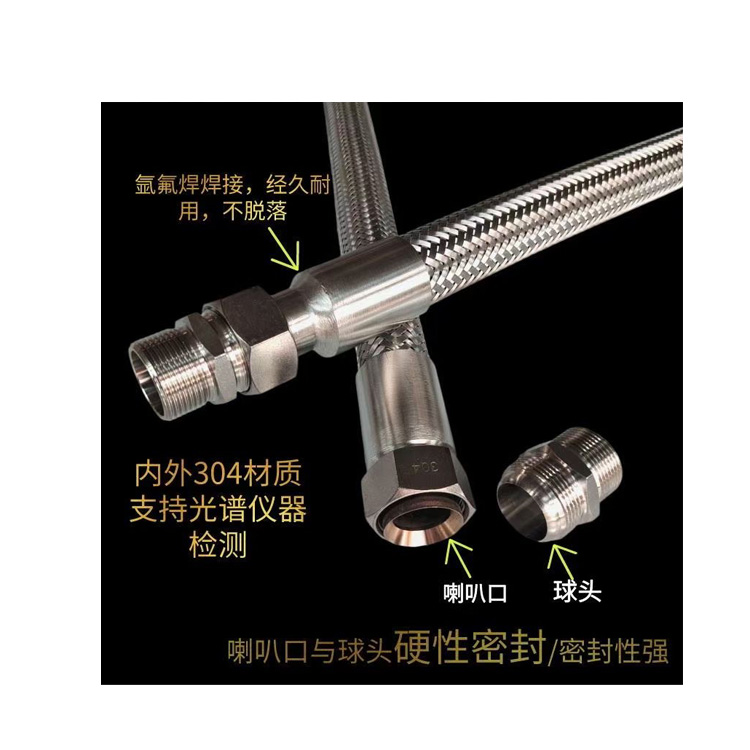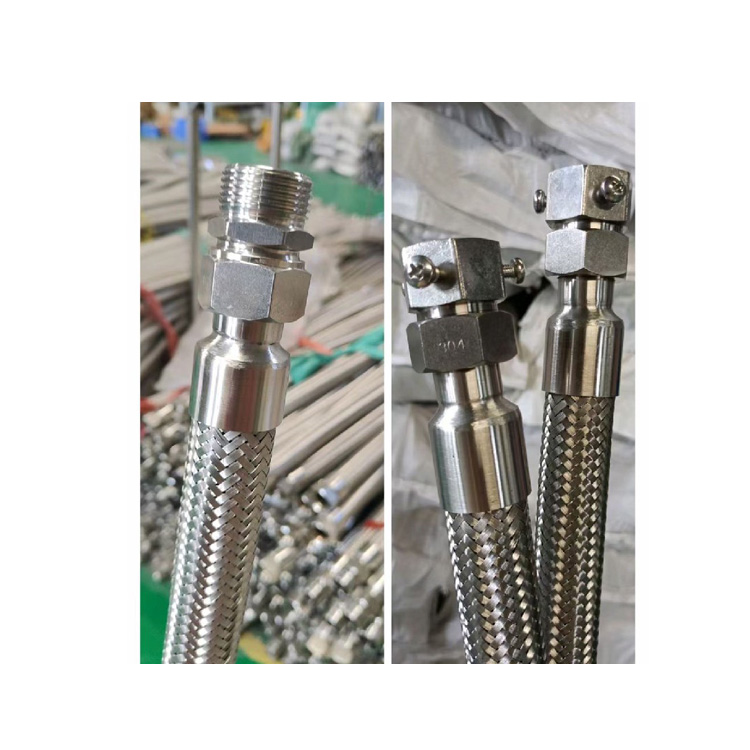


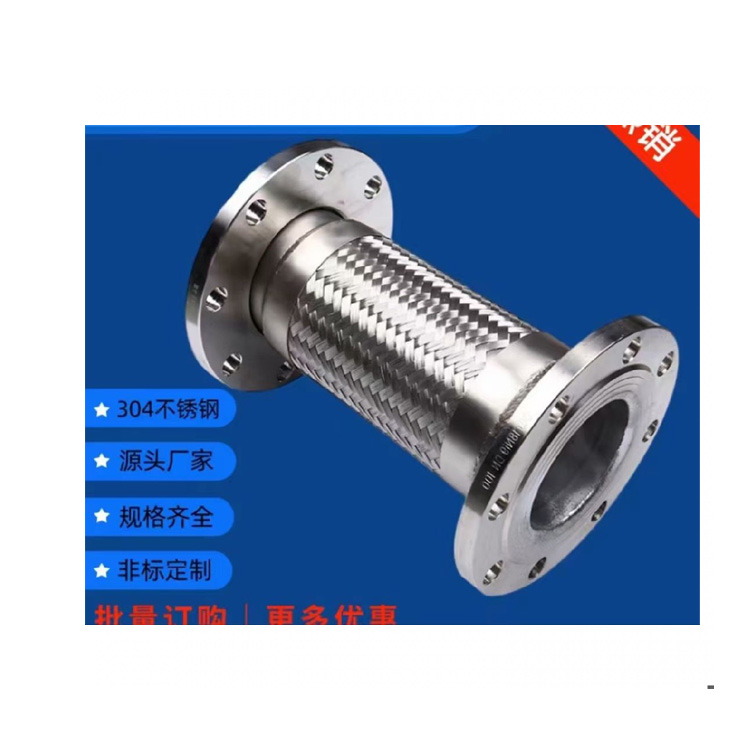
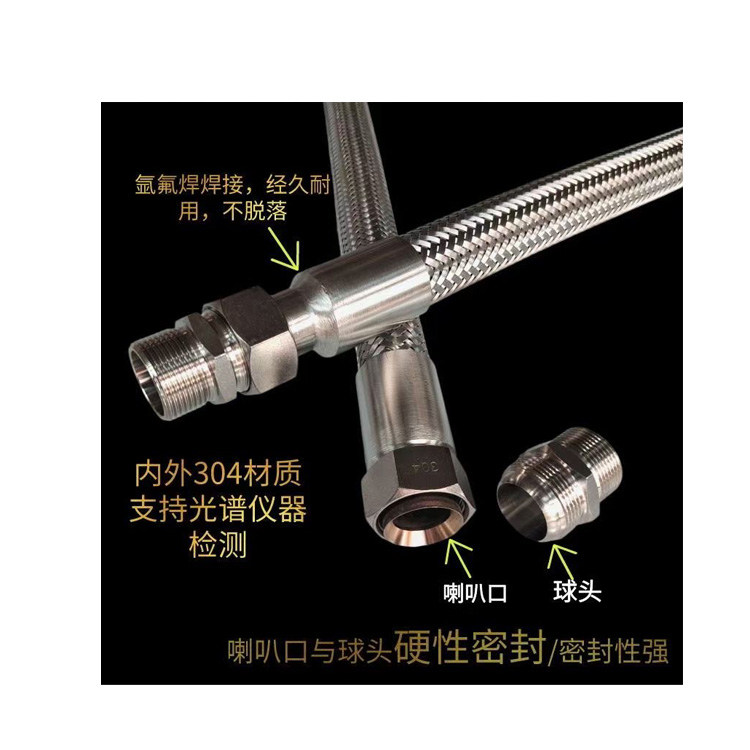
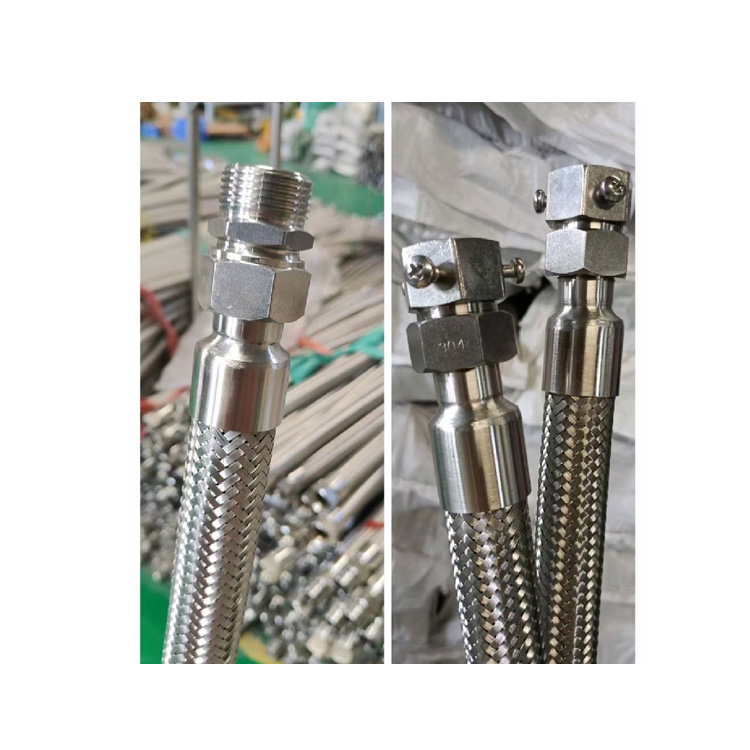










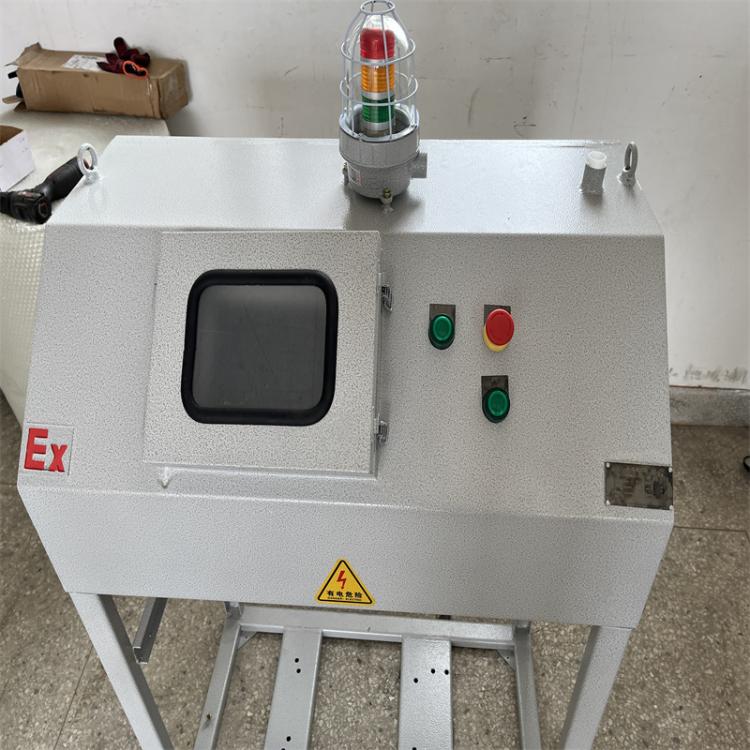
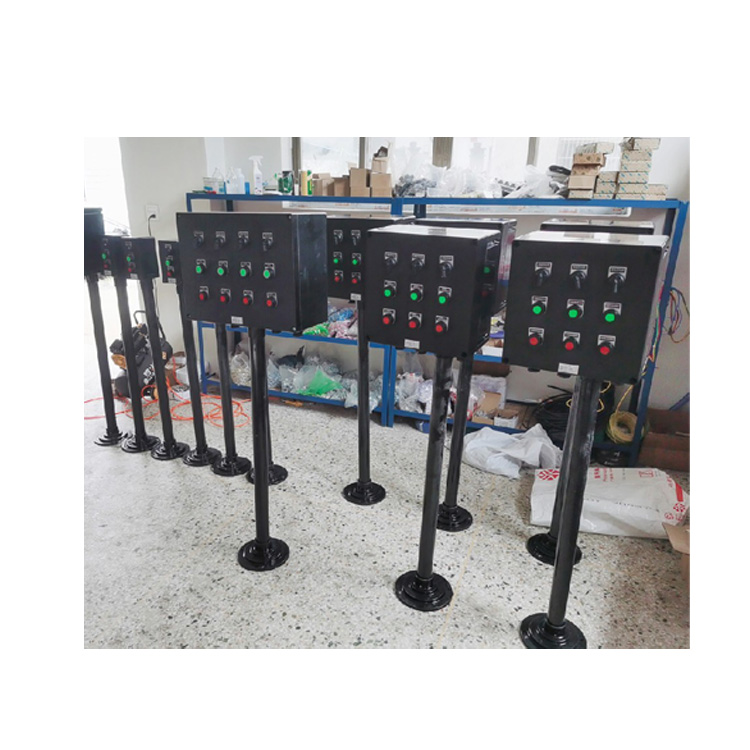

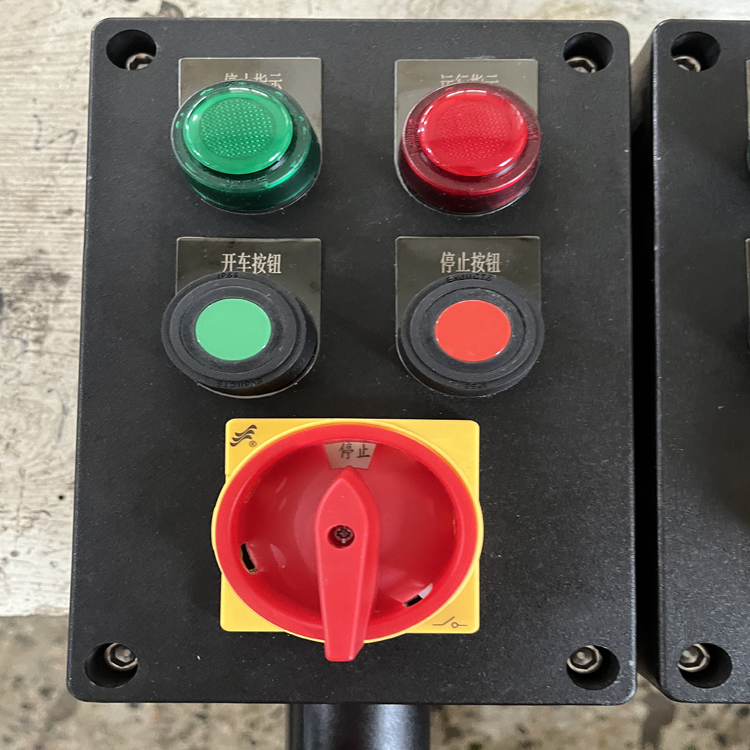
Explosion-proof conduit is a specialized wiring conduit designed for hazardous environments, aimed at preventing fires or explosions caused by electrical equipment. It is typically made from materials that can withstand high temperatures and corrosion resistance, providing reliable wire protection in areas with explosive environmental factors.防爆绕线管 boasts excellent durability and resistance to wear and tear, capable of withstanding external pressures and physical damage, thereby extending the lifespan of wires and cables.
Explosion-proof winding tubes offer multiple advantages, including flame resistance, corrosion resistance, water resistance, and aging resistance. They protect cables from damage, ensuring a safe and reliable electrical layout, which is easy for daily maintenance and inspection. However, due to the non-sealed instrument junction, there is a risk of water entering the explosion-proof winding tube, which could lead to instrument damage or control failure. Therefore, special attention must be paid when in use.
According to various application scenarios and requirements, explosion-proof conduit wiring is categorized into different types and specifications. For instance, based on the explosion-proof type, it can be divided into flameproof and increased safety types, each suitable for different types of explosion-proof equipment and environments. In terms of material, the inner tube can be made of metal bellows, metal flexible hose, or metal snake skin hose, while the sheath can be constructed of metal wire braiding, rubber, or plastic, etc.
When installing and using explosion-proof wire conduit, it is necessary to follow specific regulations and standards. For instance, standards such as SY/T 4129-2014 and SH/T 3521-2013 outline specific installation requirements and precautions to ensure the effectiveness of the explosion-proof wire conduit in hazardous environments.