








Fire safety renovation personnel evacuation judgment criteria:
1. Flue Gas Temperature (Average flue gas temperature within a space of 2 meters or more shall not exceed 180 degrees Celsius). (Critical temperature of 60 degrees Celsius for a continuous period of 30 minutes when the hot smoke layer drops below 2.0 meters.)
2. CO (2,500 mg/L)
Visibility 10 meters (when the thermal smoke layer drops below 2 meters, 10 meters is the critical visibility indicator for large spaces).
Key Points for Fire Protection System Upgrades in Building Renovations
1. Configure the outdoor fire hydrant water supply system.
2. Install smoke and exhaust control systems.
3. Provide safety evacuation facilities.
4. Configure fire extinguishers for construction.
5. Install an indoor fire hydrant water supply system.
6. Configure automatic fire suppression systems.
7. Install an automatic alarm system.
Fire protection renovation construction application
During the fire protection renovation process, the floor layout should be designed according to the following specifications: The floor layout of civil buildings should be reasonably arranged considering factors such as the fire resistance grade, fire hazard, functional use, and safe evacuation. In addition to auxiliary storage rooms set up to meet the functional requirements of civil buildings, no production workshops or other storage rooms should be located within the civil buildings. Retail stores, workshops, and storage rooms that handle Class A and B fire hazard items are strictly prohibited from being attached to civil buildings. When using fire-resistant buildings for commercial and exhibition buildings, they should not exceed two stories; when using fire-resistant buildings, they should be single-story. When business halls and exhibition halls are located within fire-resistant buildings, they should be arranged on the first or second floor; when located within fire-resistant buildings, they should be arranged on the first floor.
Offices and exhibition halls should not be located on the third floor and below. Underground or semi-underground offices and exhibition halls should not handle, store, or display Class A and B flammable items. Childcare facilities, kindergarten classrooms, elderly activity centers, and children's playrooms, among other children's activity areas, should be situated in above-ground buildings and not in underground or semi-underground spaces; when using buildings with a fire resistance rating of one or two, the structure should not exceed three stories; for buildings with a fire resistance rating, it should not exceed two stories; for buildings with a fire resistance rating, it should be single-story; and if it is absolutely necessary to be located within other residential buildings.
Fire system renovations shall comply with the following regulations:
When installed in buildings with fire resistance ratings of one or two levels, they should be located on the first, second, or third floor.
When installed in a building with fire-resistant rating, it should be located on the first or second floor.
When installed in a building with fire-resistant rating, it should be located on the ground floor.
When installed in high-rise buildings, proper emergency exits and evacuation staircases must be provided.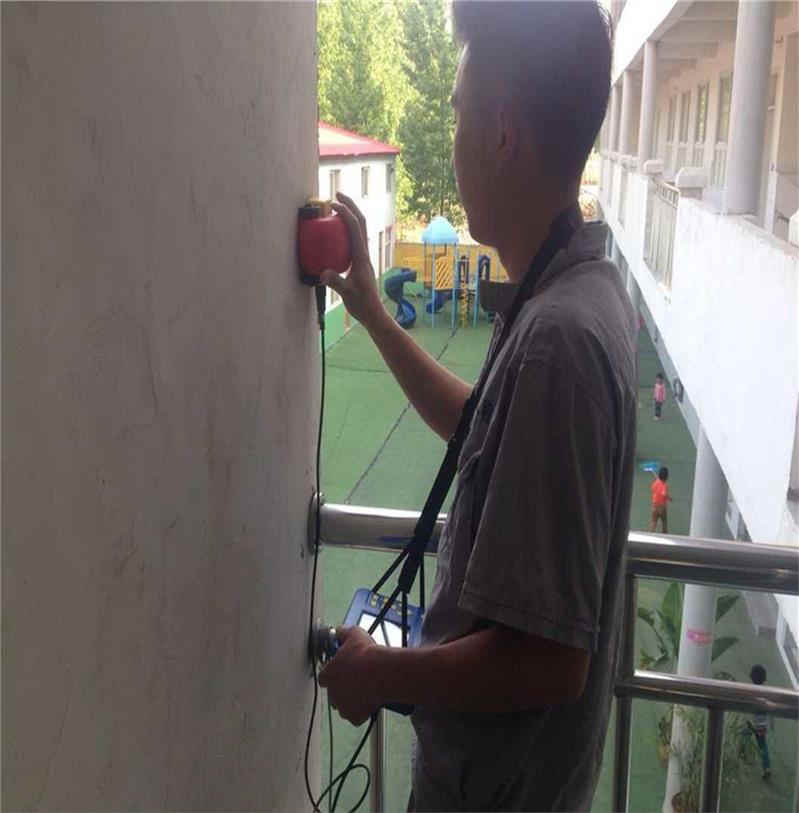
WeChat Official Account

Scan to follow Official Account