








The company boasts technicians with extensive practical experience, all of whom have completed electrical fire prevention inspection training organized by the Fire Protection Association. After assessment, they have obtained "" and are proficient in the contents and testing methods of electrical fire prevention technical specifications.
In compliance with the Fire Association's regulations, our company is equipped with a comprehensive range of high-tech testing instruments, including infrared thermometers, infrared thermal cameras, ultrasonic detectors, true RMS current meters, digital cameras, combustible gas detectors, and various modern electrical instruments. These allow for non-contact, uninterrupted testing of operating electrical equipment, enabling rapid and accurate detection of overheating and sparking hazards.
Fire Suppression Water Supply and Fire Extinguishing Equipment
38. The antechamber of the fire elevator is equipped with a fire hydrant.
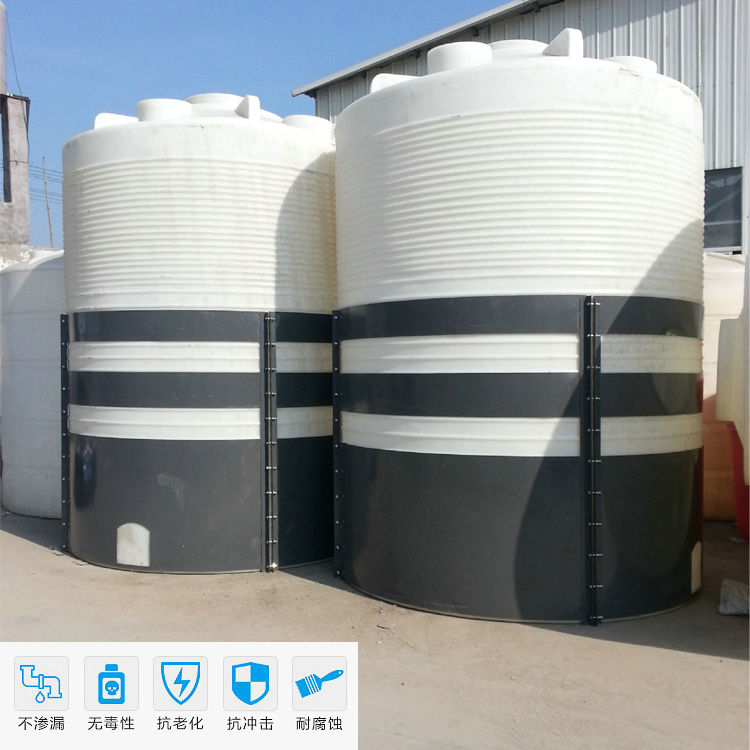
39. The fire pump room has a fire resistance rating of Grade 2. The fire water tank floor is 15mm thick, the partition walls have a fire resistance of 2 hours, and the doors are of Grade A fire-resistant.
40. High-rise buildings over 100 meters in height must be equipped with automatic sprinkler fire extinguishing systems. Fire inspection and acceptance standard: 1. Installation.
41. When the conduit length exceeds 45 meters during installation, a junction box should be provided.
42. When pipelines cross the fire reservoir and shear walls, water sleeve pipes should be added. Vibrating pipelines require flexible joints, and connections with the water tank should be welded. The fire water tank should have a reserved passage of 1 meter, with at least 0.7 meters around, and not less than 0.6 meters from the ceiling height. The pressure gauge's range is 2.5 times.
43. Composition of the fire pump coupling: interface, body, connector, check valve, safety valve, anti-aircraft valve, and control valve are sequentially installed with an installation height of 1.1 meters.
44. Pipes with a diameter of DN100 or less are焊接. Pipes with a diameter greater than DN100 are connected using clamps.
45. Pipe installation distance from floor joists, beams, and columns, increasing by 40-200mm in increments based on the pipe diameter.
46. The installation distance for pipes and brackets is incremented by 3.5-12mm in increments of pipe diameter.
47. The installation distance of pipe supports, hangers, and nozzles should not be less than 300mm, and the distance from the end nozzle should not be less than 750mm.
48. When pipes pass through expansion joints, flexible joints and short pipes should be used. The short pipe must not be less than the wall length or 50mm beyond the wall.
49. Pipe vertical mounting brackets are spaced 1.5-1.8 meters apart.
50. A check valve and a pressure gauge should be installed at the fire pump outlet.
51. The installation height of the fire pressure device from the roof of the shed shall not be less than 1.0 meter.
52. Installation sequence for the fire-fighting coupler: connector, body, connecting pipe, check valve, safety valve, anti-aircraft valve, check valve.
53. The alarm valve assembly should be installed at a distance of 1.2 meters from the ground. The connection between the hydraulic alarm bell and the alarm valve should be made using galvanized steel pipes not exceeding 6 meters in length.
WeChat Official Account

Scan to follow Official Account