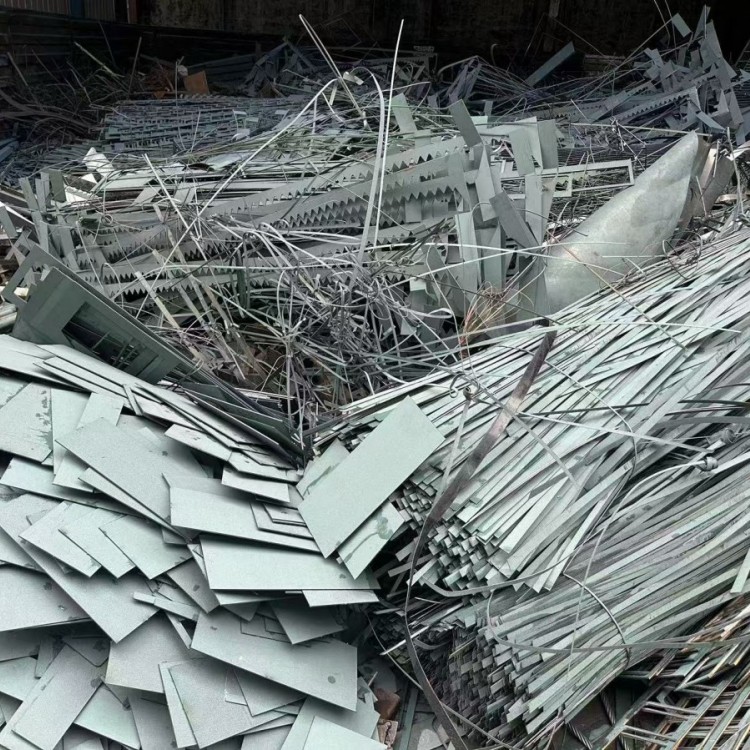


Recovered cable waste typically exhibits varying degrees of aging, and the additives present have experienced different levels of loss. Although the properties of recycled cable after regeneration may differ from those of new materials, recent research data indicates that by re-formulating and adding necessary functional additives, the processing, mechanical, and electrical properties of the recycled cable can be improved. Depending on the specific product requirements, different process formulations and techniques are employed. This involves melting the cable waste, adding appropriate functional additives, and re-granulating it to produce lining material, which is then used for the inner sheath of power cables.
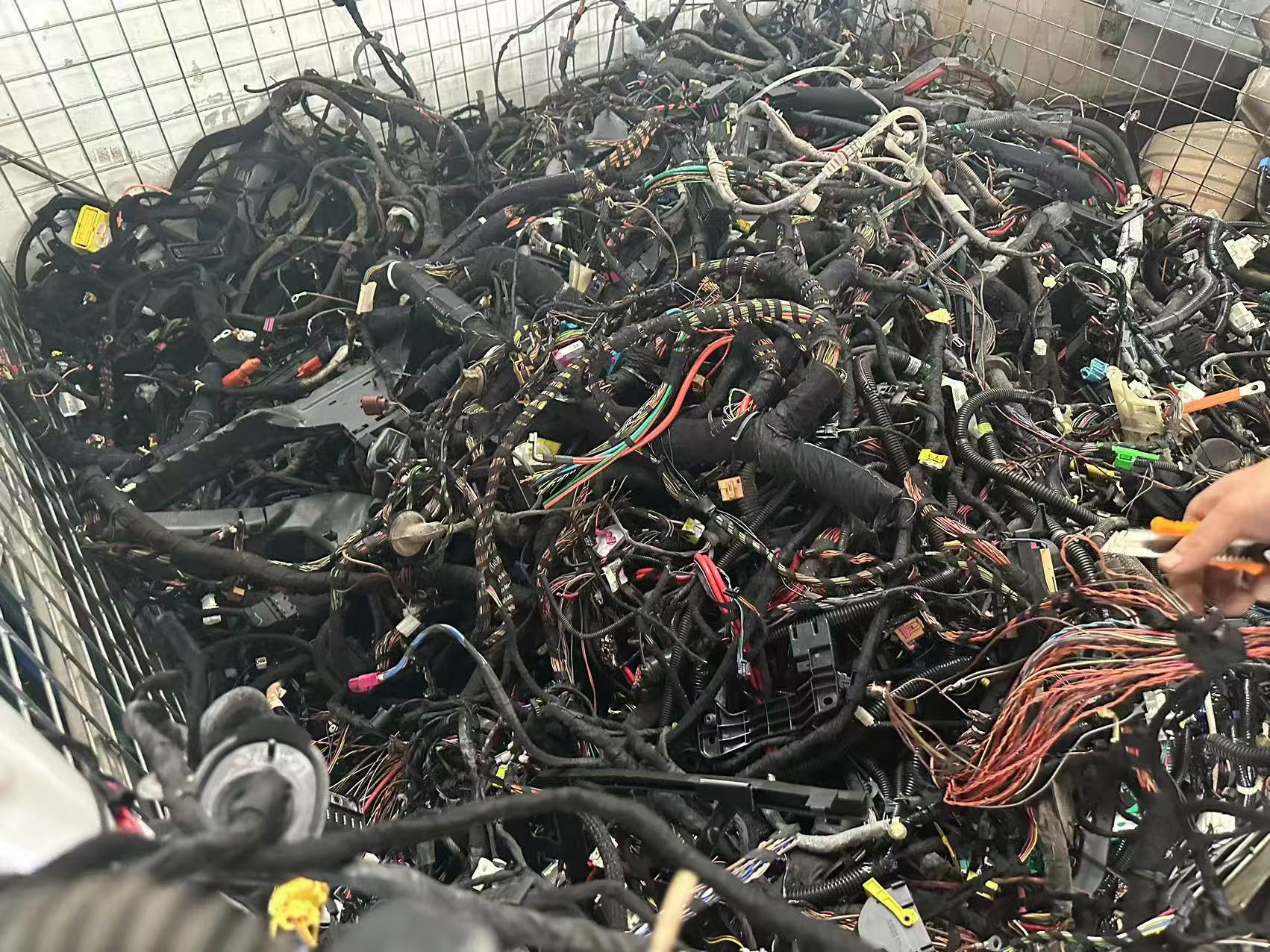
Due to varying requirements for characteristics, installation environments, and working conditions, the structural composition of wire and cable products comes in various forms. The basic structure of wire and cable generally consists of three parts: the conductive core, insulation layer, and protective sheath. The main manufacturing process involves drawing, twisting, and sheathing, with more complex models and higher repetition rates.
Metal drawing. The process of forcing metal through a mold (pressure roller) under the action of an external force, compressing the cross-sectional area of the metal to achieve the required shape and size of the cross-section is known as metal drawing.
2. Twisting. To enhance the flexibility and uniformity of wires and cables, multiple single wires are interwoven together in a specified direction, which is called twisting. The twisting process is further categorized into conductor twisting, cabling, braiding, and wrapping.
3. Coating. Depending on the varying performance requirements of wire and cable, different materials are used to coat the conductors. The coating process is further categorized into: extrusion coating: materials such as rubber, plastic, lead, and aluminum; longitudinal coating: materials like rubber and aluminum strips; wrapping: materials such as strip paper, mica tape, alkali-free glass fiber tape, non-woven fabric, plastic strips, and fibrous materials like cotton yarn and silk.
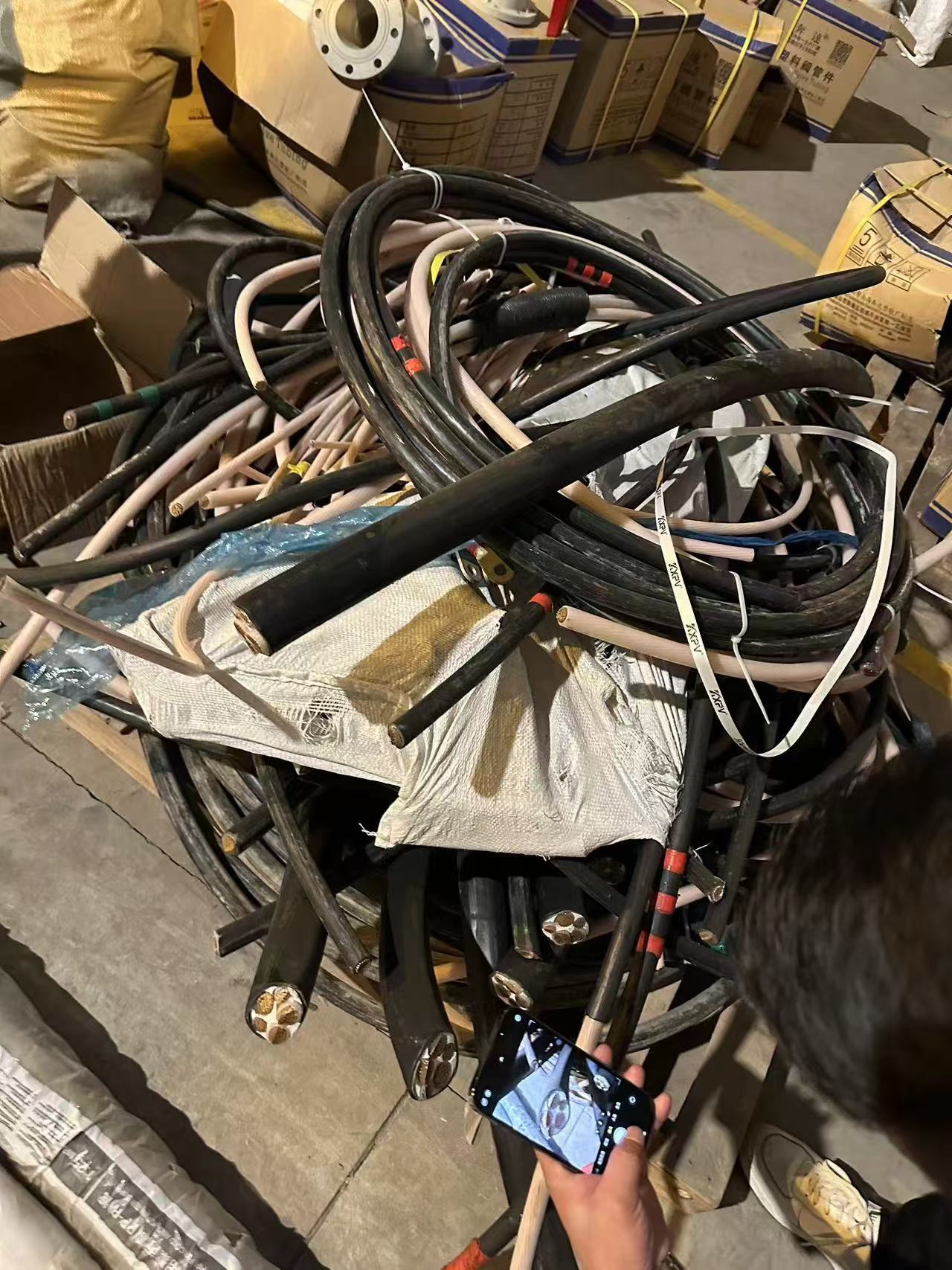
Service recipients include: power (electricity supply) companies, steel mills, power plants, thermal power plants, nuclear power plants, iron alloy plants, government agencies, airports, hotels, mining bureaus, mobile companies, Unicom, telecom companies, construction sites, construction units, railway bureaus, electrification engineering companies, subways, large and medium-sized factories, companies, institutions, enterprises, real estate, printing plants, electrical factories, electronic factories, transformer factories, cable factories, switch factories, machinery factories, repair and manufacturing plants, carbon factories, and electric carbon factories.
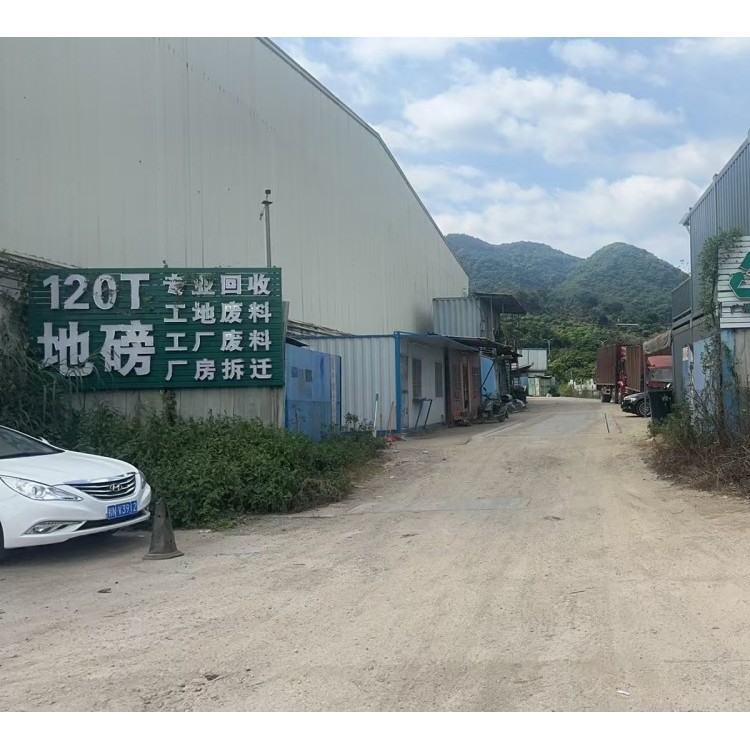
Cable Recycling: We offer long-term, high-priced recycling services for various brands including Baosheng, Runlan Taiyang, Yandong, Shangshang, Panda,亨通光电, Nangai, Prysmian, Wujiang, Yandong, Kaikai, Hongqi, Xintei, Nanding, Bendakang, Zhongtian, Taiyang, Kunlun, Jincheng, Ge Pai, Sheng Pai, Taihang, Yudaoshan, Tongbao, Changjiang, Wuxi Changcheng, Jiangsu Taixiang, Wenzhengwang Pai, Jiangsu Dayu, Zhejiang Huatai, Jiangsu Yafei, Jiangxi Shengta, Shanghai Qifan, Lanzhou Zhongbang, Shanghai Youjiang, Hongri, Tianjin Jinshan, Kunshan Changjiang, Wuxi Huzhong, Guangzhou Tianhong, Shanghai Shenghua, Jiaxing Duojiao, and many more domestic and imported used cables, wires, and cable recycling services.
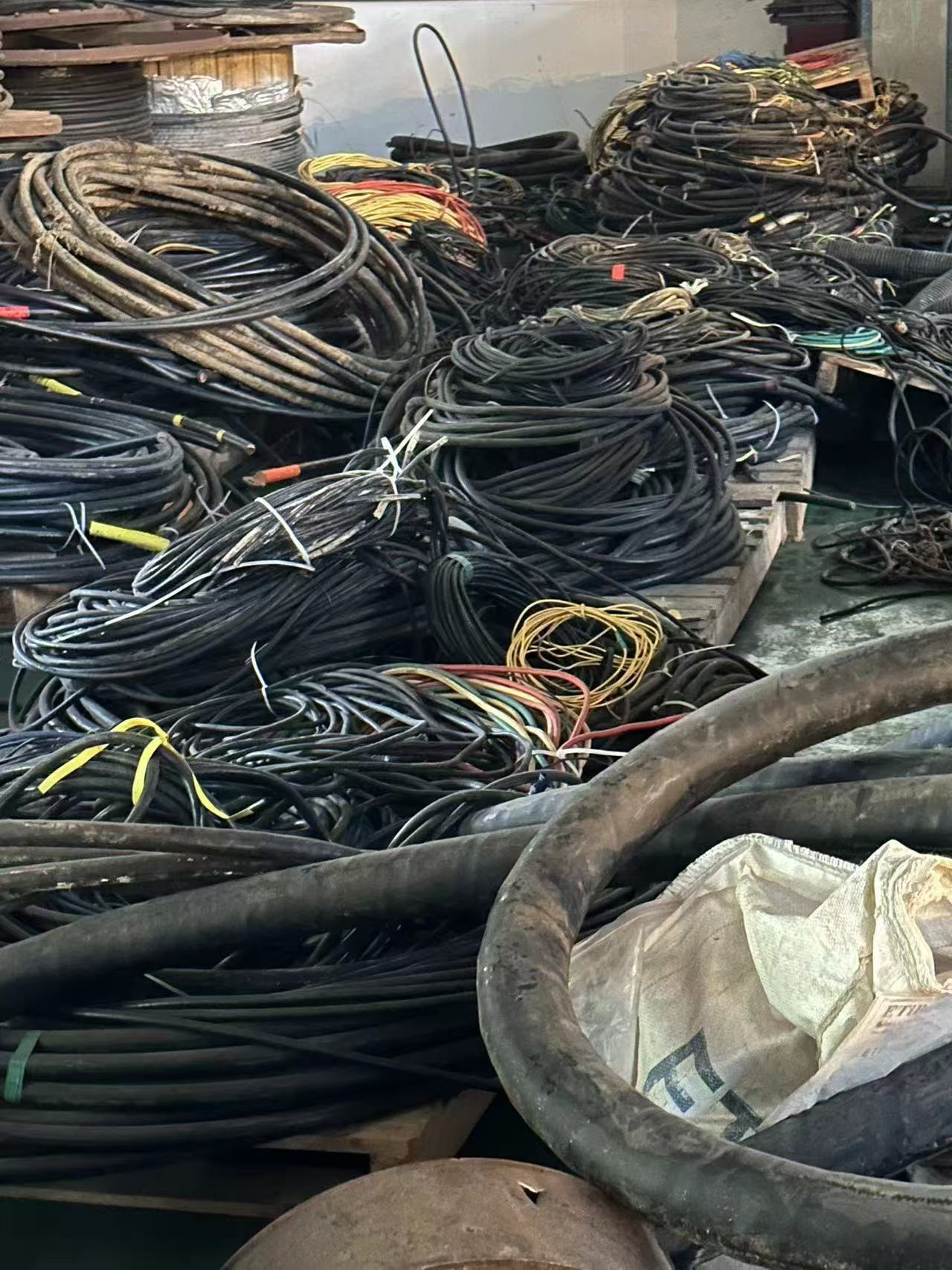
Overall, China's technology for recycling and utilizing waste cables is not advanced, and the level of pollution prevention is low, posing severe environmental pollution risks. Therefore, the recycling of waste cables is of great significance. It not only helps reduce costs and meet demands in other applications, but also serves as an excellent environmental protection measure.