


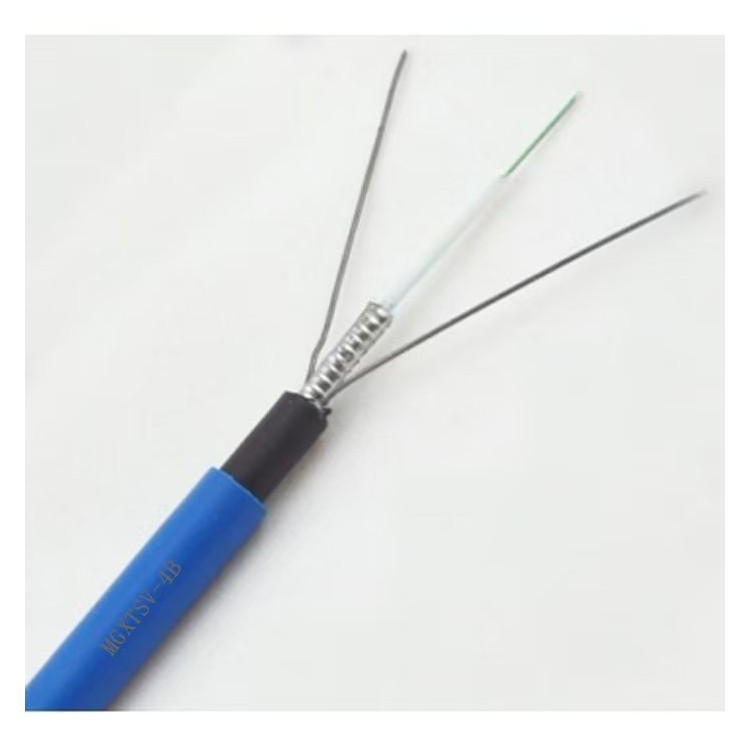








Insulated Wire Types
1. Insulated wires are categorized into rubber-insulated conductors, polyethylene-insulated conductors, and rubber cables. This is the standard classification, but if we're to detail the structure and applications, we typically divide them into fixed installation wires, insulated flexible wires, outdoor polyethylene-insulated wires, copper-core polyethylene-insulated installation wires, and agricultural direct-burial aluminum-core plastic-insulated plastic sheathed wires.
2. Moreover, merely knowing the type of insulated wire is not enough. In practical applications, we should have a clearer understanding of the alternating voltage and working temperature suitable for each conductor type. For example, rubber insulated wire has a working voltage of 500 volts and is permitted to operate at temperatures below 65℃ for long periods. Poly insulated wire typically has a normal working voltage of ≤450/750 volts, with the working temperature not to exceed 105℃.
Insulation Wire Selection Tips
1. Genuine manufacturer and retailer products. Wires packaged in bulk should have a certificate of conformity, and the wire itself should bear the manufacturer's name or trademark, voltage, and 3C mark. Counterfeit and substandard wires from manufacturers are often "three-no" products, yet they may also carry ambiguous origin labels, such as "Made in China," "Made in Some Province or City of China," etc., which essentially means the origin is not specified.
2. Copper is one of the conductor materials used in fabric-insulated wires. When selecting, first determine the appropriate specification based on the load to be used, such as using 1.5mm² copper wire for lighting circuits, and 2.5mm² copper wire for air conditioners, microwaves, ovens, etc. Choosing the correct specification of wire can prevent short circuits and fires caused by insufficient current carrying capacity of smaller gauge wires.
Next, pay attention to the quality of the conductor. Qualified copper-core wires should be made of purple-red, lustrous, and soft copper material. Counterfeit copper-core wires have purple-black cores, are slightly yellow or white, contain more impurities, have poor mechanical strength, and lack toughness, easily breaking under slight force. Moreover, multi-strand copper wires often experience breakage, leading to a short service life.
3. The sheath used for cloth-covered wires is made of poly-insulating material. Qualified wire insulation should appear smooth with clear surface printing. Upon observation from the wire end, the insulation should be even and not biased. Some counterfeit wires have an insulation layer that appears thick, but in reality, it is mostly made of recycled plastic. Over time, the insulation layer will age and cause electrical leakage.
4. Quality wires are generally within the specified weight range. In terms of price, due to the low production costs of counterfeit and inferior wires, vendors often use the guise of affordable and good-quality products to sell, leading consumers to be deceived.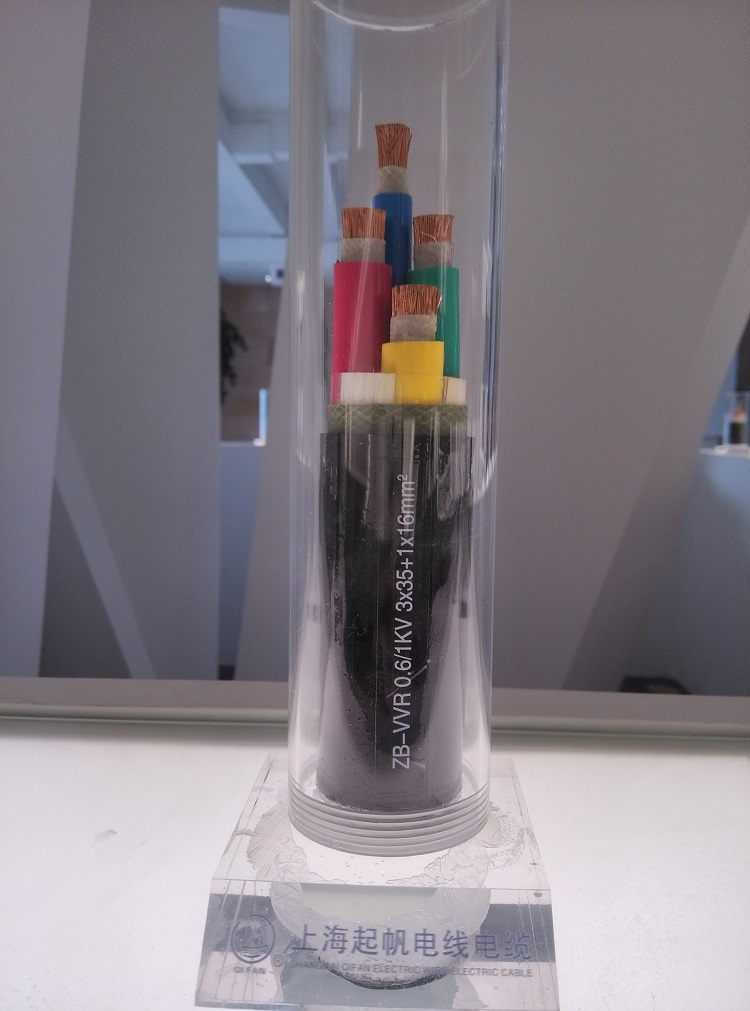 What's the difference between insulated wire and flame-retardant wire?
Flame-retardant wire: Suitable for AC rated voltage 110kV plastic insulated power cables, 450/750V plastic insulated control wires, and electrical equipment rated 450/750V and below. Mainly used in product lines for power transmission and distribution, control, alarm, and fire protection systems.
Insulating wire: Used for internal wiring of instruments and equipment.
Main applications of insulated wires
1. Plastic insulated wire
Its advantages include excellent insulation properties, simple manufacturing process, and lower cost. It can replace rubber insulation both in exposed or conduit installations, thereby saving a substantial amount of rubber and cotton yarn.
2. Chloroprene rubber insulated wire
Excellent oil resistance, anti-mold, non-flammable, good climate adaptability, slow photo-aging process, aging time about twice that of ordinary rubber-insulated wires, thus suitable for outdoor installation. Due to the lower mechanical strength of the insulation layer compared to ordinary rubber, it is not recommended for conduit laying.
3. Overhead Insulated Wires
It is increasingly widely used, boasting excellent resistance to light aging. Primarily used in areas with high groundwater levels and to optimize sites with corrosive liquid spills. Particularly suitable for the reconstruction of urban power distribution lines when there is a limited need for wiring in the second industrial area and it is not convenient to bury them underground.
4. Adhesive Coated Low Insulation Power Cables
Permits higher operating temperatures, low medium loss, high voltage resistance, long service life. Its drawback is poor flexibility of the insulating material, which cannot be laid at low temperatures or it may easily damage the insulation.
5. Insulated and jacketed power cables (commonly referred to as plastic insulated cables or plastic wire)
Simple process, no height difference restrictions, lightweight, excellent bending properties, easy to make joints, resistant to oil, acid, and alkali corrosion, non-flammable, with internal armor structure to prevent steel strips or wires from corrosion, and affordable price.
6. Rubber Insulated Power Cables
Excellent bendability, suitable for installation in extreme cold climates, particularly for horizontal and vertical installations with significant elevation differences. It is applicable not only for permanent installations but also for fixed installations that are periodically moved.
7. Metal-clad mineral-insulated wire
Withstanding high temperatures, outer sheath made of copper or aluminum, insulation of magnesium oxide, suitable for steel industry, power plants, oil depots, high-rise buildings, nuclear power stations, oil drilling platforms, cold storage, etc., for alternating current rated voltages of 500V (direct current voltage of 1000V) and below in high-temperature, high-humidity, flammable, and explosive environments.
WeChat Official Account

Scan to follow Official Account













