


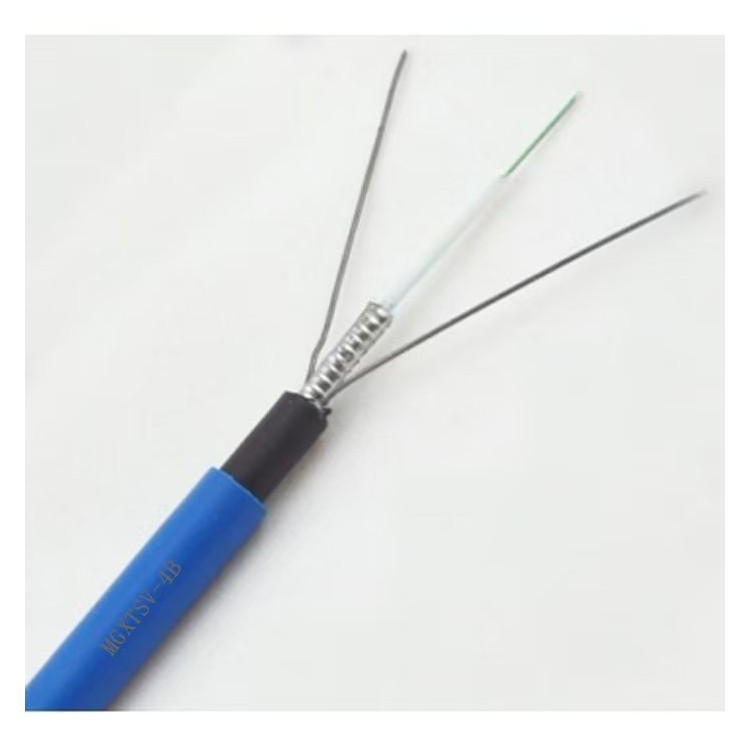









Rubber-sheathed cables are a highly versatile cable that can be applied in a variety of different situations and is now a component in many devices. The benefit of this product is its ease of installation; once purchased, it can be set up effortlessly without the need for professional operation. Its convenience across all aspects makes it an excellent choice. Many electrical products require professional electricians for use and installation, but this cable has no such restrictions, making its applicability even stronger.
Furthermore, connecting rubber-sheathed cables to equipment yields excellent results and experiences for users. This product can be connected to a wide range of devices with ease, offering great functionality and ensuring a superior user experience. These connections also contribute to stable operational efficiency for the equipment, providing better voltage and power protection.
Moreover, the adjustable feature of rubber-sheathed cables allows for flexible voltage regulation. With various voltages and currents, all it takes is a simple switch adjustment to achieve control. These features bring about a delightful experience, truly allowing users to enjoy the superior product functions and achieve excellent control and production performance during use.
Rubber-insulated cables, also known as rubber cables, generally include varieties such as general-purpose flexible rubber cables, welding machine cables, submersible motor cables, radio equipment rubber-insulated cables, and photographic light source rubber-insulated cables. These cables are widely used as mobile power cables for various electrical equipment like household appliances, electric machinery, electrical installations, and instruments, and can be used in both indoor and outdoor environments.
The rubber-insulated cables feature a core of fine copper wires bundled together, wrapped in rubber insulation and sheath, offering flexibility and mobility. Depending on the mechanical stress the cables can withstand, they are categorized into light, medium, and heavy types. Generally speaking, light-duty rubber-insulated cables are used for household appliances, small electrical equipment, requiring softness, lightness, and good bending properties; medium-duty cables find applications in both industrial and agricultural electrification; while heavy-duty cables are used in equipment like port machinery, waterproof rubber-insulated cables, and cables for submersible pumps, primarily for submersible motors. Rubber-insulated cable application scope
Waterproof rubber sleeve cables and submersible pump cables: Mainly used for matching submersible motors.
Cable for Radio Equipment: Mainly produce two types of rubber-sheathed cables (one with shielding, one without), which can basically meet the requirements.
Photography Cable Products: Accommodating the development of new light sources, these cables feature small structure and excellent performance, meeting both indoor and outdoor work requirements. They are gradually replacing some older, heavier products with poor heat resistance.
Rubber-insulated cables are commonly used in industrial settings, but they have strict requirements for users. Generally, the voltage range for rubber-insulated cables is between 450V and 750V. Exceeding this range may cause the rubber to soften, potentially leading to fires and irreversible losses. Therefore, extra caution is necessary during use.
Rubber-sheathed cables offer excellent conductivity, providing businesses with a continuous and stable power supply. The rubber also offers excellent protection for the internal cables and effectively isolates external currents, making them highly favored by consumers.
WeChat Official Account

Scan to follow Official Account













