


















Equipment Management: Covers all basic information of the equipment, achieving full lifecycle tracking and management of the equipment.
2. Equipment Inventory: Establish comprehensive records for equipment, including maintenance, inspections, and changes. Document key information such as model, specifications, and manufacturer for easy lookup and traceability.
3. Equipment Maintenance: Develop a scientific maintenance plan, record maintenance history, to ensure the equipment remains in optimal operating condition.
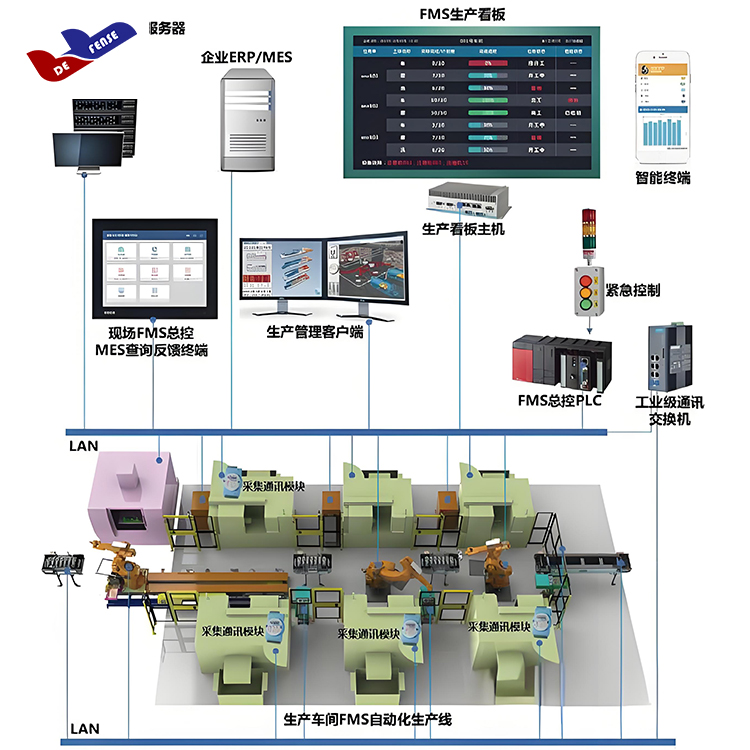
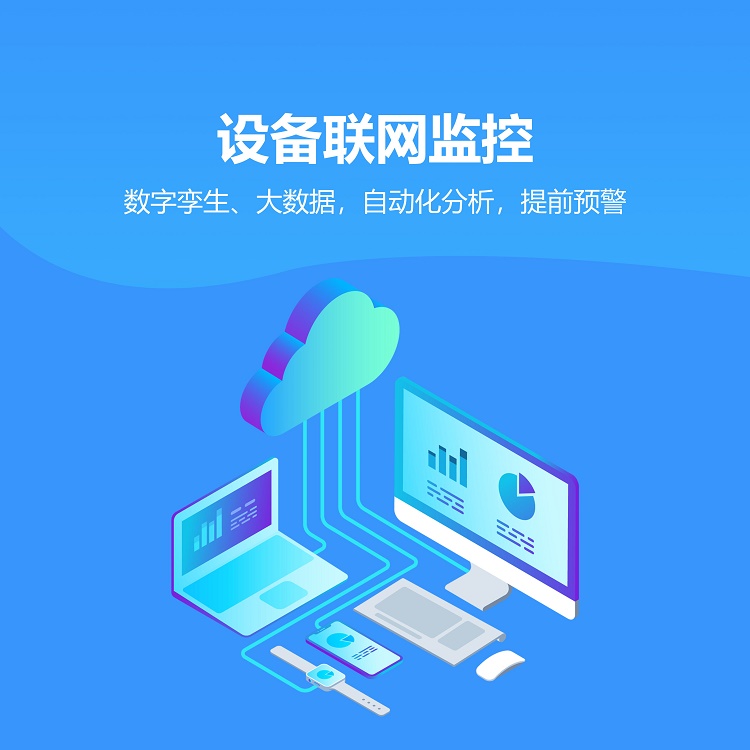
4. Device Internet of Things: Achieve real-time interconnection between equipment and systems, remotely monitor equipment status, and provide timely warnings for potential faults.
5. Equipment Inspection: Supports custom inspection routes and items, records inspection results, ensuring that potential safety hazards are not concealed.
6. Knowledge Base: Integrates technical documents, operation guides, and troubleshooting solutions related to equipment, helping staff quickly resolve issues.
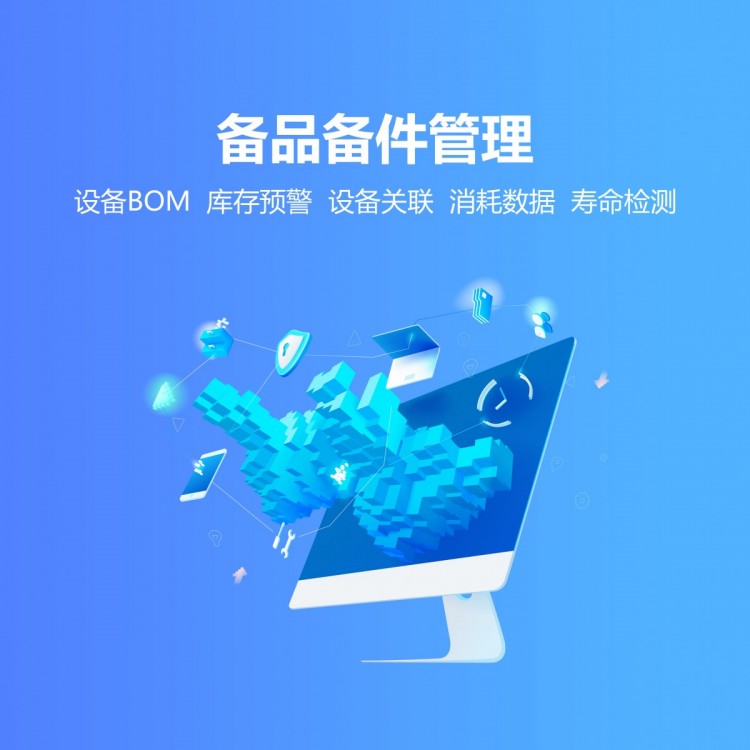
7. Spare Parts & Consumables: Implement meticulous inventory and procurement management of spare parts and consumables to prevent resource waste and reduce operational costs.
8. Statistical Analysis: Offer a wealth of data analysis reports to assist businesses in delving into equipment usage data, providing support for decision-making.
9. System Management: Features include user permission management and system log recording, ensuring secure and stable system operation.