



















Equipment inspection rounds
Establish standards, schedule inspection rounds, generate tasks based on cycles, and implement task work orders
Throughout the digital transformation of a company, a comprehensive equipment lifecycle management system is crucial for ensuring smooth operation, minimizing downtime, boosting production efficiency, and extending the lifespan of equipment. Inspection and patrol are two key functions within this management system.
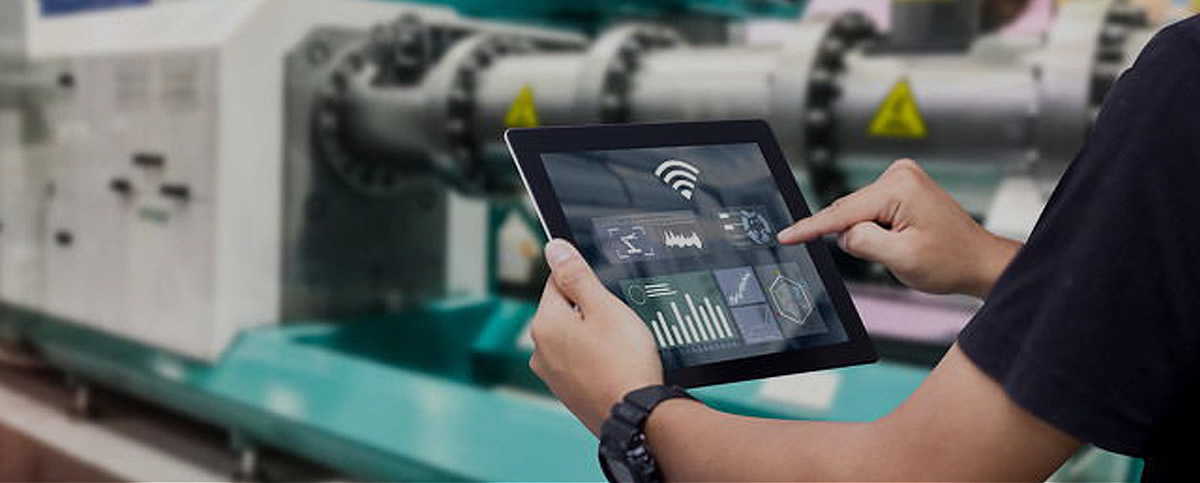
Equipment Inspection Function:
Equipment management processInspection PointRoutine inspections of certain critical components or performance features are typically conducted to ensure the equipment operates safely and efficiently.
Inspection Content: Typically, it involves checking the appearance, lubrication, temperature, noise, vibration, and wear condition of critical components of the equipment.
Inspection Frequency:Based on the equipment's operating conditions, historical records, and production cycle, the interval may be per shift, daily, weekly, or any other time frame.
System Records:Each time the equipment management system is inspected, it automatically records the inspection date, inspector, equipment status, issues found, and recommended repair or maintenance actions.
Data Application:Inspection records automatically generate knowledge base entries, and during subsequent maintenance processes, the system can automatically push, based on big data models, to generate maintenance recommendations.
Problem Feedback and Handling:If issues are found during the inspection, the system automatically generates a maintenance work order for the repair, notifying the maintenance department or relevant personnel to handle it.
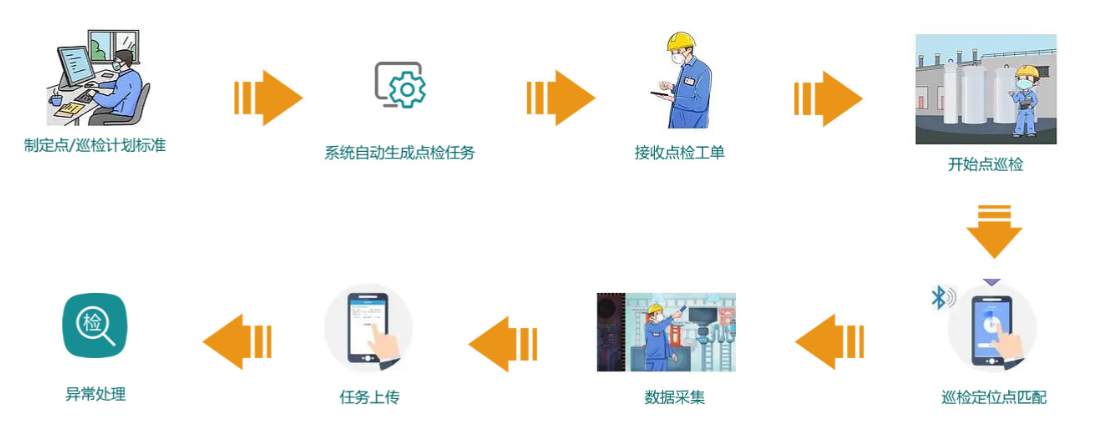
Equipment Inspection Function:
The equipment management system conducts routine inspections of equipment along predetermined paths and times, aiming to detect and prevent potential failures early on.
Inspection Content:Including but not limited to the operational status of equipment, integrity of safety protection devices, environmental conditions (such as temperature and humidity), abnormal sounds or leaks, etc.
Inspection Frequency:Inspection frequency may be higher than spot checks, such as every hour, shift, or day.
Efficiency Tools:Utilize a professional patrol inspection system for digital inspections, which not only enhances efficiency but also reduces recording errors.
Exception Handling:Upon detecting anomalies, the system promptly generates work orders and quickly notifies the relevant personnel for timely on-site handling.
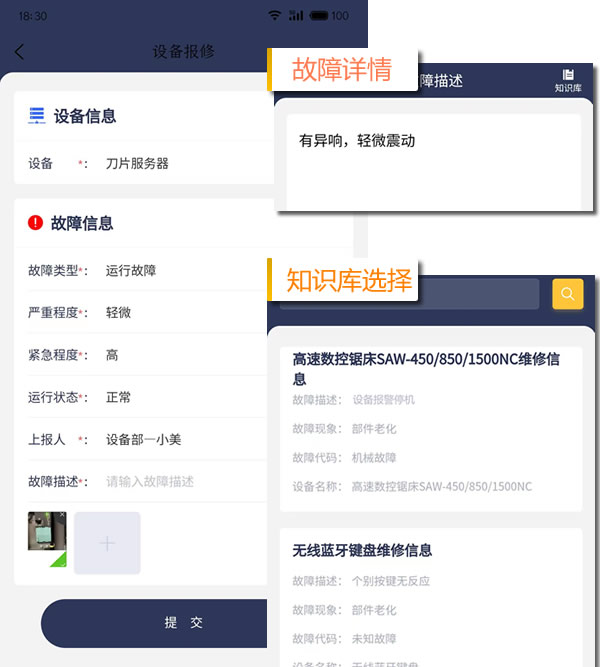
Equipment spot inspection
Enhance equipment reliability:Regular inspections can promptly identify equipment anomalies, thus preventing sudden equipment failures and ensuring stable operation.
Extend equipment lifespan:Inspection allows for timely maintenance and adjustments, thereby extending the equipment's lifespan.
Reduce maintenance costs:Preventive inspections and maintenance can prevent major equipment failures, thereby saving costs on repairs or replacements.
Enhance production efficiency:Stable operation of the equipment ensures the continuity of the production process, thereby improving efficiency.
Ensure Production Safety:Inspection can promptly identify potential safety hazards in equipment, thus preventing possible accidents and ensuring the safety of the production process.
Inspection Plan Management
Inspection schedule cycle, flexible setting of inspection frequency based on "time + cycle"
Inspection Content: Typically, it involves checking the appearance, lubrication, temperature, noise, vibration, and wear condition of critical components of the equipment.
Operation Standards: Flexibly set the maintenance work standards, which can be selected according to standard templates.
Can specify if inspection is required and who is responsible for the inspection.
Schedule start and end dates; generate regular inspection tasks within the planned cycle.
Task order management is one of the core functions in the equipment management system, designed to effectively organize and manage the equipment maintenance process. It encompasses the entire process from fault reporting to task allocation, execution, and documentation.
Through the Task Order feature, companies can achieve standardized and transparent equipment maintenance processes. Additionally, this feature aids in enhancing maintenance response times, reducing downtime, and thereby optimizing equipment availability and production efficiency.
https://www.zhongshang114.com/file/upload/202411/18/09053762127167.png

Inspection Task Management
The system automatically generates maintenance tasks on a cyclical basis according to the maintenance plan.
Tasks will be automatically assigned to the relevant person in charge, with real-time reminders.
Once the task order is completed, it will undergo review and acceptance.
Issues discovered during the task can generate relevant maintenance work orders
Historical Records: The system will save the execution records of each maintenance task, forming a complete maintenance history.
By effectively executing maintenance tasks, companies can ensure equipment operates in optimal condition, reduce the risk of malfunctions, and enhance equipment availability and production efficiency. A comprehensive equipment lifecycle management system can help companies standardize and optimize the execution of maintenance tasks, improving the efficiency and quality of maintenance work.