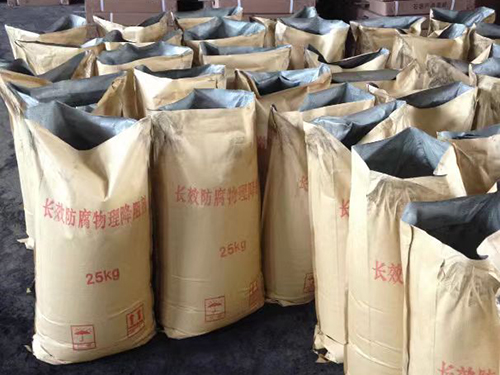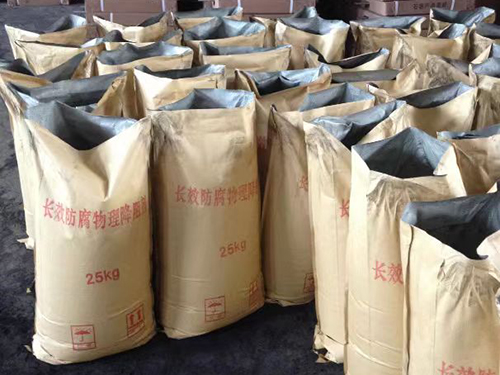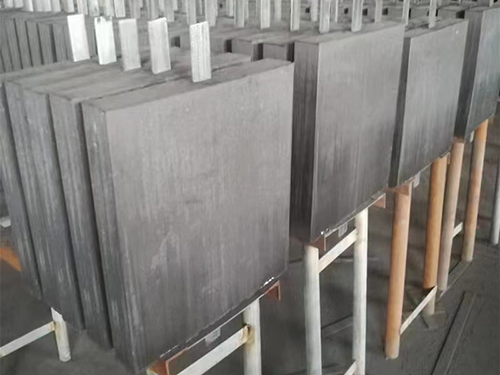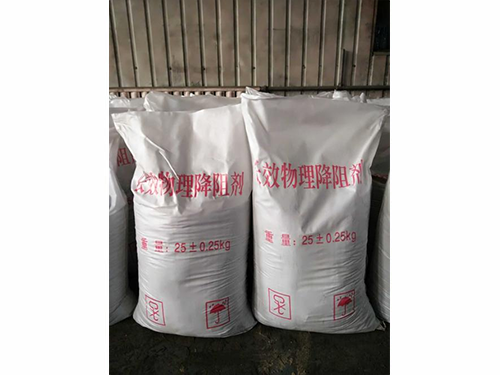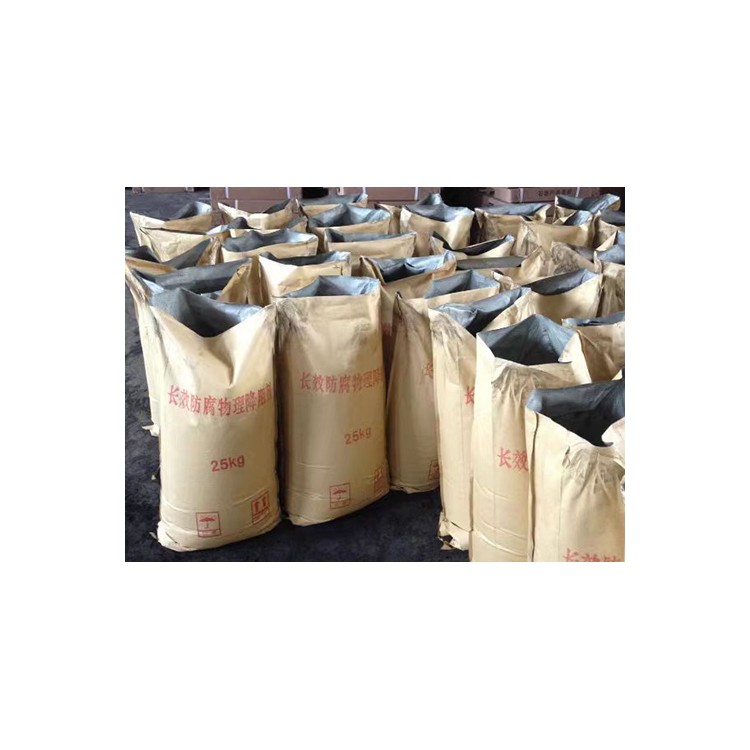


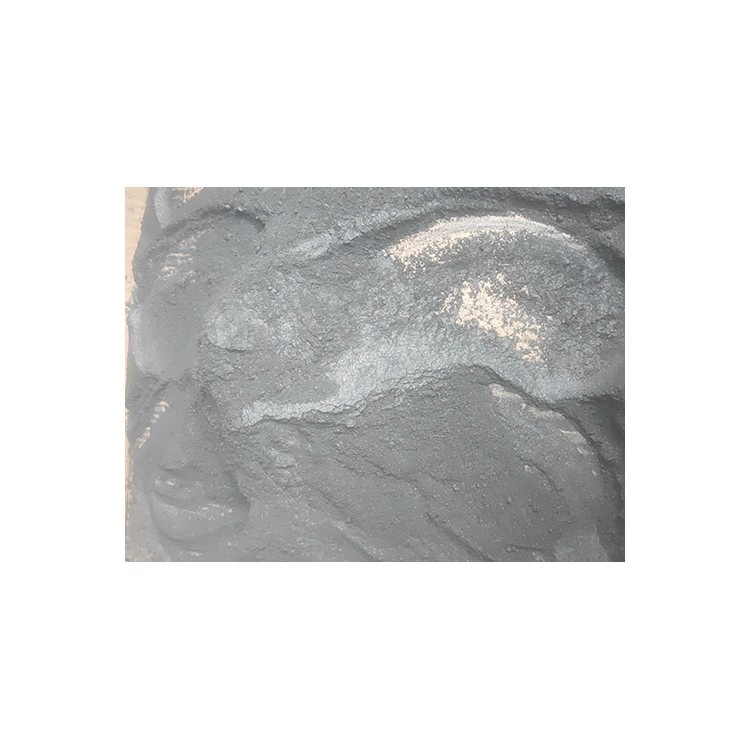
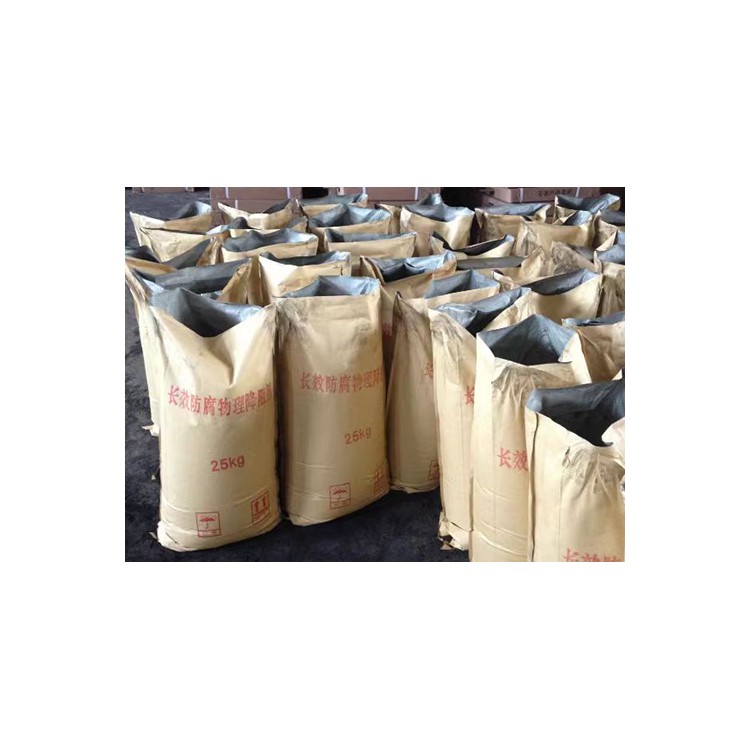



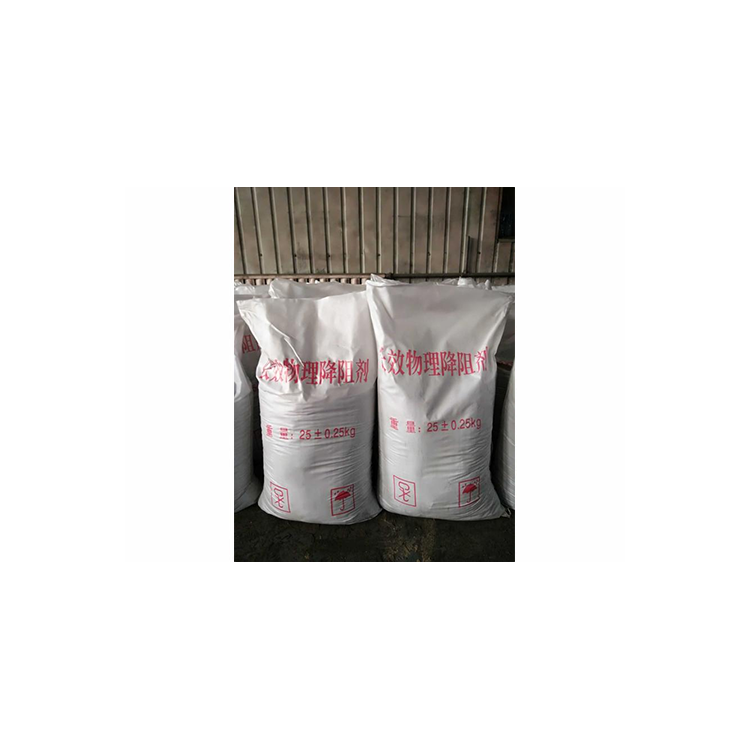





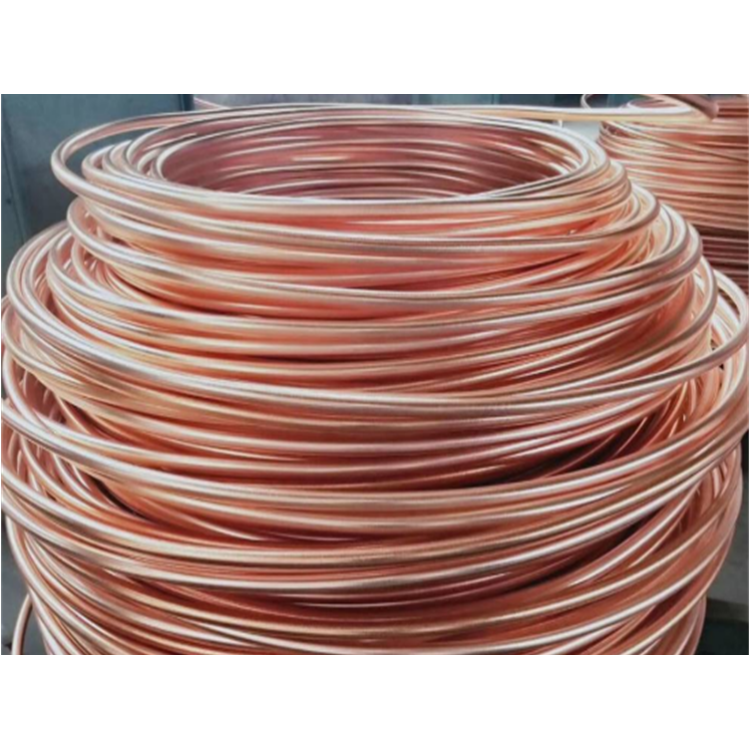
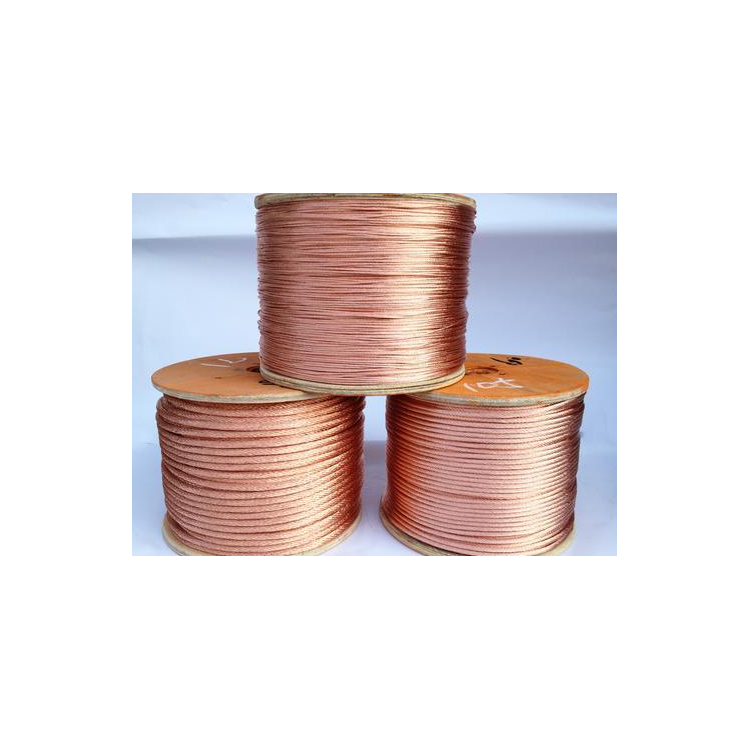
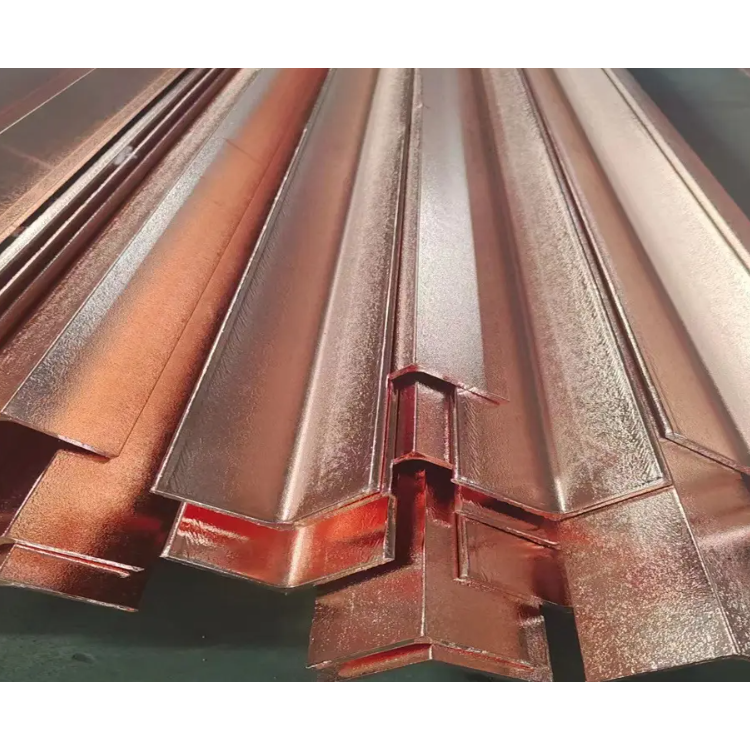
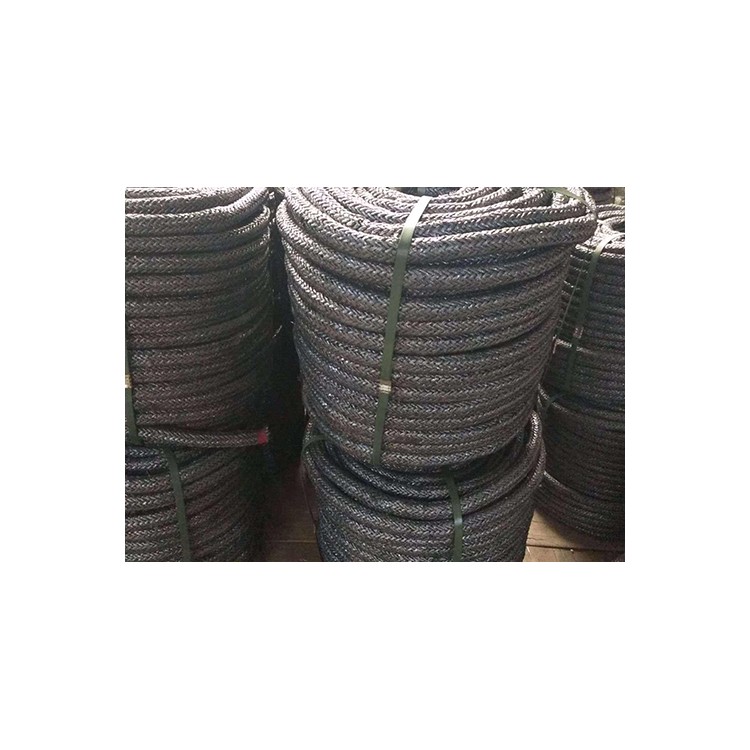
 A resistivity reducer is a material composed of electrode carbon black and strong acid-weak base salts as the main conductive components, along with a binder. The electrode carbon black is present in the physical resistivity reducer, and after solidifying into a grounding body, it does not undergo physical or chemical changes, and its composition does not leach away with the seasons. It remains unaffected by high and low temperatures, humidity, and environmental media, maintaining stable conductive leakage performance. Due to its significantly lower resistivity than that of soil, the binder in the product increases the contact surface between the metal conductor and the resistivity reducer soil, as well as between the resistivity reducer and the soil, reducing the contact resistance and thereby enhancing its resistivity reduction properties.
Resistance-reducing agents are suitable for grounding projects in various regions with high soil resistivity, water-scarce mountainous areas, and high corrosion, etc. These include grounding for power transmission and transformation, television, broadcasting, radar, petrochemical plants, oil storage facilities, electronic computers, laboratories, and high-rise buildings, as well as working grounding, protective grounding, lightning protection grounding, and static grounding.
Product Features: Antistatic Agent
Increased the equivalent cross-sectional area of the grounding body and the contact area with soil.
Excellent adsorption properties make the grounding body and soil combine more tightly, reducing the contact resistance between the grounding body and soil, and optimizing the electric field distribution in the soil.
Excellent penetration, deeply into soil and rock crevices, forming a network of tree roots, increasing the ground discharge area and reducing the ground dispersion resistance.
Protect the grounding body from various corrosion and damage in the soil.
Negative resistance characteristics reduce the potential distribution gradient between the ground surface and the device during the instantaneous discharge of the grounding body, enhancing the protective properties for personnel, equipment, and facilities.