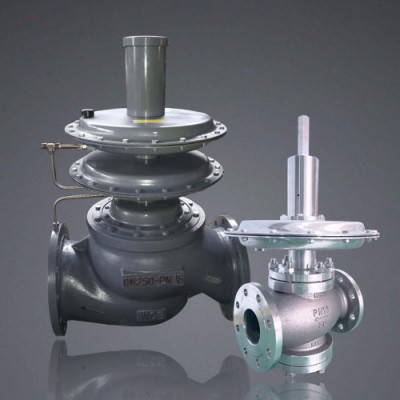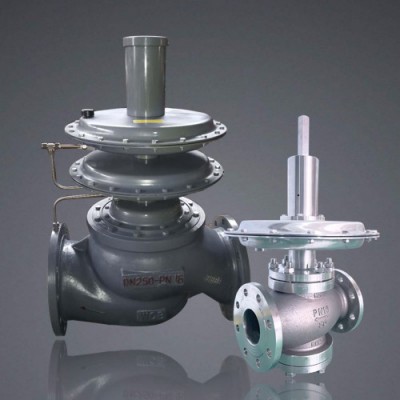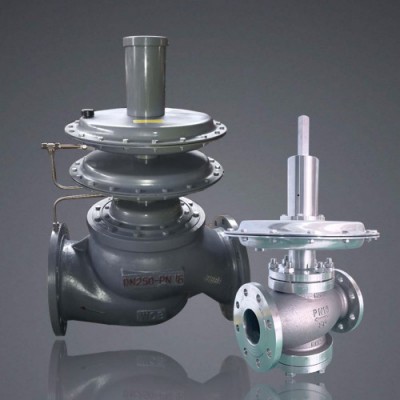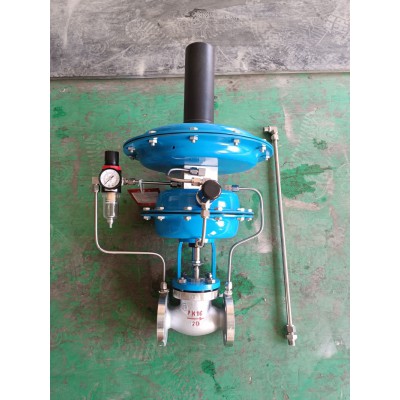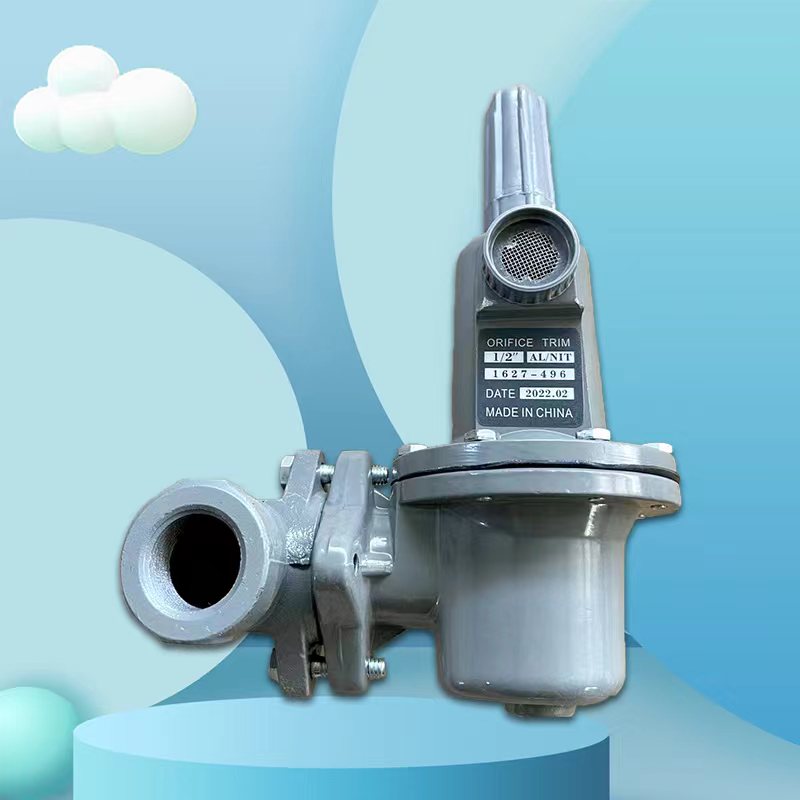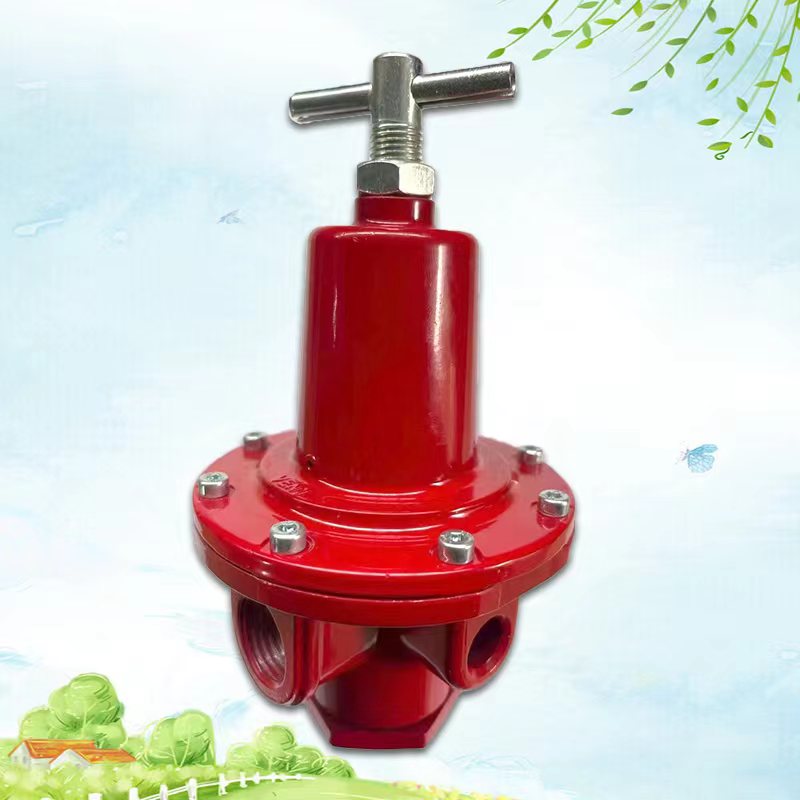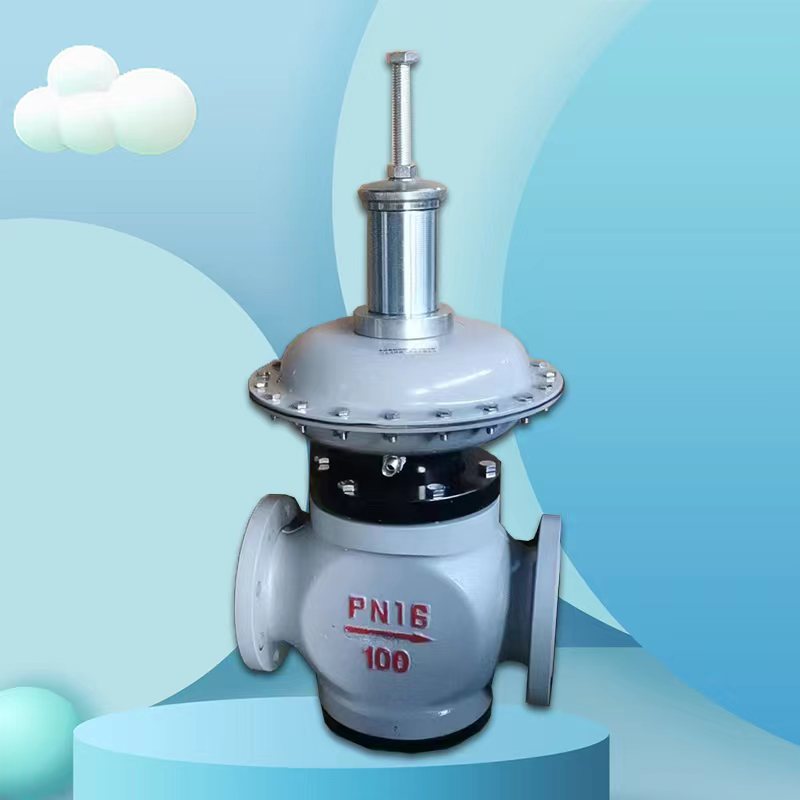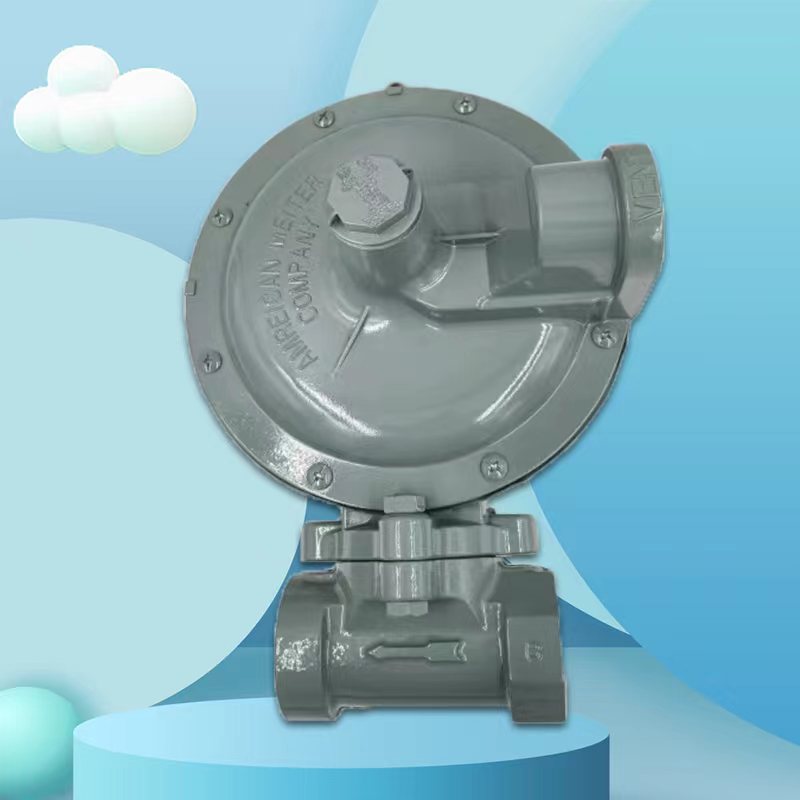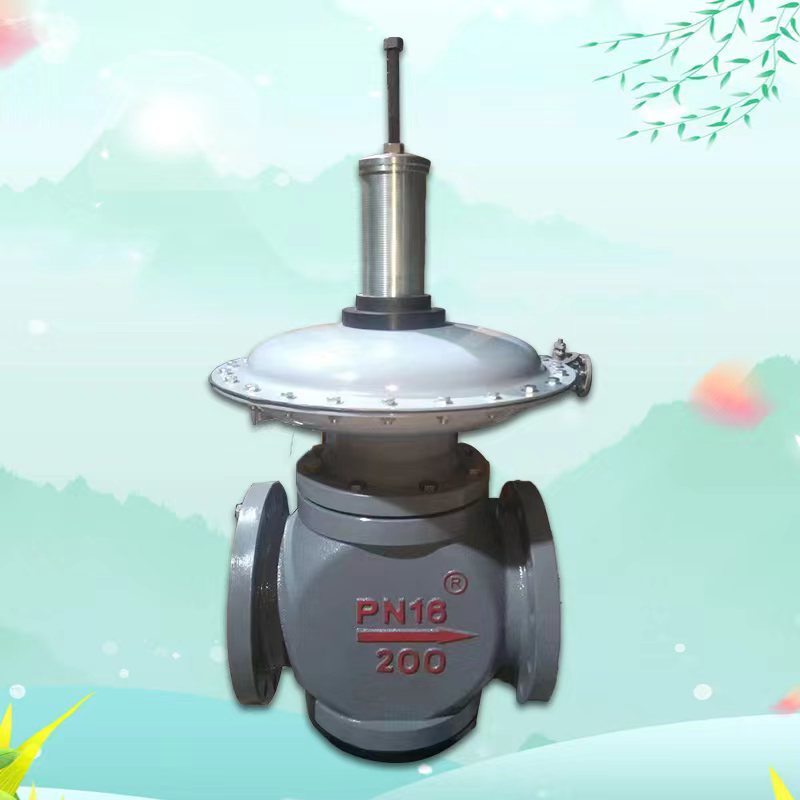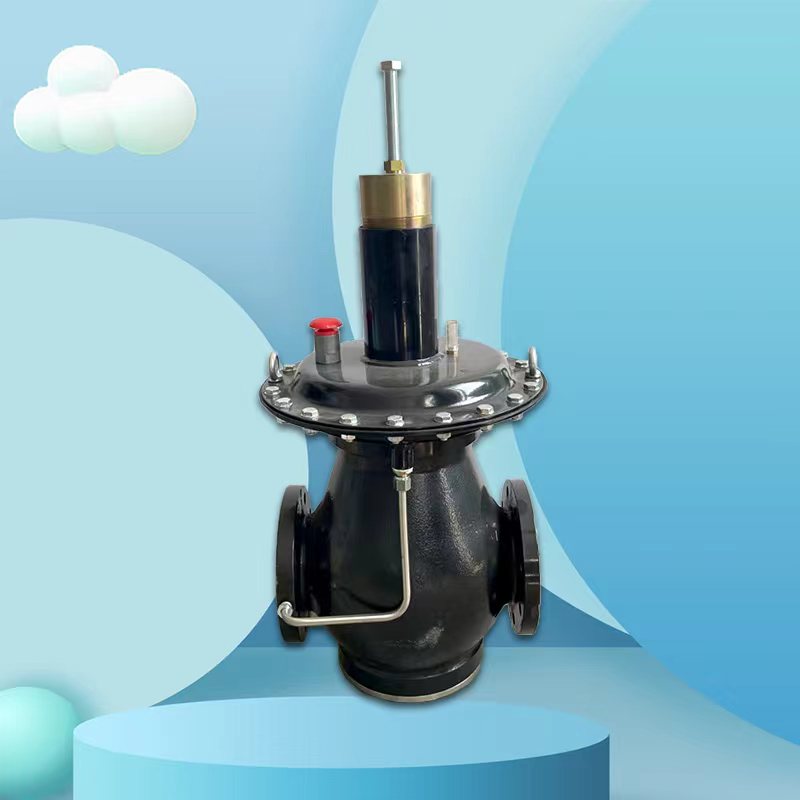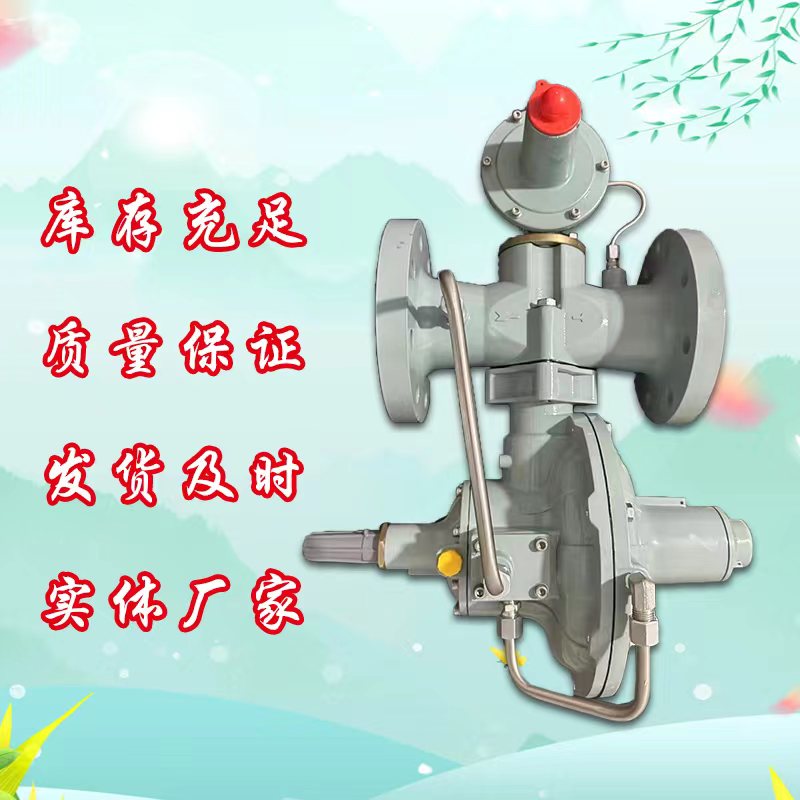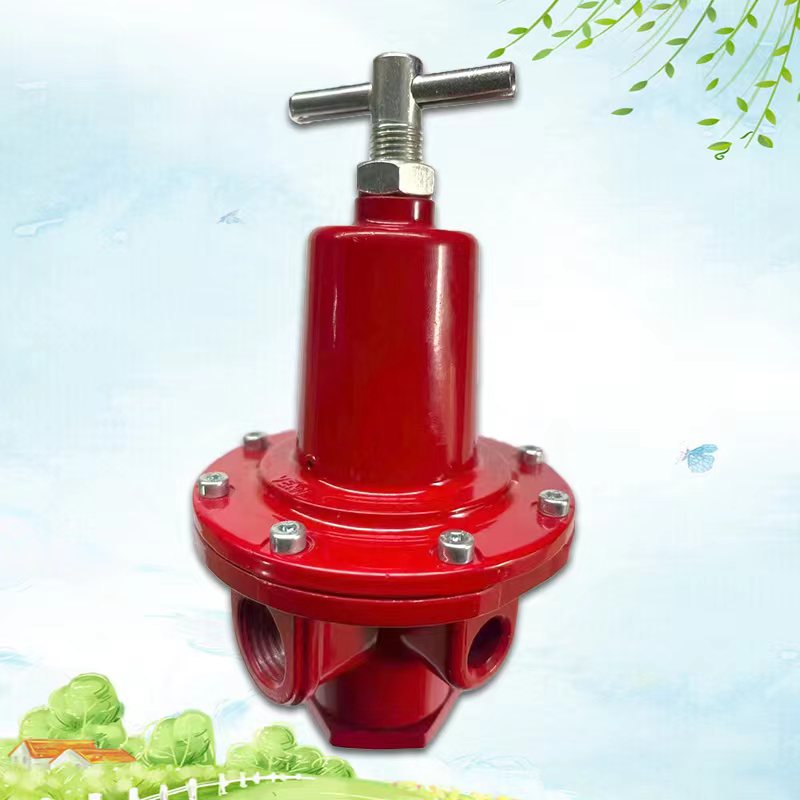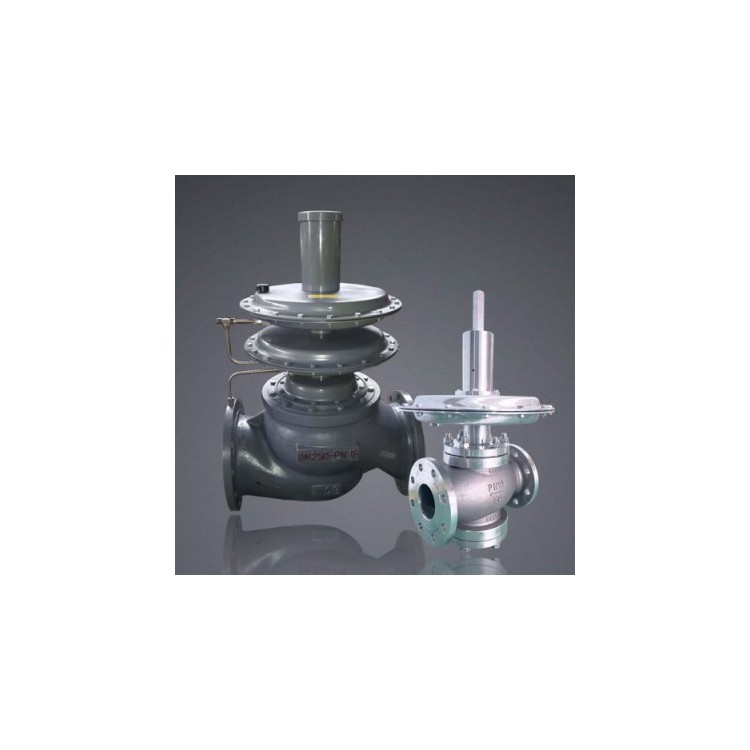


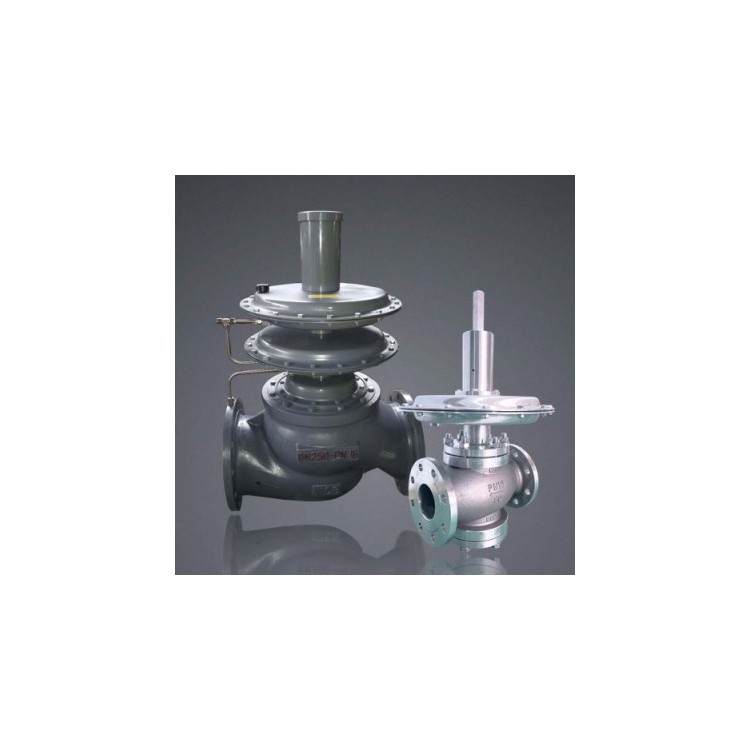
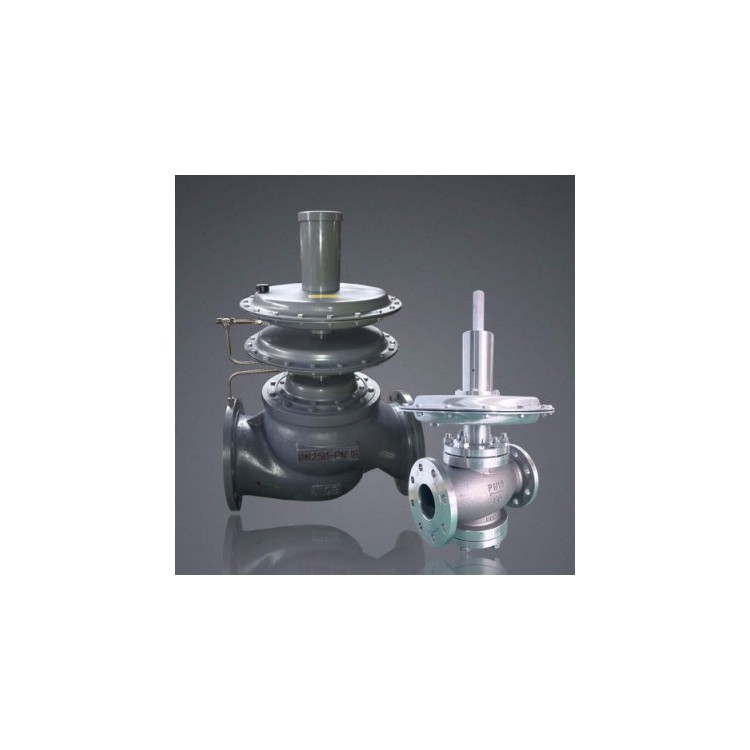


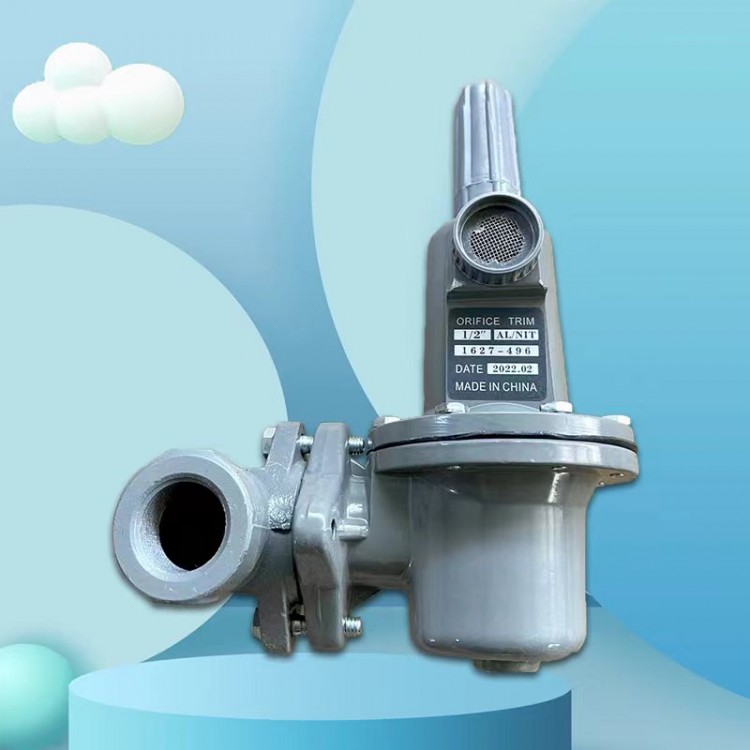
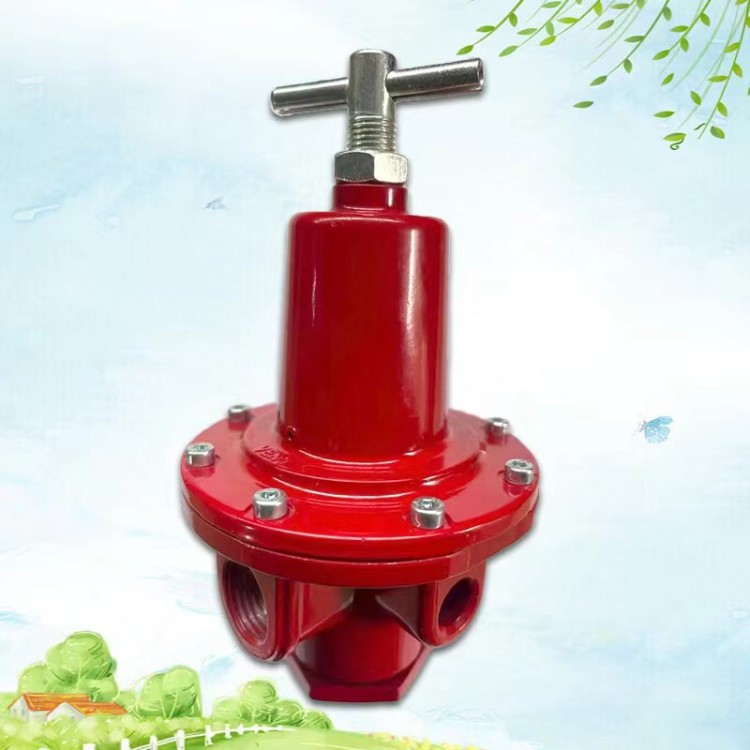
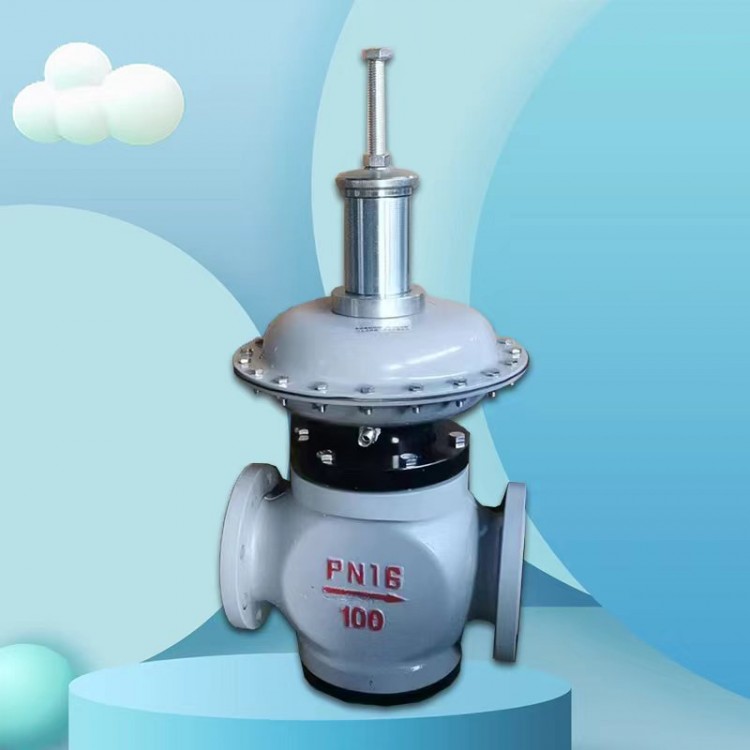






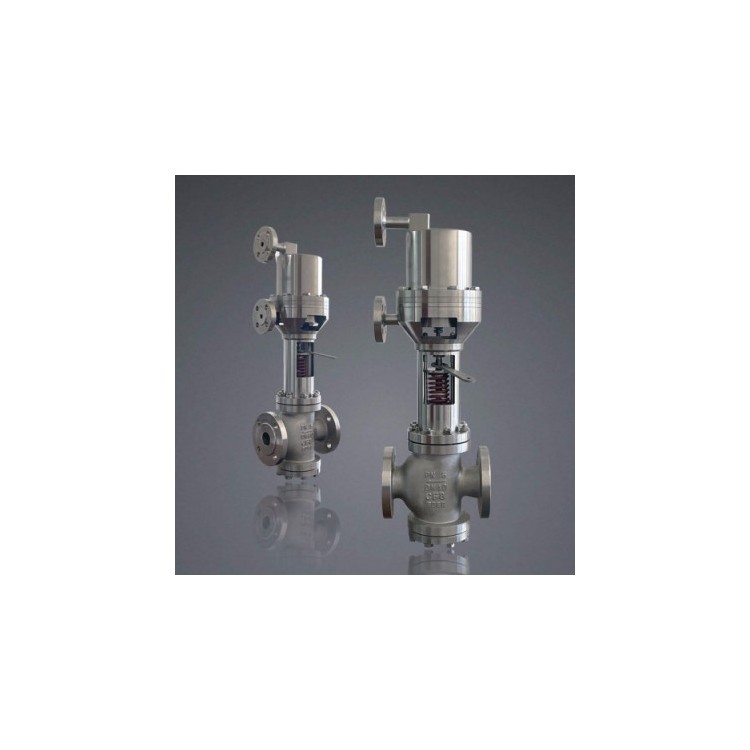

◆ Gas Pressure Reducing Valve Overview:
The gas pressure reducing valve operates without external energy, utilizing the energy of the controlled medium itself as the power source. It controls the valve core position through an actuating mechanism to alter the flow area, thereby changing the flow rate. This ensures that the pressure after the valve stabilizes to the specified value, featuring quick response, high control accuracy, and energy-saving properties.
The gas pressure reducing valve is a pressure regulating type (Model B) for pressure reduction, capable of being adjusted in stages from 30mmH2O to 0.1MPa. It is widely used for pressure reduction and stabilization of various low-pressure gases, such as for controlling ignition pressure in industrial combustion systems and for controlling other low-pressure gases.

◆ Gas Pressure Reducing Valve Specifications:
Valve internal parts features: 1. Single seat balanced structure (double seat balanced structure), high sensitivity
2. Compact structure, reliable performance, maintenance-free
3. Standard modular design adopted
Body Type: Direct-Flow
Valve Cover Type: Standard Type
Flow characteristics: Quick opening
Bore range: DN15-300 (1/2”-12”)
Pressure Class: PN1.6 (ANSI 150LB)
Leak Class: ASME B16.104 VI (Soft Seal)
ASME B16.104 Ⅳ (Hard Seal)
Pipe Connection Methods: Flanged, Welded, Threaded
Setpoint Deviation: ±8%
Temperature Range: -20℃ to 80℃
Actuator Type: Film-Type Actuator (Self-Operated)