






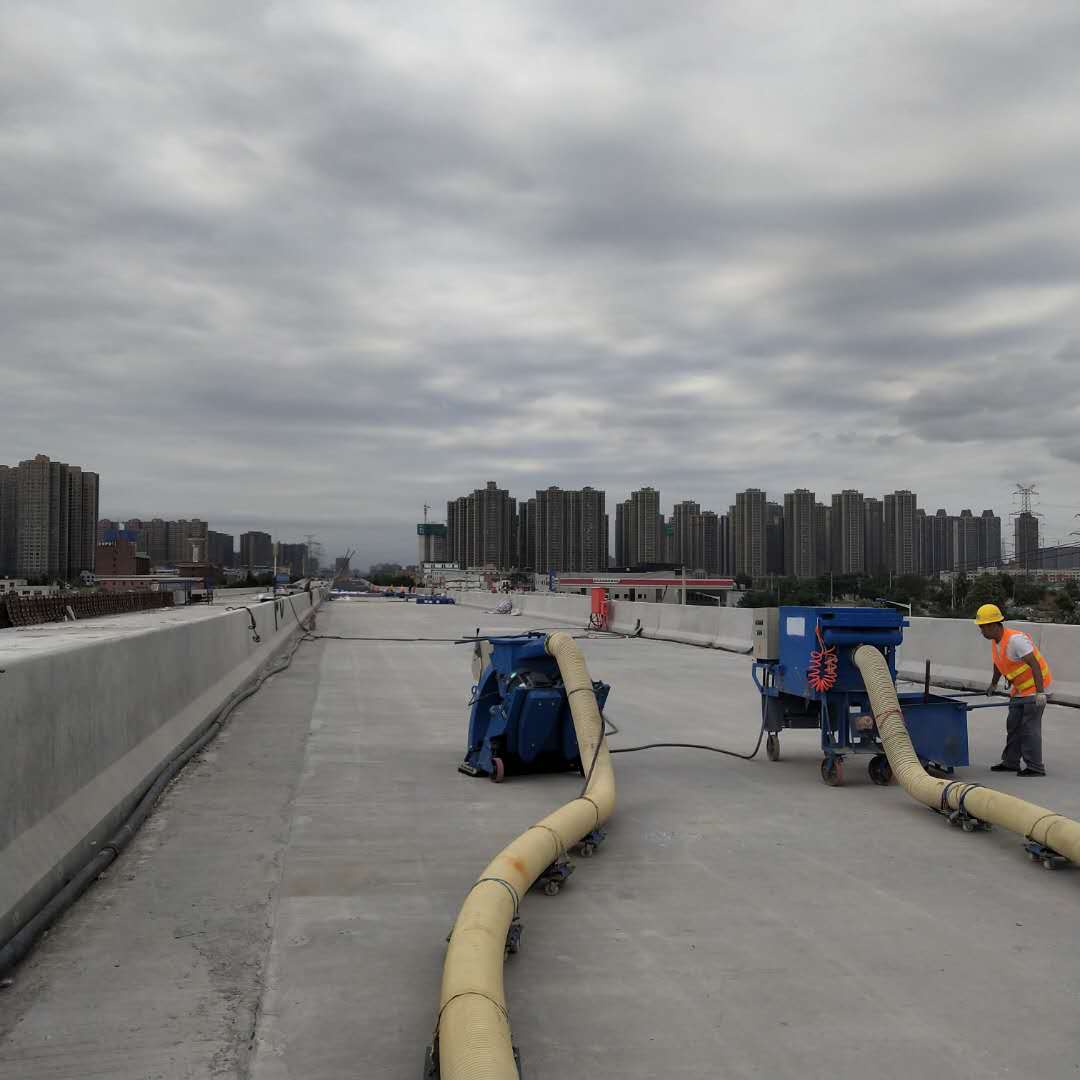
One: Product Features of Spray Fast-setting Rubber Asphalt Construction Equipment:
Due to the liquid being ejected under pressure, it strikes the concrete surface, forming a tight bond, and can penetrate into the concrete capillaries, thereby providing the paint with excellent adhesion.
2. Multiple consecutive coatings can achieve a thicker film in one go, thereby reducing the number of coating applications.
3. Suitable for applying thick-film coatings and coatings with high solid content, which not only saves labor and accelerates project timelines but also reduces environmental pollution.
4. The spray machine is suitable for both single and double coatings, with high utilization rate.
5. Excellent surface quality; one-time film formation, smooth, even, flat, dense coating with no brush marks or particles.
6. Excellent performance with high pressure and strong penetration, enhancing the mechanical bond between the coating and the wall. It effectively addresses issues such as coating bubbles and cracking!
Operation is simple, portable, and low in working noise.
II. Applicability Scope
① Suitable for waterproof coatings in industrial and residential construction, including roof, metal roof, underground, floor, indoor bathrooms, and exterior wall spraying.
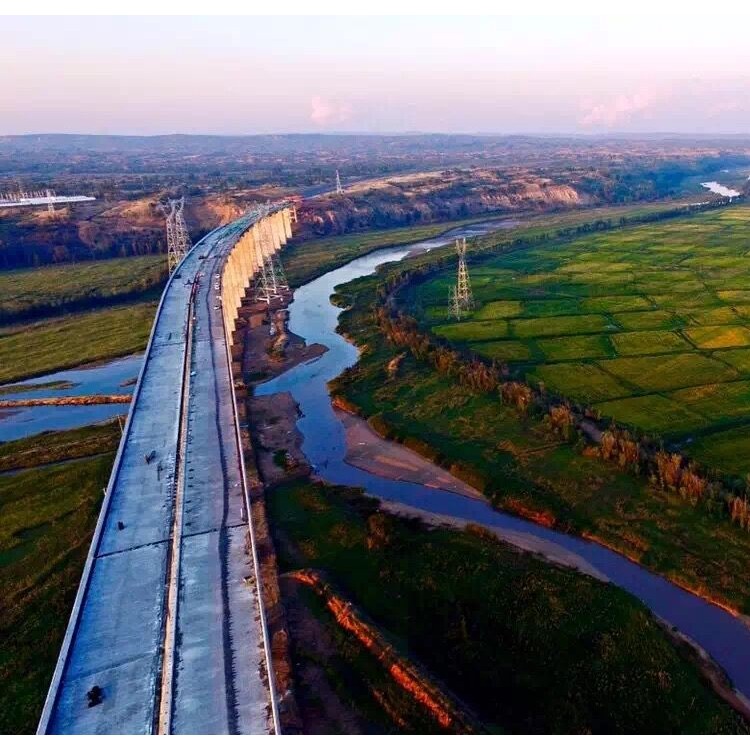
② Waterproofing coatings suitable for subway and high-speed rail construction in municipal engineering, as well as tunnels, highways, bridges, pipeline trenches, fire reservoirs, swimming pools, wastewater treatment plants, and landfill sites.
③ Pipeline and external anti-corrosion coating application for oil industry with fire protection requirements and natural gas tanks.
④ Suitable for anti-corrosion requirements of marine industrial vessels and wharf anti-corrosion protective coating construction.
⑤ Suitable for waterproof spray application in nuclear power industries with environmental requirements.
One-component sprayable, suitable for interior wall coatings, the vast majority of exterior wall coatings, various paints, steel structure paints, colored tile paints, colored steel tile paints, mechanical surfaces, and some fire-resistant coatings are all supported.
III. Spraying Methods
Left-to-right back and forth uniform coating, each coating thickness is determined to meet the finished product requirements, with even thickness.
The latter should be pressed down about 12 cm, ensuring uniform thickness across the entire construction surface.
Speed must not be too slow (slowness can lead to waterlogging and delamination, indicating substandard workmanship).
The spray angle consistently maintains a 90-degree right angle with the spray surface, with uniform parallel spraying at the same height.
When constructing, work from the lower to the higher levels.
During detailed work, avoid overspray as well.
⑺When painting in windy conditions, try to maintain the curing agent in a direction opposite to the wind.
Daily equipment cleaning is mandatory during routine spraying operations. After the spraying work is completed, the equipment must be washed immediately. Otherwise, the paint will naturally slowly harden into lumps, making cleaning extremely difficult. If the equipment is not cleaned for an extended period or is not cleaned thoroughly, the remaining solidified paint can severely affect the normal operation of the equipment and the lifespan of the pump system.
Quick-setting rubber equipment requires diesel for cleaning; rubber equipment cannot be cleaned with water. Spray paint requires thinner for cleaning, while curing agent equipment can be cleaned with plain water.
Section 6: Construction Process
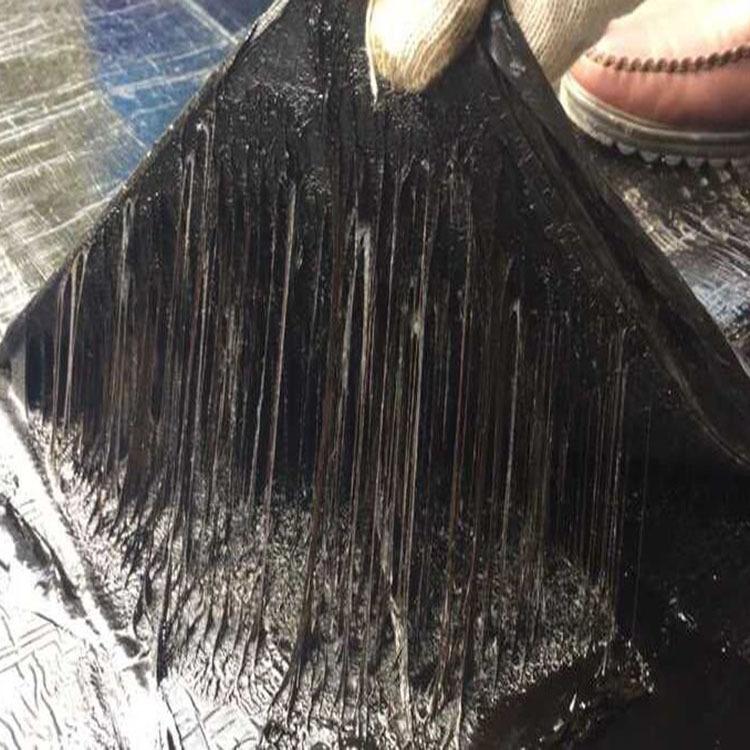
Process Flow: Substrate Inspection → Substrate Cleaning → Detail Treatment → Detail Construction Layer → Large Area Spraying → Quality Inspection → Quality Acceptance (Water Retention Test) → Protective Layer Application.