
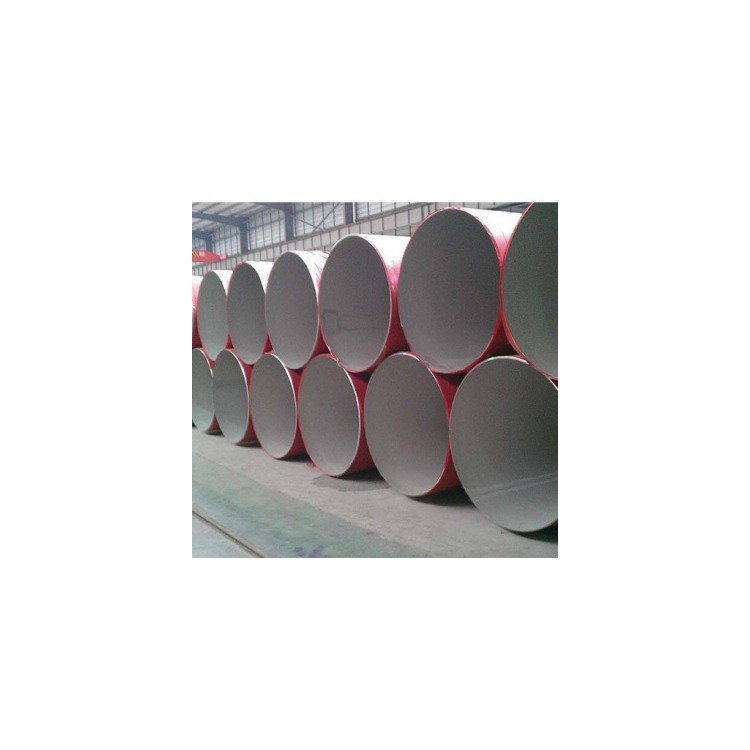
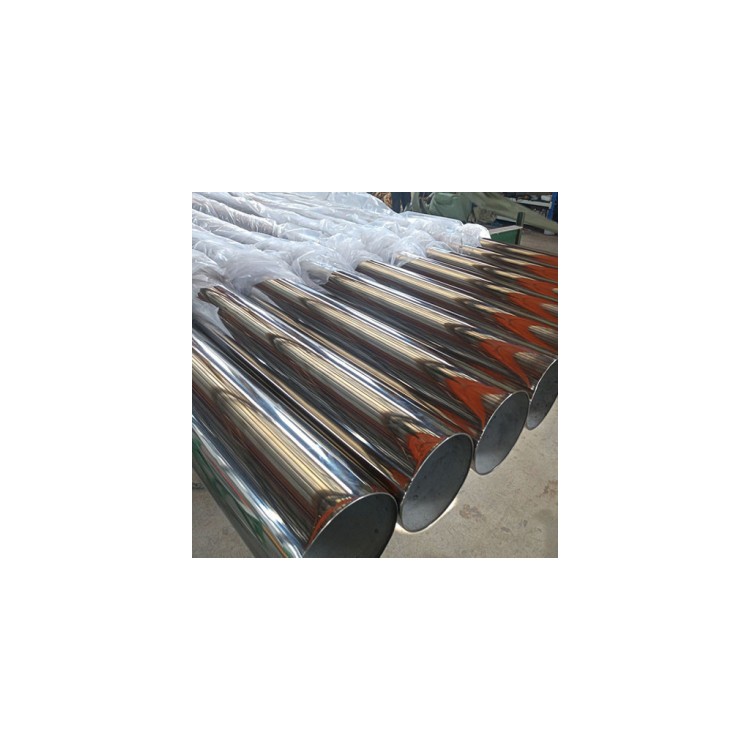
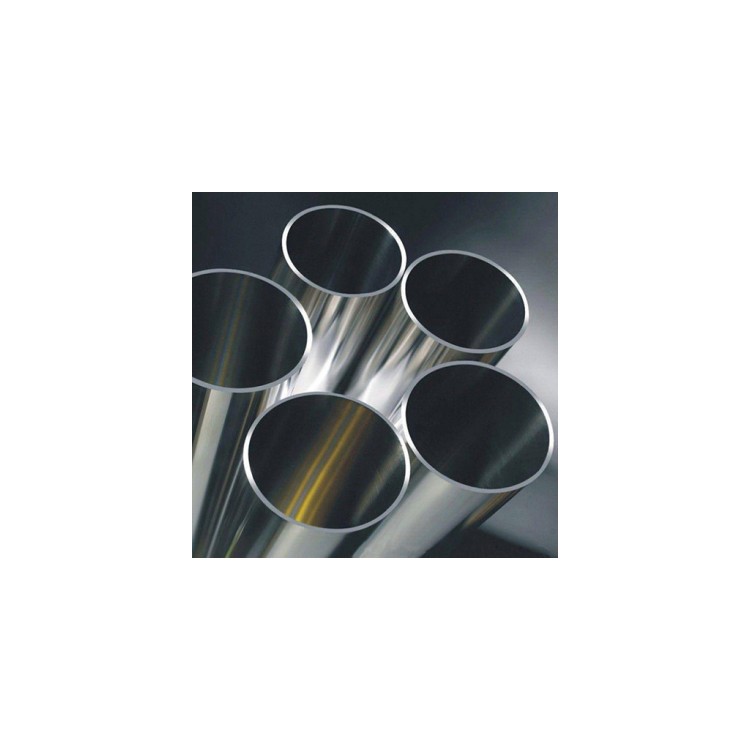











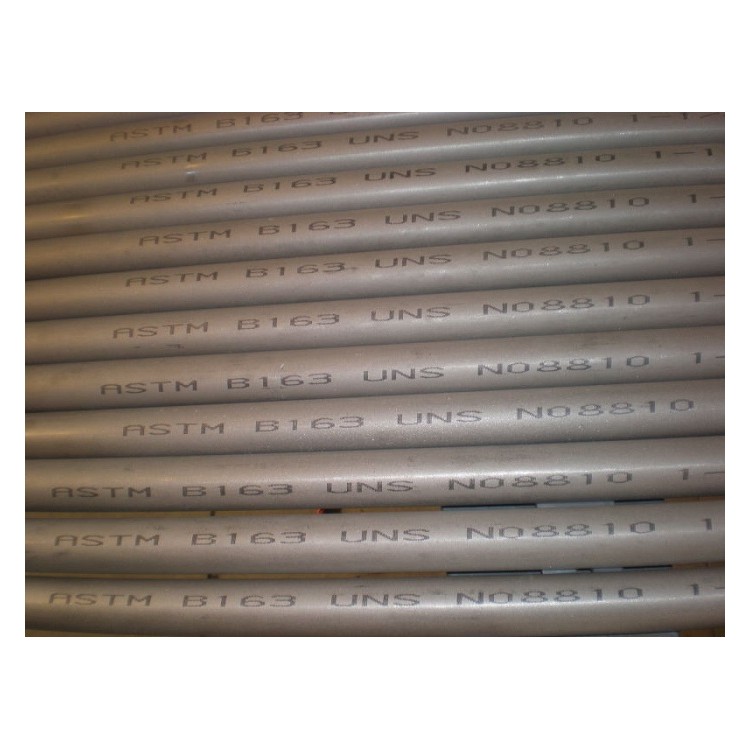
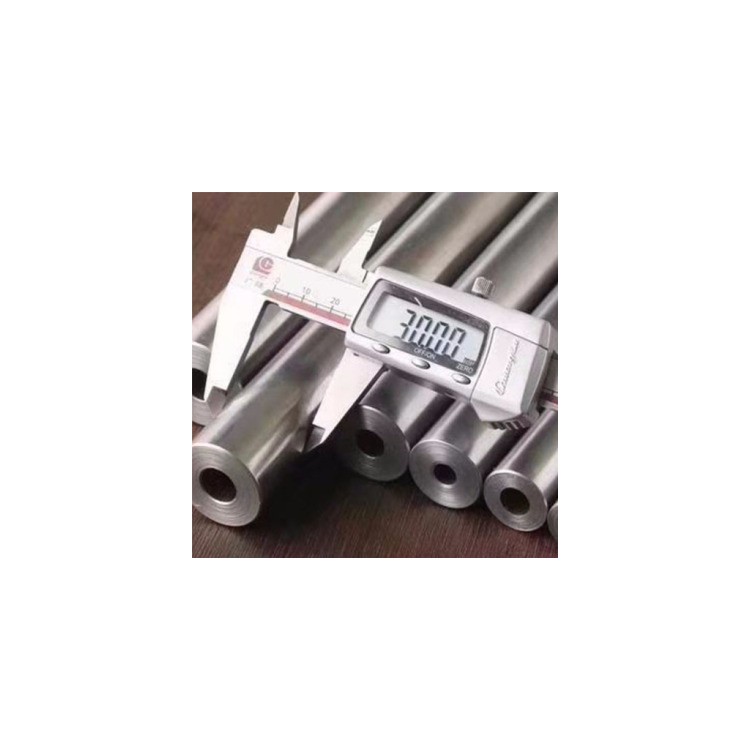
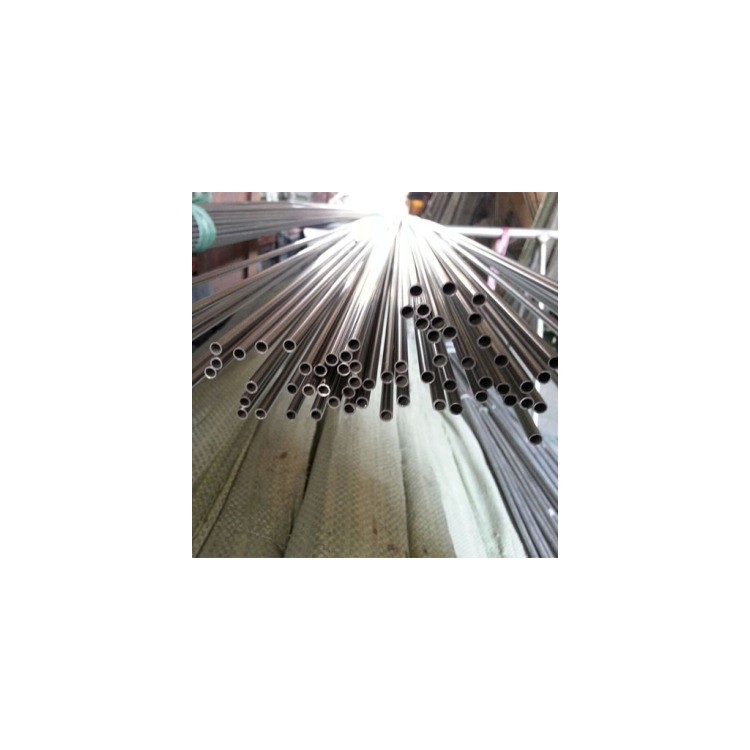
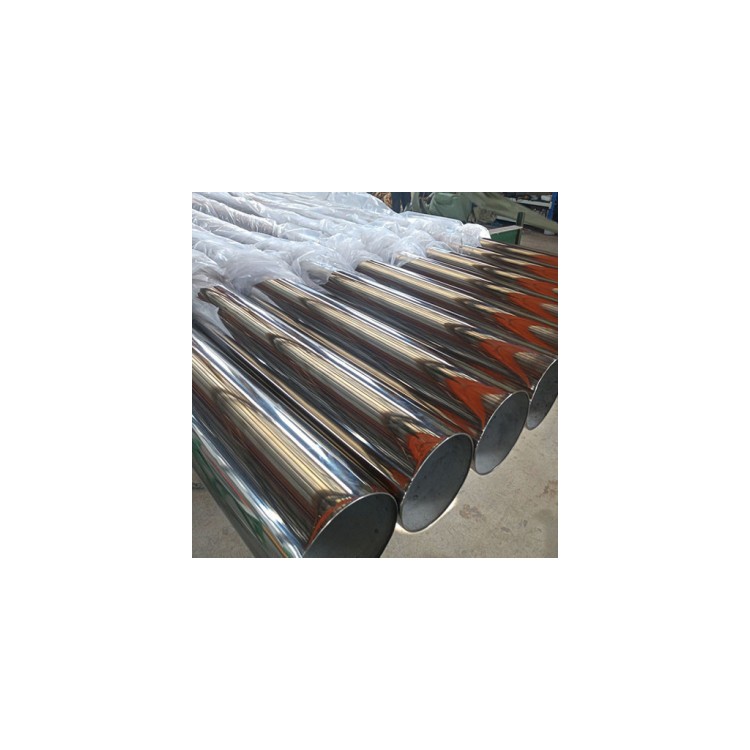
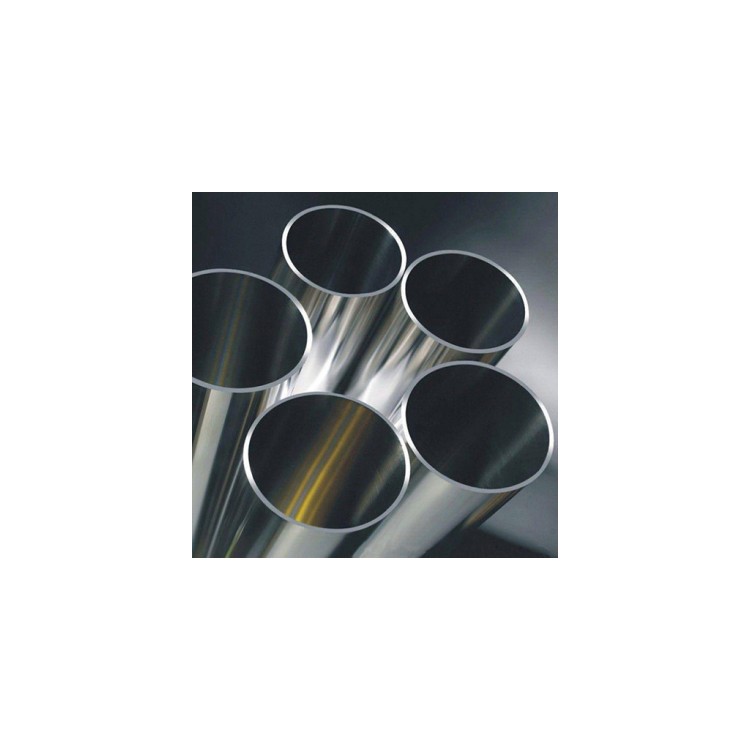
General stainless steel is generally not resistant to chemical medium corrosion, while acid-resistant steel generally has corrosion resistance. The term "stainless steel" does not simply refer to a single type of stainless steel but indicates over a hundred industrial stainless steel grades. Each type of stainless steel developed performs well in its specific application field. The key to success is first to determine the purpose, and then to identify the correct steel grade. The steel types related to architectural and structural applications usually only include six. They all contain 17-22% chromium, with better grades also containing nickel. Adding molybdenum can further...EnhanceAtmospheric corrosivity, particularly resistance to corrosion in chloride-containing atmospheres.
Stainless steel is a shorthand for acid-resistant stainless steel. Steels that resist corrosion from weak mediums such as air, steam, and water, or those with inherent corrosion resistance, are called stainless steel; while steels that can withstand corrosion from chemical mediums (acids, alkalis, salts, etc.) are known as acid-resistant steel. Due to their differences in chemical composition, their corrosion resistance varies; common stainless steel generally does not resist chemical medium corrosion, whereas acid-resistant steel typically possesses corrosion resistance.
WeChat Official Account

Scan to follow Official Account