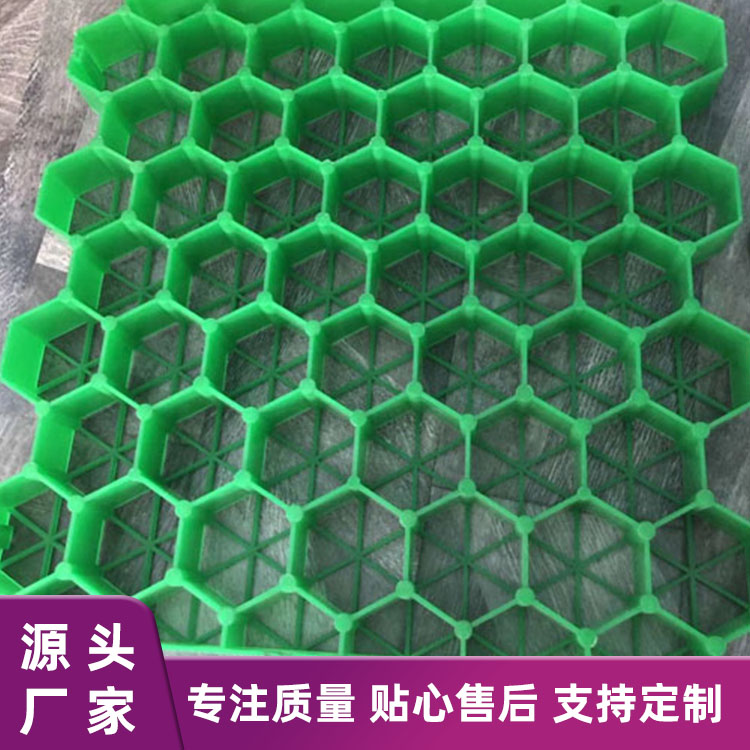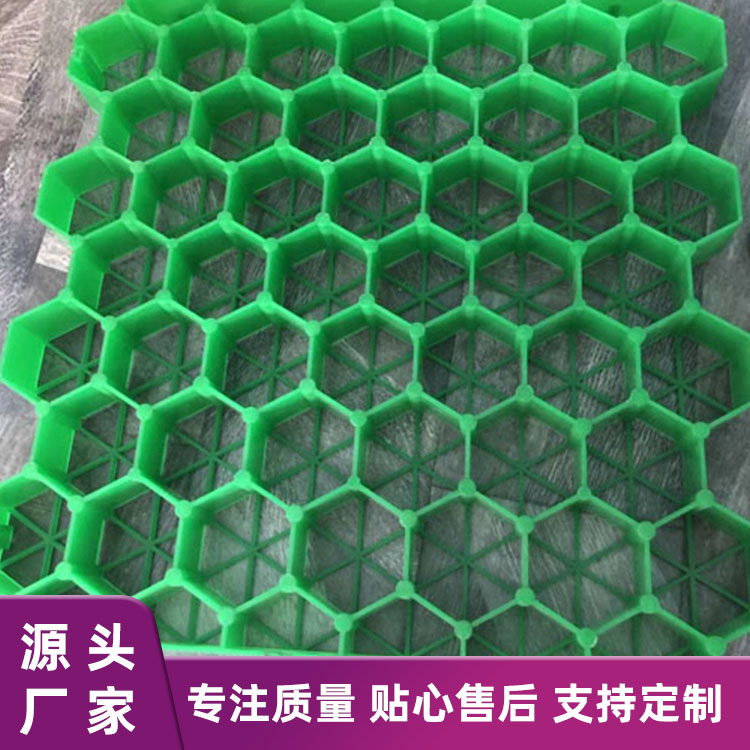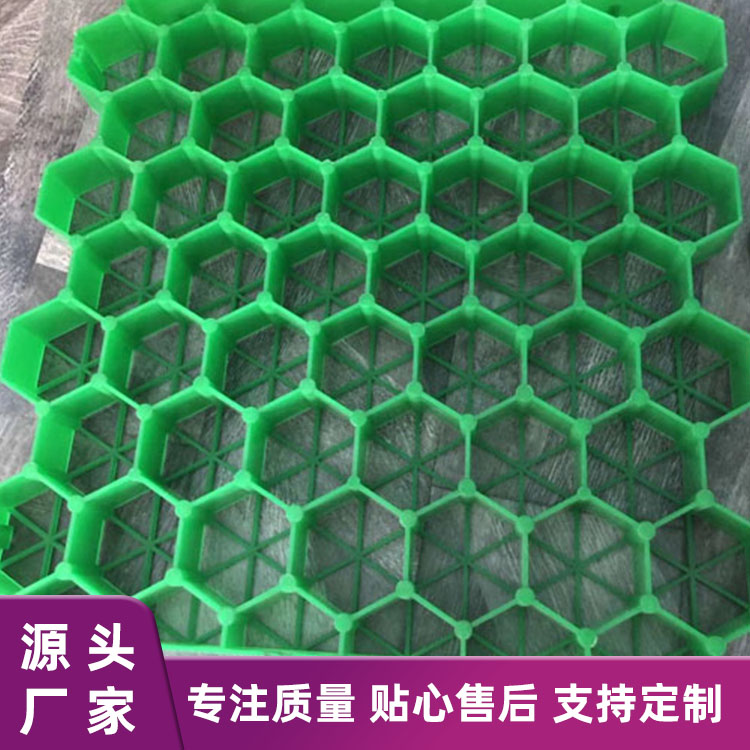

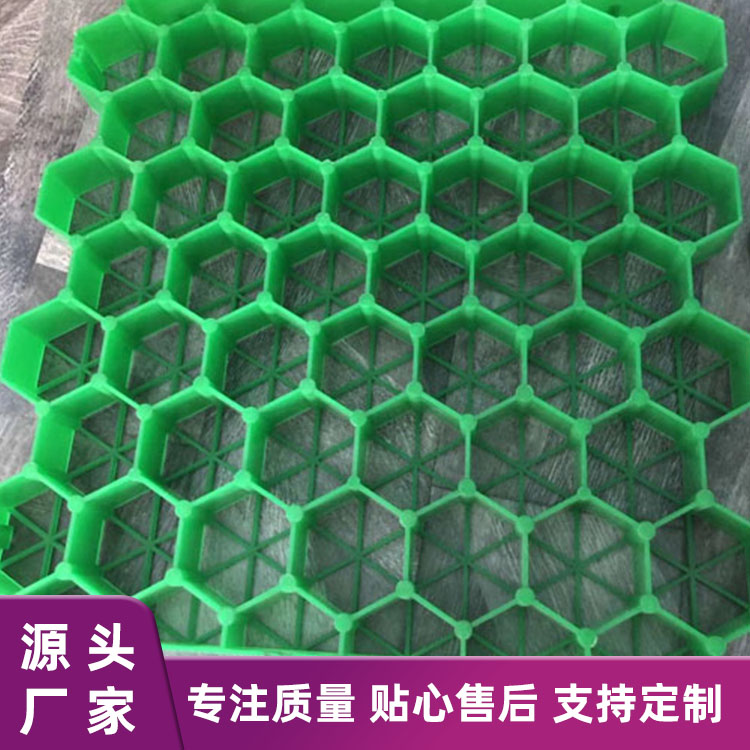
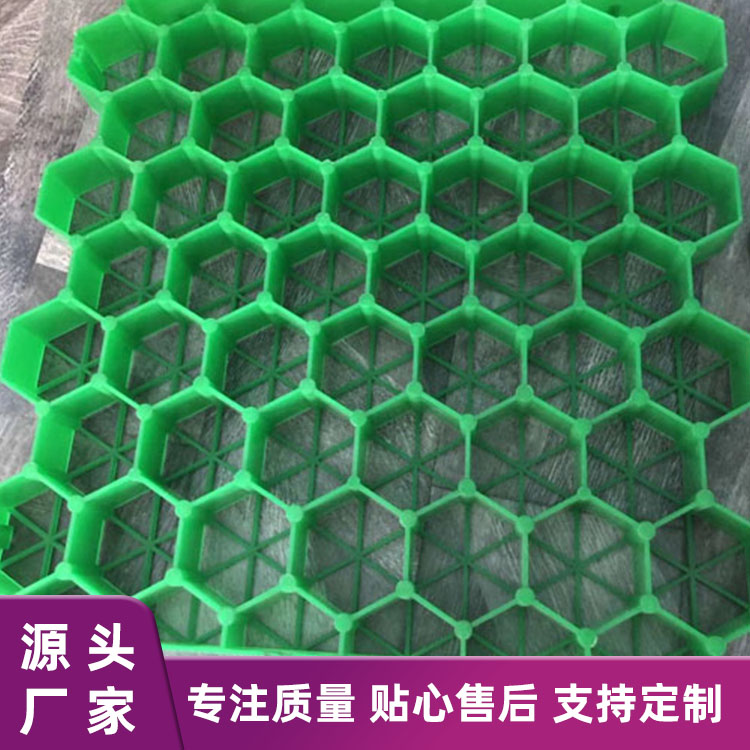
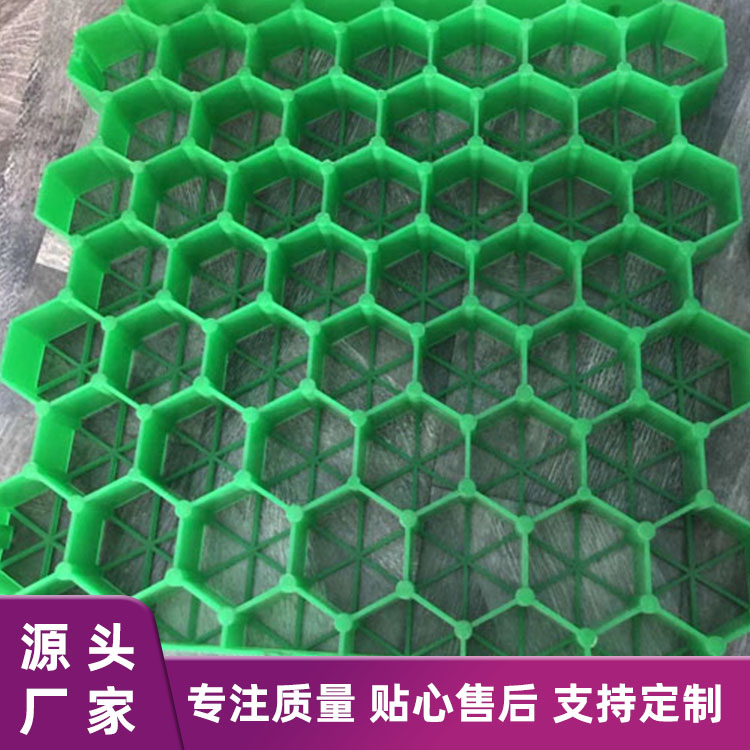








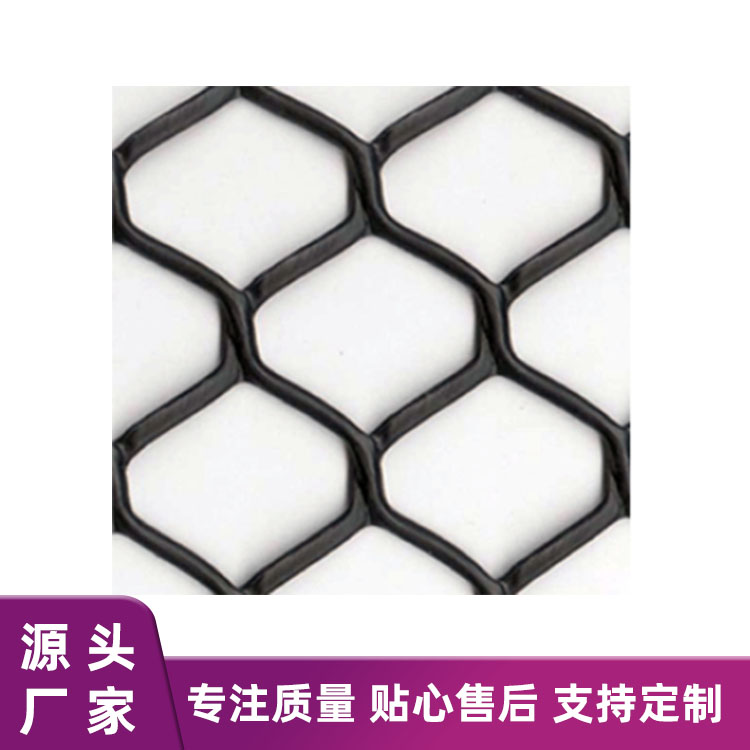


The grass mat is made from modified high molecular weight HDPE, which is fully recyclable; it combines lawn and parking into one, featuring pressure, wear, impact, aging, and corrosion resistance, enhancing quality and saving investment; with a unique flat-push-together joint, it saves labor, is quick to install, and can adjust the expansion joints.
Application Scope
Parking lots, fire lanes, fire access areas, golf cart paths, convention centers, modern factories, upscale residential communities, rooftop gardens, etc.
Basic composition
Many residential communities connect green belts to their roadways, with lawns typically extending to the edge of the road. Many green spaces suffer from severely compacted soil due to lack of management. The introduction of grass pavers has just solved this problem. Moreover, grass pavers are widely used in fire lanes and parking areas, addressing the issue of increasing green spaces while enhancing the ecological environment and safety. Below, we analyze the construction and maintenance experience with grass pavers for peer exchange and reference.
The base composition of grass grid mainly includes the following schemes:
1. Compact Soil + Pumpkin Seed Shells + Gravel + Pumpkin Seed Shells + Geotextile + Mixed Nutrient Soil
2. Compacted Loam + Gravel + Concrete Foundation + Watermelon Seed Shells + Geotextile + Mixed Nutrient Soil
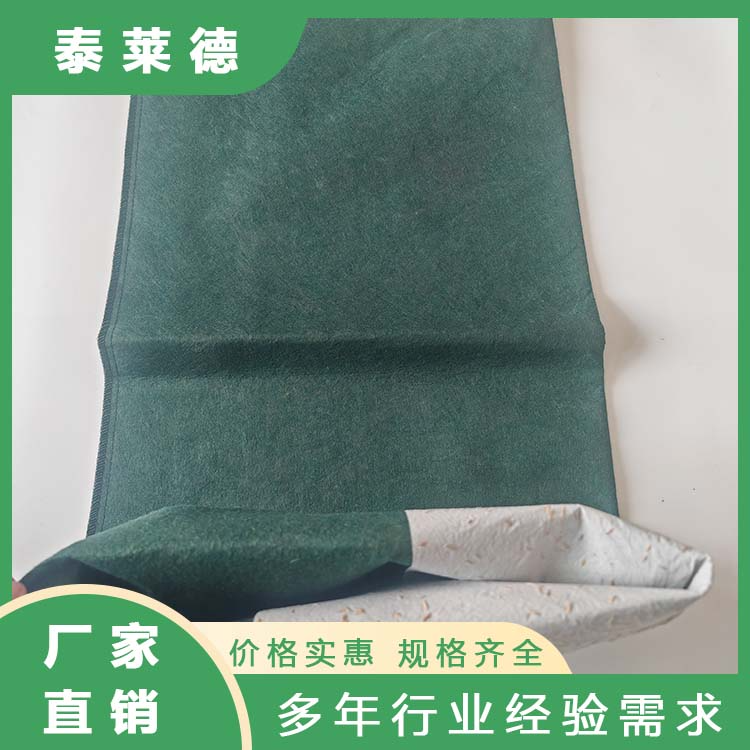
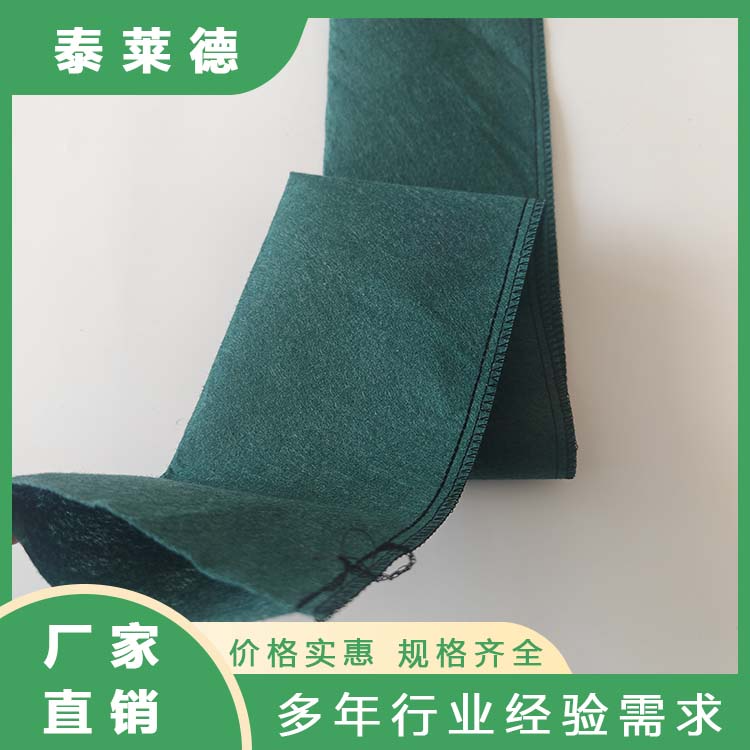
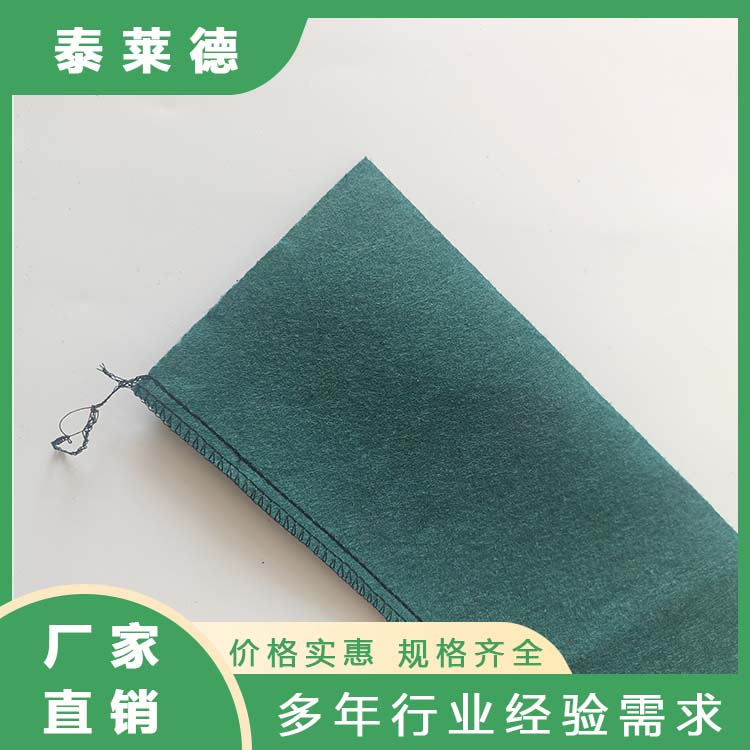
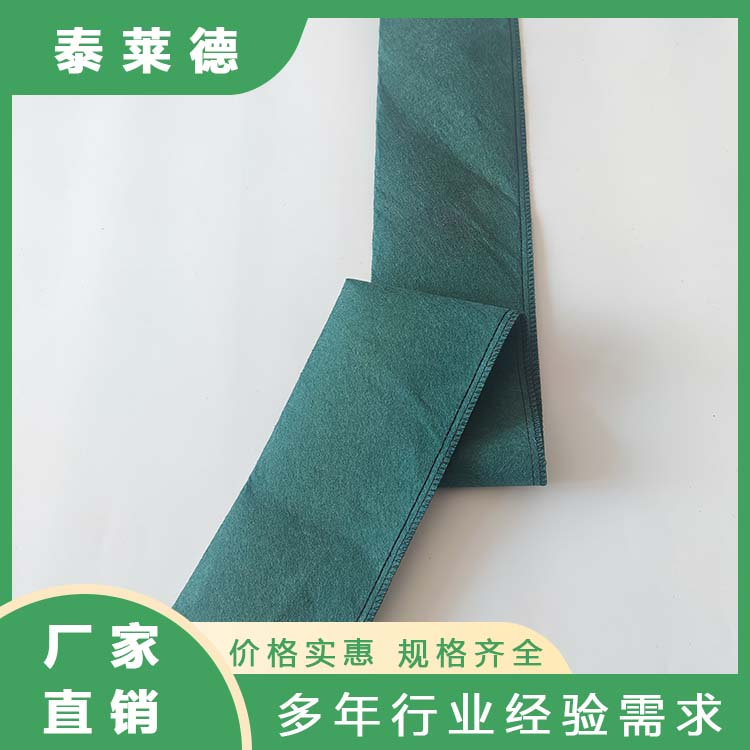
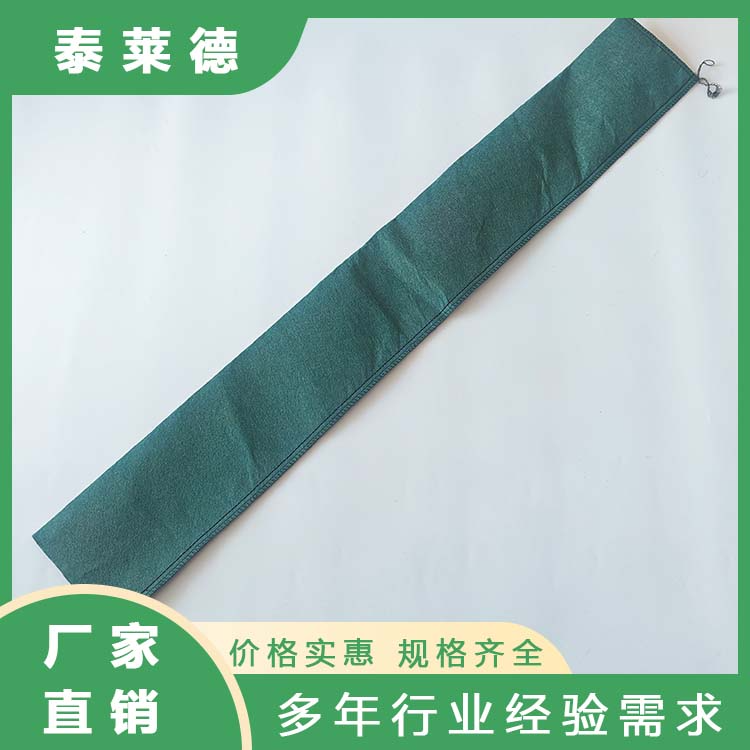
3. Compacted Loam + Gravel + Concrete Foundation + Watermelon Seed Shells + Nonwoven Geotextile + Grass Grid + Mixed Fertilizer Soil
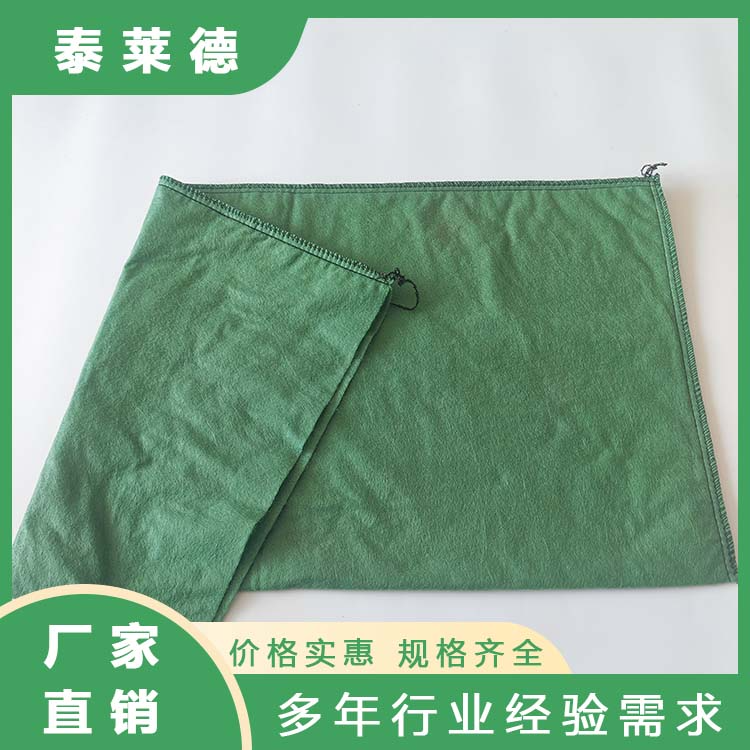
From the analysis of construction cases, we draw the following conclusions: the first scheme ensures smooth drainage, but over time, due to ground load, the ground is prone to collapse; the second scheme, after prolonged use, is susceptible to rainwater erosion, which can cause the loss of nutrient soil, leading to a decrease in the nutrient soil within the grass grid; after technical discussion and combining experience in vertical greening, we advocate for the third scheme, which involves adding a non-woven geotextile layer. This not only prevents nutrient soil loss but also serves as a water conservation measure.
Features Introduction
1. Full Greenery: Grass grids offer over 95% of grass-covered area, achieving complete greenery with sound and dust absorption, significantly enhancing the environment's quality and taste. (Reference: Concrete grass pavers have only 30% voids.)
2. Save on Investment: The grass grid combines parking and greening functions, which can save developers valuable investment in urban areas where land is at a premium.
3. Flat and Complete: The unique and sturdy flat interlocking design of the grass grid creates a smooth, unified surface, preventing localized depressions, and ensures easy installation. (Reference: Each concrete grass paver is independent and requires a concrete base layer to be poured to maintain flatness.)
4. High Strength, Long Life: The grass grid is made of special materials with a patented technology, boasting a compressive strength of 200 tons/square meter, exceeding the required 32 tons/square meter for fire fighting access.
5. Performance stability: UV-resistant, acid and alkali corrosion-resistant, wear and pressure-resistant, with weather resistance from -40℃ to 90℃. (Reference: Concrete grass pavers are prone to cracking and damage during temperature changes and frost.)
6. Excellent Drainage: The gravel bearing layer provides excellent water conductivity, facilitating the drainage of excess precipitation.
7. Turf Protection: The gravel bearing layer offers certain water retention capabilities, benefiting grass growth, with grass roots able to grow into the gravel layer. (Reference: Concrete grass pavers have very limited space, and their temperature can exceed 50 degrees Celsius under summer sun exposure.)
8: Turf grids are safe and stable, recyclable, pollution-free, and protect lawns.
9. Lightweight and cost-saving turf grids at 5 kg per square meter, easy to install, labor-saving, and shorten the construction period. (Reference: Concrete turf pavers at 250 kg per square meter.)
10. Common Sizes: 395mm x 415mm x 36mm, 385mm x 410mm x 46mm, 400mm x 420mm x 66mm
Architectural Features
1. Eco-friendly, non-toxic, non-polluting, shock-resistant, anti-aging, and UV-resistant
2. Excellent wear resistance, corrosion resistance, flame retardancy, and strong turfing function.
3. Reduce ground reflection and ground thermal radiation
4. Reduce ground acoustic transmission to lower noise pollution
5. Dust Reduction & Air Purification
6. Natural rainwater seepage, no soil loss or waterlogging.
7. Natural cycle of water, air, and fertilizer; soil layer remains loose
8. Increase Green Space · Easy to install, lightweight
9. Free to combine and disassemble, reusable
10. Excellent load-bearing performance: capable of supporting over 200T/㎡
Basic processing
Grass grid sub-base treatment for parking spaces
The subsoil should be compacted in layers, with a density reaching over 85%; for soft-plastic to plastic-like silt layers, it is recommended to dump boulders and roll them to achieve compactness.
2. Install a 150mm thick sand and stone cushion layer. The specific method is to mix and blend medium-coarse sand (10%), 20-40mm gravel (60%), and clay (30%) evenly, then spread and compact it to ensure compactness.
3. Set a stable layer 60mm thick (also serves as the cultivation layer). The method for the stable layer is: 25% of stone chips with particle size of 10-30mm, 15% medium-fine river sand, 60% cultivated soil, mixed with an appropriate amount of organic fertilizer, evenly mixed, spread on the sandstone bedding, compacted, and it can then be used as the base for the grass grid.
4. Scatter a small amount of organic fertilizer at the base, then manually lay the grass grid. The shape and size of the grass grid are designed according to the parking space modular dimensions, typically requiring no cutting during installation; however, if the parking space has special shape requirements or there's a manhole cover, the grass grid can be cut to fit various shapes.
5. Sprinkle the planting soil into the concave planting grooves of the grass grid and evenly sweep it into the holes using a broom. The soil layer should be 5-10mm lower than the grass grid surface.
6. Lay sod or sow seeds over the grass grid soil layer. When laying sod, press it firmly onto the soil. Water and maintain until the grass takes root, then you can park.
Grass paver base treatment for fire lanes
Grass pavers should be laid on the fire lane, with the compaction of the subsoil meeting the design requirements of a standard concrete fire lane.
2. The design requirements for the gravel base and stone dust stabilization layer of fire lanes are the same as those for ordinary concrete fire lanes.
3. Construct an 80mm thick planting soil layer on the stone powder stabilization layer. The soil mixture consists of 30% stone chips with particle sizes of 10-30mm, 15% medium grain river sand, and 55% cultivated soil, mixed with an appropriate amount of organic fertilizer. After thorough mixing, spread it evenly on the compacted stone powder stabilization layer, then compact it to serve as the base for the grass grid.
4. Install geogrids and grassing on the base geogrid layer.
5. Note: If the fire lane is used as the main passage for vehicles on a daily basis, due to frequent traffic and high speeds, this can be detrimental to the use of grass pavers and the normal growth of the turf, rather than enhancing greenery.