










Drainage board
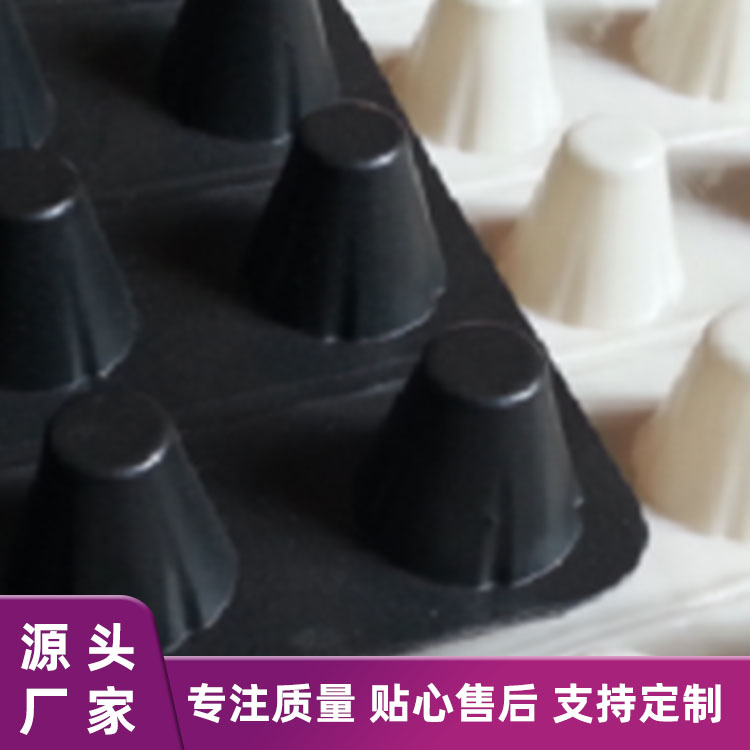
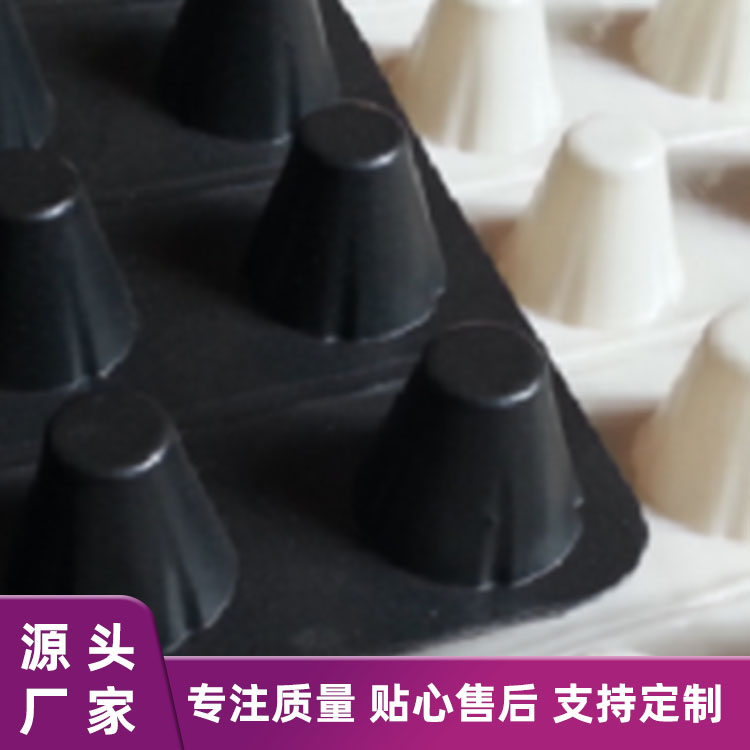
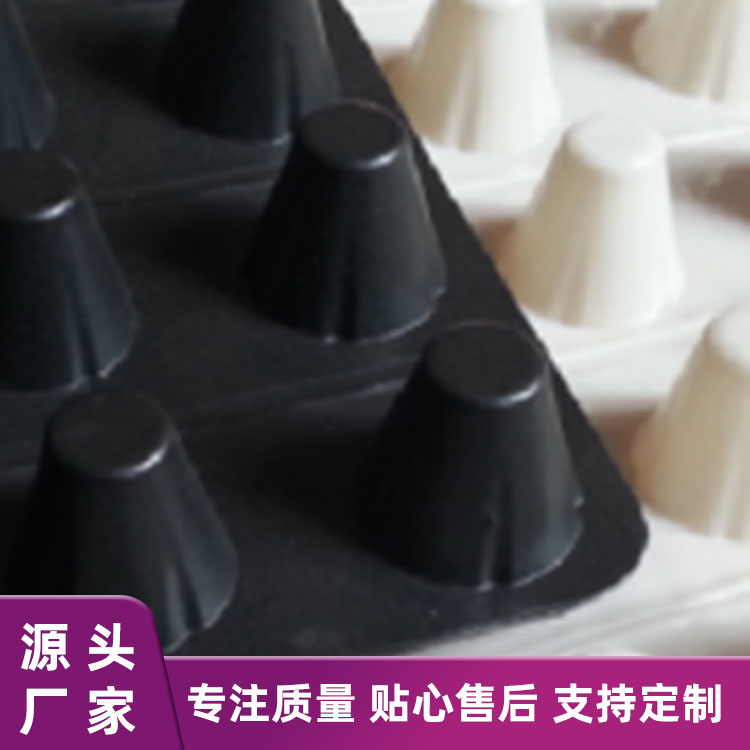
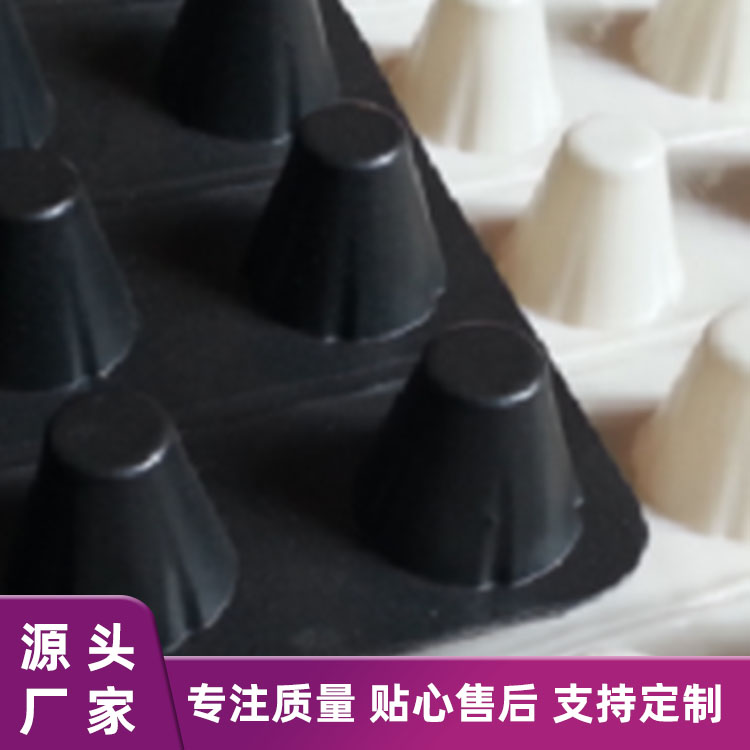
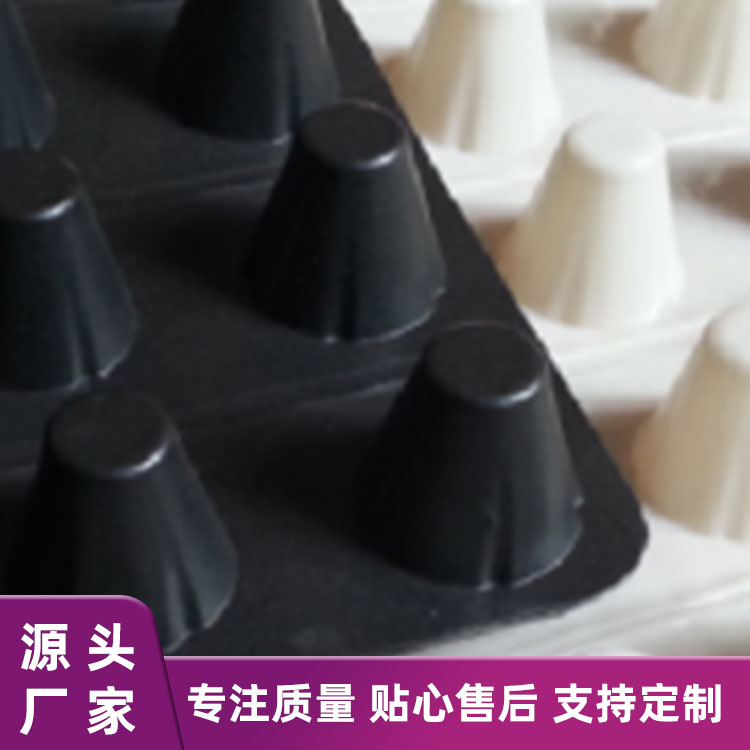
The drainage board is made by stamping a polyethylene (HDPE) plastic base into conical bosses or reinforced ribs (or hollow cylindrical porous) protrusions.
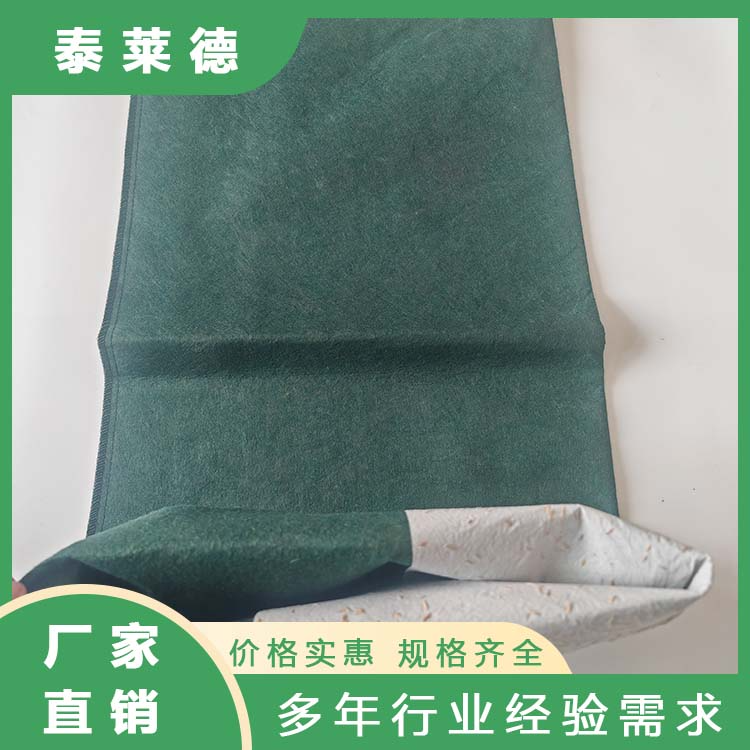
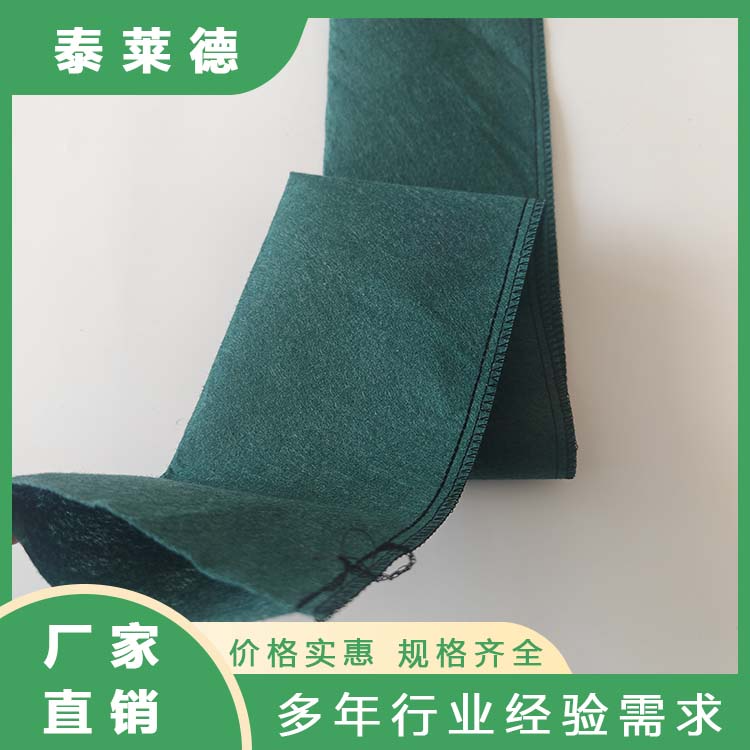
The top surface of the conical boss is bonded with a layer of filter geotextile to prevent soil particles from passing through, thereby ensuring smooth drainage through the channels. Traditional drainage methods use bricks, tiles, and stones as the filter layer, along with a large amount of cobblestone or gravel as the water filter layer, draining water to a designated location. Replacing the cobblestone filter layer with a drainage board for drainage saves time and effort, conserves energy, reduces investment, and also lowers the load on the building.
A well-designed drainage system plays a crucial role in the construction timeline of civil engineering projects and in the normal use and lifespan of structures. The drainage board, in combination with porous drainage pipes, forms an effective drainage and water dispersal system. The cylindrical hollow drainage board, together with geotextile, also constitutes a drainage system, thereby creating a system with functions for water seepage, storage, and drainage.
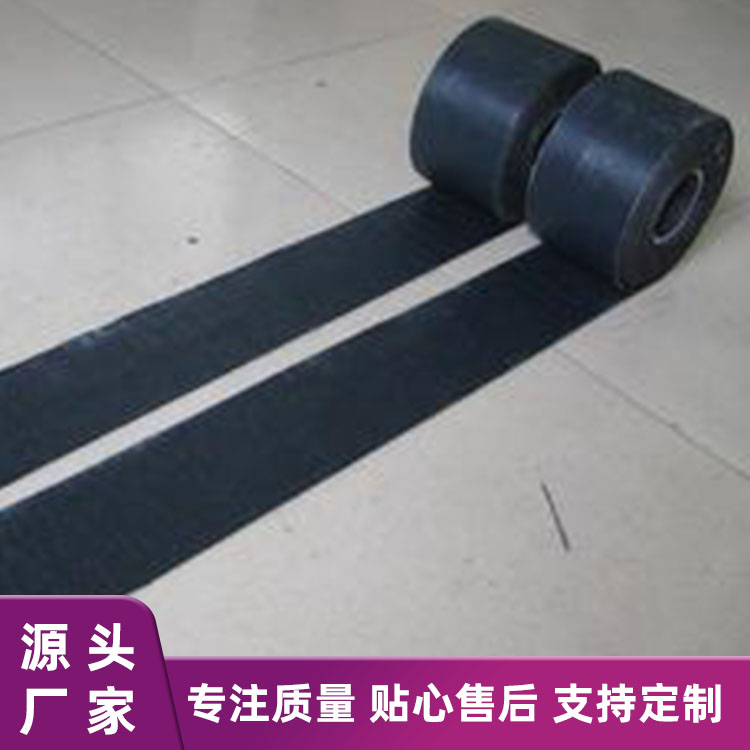
Drainage boards are available in two series: rolled and sheet materials. The rolled types are further categorized into "hot melt," "butt joint," and "self-adhesive" variants. They are shaped using a special process to press plastic sheets into closed, convex columnar shells, creating a concave-convex membrane. The shells are continuous, with a three-dimensional structure and a certain height of support. During production, the edges are bonded with butyl rubber strips. The top of the shell is covered with geotextile filter layers, which are used for water infiltration, drainage, and water retention. Also known as: self-adhesive PE drainage boards, drainage and drainage boards, drainage protection boards, filter water boards, plastic concave-convex drainage boards, and plastic sandwich boards.
Primary Categories
Commonly used drainage boards in construction include: self-adhesive PE drainage boards, plastic drainage boards, storage drainage boards, rolled drainage boards, and waterproof drainage boards.
Water-permeable drainage boards, composite drainage boards, three-dimensional drainage boards, sheet drainage boards, etc.
Primary Functions:
1. The hollow rib structure with convex and concave shapes for waterproof and drainage protection boards efficiently channels away rainwater, significantly reducing or even eliminating the static water pressure on the waterproofing layer. By utilizing this active water drainage principle, it achieves active waterproofing effects.
2. Waterproof High-Density Polyethylene (HDPE) moisture-proof and water-resistant board material is inherently a great waterproofing material. By utilizing reliable connection methods, moisture-proof and water-resistant boards become excellent auxiliary waterproofing materials.
3. The waterproof and drainage protection board effectively safeguards structures and waterproof layers, as well as resists various acids, alkalis, and root thorns in the soil. During the backfilling of the underground exterior wall, it protects the building and waterproof layer from damage.
4. Soundproofing, ventilation, and moisture-proof function:
Laboratory data shows that the HDPE waterproof and drainage protective board can effectively reduce indoor noise by 14 decibels at 500 Hz, offering significant noise reduction and sound insulation properties. When used on the ground or walls, the waterproof and drainage board also provides excellent ventilation and moisture-proof functions.
Plastic drainage boards are made by stamping polyethylene (HDPE) plastic base plates into conical bosses or reinforced ribs (or hollow cylindrical porous shapes). Through continuous innovation and research, the material has undergone significant improvements and changes, and is now produced using polyvinyl chloride (PVC). This results in greatly enhanced compressive strength and overall flatness. The widths range from 1 to 3 meters, and the lengths are from 4 to 10 meters or more.
The top surface of the conical boss is bonded with a layer of filter geotextile to prevent soil particles from passing through, thereby ensuring smooth drainage through the channels. Traditional drainage methods use bricks, tiles, and stones as the filter layer, and a large amount of cobblestone or gravel as the water filter layer, draining water to a designated location. However, using drainage boards instead of cobblestone filter layers for drainage saves time and effort, conserves energy, reduces investment, and also lowers the load on the building.
(1) Water and drainage permeability
A hollow rib structure with convex and concave shapes featuring waterproof and drainage protection boards, which can quickly and effectively drain rainwater, significantly reducing or even eliminating the static water pressure on the waterproofing layer. Through this active water diversion principle, it achieves an active waterproofing effect.
Waterproof Performance: The HDPE waterproof and drainage protective board material itself is an excellent waterproofing material. By utilizing reliable connection methods, the waterproof and drainage board becomes an excellent auxiliary waterproofing material.
(2) Protective Measures
Waterproof and drainage protection boards effectively safeguard structures and waterproof layers, as well as resist various acids, alkalis, and root thorns in the soil. During backfilling around the underground building's exterior walls, they protect the structure and waterproofing from damage.
Soundproofing and ventilation with moisture-proof function:
Laboratory data shows that polyethylene (HDPE) and polyvinyl chloride (PVC) waterproof and drainage protection boards can effectively reduce indoor noise by 14 decibels at 500 Hz, offering significant noise reduction and soundproofing capabilities. The waterproof and water-conducting boards also provide excellent ventilation and moisture-proof functions when used on the ground or walls.
Application Range:
Greening Projects: Garage Roof Greening, Rooftop Gardens, Vertical Greening, Sloped Roof Greening, Football Fields, Golf Courses.
Municipal Engineering: airports, road subgrades, subways, tunnels, landfill sites.
Building Construction: Upper and lower floors, interior and exterior walls, floor slabs, and roof decks of buildings, as well as waterproofing and insulation layers for roofs.
Hydrological Engineering: Reservoir Seepage Control, Storage Ponds, Artificial Lake Seepage Prevention.