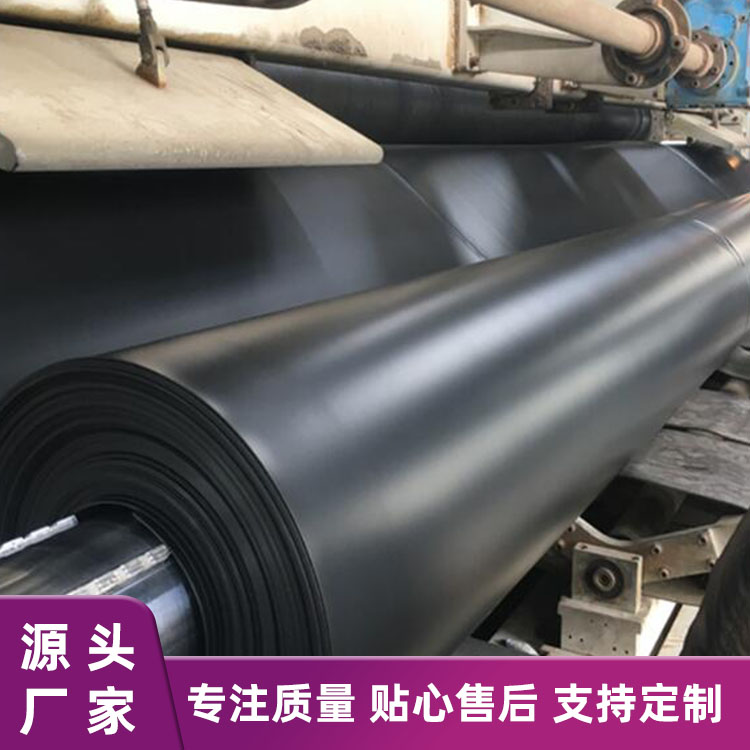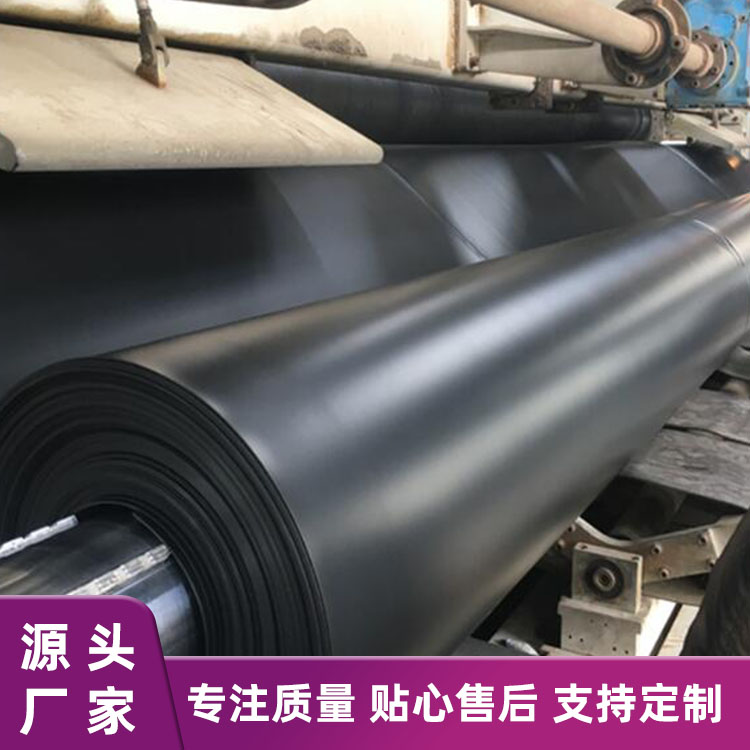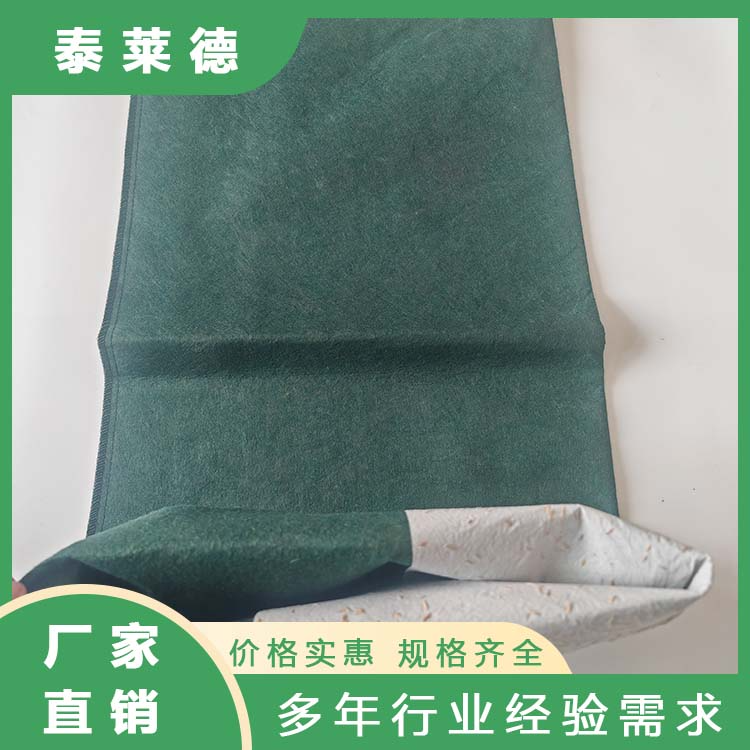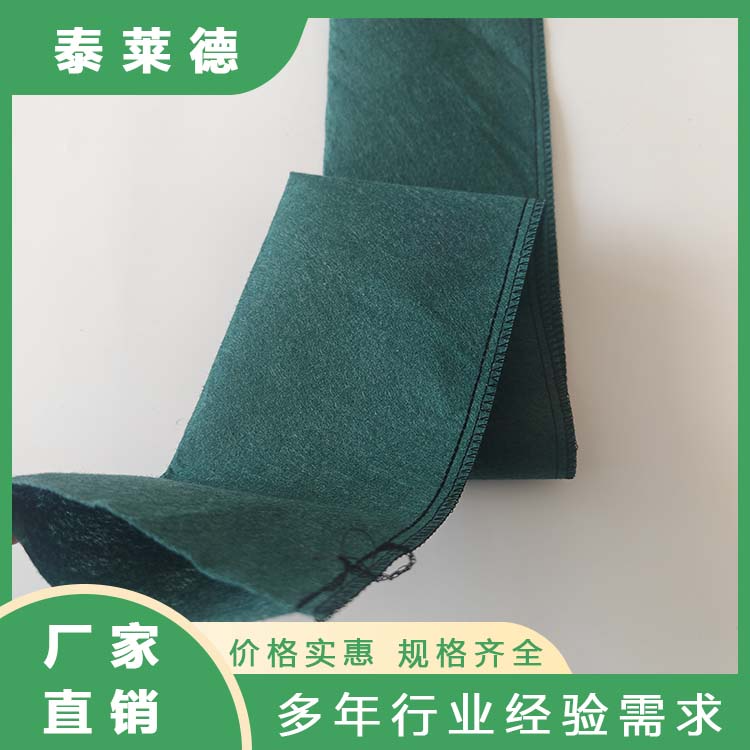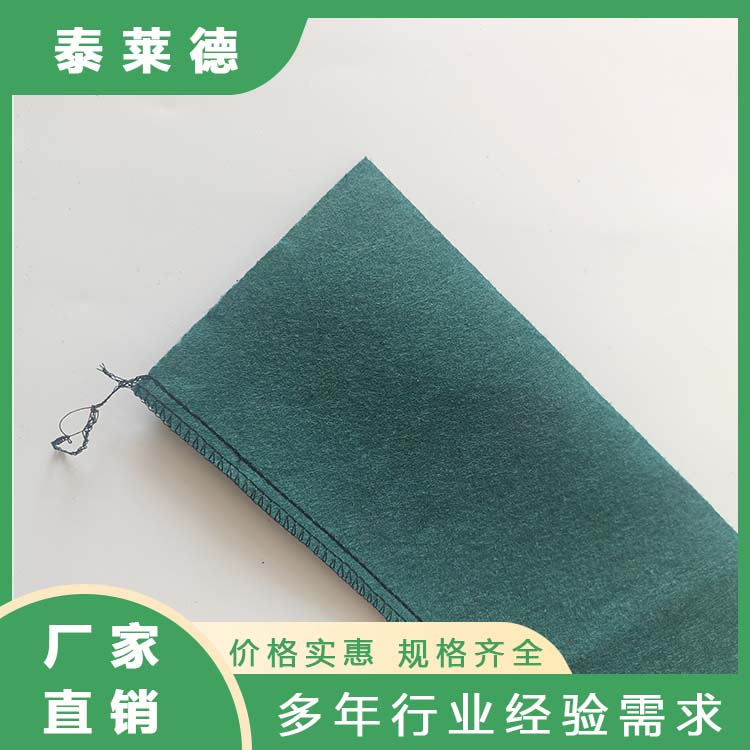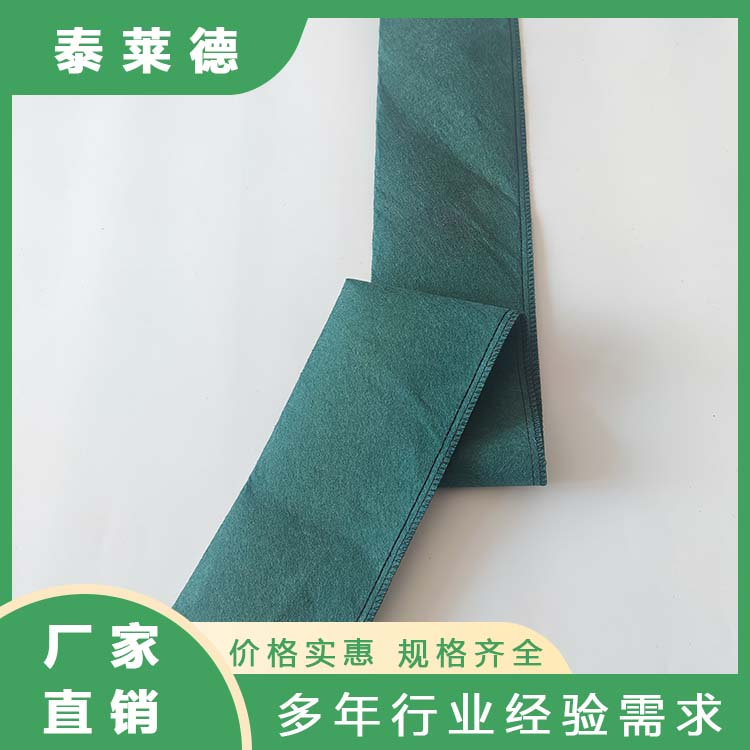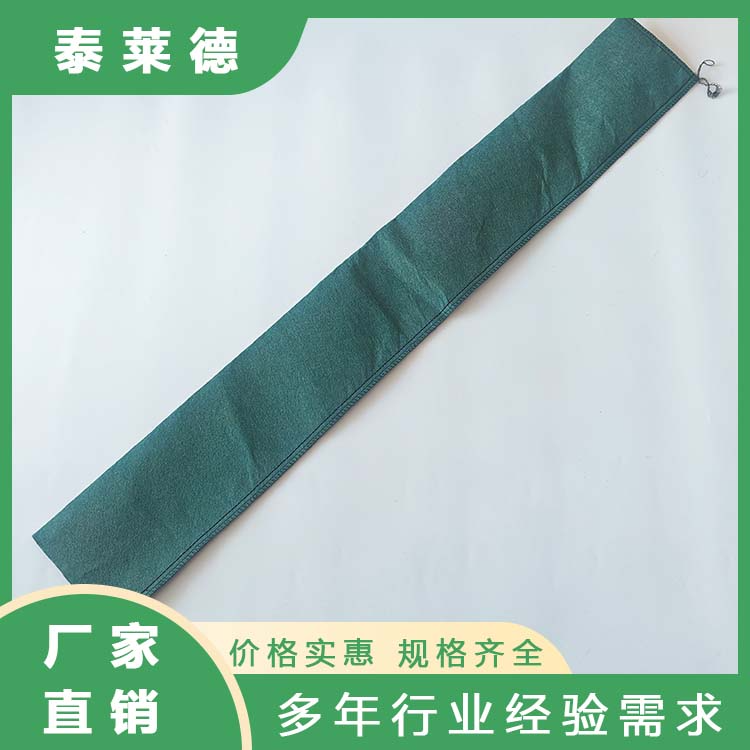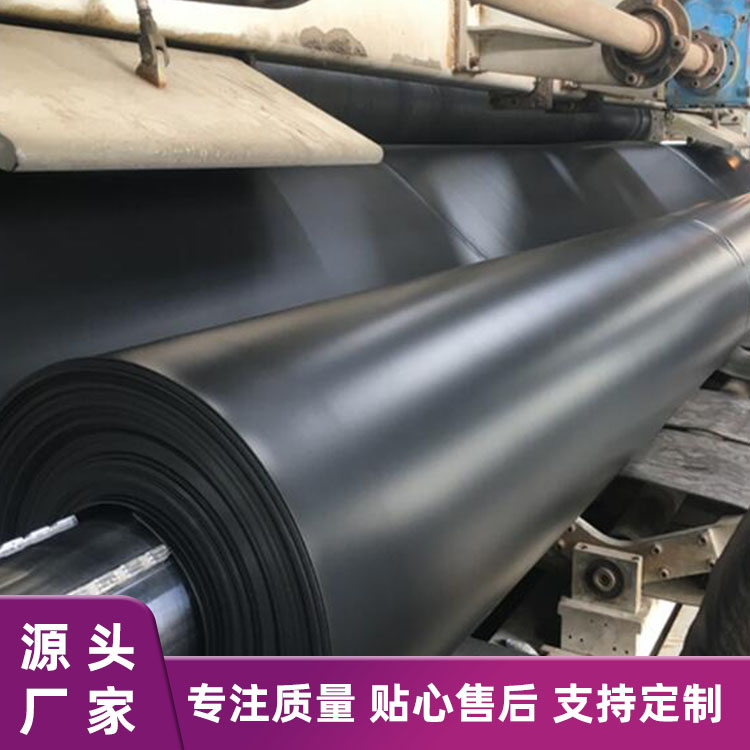

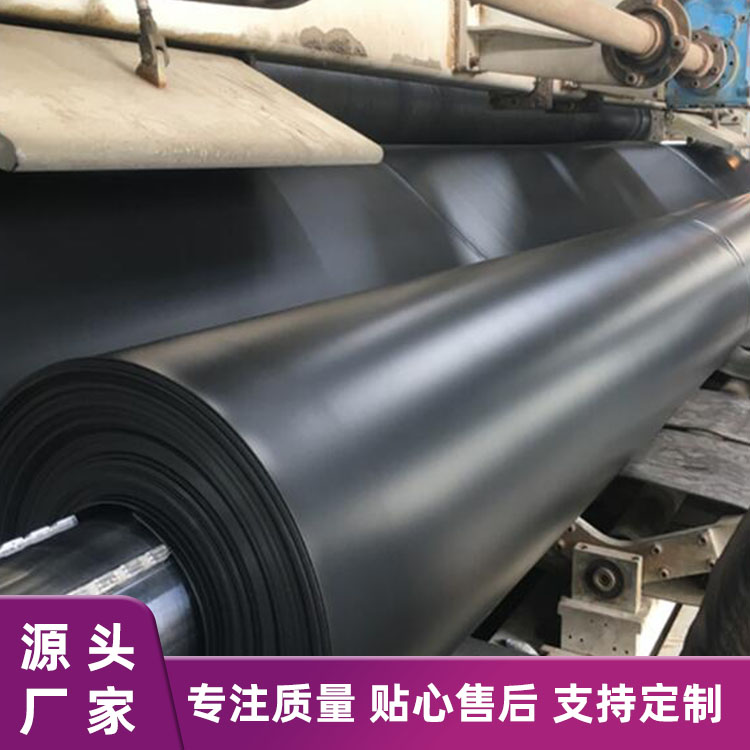

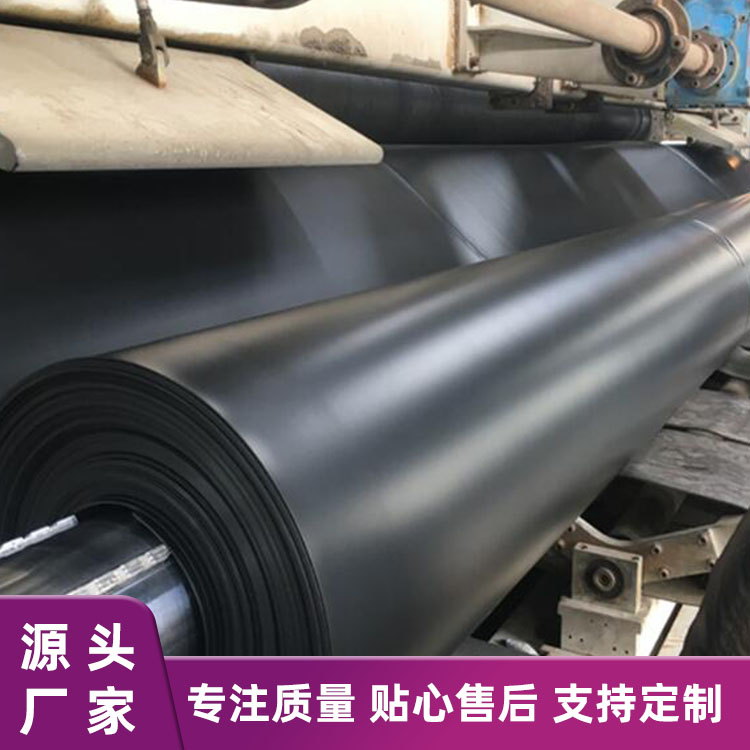


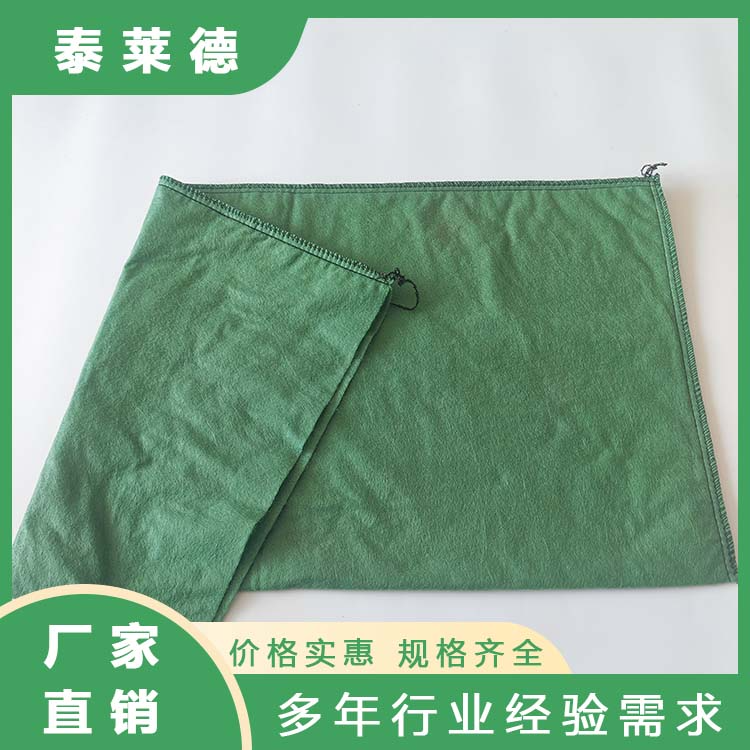
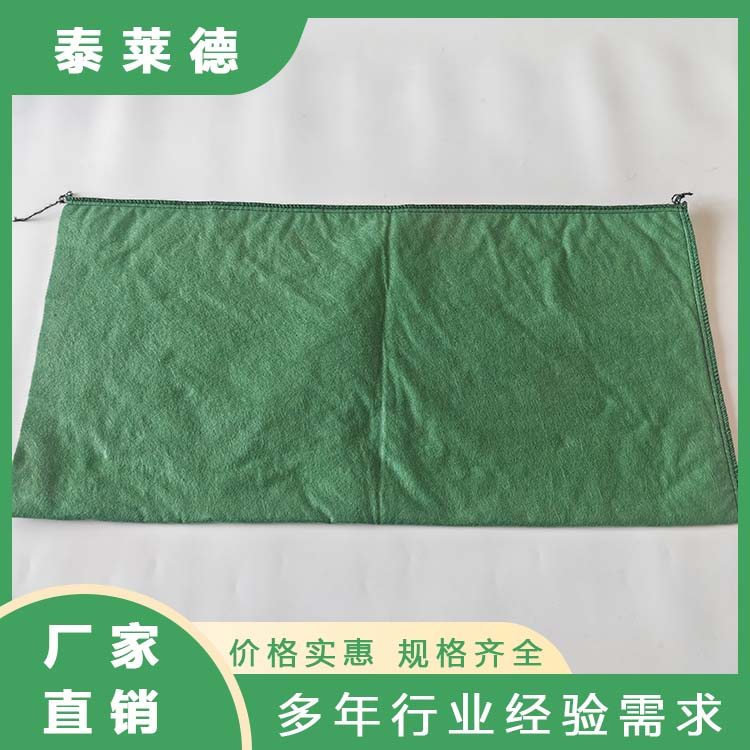
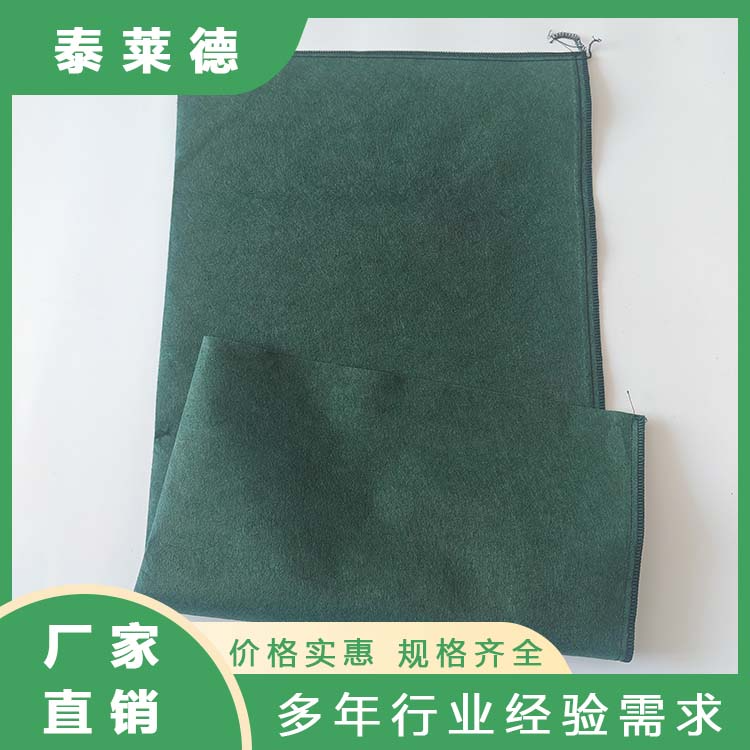
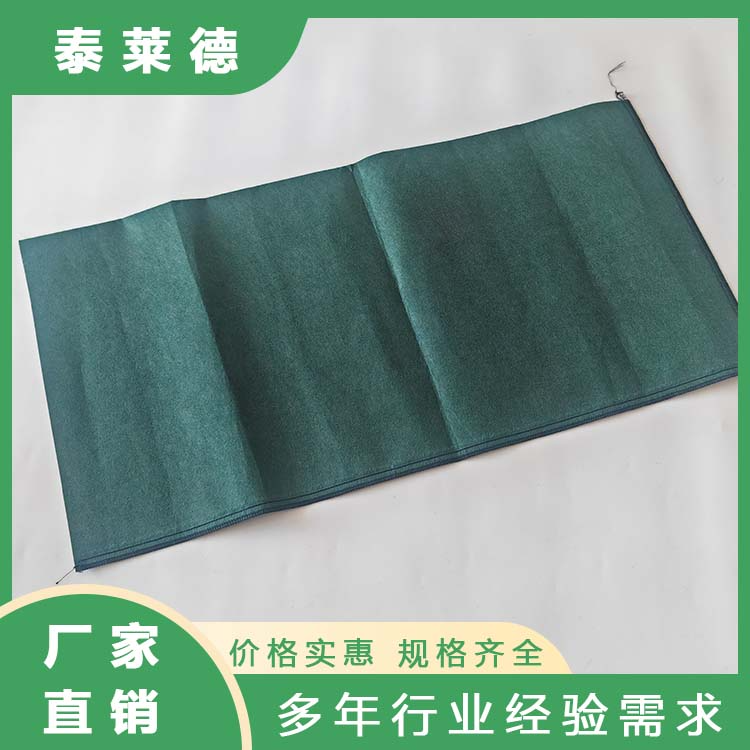
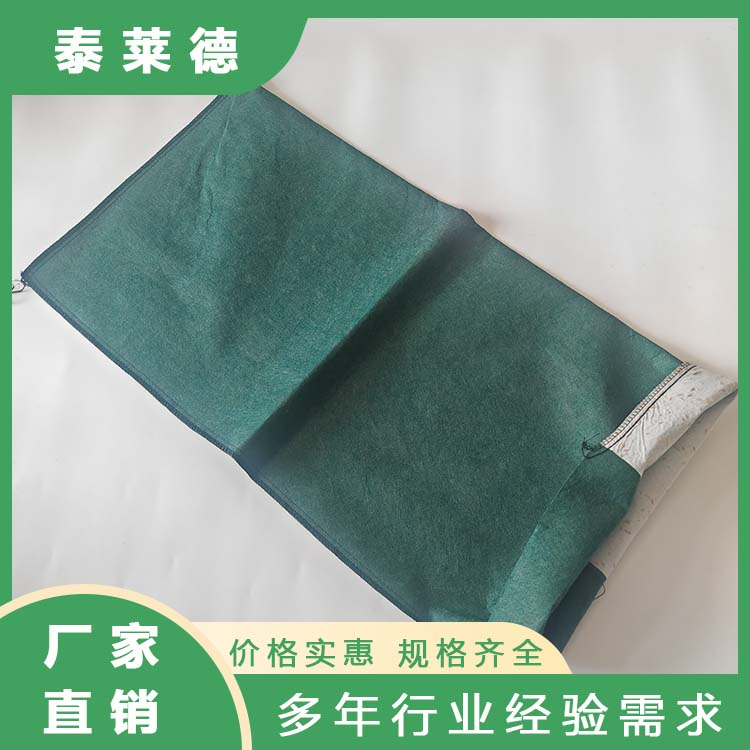








Geotextile membranes, made by laminating plastic film as the basic waterproofing material with non-woven fabric, rely mainly on the waterproofing properties of the plastic film. Plastic films used for waterproofing applications both domestically and internationally include polyvinyl chloride (PVC), polyethylene (PE), and EVA (ethylene/vinyl acetate copolymer). In tunnel applications, ECB (ethylene acetic vinyl modified asphalt composite geotextile membrane) is also designed for use. These are high-molecular-weight, flexible chemical materials with low density, high extensibility, high adaptability to deformation, corrosion resistance,低温 resistance, and good anti-freezing properties.
Introduction
Geotextile membrane is a waterproof and barrier material made primarily from high molecular polymer.
Primarily categorized into: Low-Density Polyethylene (LDPE) Geomembrane, High-Density Polyethylene (HDPE) Geomembrane, and EVA Geomembrane
Width and thickness specifications are comprehensive.
2. Excellent resistance to environmental stress cracking and outstanding chemical corrosion resistance.
3. Excellent chemical corrosion resistance.
4. Wide operating temperature range and long service life.
5. Used in landfill sites, tailings storage facilities, channel lining, embankment lining, and subway engineering, etc. [1]
Mechanism
The primary mechanism involves using a plastic film's impermeability to block leakage pathways in earth dams, relying on its high tensile strength and elongation to withstand water pressure and accommodate dam deformation. Non-woven fabric, also a high molecular weight short fiber chemical material, is formed through needle-punching or heat bonding and boasts high tensile strength and elongation. When combined with the plastic film, it not only enhances the film's tensile strength and resistance to piercing but also, due to the rough surface of the non-woven fabric, increases the friction coefficient of the contact surface, benefiting the stability of the composite geotextile and protective layer. Additionally, they exhibit good resistance to bacterial and chemical侵蚀, fear no erosion from acids, alkalis, or salts, and have a long service life when used in light-protected conditions.
Years
Given the partial field observation results of composite geomembranes, the synthetic materials exhibit certain anti-aging capabilities in engineering applications. Therefore, certain documents in some countries have made relatively lenient provisions regarding their service life, such as the former Soviet Union's BCH07-74 "Instructions for the Use of Polyethylene Waterproof Structures in Earthfill Dams," which states that polyethylene geomembranes can be used in structures with a service life of no more than 50 years. The conclusion of the article "Long-term Properties of Polypropylene Composite Geomembranes" published by the Linz, Austria company reads: "More than 15 years of field application experience with polypropylene indicates high chemical and biological stability; the major damage to the fabric occurs during construction; there are no significant changes after installation.
Geotextile membranes, made by laminating plastic films as the base material with non-woven fabrics, are a new type of geosynthetic material for seepage control. The seepage resistance of these new material membranes primarily depends on the seepage resistance of the plastic film. Plastic films used for seepage control applications both domestically and internationally include polyvinyl chloride (PVC), polyethylene (PE), and EVA (ethylene/vinyl acetate copolymer). In tunnel applications, ECB (ethylene acetic vinyl modified asphalt composite geotextile membrane) is also designed for use. These are high molecular weight flexible materials with low density, high extensibility, high adaptability to deformation, corrosion resistance, low-temperature resistance, and good frost resistance.
Introduction:
Geotextile membrane is a waterproof and barrier material made primarily from high molecular polymer.
Primarily divided into: Low-Density Polyethylene (LDPE) Geomembrane, High-Density Polyethylene (HDPE) Geomembrane, and EVA Geomembrane
Width and thickness specifications are complete.
2. Excellent resistance to environmental stress cracking and superior resistance to chemical corrosion.
3. Excellent chemical resistance.
4. Offers a wide operating temperature range and a long service life.
5. Used in landfill, tailings storage, channel seepage control, dam seepage prevention, and subway engineering projects.
Mechanism:
The primary mechanism involves using the impermeability of plastic film to block leakage pathways in earth dams, with its high tensile strength and elongation to withstand water pressure and adapt to dam body deformation. Nonwoven fabric, too, is a chemical material made of high molecular short fibers, formed through needle punching or thermal bonding, offering high tensile strength and elongation. When combined with the plastic film, it not only enhances the tensile strength and puncture resistance of the film but also, due to the rough surface of the nonwoven fabric, increases the friction coefficient of the contact surface, benefiting the stability of the composite geomembrane and protective layer. Additionally, they exhibit good resistance to bacterial and chemical侵蚀, fear no erosion from acids, alkalis, or salts, and have a long service life when used in light-avoidance conditions.
Service Life:
Considering the partial field observation results of composite geomembranes, the synthetic materials demonstrate certain resistance to aging in engineering applications. Some documents have made relatively lenient provisions regarding their service life, such as in the former Soviet Union's BCH07-74 "Instructions for the Use of Polyethylene Waterproof Structures in Earth and Rock Dams," which states that polyethylene geomembranes can be used in buildings with a service life of no more than 50 years. The conclusion of the article "Long-term Properties of Polypropylene Composite Geomembrane Geosynthetic Materials" published by the Linz, Austria company reads: "More than 15 years of field application experience with polypropylene indicates high chemical and biological stability; significant fabric damage occurs during construction; there are no significant changes after laying."
Features of HDPE Geomembrane:
The performance characteristics of the HDPE geomembrane are as follows:
1. HDPE geomembrane is a flexible waterproofing material with a high seepage coefficient (1×10^-17 cm/s).
2. HDPE geomembrane boasts excellent heat and cold resistance, suitable for use in environments with temperatures ranging from high of 110℃ to low of -70℃.
3. HDPE geomembrane boasts excellent chemical stability, capable of withstanding corrosion from strong acids, bases, and oils, making it a superior anti-corrosion material; 4. It features high tensile strength, providing excellent tensile resistance to meet the demands of high-standard engineering projects.
5. HDPE geomembrane boasts excellent weather resistance and strong anti-aging properties, allowing for long-term exposure without compromising its original performance.
6. The overall performance of HDPE geomembrane includes its strong tensile strength and elongation at break, enabling the HDPE geomembrane to be used under various harsh geological and climatic conditions. It is highly adaptable to uneven geological settlements and has a strong resistance to deformation stress.
7. The HDPE geomembrane is made from virgin plastic and carbon black particles without any preservatives. HDPE has been used in our country to replace PVC as the material for food packaging bags and cling film.
Primary Applications
1. HDPE geomembrane is suitable for environmental protection and sanitation applications: such as landfill sites, wastewater treatment plants, power plant settling ponds, and industrial solid waste disposal.
2. LDPE Waterproofing Membrane for Hydropower Engineering: Suitable for seepage prevention and leak blocking in river, lake, reservoir embankments; reinforcement, seepage prevention in canals, vertical core walls, slope protection, etc.
3. HDPE waterproofing membrane in municipal engineering: subway, underground construction of buildings, green roofs, rooftop gardens, and wastewater pipeline waterproofing.
4. Polyethylene waterproof membrane is suitable for gardens, including artificial lakes, rivers, reservoirs, ponds at golf courses, slope protection, and waterproofing for green lawns and preventing dampness.
5. High-density polyethylene geomembrane is suitable for petrochemical applications: chemical plants, refineries, oil tank lining for leakage prevention, reaction pools, sedimentation pool linings, secondary linings, etc.
6. Polyethylene geomembrane suitable for mining applications: lining for washing pools, leach ponds, ash dumps, dissolution pools, sedimentation tanks, storage yards, and tailings' anti-seepage lining.
7. Low-density polyethylene film is suitable for traffic facility applications: reinforcing the foundation of highways, and preventing seepage in culverts.
8. LDPE Barrier Membranes for Agriculture: Waterproofing for reservoirs, drinking water ponds, water storage ponds, and irrigation systems.
9. HDPE film for aquaculture: Lining for intensive and factory-style fish ponds, shrimp ponds, sea cucumber enclosures, and slope protection.
10. High-density polyethylene waterproof membrane for salt industry: salt field crystallization ponds, brine pond coverings, salt film, and salt pond plastic covering film.
Construction Method
Do not drag or pull the geotextile membrane roughly during transportation; avoid sharp objects causing injury.
1. Extend from the bottom to the top, but do not pull too tightly. Retain a 1.50% excess allowance for local sinking and stretching. Considering the actual conditions of this project, the slope is laid in an order from top to bottom.
2. The vertical joints between adjacent panels should not be aligned on a single horizontal line; they should be staggered by more than 1 meter.
3. Vertical joints should be located more than 1.50 meters from the dam's foot and bend areas, and should be set on a flat plane.
4. First the slope, then the field base.
5. During slope laying, the direction of the film should be generally parallel to the line of the steep slope.
Lay
Prior to laying the geotextile membrane, a qualified acceptance certificate from the civil engineering project should be provided.
2. Before cutting geotextile membranes, accurate measurements of their relevant dimensions should be taken, and then cut according to the actual size. Generally, it is not advisable to cut based on the illustrated dimensions. Each piece should be numbered sequentially, and detailed records should be kept in a dedicated spreadsheet.
3. When laying geomembranes, strive for fewer welds, and under the premise of ensuring quality, try to save raw materials. This also facilitates quality assurance.
4. The overlap width between membranes is generally not less than 10 cm, usually arranging the welding joints parallel to the large slope, that is, aligned along the slope direction.
5. Generally, at corners and irregular sites, the seam length should be kept as short as possible. Unless otherwise specified, no welds should be placed within 1.5 meters of the crest or stress concentration areas on slopes with a gradient greater than 1:6.
6. During the installation of geotextile membranes, avoid creating artificial creases. In lower temperatures, try to pull them tight and lay them flat.
7. After the geotextile membrane is laid, minimize walking and moving tools on the membrane surface. Any item that could harm the waterproofing membrane should not be placed on or carried on the membrane to avoid accidental damage.