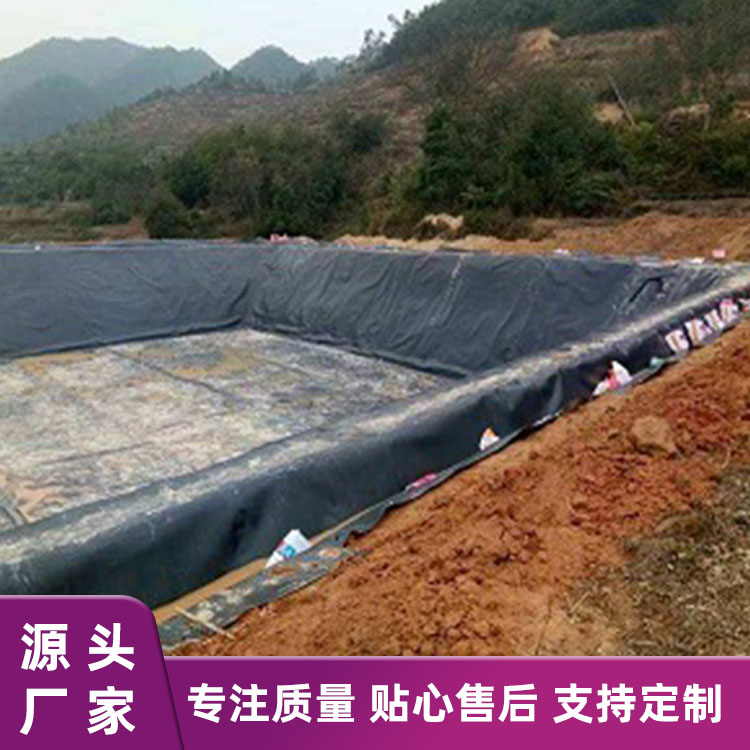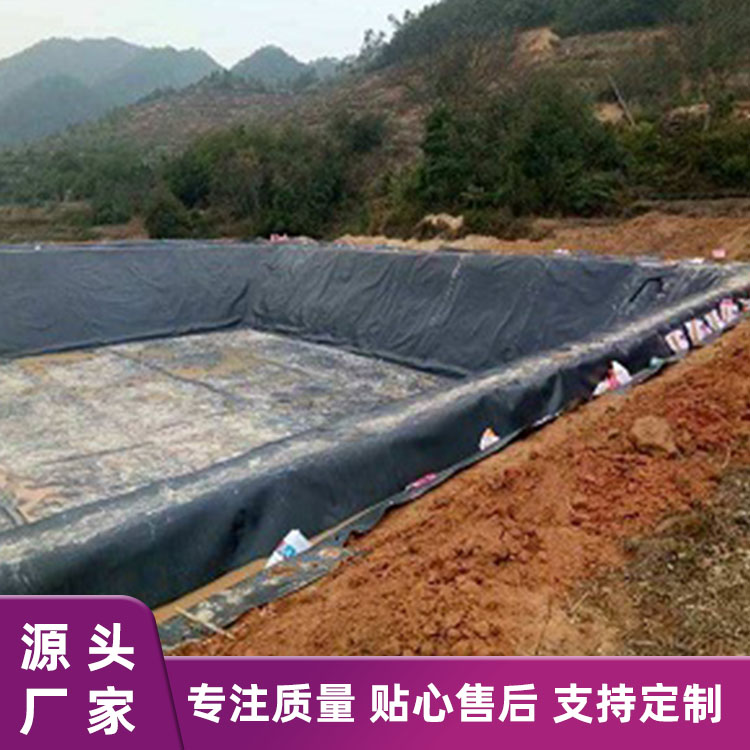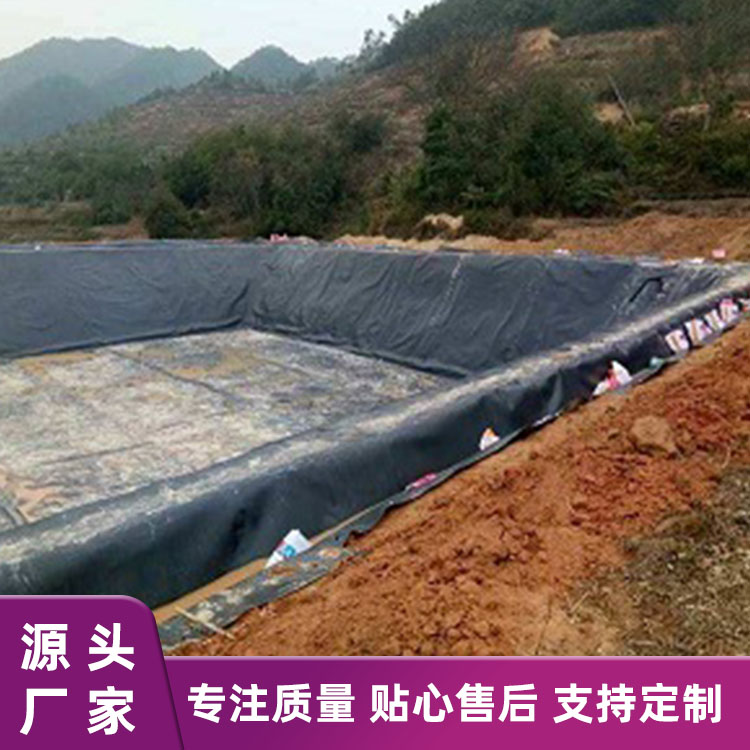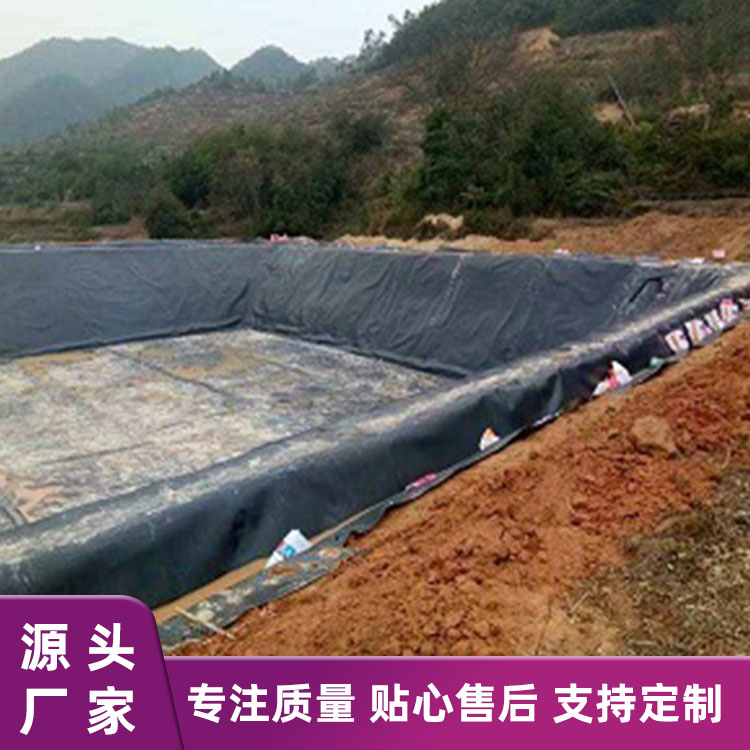


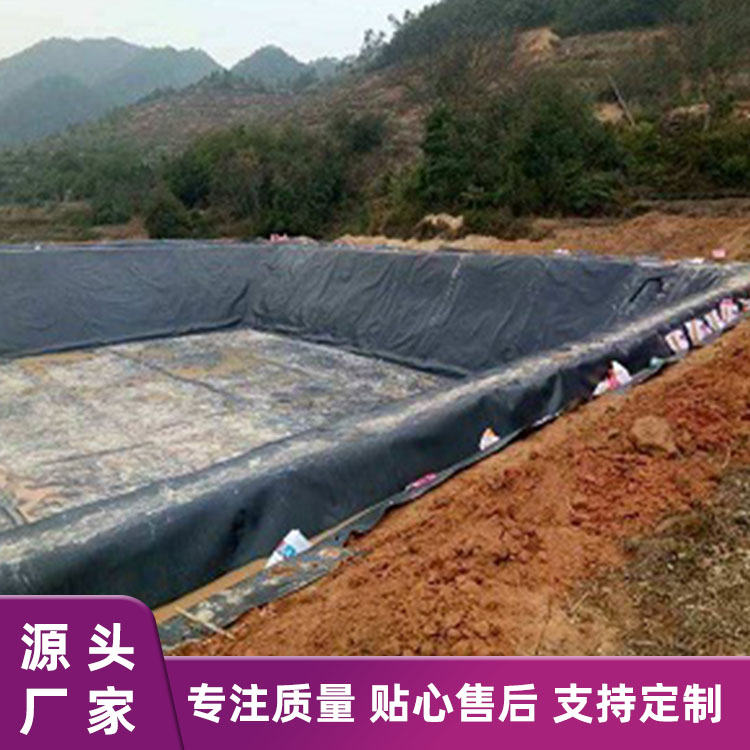
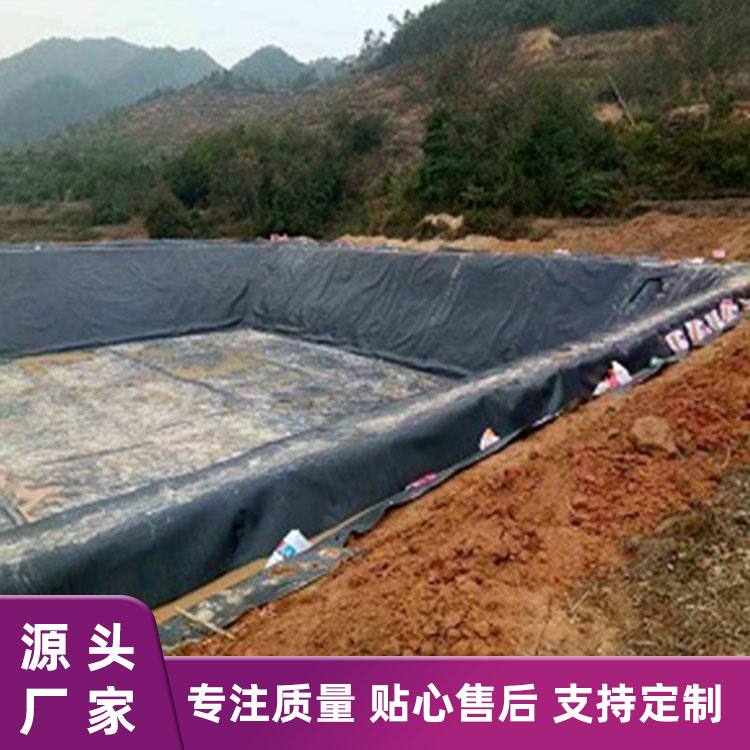










HDPE geomembrane is one type of geosynthetic, and the application of geosynthetic materials originated in the 1950s.
HDPE geomembrane is a waterproof and barrier material produced from high density polyethylene (HDPE) resin (with a density of 0.94g/cm3 or higher).
HDPE geomembrane, full name "High-Density Polyethylene Film," boasts excellent resistance to environmental stress cracking,低温 resistance, aging resistance, corrosion resistance, a wide service temperature range (-60 to +60), and a long service life (50 years).
HDPE geomembrane, also known as "High-Density Polyethylene geomembrane," boasts excellent resistance to environmental stress cracking, cold resistance, aging resistance, corrosion resistance, and a wide service temperature range (-60°C to +60°C) with a long service life of up to 50 years. It is extensively used in projects such as waste landfill liner, solid waste landfill liner, wastewater treatment plant liner, artificial lake liner, and tailings treatment.
Product Introduction
HDPE composite film, also known as high-density polyethylene film, HDPE geomembrane, and HDPE waterproofing membrane, is a plastic film made of HDPE. HDPE is a high crystallinity, non-polar thermoplastic resin. The raw HDPE has a milky white appearance and is semi-transparent to a certain extent in thin sections. PE exhibits excellent resistance to most household and industrial chemicals.