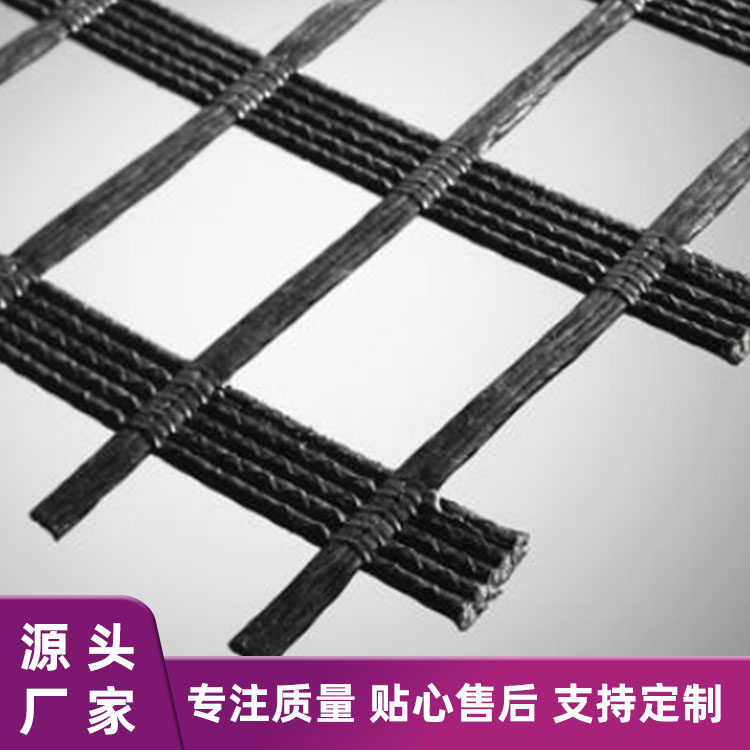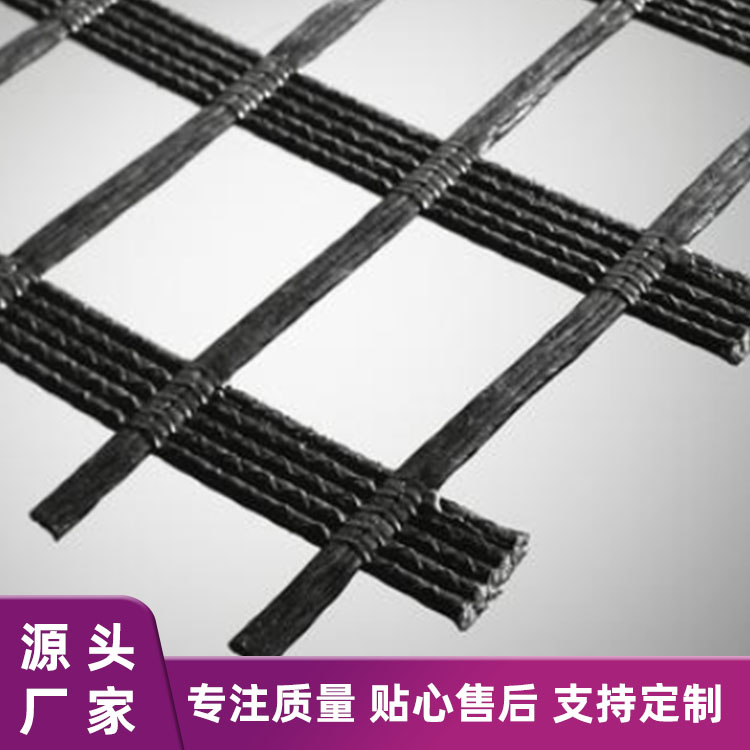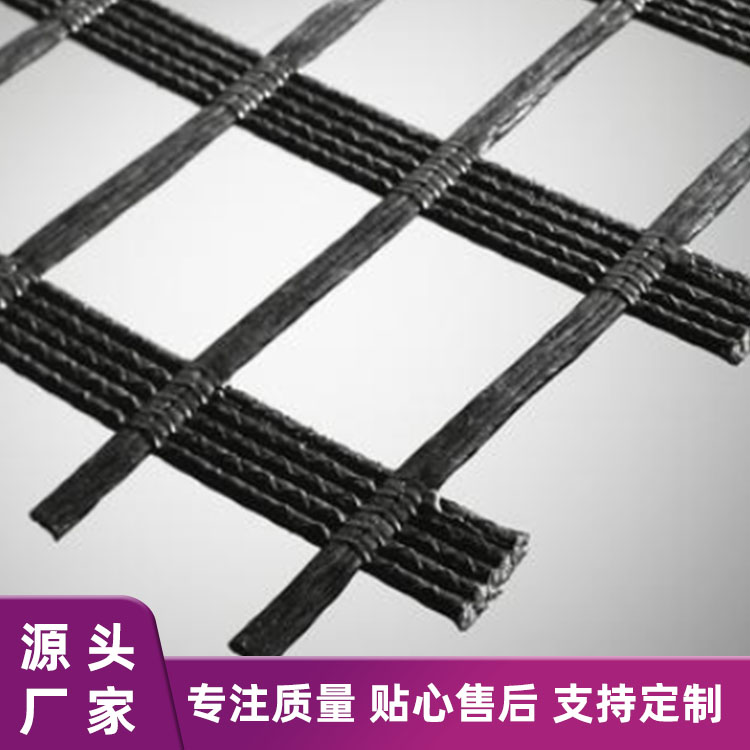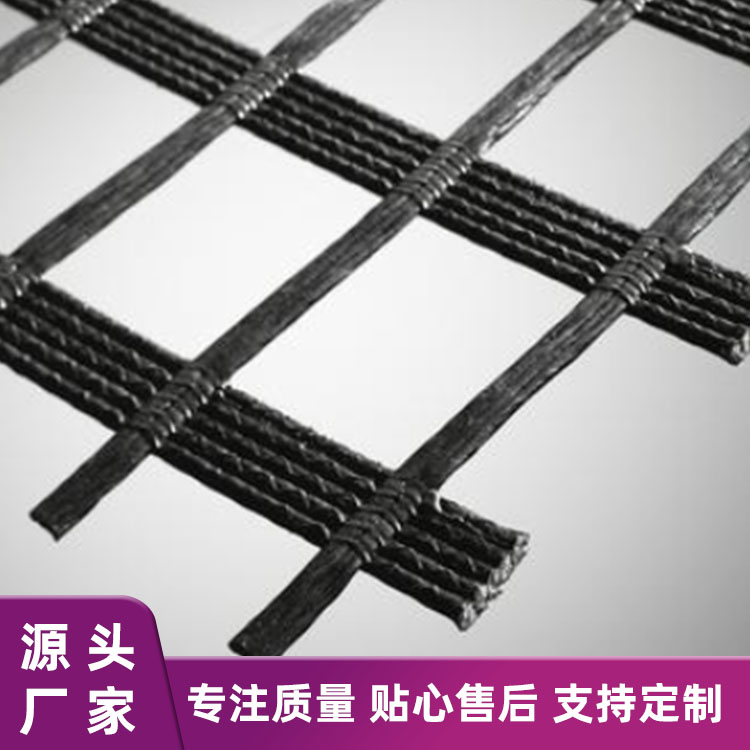

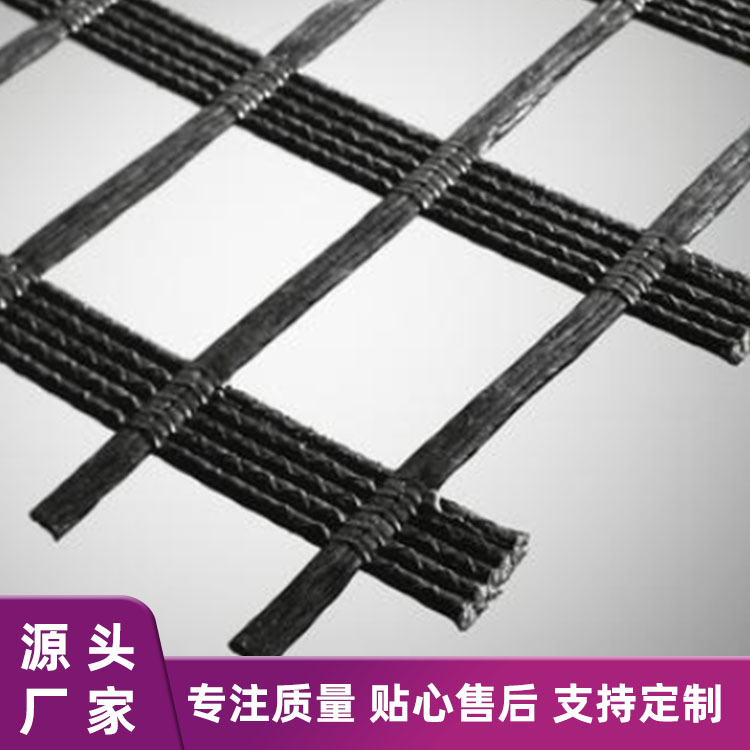
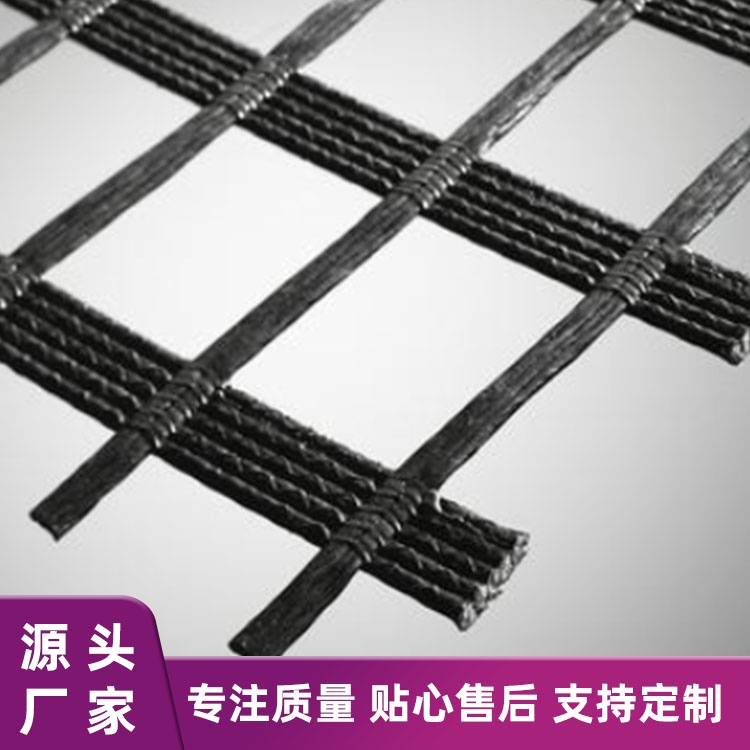







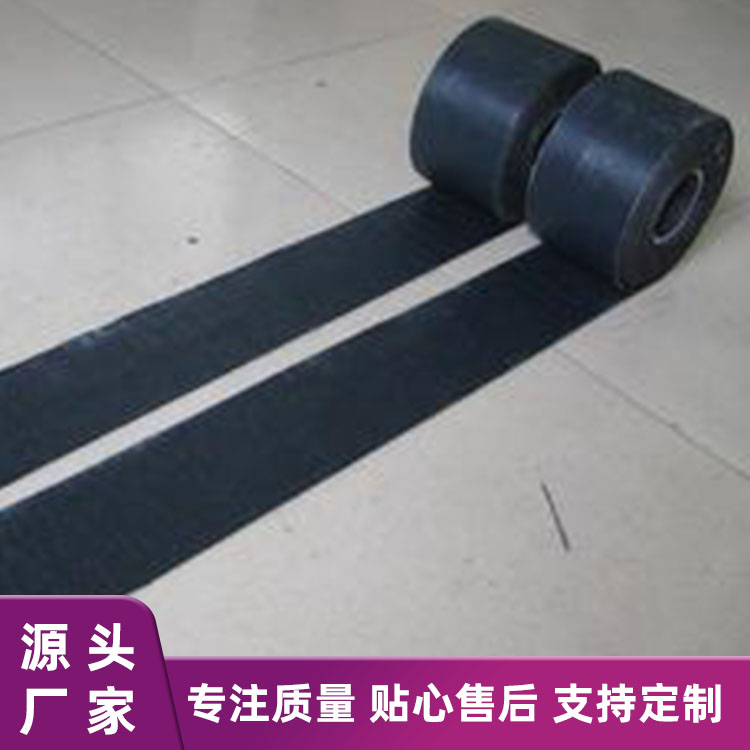

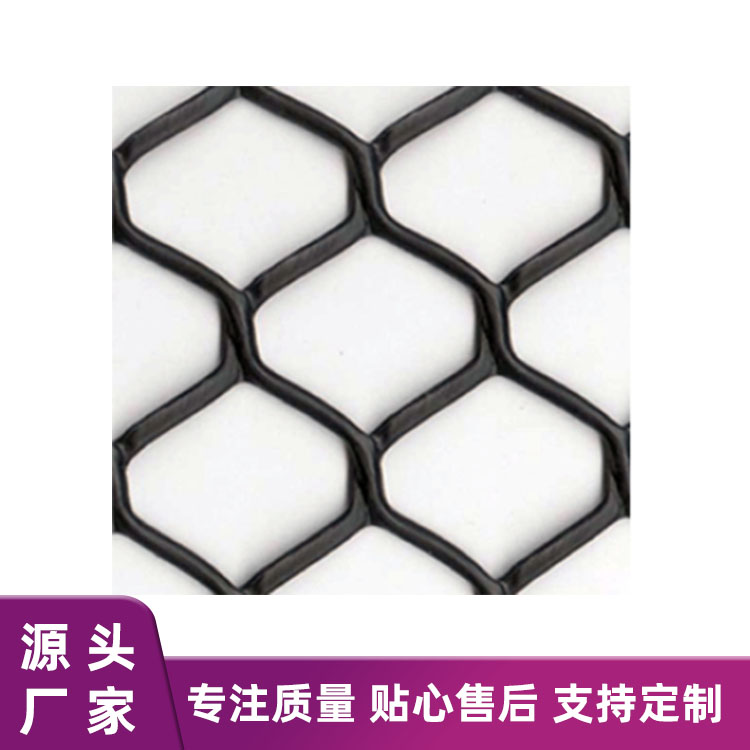


Product Description: (Mesh sizes available in 12.7mm and 25.4mm)
Glass fiber geogrid is an excellent geosynthetic material used for road reinforcement, road repair, and the strengthening of subgrades and soft soil foundations. It has become an indispensable material in the treatment of asphalt pavement reflective cracks. This product is made by weaving high-strength, alkali-free glass fiber into a mesh base material, which is then coated to form a semi-rigid product. It boasts high tensile strength in both warp and weft directions with low elongation, and possesses excellent properties such as resistance to high temperatures, low temperatures, aging, and corrosion. It is widely used in the reinforcement of asphalt and concrete pavements, subgrades, railway subgrades, embankment slopes, airport runways, and projects for sand control and desertification prevention.
Product Description
Fiberglass grid is made from reinforced alkali-free glass fiber yarn, woven into the base material using a warp-knitting machine. It features a warp-knitted directional structure, maximizing the strength of the yarn within the fabric, enhancing its mechanical properties. This results in excellent tensile strength, tear resistance, and creep resistance. The material is then coated with modified asphalt for a flat, network-like structure. It adheres to the principle of similarity and compatibility, emphasizing its composite performance with asphalt mixes, while providing robust protection for the glass fiber base. This improves the base material's wear resistance and shear resistance, making it suitable for road reinforcement to prevent cracking and rutting, thereby solving the challenge of enhancing asphalt pavements.
Product Features
The product features high strength, low elongation, high-temperature resistance, high modulus, light weight, good toughness, corrosion resistance, and long service life. It is widely applicable in engineering fields such as the repair of old cement pavements, airport runways, dams, riverbanks, slope protection, road and bridge pavement reinforcement, etc. It can reinforce and reinforce pavements, prevent rutting fatigue cracks, thermal and cold expansion cracks, and reflective cracks below, and can disperse pavement bearing stress, extend pavement service life. It boasts high tensile strength, low elongation, no long-term creep, good physical and chemical stability, excellent thermal stability, resistance to fatigue cracking, high-temperature rut resistance, low-temperature shrinkage cracking resistance, and delayed reduction of reflective cracks.
Glass fiber geogrid is made primarily from alkali-free, untwisted coarse glass fiber yarn, woven into a mesh structure material. To protect the glass fiber and enhance overall performance, it undergoes a special coating process, forming a new, superior geosynthetic base material.
The main components of glass fiber are silicon dioxide, an inorganic material with stable physical and chemical properties. It boasts high strength, high modulus of elasticity, excellent wear resistance, and superior cold resistance without long-term creep; good thermal stability; a reticular structure that locks and restricts aggregates; and enhances the load-bearing capacity of asphalt mixtures. The special modified asphalt coating on its surface provides dual composite properties, combining the superior characteristics of glass fiber with the compatibility of asphalt mixtures, thereby improving the wear resistance and shear resistance of geogrids.
Features
High tensile strength, low elongation – The glass fiber geogrid is made from glass fiber, featuring excellent deformation resistance with a break elongation less than 3%.
(2) No Long-Term Creep - As a reinforcing material, the ability to resist deformation under long-term loads, i.e., creep resistance, is crucial. Glass fiber does not creep, ensuring the product maintains its performance over the long term.
(3) Heat Stability – The melting point of glass fiber is above 1000°C, ensuring the thermal stability of the geogrid during laying operations.
(4) Compatibility with asphalt mixtures - The material coated on the glass fiber geogrid during the post-treatment process is designed for asphalt mixtures, with each fiber fully coated, ensuring high compatibility with asphalt. This guarantees that the glass fiber geogrid will not isolate from the asphalt mixture within the asphalt layer but will be firmly bonded together.
(5) Physical and Chemical Stability – Coated with a special post-treatment agent, the glass fiber geogrid can withstand various physical wear and chemical erosion, as well as biological degradation and climatic changes, ensuring its performance remains unaffected.
(6) Aggregate Locking and Restriction - Due to the mesh structure of the glass fiber geogrid, aggregates in asphalt concrete can penetrate through it, forming a mechanical lock. This restriction hinders aggregate movement, allowing the asphalt mixture to achieve a better compaction state, higher load-bearing capacity, improved load transfer performance, and less deformation under load.
Application Guide
Under the same thickness as the unenhanced asphalt layer, the fatigue life extension coefficient of the highway using this material for enhancement is 4-7 years.
2. When the asphalt concrete highway is constructed on a relatively weak subgrade, a layer of geogrid can save 50-100mm of high-quality asphalt concrete.
3. Effectively controls, delays, and prevents cracking caused by low temperatures and reflective cracks from base layer cracks. The small thickness of asphalt concrete reinforced with glass fiber geogrid is 40mm, with the geogrid placed at the bottom of this asphalt concrete layer.
4. Adding glass fiber geogrid to asphalt pavements can reduce rutting by over 50%.
5. In the maintenance system, lay asphalt concrete layers over the original severely cracked asphalt concrete pavement. For rigid concrete pavements, add asphalt concrete layers on top of the semi-rigid base layer. All three types of pavement overlay layers use glass fiber geogrid to reinforce the asphalt concrete, effectively preventing and delaying the formation of reflective cracks, rapidly absorbing and dissipating stresses caused by gravity, reducing construction costs, extending service life, and lowering maintenance expenses.
6.40mm thick glass fiber geogrid enhances the strength of asphalt concrete surface layers to the equivalent of a surface layer without glass fiber geogrid, which would be 100mm-175mm (4-7 inches) thick.
Technical Specifications
The "Application of Highway Synthetic Materials" issued by the Ministry of Transport recommends using glass fiber geogrids for road crack prevention, which can reduce or delay the reflection of cracks, decrease the rutting of asphalt pavements, and improve the fatigue life of semi-rigid subgrades.
The old asphalt concrete pavement is severely cracked; reinforce and enhance the new asphalt surface layer to prevent and control diseases.
2. Concrete road reconstruction to composite pavement, to suppress reflection cracks caused by plate shrinkage and other factors.
3. Road widening project, prevention and control of cracks at the junction of old and new sections and uneven settlement.
4. Reinforcement treatment for soft soil foundation, facilitating water drainage and consolidation of soft soil, effectively controlling settlement, even stress distribution, and enhancing the overall strength of the subgrade.
5. New road semi-rigid subgrade may develop shrinkage cracks; reinforcing and enhancing it prevents the reflection of subgrade cracks to cause pavement cracks.
Engineering Function
High strength, low creep, adaptable to various soil types, fully meets the requirements for tall retaining walls in high-grade highways.
2. Significantly enhances the interlocking and gripping action of reinforced bearing surfaces, greatly strengthens the bearing capacity of the foundation, effectively restricts lateral displacement of the soil mass, and improves the stability of the foundation.
3. Offers superior features such as increased strength, higher load-bearing capacity, corrosion resistance, anti-aging properties, large friction coefficient, uniformly distributed holes, ease of installation, and long service life, compared to traditional grating.
4. More suitable for deep-sea operations and embankment reinforcement, it fundamentally solves the technical challenges of other materials used in stone baskets, such as low strength, poor corrosion resistance, and short service life due to long-term erosion by seawater.
5. Effectively prevents construction damage caused by machinery crushing or destroying during the construction process.
Application Areas
1. Suitable for road, railway, and airport subgrade reinforcement, as well as surface enhancement. 2. Ideal for地基 reinforcement in large parking lots, docks, and cargo yards with heavy load-bearing requirements.
3. Applicable for railway and highway slope protection.
4. Applicable tunnel reinforcement.
5. Suitable for secondary reinforcement of soil slopes after the enhancement of geogrids for unidirectional stretching, further strengthening the soil slope, and preventing soil and water erosion.
6. Mine and tunnel reinforcement.
Surface Treatment Process
The woven glass fiber geogrid provides a better intimate contact with asphalt concrete, forming an integrated interlocking structure. By adding a surface treatment technology, such as self-adhesive pressure-sensitive adhesive or modified asphalt coating, to the original glass fiber geogrid, the costs associated with using large U-shaped nails in the common glass fiber geogrid are avoided. Additionally, it extends the aging time of the subgrade and reduces issues like cracks and settlements caused by the separation of the glass fiber geogrid from the foundation.
Glass Fiber Geogrid Rolls, Weight
According to the surface coating, there are two types: self-adhesive pressure-sensitive adhesive and modified asphalt surface coated glass fiber geogrid, as well as the ordinary glass fiber geogrid without special surface treatment. In the ever-changing glass fiber geogrid industry and economic trends, our goal remains unwavering, but flexibility and openness, adapting to change, have always been the driving force behind our growth. Below are the common size specifications of glass fiber geogrid for your reference:
Standard sizes for glass fiber geogrid rolls are typically 4m x 100m (400 sq. m. per roll) or 6m x 100m (600 sq. m. per roll).
Weights range from 140g/sqm to 880g/sqm, with corresponding rolls varying in weight.
400 sqm/roll weight range: 56kg - 352kg
600 sq. ft./roll weight range: 84KG-528KG
The number of glass fiber filaments ranges from 1 to 8, with coil diameters varying from 32 cm to 60 cm.