







Document destruction refers to the process of destroying files that are no longer needed to prevent sensitive information leaks and protect data.
Below are common methods for document destruction:
File Shredding: The shredder used processes documents into shredded pieces, rendering them irretrievable and unreadable.
Incineration Processing: The documents are incinerated to ensure complete destruction and cannot be restored.
Acid-alkali Treatment: The document is treated with chemicals such as acids and alkalis to render it unrecoverable.
Digital Destruction: Process documents digitally, convert them to electronic format, and then use data erasure software to wipe the electronic files, ensuring that the data cannot be recovered.
File Shredding: Shredding files made of special materials (such as plastic, metal, etc.) to prevent their reconstruction.
When destroying documents, the following points should be noted:
Operation: Ensure destruction is carried out in a secure environment to prevent sensitive information leakage.
Compliance: Adhere to relevant regulations and ensure the destruction process meets privacy protection and environmental requirements.
Documentation and Record: Maintain records and documentation of destroyed documents, including the destruction date, method of destruction, and signature of the personnel involved, for future audit and compliance requirements.
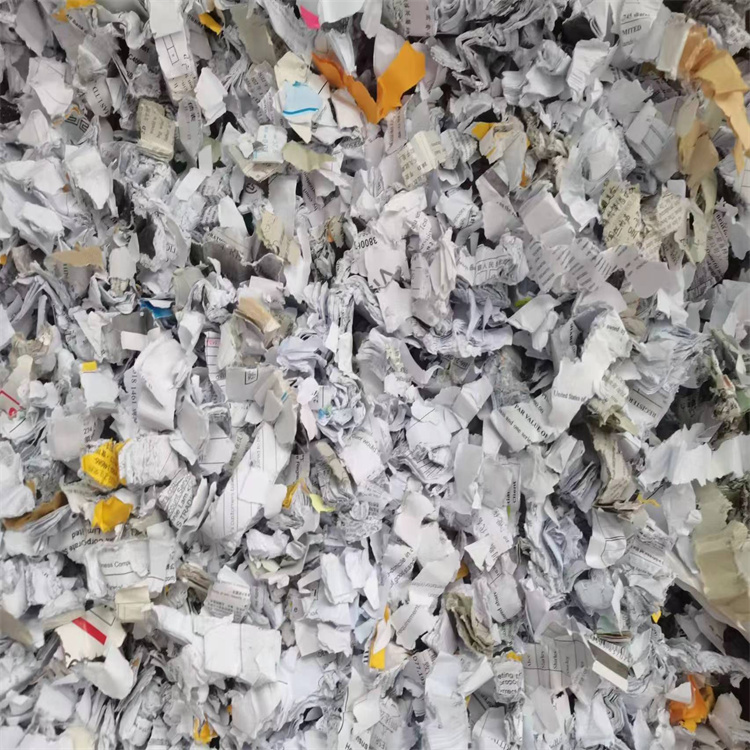
The purpose of document destruction is to safeguard sensitive information, prevent data leakage, and protect personal privacy. Proper document destruction ensures that files cannot be recovered, thereby protecting the interests of individuals and institutions.