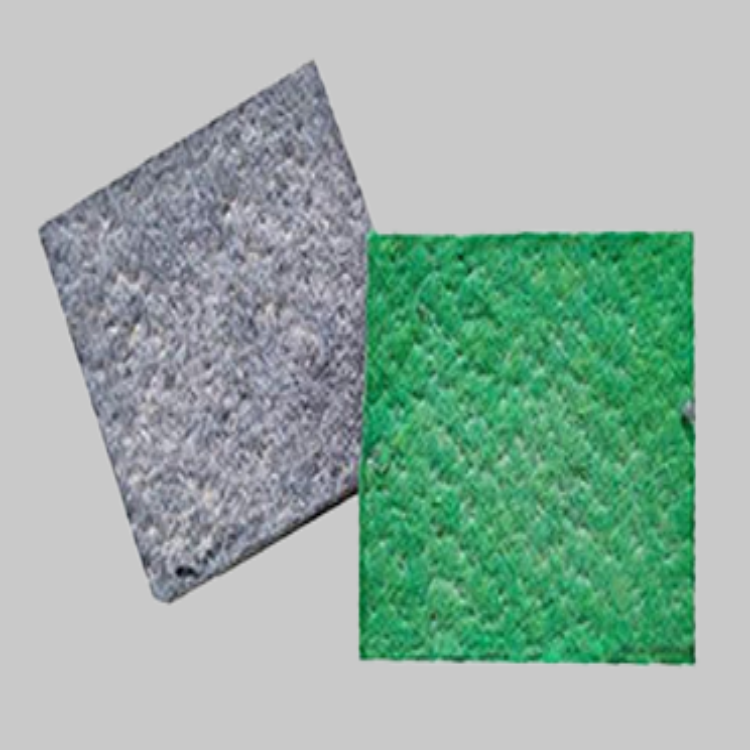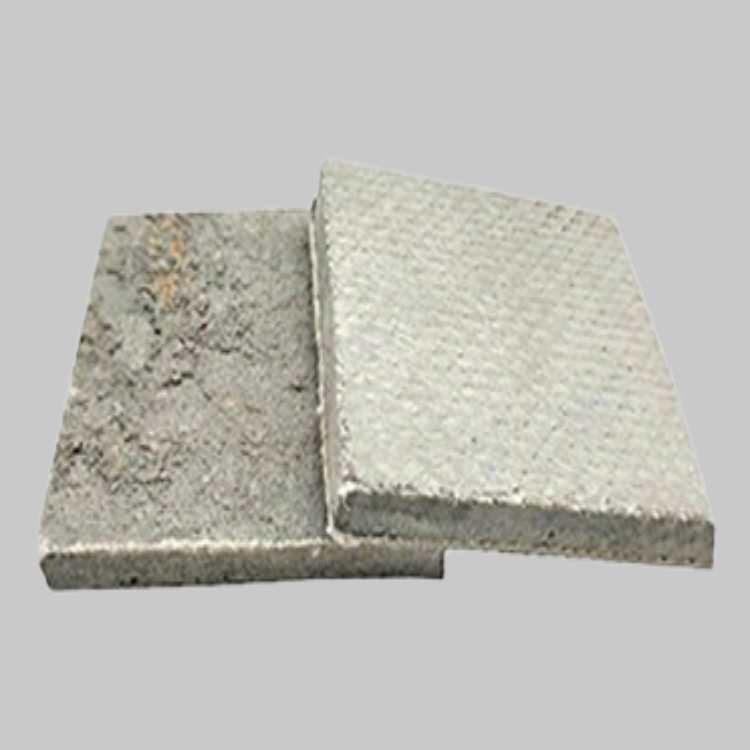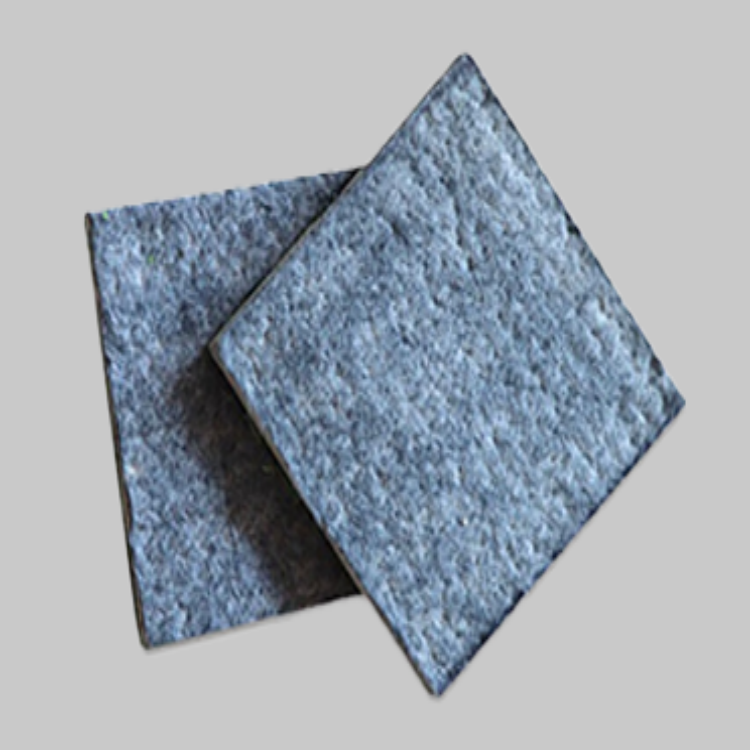

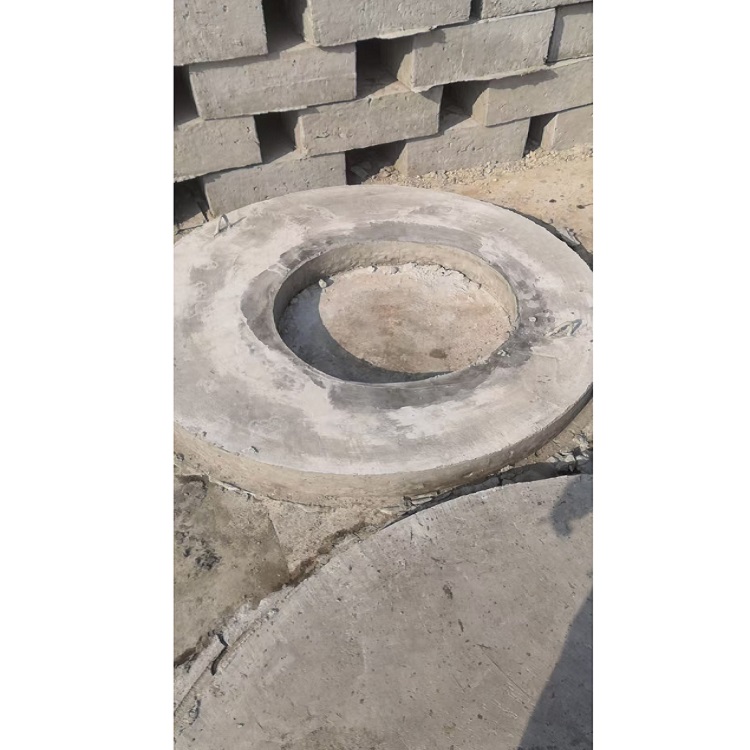


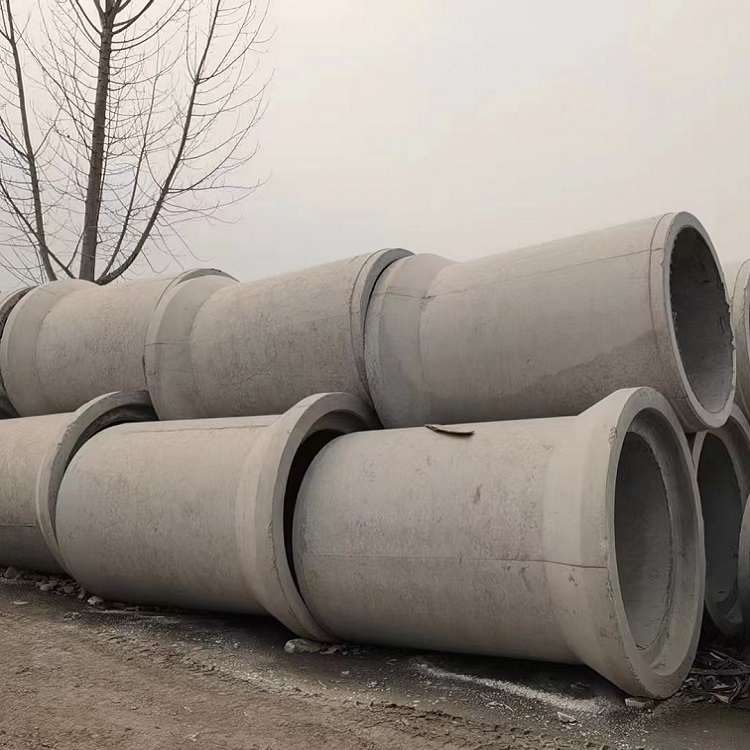



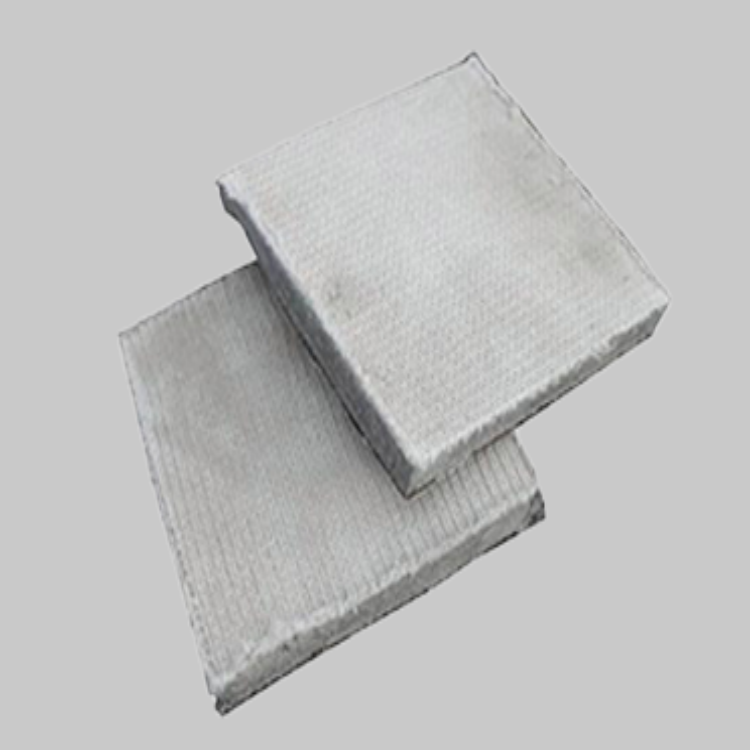
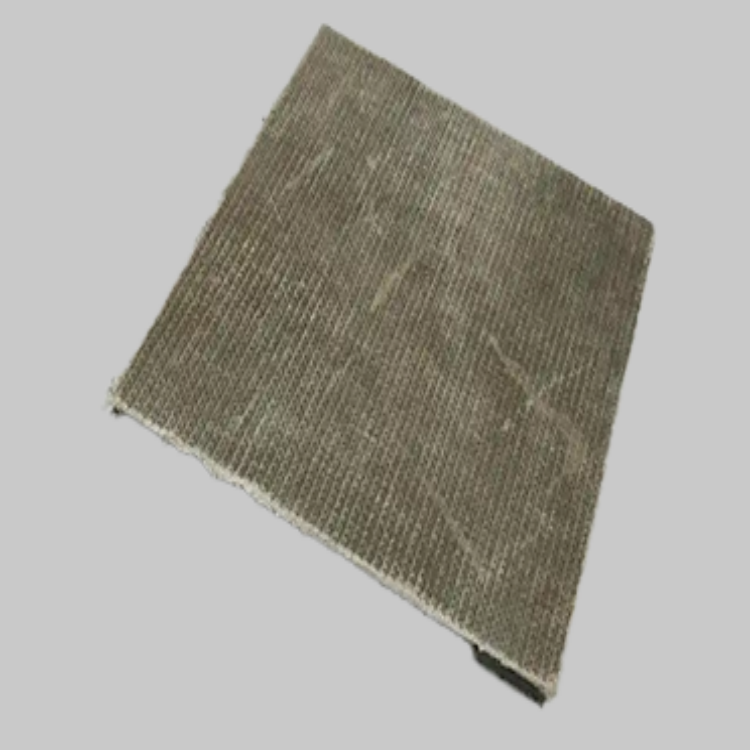
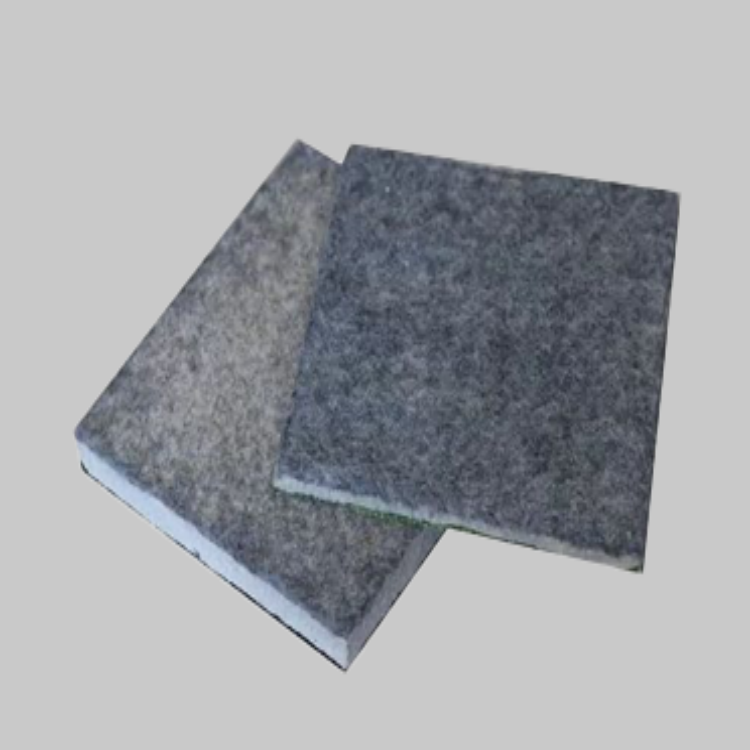
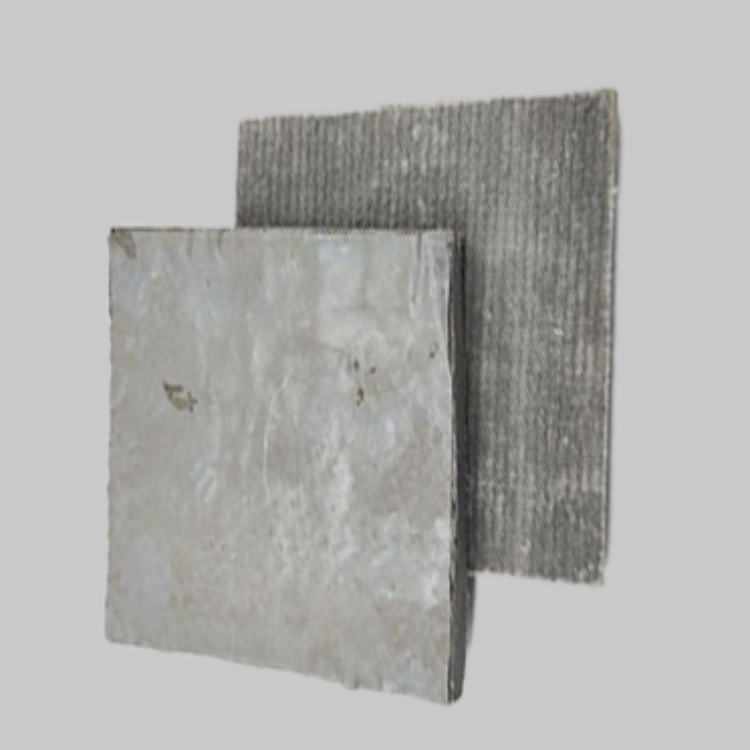







Manhole covers and gratings are an essential part of municipal road pipeline facilities, each with unique functions and characteristics. The following is a detailed introduction to manhole covers and gratings:
Manhole Cover
Definition and Usage
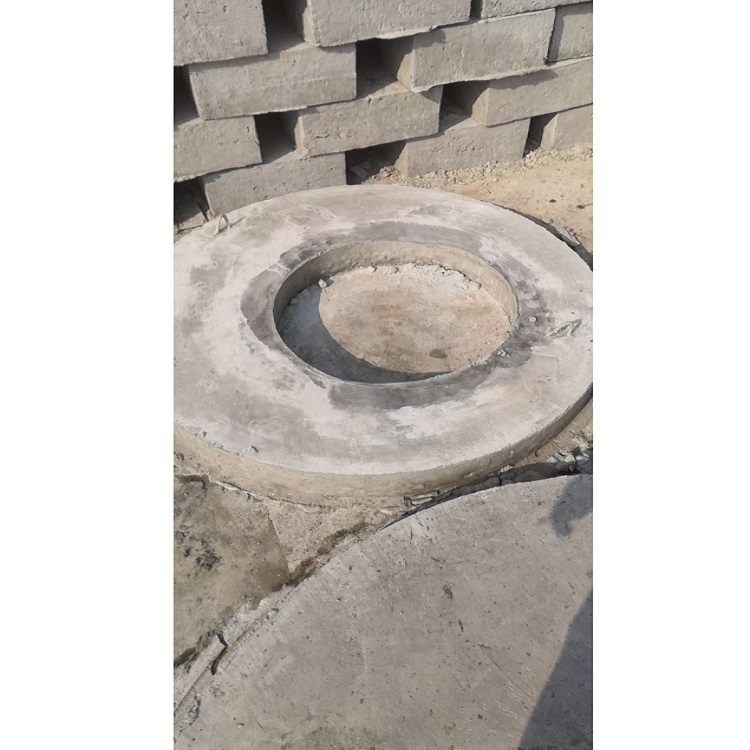
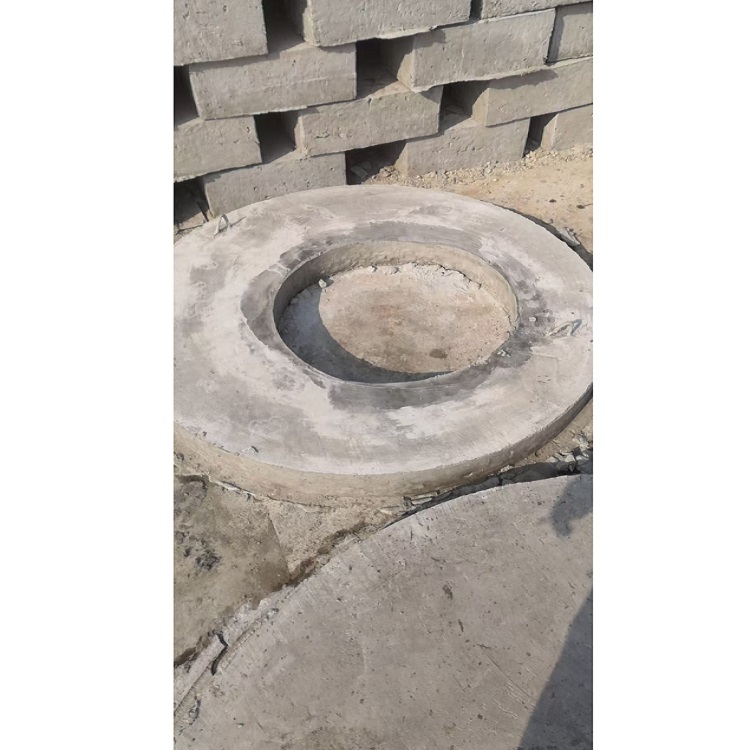
Manhole covers are facilities placed over the openings of underground pipeline wells, primarily used to protect the pipelines from external damage and facilitate maintenance and repairs.
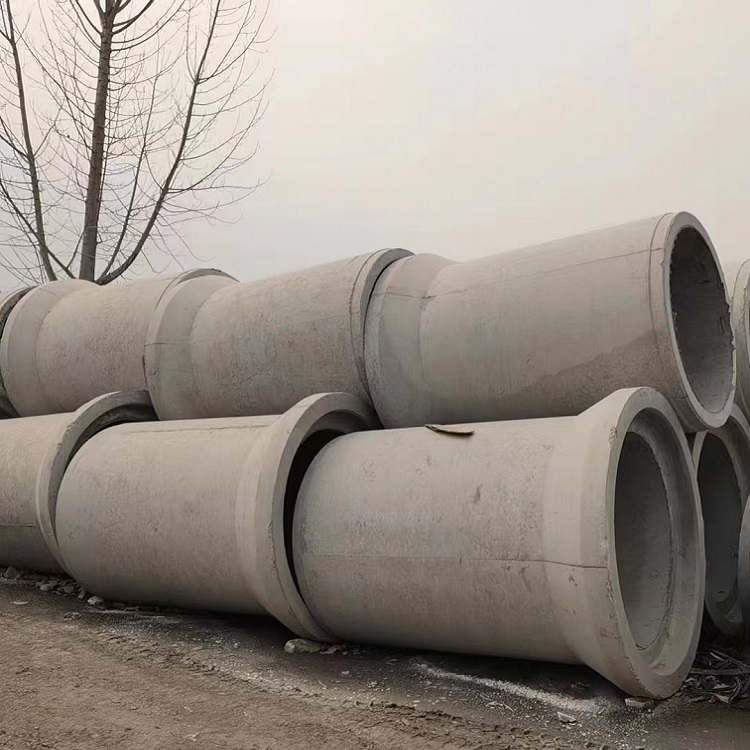
It is widely used for the protection and maintenance of underground facilities such as drainage pipes, cables, and gas pipelines.
Material and Type
Manhole covers are typically made of cast iron, concrete, composite materials, etc.
Based on different shapes and uses, manhole covers can be categorized into various types such as round manhole covers, square manhole covers, theft-proof manhole covers, and settlement-resistant manhole covers.
Features and Performance
The manhole covers feature high strength and excellent compressive properties, capable of bearing loads from vehicles and pedestrians.
Special types of covers, such as theft-proof and settlement-proof manhole covers, offer additional features like theft prevention and settlement resistance.
Comb brush
Definition and Usage
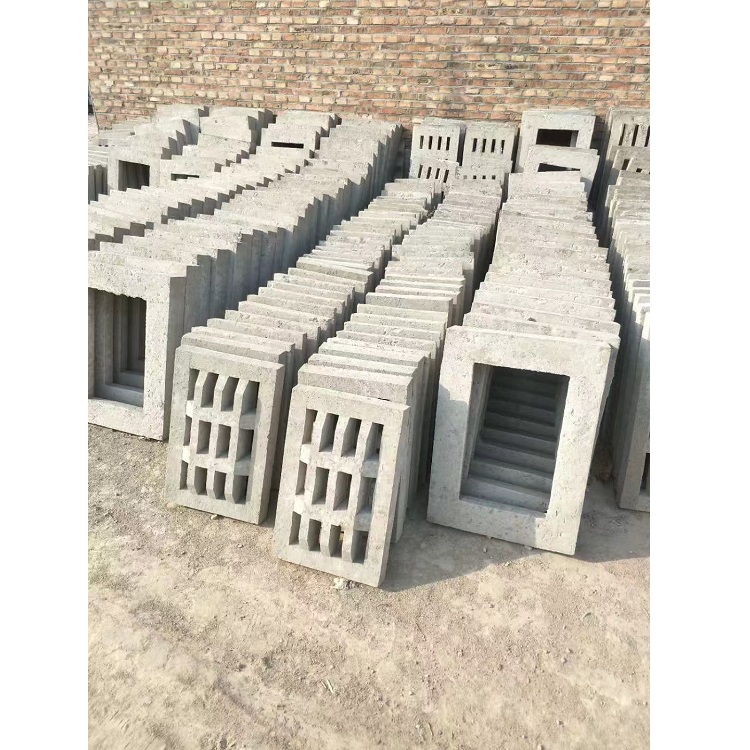
A strainer typically refers to a well strainer, which is a facility used to cover drain outlets or manhole openings, mainly composed of a cover body and an iron grating.
It is mainly used for filtering sewage, preventing debris from blocking drain outlets, and protecting wellheads from external damage.
Material and Type
Rakes are commonly made of cast iron, composite materials, etc.
The rakes are divided into various types such as flat, skewed groove, and vertical, differing in shape and application.
Features and Performance
Rakes feature high strength and corrosion resistance, capable of withstanding certain loads and harsh environments.
The perforated grate effectively prevents debris from blocking the drain outlets, enhancing drainage efficiency through its dense grid design.
Section 3: Differences and Connections Between Manholes and Grates
Difference
Manhole covers are primarily used to protect the openings of underground pipelines, while gratings are mainly used to cover drainage openings or inspection well openings.
Manhole covers typically feature a larger surface area and higher load-bearing capacity, while gratings are more focused on filtering wastewater and preventing blockages.
Contact
Manhole covers and gratings are both important components of municipal road pipeline facilities, jointly responsible for protecting underground pipelines and drainage systems.
In certain cases, manhole covers and gratings can be used together, such as in some specialized manhole cover-grating combinations, which offer both the protective function of a manhole cover and the filtering function of a grating.
4. Maintenance and Care of Manholes and Grates
Regular inspections
Regularly inspect manholes and gratings to promptly identify and address any damaged or missing covers.
Clear clutter
Regularly clean debris from manholes and grates to ensure free flow and prevent blockages in drainage outlets.
Anti-theft and anti-corrosion
Enhance the anti-theft measures for manhole covers and gratings to prevent theft or damage.
Corrosion protection for manhole covers and gratings to extend their service life.
In summary, manholes and gratings play a crucial role in municipal road pipeline facilities. Each has unique functions and characteristics, collectively responsible for protecting underground pipelines and drainage systems. Therefore, during usage and maintenance, enhanced management and maintenance of manholes and gratings should be ensured to guarantee their proper operation and long-term stability.