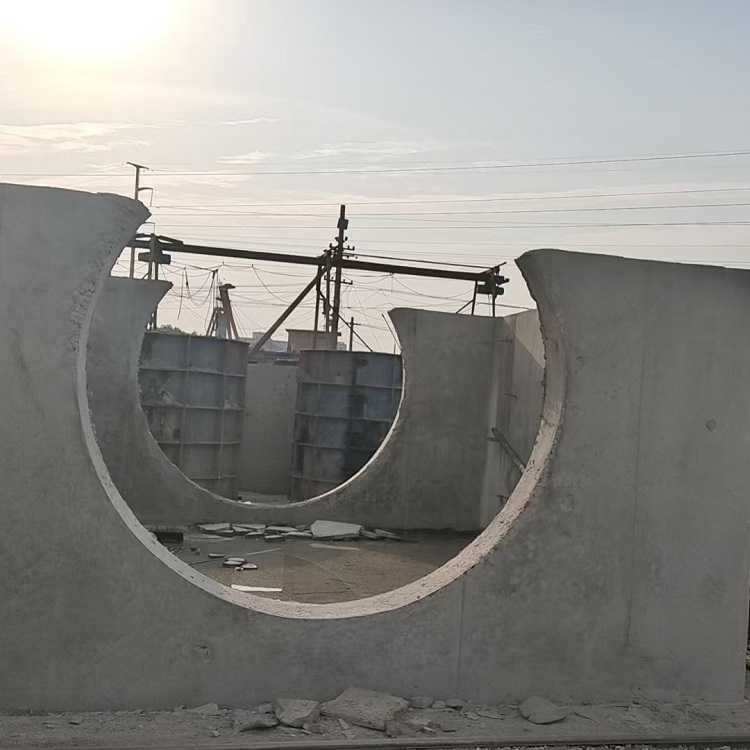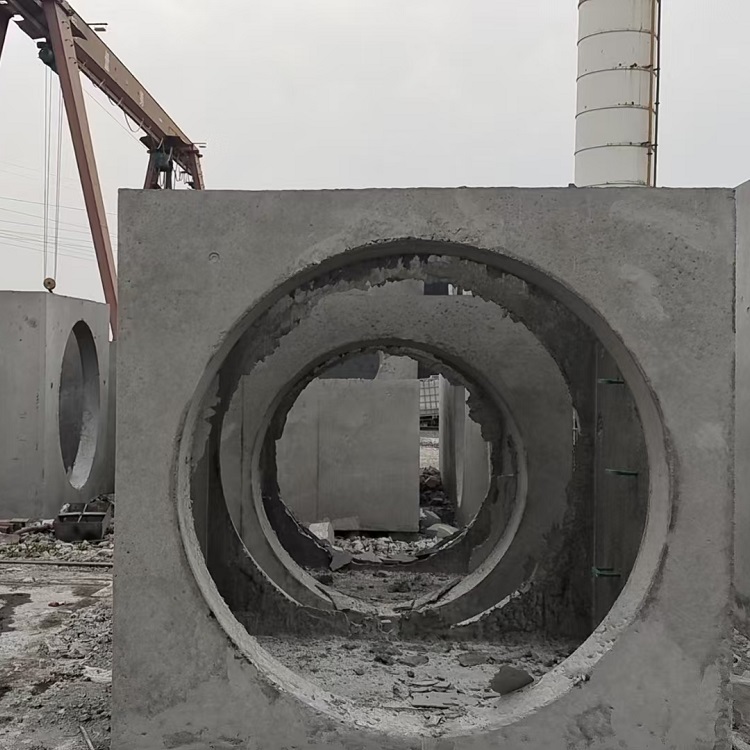












Manholes, as an essential component of urban underground infrastructure, offer a variety of advantages. Below is a detailed summary of the advantages of manholes:
One, structural stability and durability
High-strength materialsManholes are typically made from high-strength, corrosion-resistant materials such as concrete and reinforced steel, which offer excellent mechanical properties and can withstand erosion and damage under various harsh environmental conditions.
Pre-engineered modular structureThe manhole units offer excellent overall integrity and strong impact resistance, thanks to factory prefabrication and rapid on-site assembly, with relatively low maintenance and upkeep requirements.
Long-term stabilityReasonable structural design and material selection ensure that the manhole can maintain structural stability and reliability in various environments, thereby extending its service life.
II. Construction Efficiency and Cost Savings
Fast construction speedPre-fabricated assembled manholes can significantly reduce the construction period, decrease the amount of on-site wet work tasks, and accelerate the progression of urban road clearance.
Low labor costsCompared to traditional brick-lined manholes, precast assembled manholes reduce a substantial amount of manual laying work, thereby cutting labor costs.
Material ConservationThrough reasonable design and construction, manholes can save a significant amount of material resources, reduce waste and losses.
III. Environmental Protection and Sustainability
Eco-friendly materialsManholes are produced using environmentally friendly materials and technology, reducing the emission of harmful substances at the source.
Energy conservation and emission reductionThe production process of prefabricated assembled manholes is more energy-efficient, reducing energy consumption and carbon emissions.
Easily recyclableSome manhole materials (such as high-density polyethylene plastic) are recyclable and reusable, aligning with the principles of green and sustainable development.
IV. Functional Advantages and Applicability
Excellent sealing performanceThe manhole is equipped with flexible connections, offering excellent sealing performance. It effectively prevents groundwater leakage and the escape of rain and wastewater, thus avoiding groundwater contamination.
High drainage efficiencyThe inner wall is smooth and flowing, equipped with a guiding channel to prevent dirt from settling, reducing the likelihood of clogs and enhancing drainage efficiency.
AdaptableManholes can be custom-designed to accommodate various terrain, climate, and environmental conditions, offering strong adaptability and flexibility.
V. Convenience and Security Maintenance
Easy maintenanceThe design of the manhole takes full consideration of maintenance and repair needs, facilitating staff for inspection and maintenance.
Secure and reliableStandardized design, manufacturing, and installation processes ensure the safety performance of manholes, preventing safety incidents caused by quality issues.
Easy to locateManholes are typically marked with clear identification and location information, facilitating quick identification by maintenance personnel for operations.
In summary, manholes demonstrate significant advantages in structural stability and durability, construction efficiency and cost savings, environmental protection and sustainability, functional benefits and applicability, as well as ease of maintenance and safety. These advantages make manholes indispensable in urban underground infrastructure construction, contributing significantly to the city's drainage systems and environmental protection.