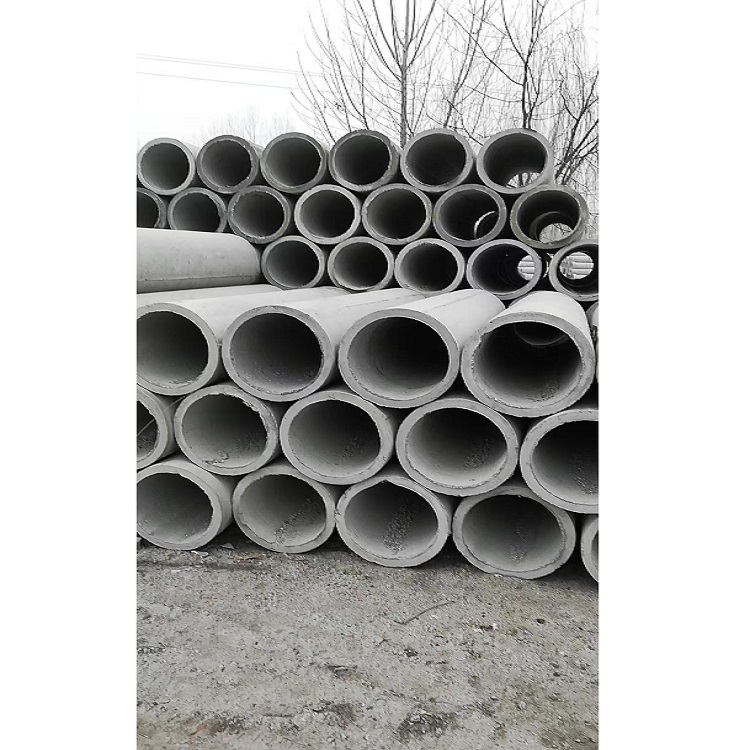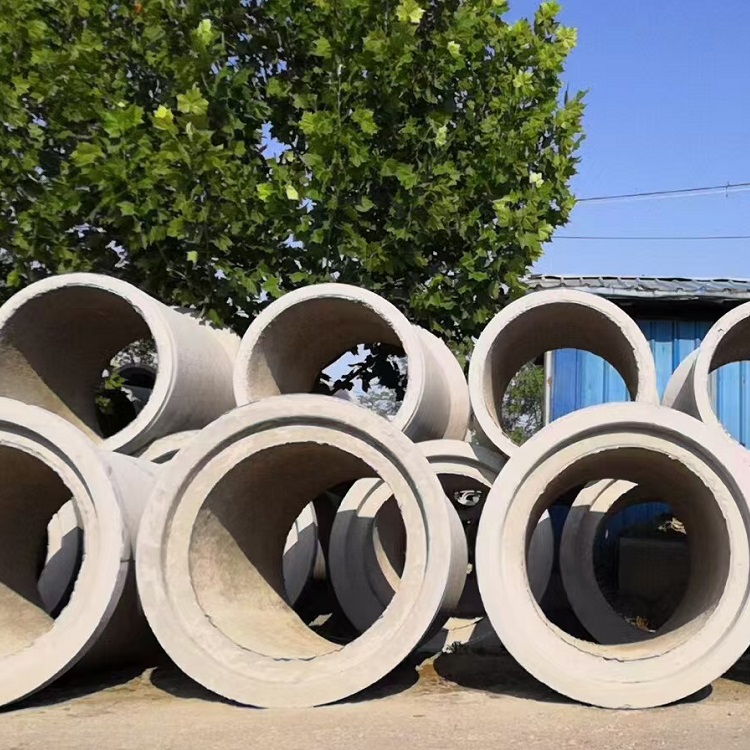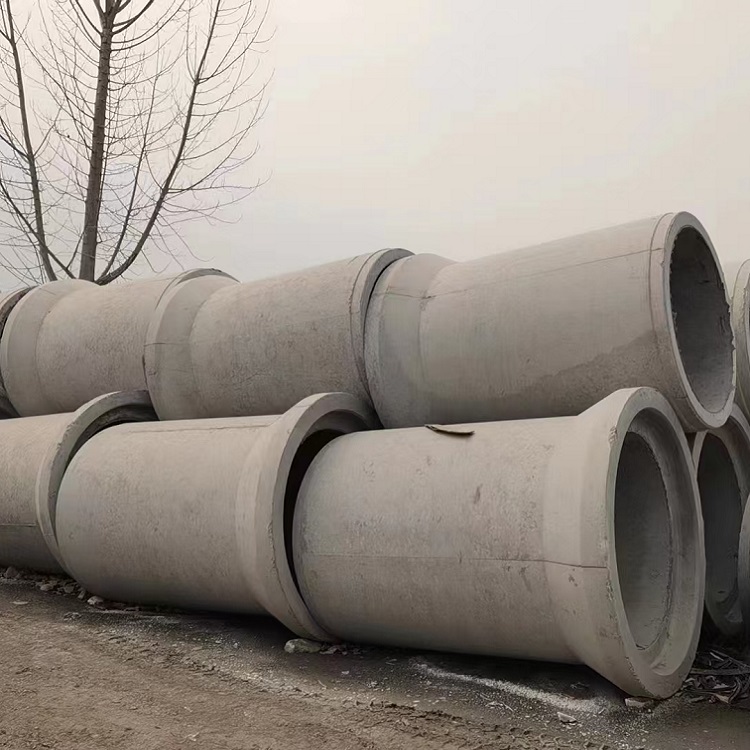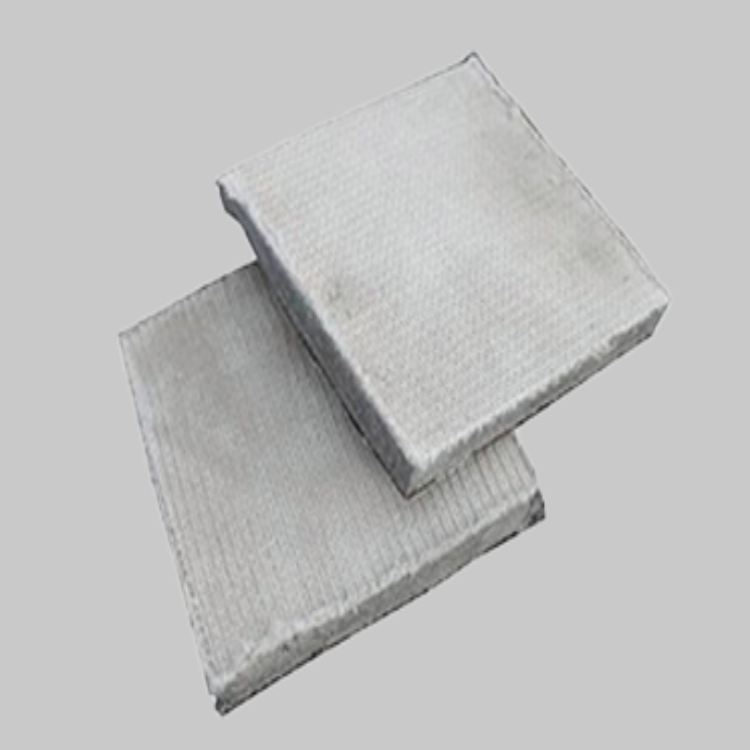

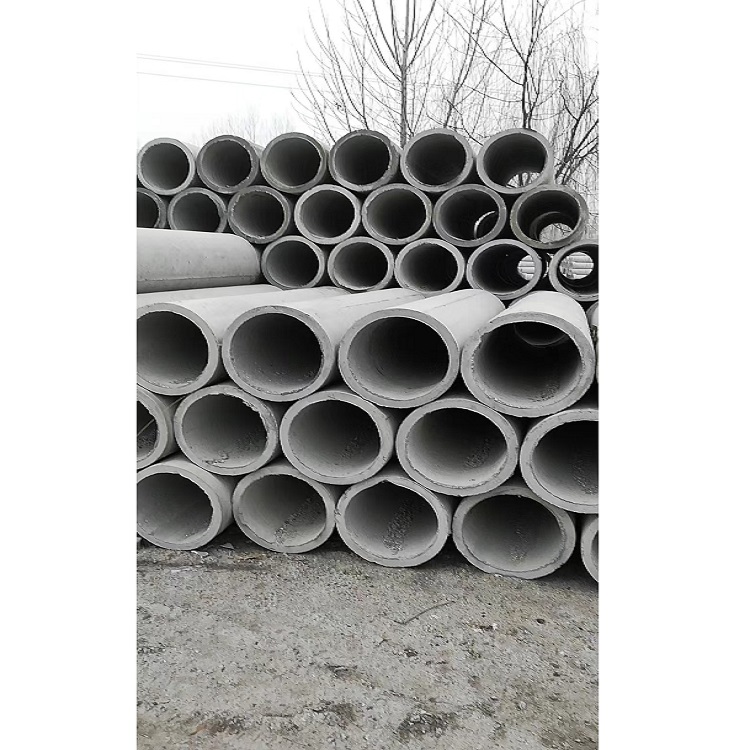


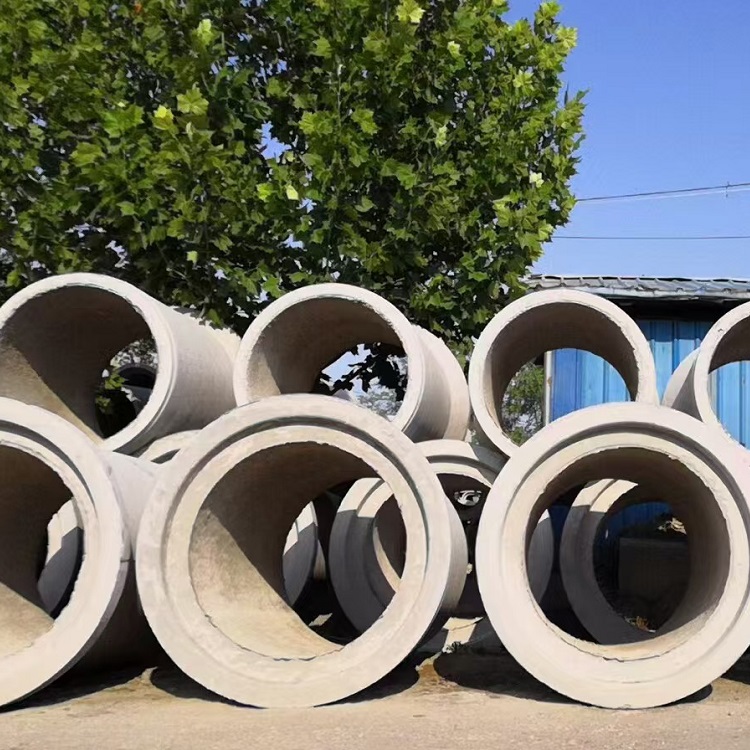
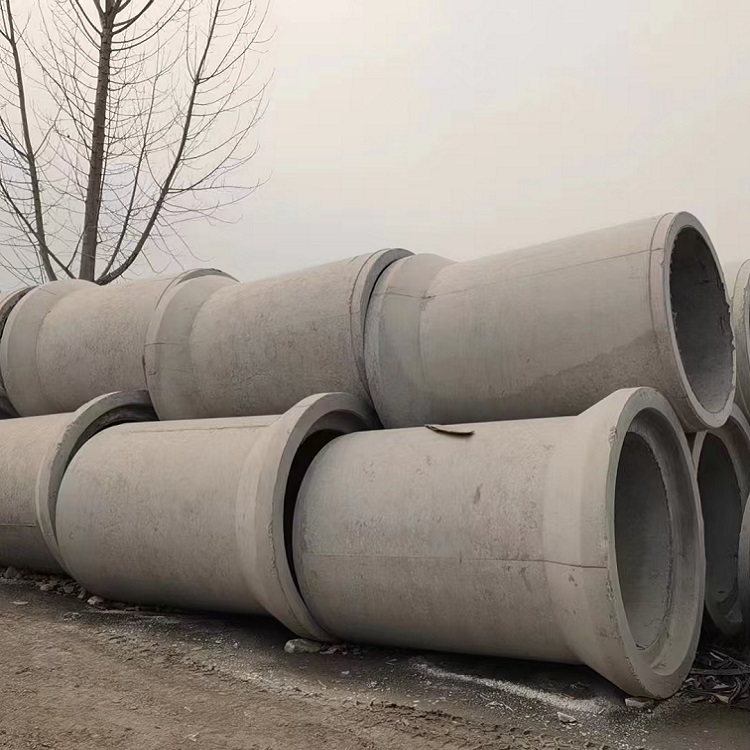








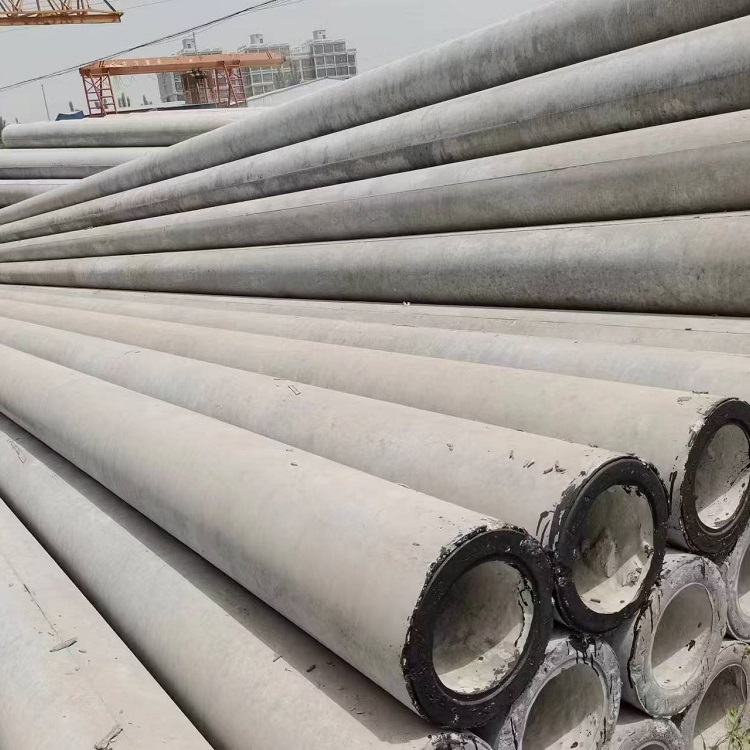


Cement pipes, as an important construction material, have extensive applications in various fields, with their advantages mainly reflected in the following aspects:
Superior structural performance
High strength and compressive resistance:
Cement pipes offer high compressive and flexural strengths, capable of withstanding significant external pressure and loads. They are suitable for various underground engineering applications, such as drainage systems, water supply systems, and underground cables.
Reinforced concrete pipe combines the high strength of steel bars with the good compressive properties of concrete, allowing it to withstand significant external pressures such as changes in groundwater levels, soil pressure, or mechanical impacts during construction, and is less prone to deformation or cracking.
Excellent water resistance properties:
Cement pipes, through rational structural design and strict quality control, effectively prevent water and other liquids from seeping through, ensuring the long-term stable operation of the pipeline system.
High durability:
Cement pipes offer excellent durability, withstanding the effects of chemical corrosion and freeze-thaw cycles. With proper design and construction, their lifespan can extend to several decades or even centuries, significantly reducing the costs for future maintenance and replacement.
II. Ease of Construction and Cost-Effectiveness
Fast construction speed:
The installation and construction of cement pipes are relatively simple and quick, allowing for rapid laying and connection as needed, thus shortening the construction period.
Easy to maintain:
The structural design of the cement pipes facilitates later maintenance and repairs, reducing maintenance costs and time.
High cost-effectiveness:
Cement pipe raw materials have relatively low costs, and the manufacturing process is mature with high production efficiency, resulting in a high overall cost-benefit ratio.
III. Environmental Protection and Sustainability
Excellent environmental performance:
Cement pipes do produce a certain amount of carbon dioxide emissions during production, but through reasonable design and process improvements, carbon emissions can be reduced.
Concrete pipes can also be recycled and reused, reducing environmental impact and aligning with the concept of sustainable development.
Resource Conservation:
During the production and use of concrete pipes, various waste materials such as old concrete and old steel rebars can be fully utilized, achieving resource recycling and conservation.
Four: Adaptability and Flexibility
Adaptable:
Cement pipes can be customized to meet various engineering requirements, including different diameters, lengths, and shapes.
It can also adapt to various terrains and climatic conditions, whether it be plains, mountains, or urban streets, suitable solutions can always be found.
High flexibility:
Cement pipes can be easily connected and combined with other pipes and equipment to form a complete pipeline system.
When adjustments or route changes are needed, cement pipes offer high flexibility, which can be achieved by adding or reducing the number of pipes, or altering the pipeline direction to meet actual requirements.
In summary, cement pipes demonstrate significant advantages in structural performance, ease of construction and cost-effectiveness, environmental protection and sustainability, as well as adaptability and flexibility. These benefits make cement pipes highly applicable and in high demand across various fields such as drainage systems, water supply systems, and underground cable installations.