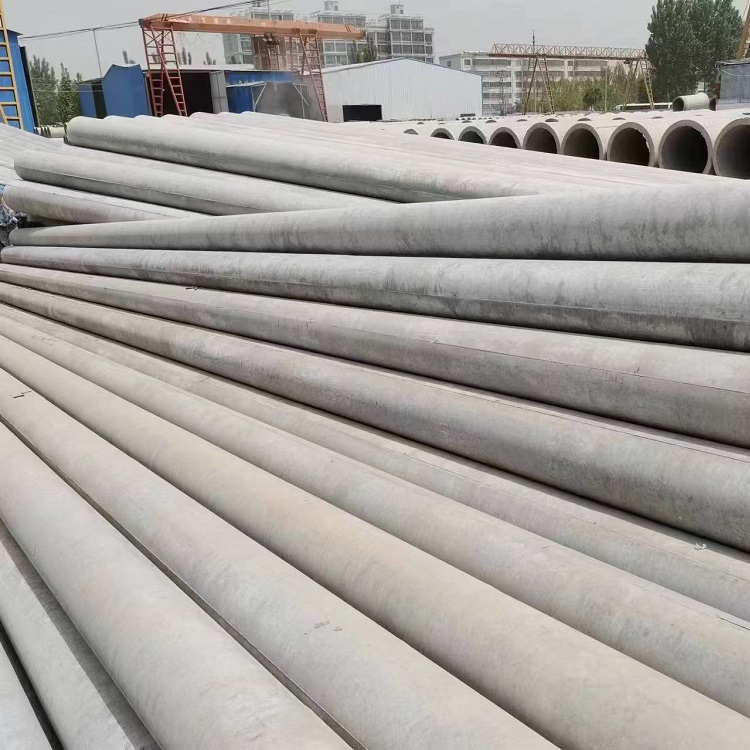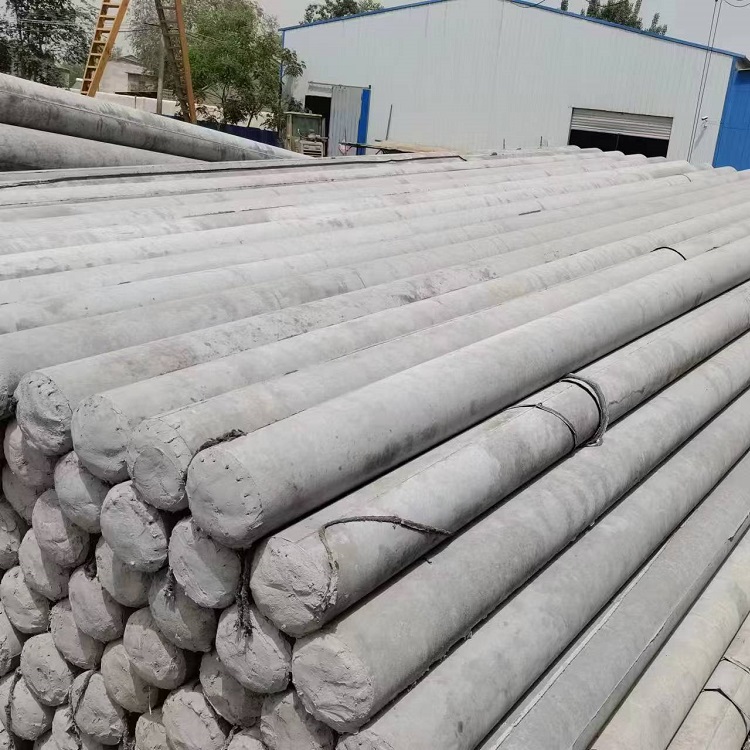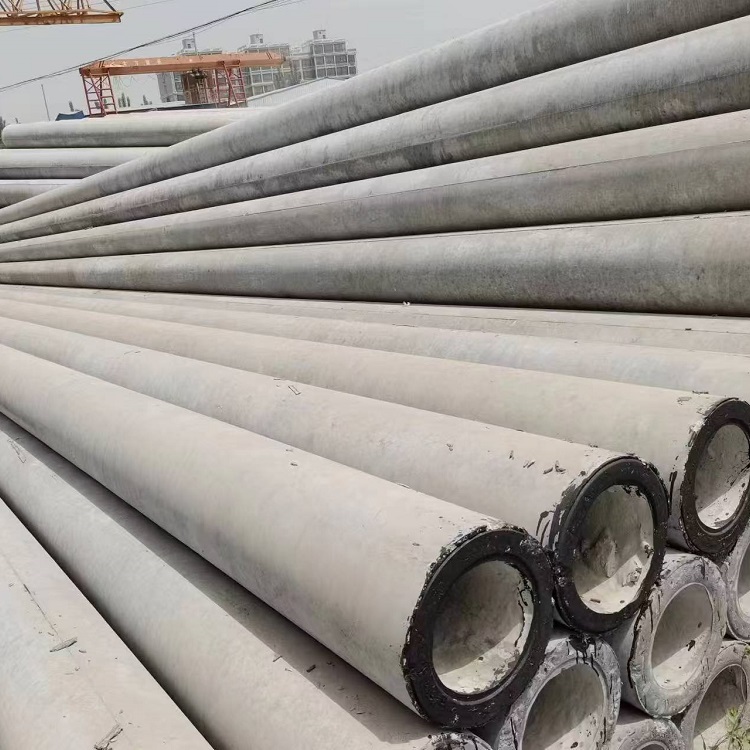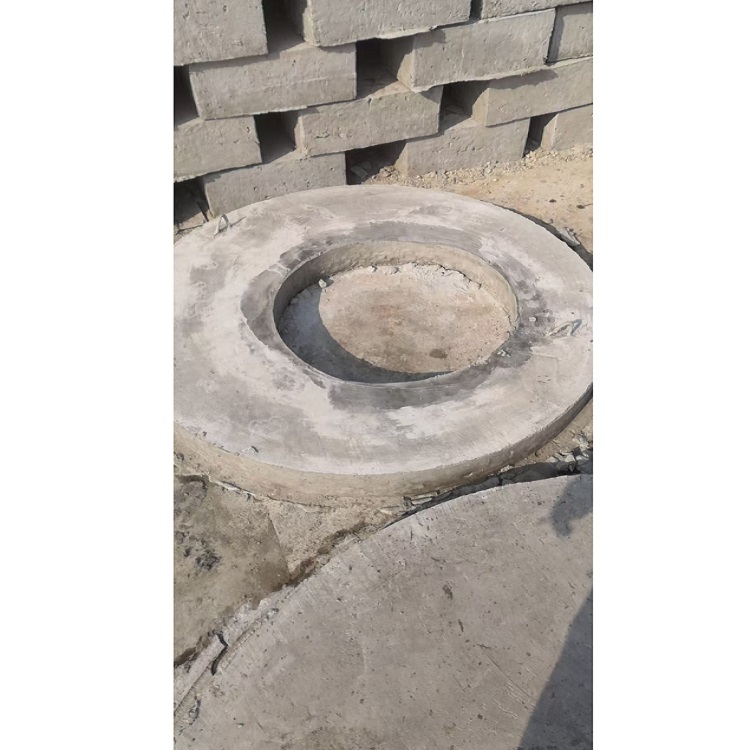

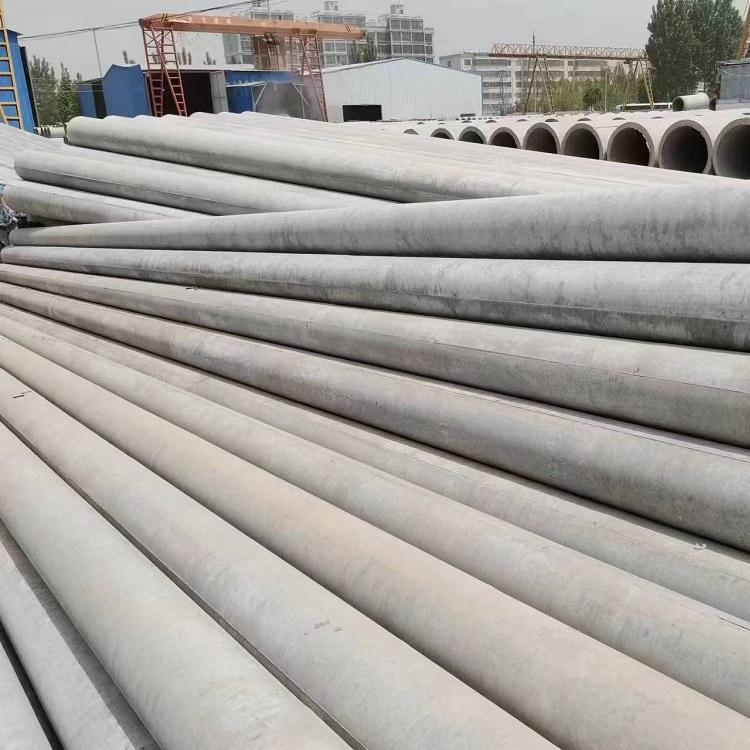

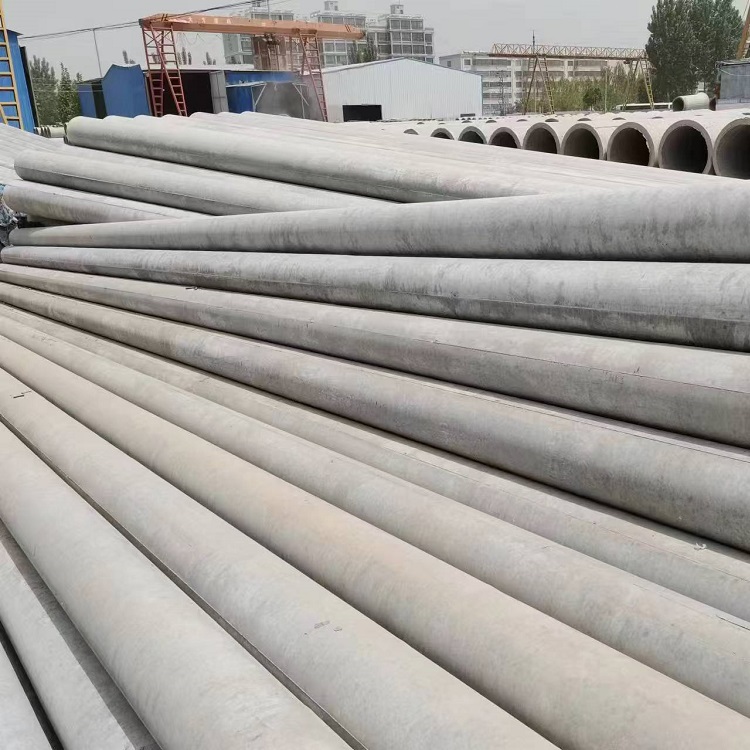












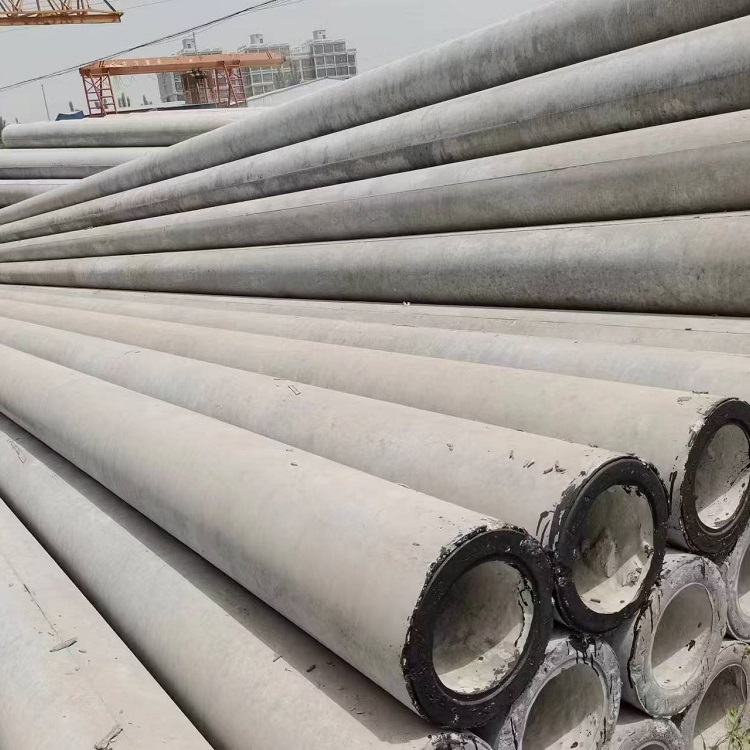


Poles are an indispensable infrastructure for power and communication systems, offering numerous advantages. The main benefits include:
Stable and reliable structure:
Poles are commonly made from high-strength materials such as steel and concrete, which offer excellent structural strength and stability.
Poles are designed to bear the weight of wires and cables, as well as withstand natural forces like wind, rain, and vibrations, ensuring the continuity and stability of power or communication lines.
Easy to install and maintain:
The installation process for utility poles is relatively simple, allowing for disassembly and reinstallation as needed, facilitating the arrangement and maintenance of the lines.
When replacing or repairing wires and cables, only the problematic sections need to be addressed, minimizing the impact on the entire system and reducing maintenance costs and time.
Space-saving cost reduction:
Compared to underground cabling methods, utilizing the space of utility poles for cable suspension significantly reduces ground space occupation.
In urban development, due to limited vacant land resources, utility poles have become an efficient choice for space utilization.
Flexible circuit adjustments:
The detachability and flexibility of the poles make adjustments and renovations to the lines relatively convenient.
When adding or modifying routes, the actual needs can be met by adding or moving utility poles, without the need to re-lay underground pipelines or conduct extensive construction.
High visibility:
Poles are typically installed in elevated positions, making them easily noticeable and identifiable.
For maintenance staff, checking the equipment and wiring conditions on utility poles allows for quick identification of power or communication faults and timely implementation of corresponding repair measures.
Adaptable:
Poles are adaptable to various terrains and climatic conditions, whether it's plains, mountains, or urban streets, suitable pole types and design plans can always be found.
This adaptability makes the widespread application of utility poles in power and communication systems possible.
Economic efficiency:
Poles are typically more cost-effective than other overhead line support structures (such as towers) in terms of material, transportation, and installation costs.
This makes utility poles a more economical choice when working within a limited budget.
In summary, utility poles offer numerous advantages, including structural stability and reliability, ease of installation and maintenance, space cost savings, flexible line adjustments, strong visibility, and adaptability as well as economic efficiency. These benefits make utility poles indispensable in power and communication systems.