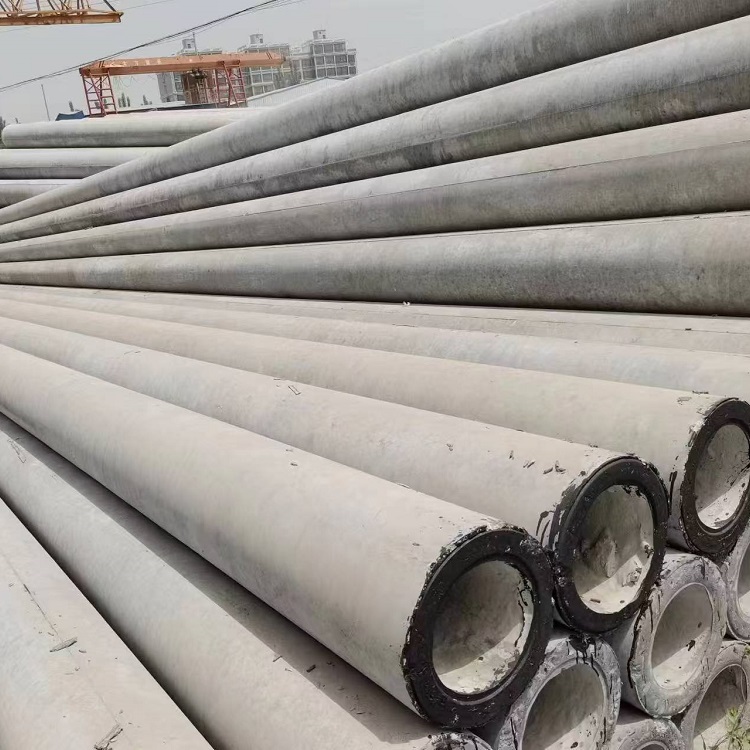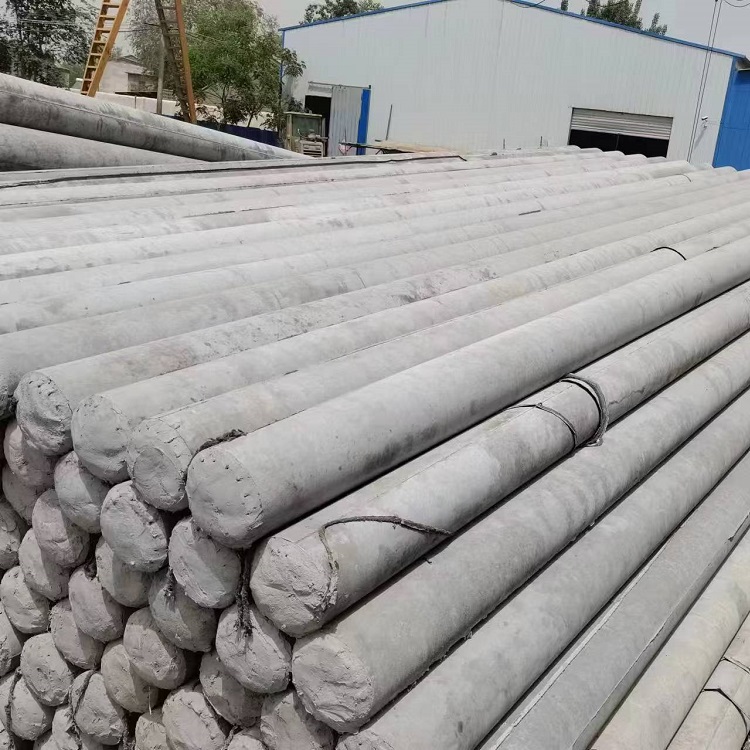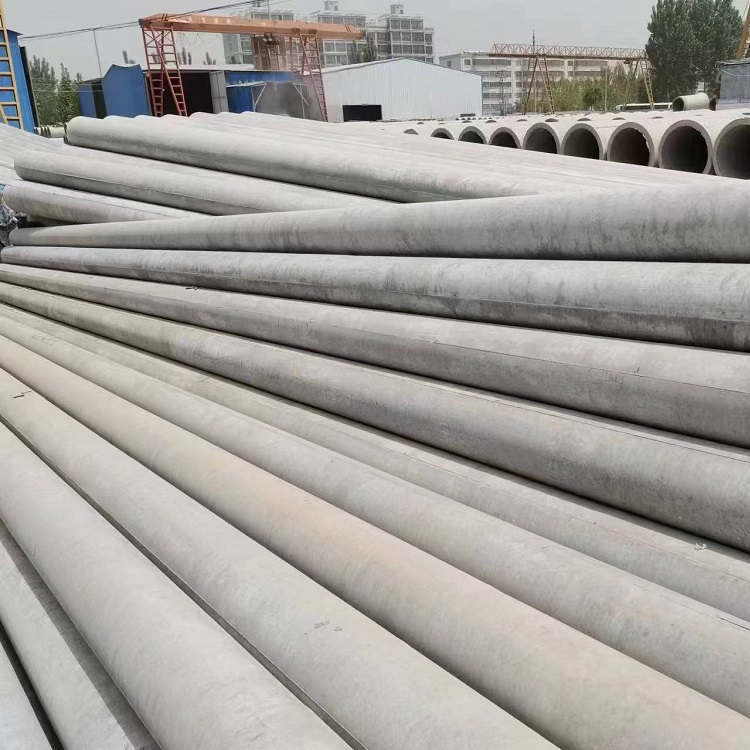

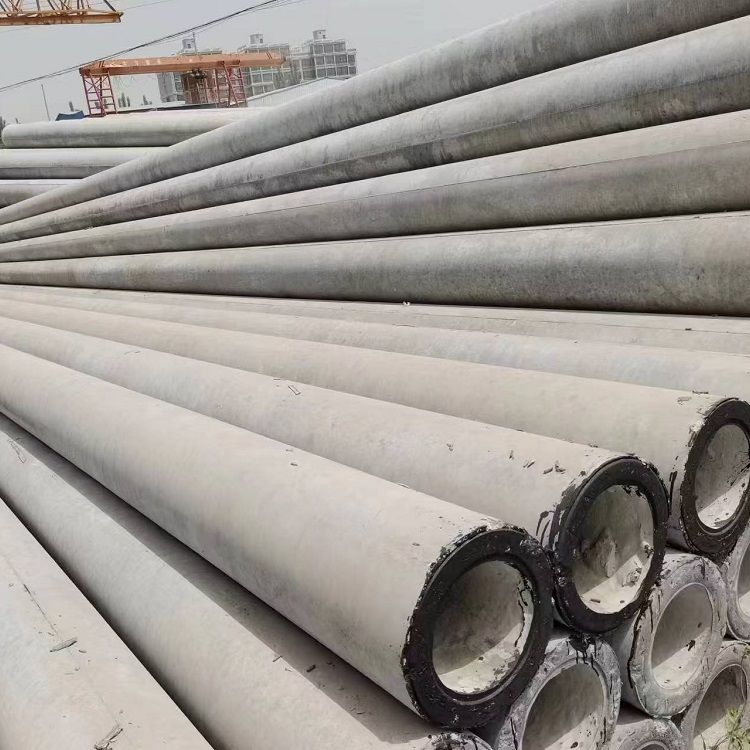

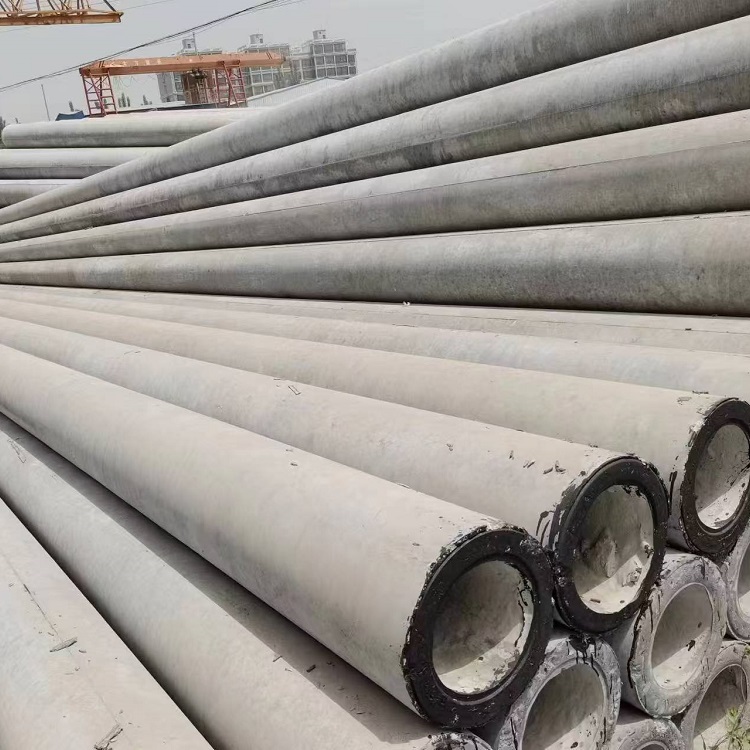
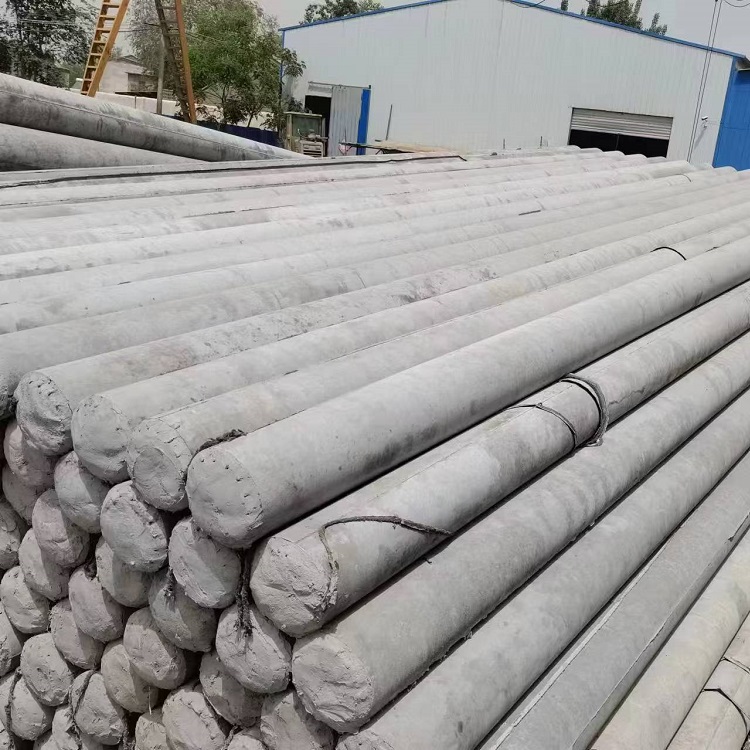
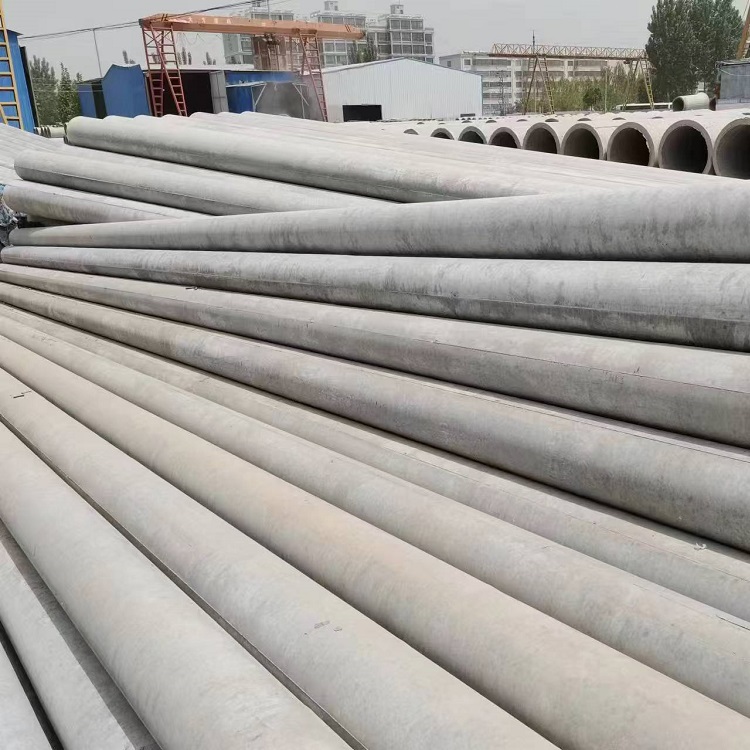












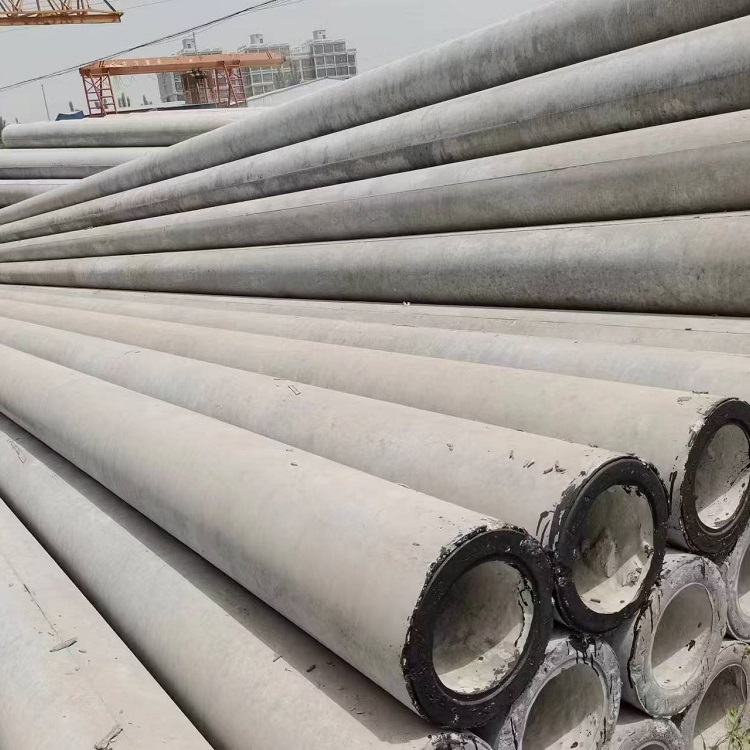


Poles, also known as electric poles, are upright structures used for suspending electric wires. They are primarily made of wood, concrete, or metal, designed to support power or communication lines. The main functions of poles include:
Support WirePoles secure wires (including bare conductors, insulated conductors, etc.) in the air through crossarms or brackets at their tops, ensuring a safe distance from the ground to prevent short circuits or electric shock accidents due to contact with the ground or obstacles.
Separating WiresIn power systems, wires of different voltage levels must be separated to avoid interference. Utility poles, with their strategic arrangement, effectively segregate wires of various voltage grades.
Protect WirePoles also serve as protection for the wires, shielding them from the erosion caused by natural elements such as wind, rain, and sunlight, thereby extending the lifespan of the wires.
Offer communication supportBesides power lines, utility poles are commonly used to support communication lines such as telephone lines and optical fibers, catering to people's communication needs.
The height, diameter, and material of utility poles vary depending on their purpose, the type of wire being installed, and the voltage level, among other factors. For instance, in urban areas, poles are typically designed to be taller and slimmer for aesthetic reasons and to minimize land use; however, in rural or remote regions, due to complex terrain and poor accessibility, poles may be designed to be shorter and thicker for easier installation and maintenance.
Moreover, with technological advancements and increased environmental awareness, new utility pole materials such as composites and glass fiber are increasingly being used. These materials offer advantages like light weight, high strength, and corrosion resistance, further enhancing the reliability and service life of utility poles.
In summary, utility poles are one of the indispensable infrastructure components in both power and communication systems, ensuring the safe, stable, and efficient operation of wires and communication lines.